Kitchen Sink Definition And Uses
You stand at the counter, rinsing a cutting board, and you realize the sink is the most used appliance in your kitchen. It handles hot pots, raw chicken juice, and a stack of dirty dishes without complaint. Yet most people pick one based on a photo and a quick glance at the price tag. That approach leads to regret when the stainless steel dents, the basin is too shallow for a stockpot, or the finish scratches after three months of use.
This guide covers the kitchen sink definition and uses in a practical way. You will learn what actually matters when comparing models: the anatomy of the unit, the jargon that separates a $200 sink from an $800 one, and how to measure your cabinet before you buy. I have installed and replaced enough of these to tell you that the difference between a great sink and a frustrating one comes down to about four specific specifications, which you will know by the end of this article.
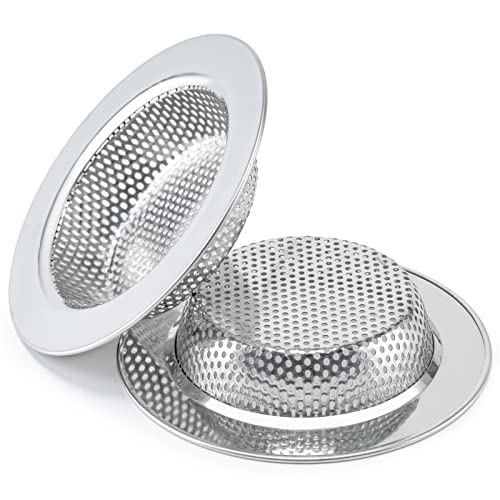
Honmein
2 Pcs Sink Strainer Double-Layer Safe Design…
- 【Premium Materials】: Stainless steel sink strainer, bright, long-lasting, rustproof.
- 【Upgrade Design】: Our sink strainer upgrade the double-layer design over the sharp edges prevent yours hands from cutting.
- 【Easy to Use】: Our sink strainers are easy to use without any tool installation, easy remove and place, and easy to clean by hand…
As an Amazon Associate I earn from qualifying purchases.
If you are replacing an existing unit, a simple upgrade like a kitchen sink guide can help, but the hardware itself matters too. A quality strainer, such as the Honmein 2 Pcs Sink Strainer Double-Layer Safe Design, protects the drain from clogs and prevents accidental cuts with its double-layer edge. It is a small part, but it keeps the basin functional for years.
What Is a Kitchen Sink? (Definition & Core Function)
A kitchen sink is a bowl-shaped fixture connected to a water supply and drainage system, used for washing dishes, preparing food, and cleaning. That is the textbook definition. The real function is broader: it is the primary workstation where water meets food. The design of the basin, the depth, and the material determine how well it performs that job.
The core uses go beyond dishwashing. You use it to rinse vegetables, fill pots for pasta, thaw meat, and soak burnt pans. A good sink accommodates all these tasks without splashing water onto the countertop or forcing you to bend awkwardly. The depth matters more than most people realize. A shallow basin (under 6 inches) splashes constantly. A deep one (9-10 inches) reduces back strain but requires you to reach down further, which can hurt taller users.
Your sink also plays a role in the plumbing system. The trap below it holds water to block sewer gases from entering the home. The vent pipe regulates air pressure so water drains smoothly. Understanding this basic setup helps you diagnose problems later, like gurgling sounds or slow drainage.
Anatomy of a Sink: Key Components Explained
Before comparing types, you need to know the parts. Every sink has the same basic structure, but quality varies wildly based on how each piece is made.
- Basin: The bowl itself. Depths range from 5.5 inches (bar/prep) to 10 inches (deep commercial style).
- Rim: The outer edge. On drop-in sinks, this lip rests on the countertop. Undermount sinks have no rim, which is why they look seamless.
- Drain hole: Usually 3.5 to 4 inches in diameter. The strainer sits here.
- Faucet holes: Pre-drilled openings for the faucet, typically 1.5 inches each. Some sinks come with four holes, others with one.
- Cabinet cutout: The hole in your countertop that the sink drops into. This is the measurement you need when replacing a unit.
The radius of the corner is a detail most buyers miss. A sink with tight 90-degree corners (a small radius) looks sharp but is harder to clean. Food gets trapped in the seam. A larger radius (like 10mm or 20mm) creates a gentle curve that wipes clean easily. If you hate scrubbing, choose a larger radius.
The gauge of stainless steel is another critical spec. Lower numbers mean thicker steel. A 16-gauge sink is about 0.0625 inches thick. An 18-gauge sink is thinner, around 0.04 inches. The thicker steel resists dents and reduces noise. You will feel the difference when you drop a cast iron skillet into a 16-gauge basin versus an 18-gauge one. The thinner metal rings like a bell.
The 7 Main Types of Kitchen Sinks (With Pros & Cons)
There are more than seven if you count every niche style, but these cover 95% of residential kitchens. Each type changes how the sink interacts with your countertop and cabinet.
Farmhouse vs. Undermount vs. Drop-In
Drop-In (or Top-Mount): The rim sits on top of the counter. Installation is the easiest, which makes it the cheapest option. You can replace a drop-in sink without touching the countertop. The downside is the rim collects water and grime, and the exposed edge can rust or discolor over time.
Undermount: The sink mounts below the countertop, leaving a clean, flush surface. You can wipe water and crumbs directly into the basin without hitting a lip. This is the most popular choice for granite and quartz countertops. The trade-off is cost: installation requires precise cuts and clips, and you cannot replace the sink without removing the countertop.
Farmhouse (Apron-Front): The front of the sink extends past the cabinet face, creating a visible apron. It offers a deep basin and a rustic look. The main issue is installation complexity. You often need to modify the cabinet base to support the weight, and the exposed front requires matching hardware. It is not a DIY weekend project unless you have carpentry experience.
Other types include the single basin (one large bowl, great for washing big pans), double basin (two bowls, usually 60/40 split, useful for washing and rinsing separately), prep sink (a small secondary sink, typically 12-15 inches wide, placed on an island), and corner sink (designed to fit in a 45-degree angle, saving space but limiting your faucet options).
For most households, a single deep basin is more practical than a double. You can fit a baking sheet flat in a single 30-inch basin. A double basin forces you to angle the sheet, which leads to water splashing everywhere. The exception is if you hand-wash delicate items frequently; the second bowl gives you a rinse station.
Sink Materials: A Detailed Comparison (Stainless, Granite, Fireclay)
The material determines durability, maintenance, and how the sink looks after five years. Here is a breakdown of the three most common options.
Stainless Steel: The workhorse of kitchens. It is lightweight, resistant to heat and stains, and does not crack. The quality varies by gauge (thickness) and grade (304 vs 201). A 304-grade steel contains more nickel and chromium, which prevents rust. A 201-grade is cheaper but can pit over time. Look for a brushed finish, which hides scratches better than a mirror finish. The downside is noise; you need a sound-deadening pad on the underside to avoid the clanging sound.
Granite Composite: Made from crushed quartz mixed with acrylic resin. It is extremely hard, resistant to scratches, and quiet. It also absorbs sound, so no pads are needed. The color is consistent throughout, so a small chip is less noticeable. The downside is weight. A 30-inch granite sink can weigh 40-50 pounds, requiring solid cabinet support. It is also sensitive to sudden temperature changes; pouring boiling water into a cold basin can cause thermal shock in lower-quality models.
Fireclay: A ceramic material fired at extremely high temperatures. It looks like porcelain but is much harder. It resists chips, stains, and fading. It is the heaviest option, often exceeding 80 pounds. Installation requires reinforced cabinets and often a professional crew. The surface is glossy and non-porous, which makes cleaning easy, but it can scratch if you slide heavy pots across it.
Gauge, Finish, and Sound Deadening Explained
You will see these terms on every spec sheet. Here is what they mean in practice.
Gauge: The thickness of the steel. 16-gauge is thicker and more durable than 18-gauge. 14-gauge is commercial grade, but rare in homes. The thicker steel also reduces the “oil canning” effect, where the basin flexes when you press on it.
Finish: Brushed, satin, or mirror. Brushed hides scratches and water spots. Mirror shows every fingerprint. Satin is a middle ground. Avoid the “polished” finish unless you enjoy wiping down the sink after every use.
Sound Deadening: A rubber or asphalt pad applied to the underside of the basin. It absorbs the vibration of water hitting the steel. Some high-end sinks have a thick pad plus a coating of undercoating. Test this in the store by tapping the basin. A hollow ring means poor deadening; a dull thud means it is well-padded.
How to Choose the Right Sink (Size, Basin, & Lifestyle)
Start with your cabinet size, not the sink size. A 33-inch sink cannot fit in a 30-inch base cabinet. The standard rule is to subtract 3 inches from the cabinet width to get the maximum sink size. A 36-inch cabinet fits a 33-inch sink. A 30-inch cabinet fits a 27-inch sink.
Measuring Your Cabinet Space Correctly
If you are replacing an existing drop-in sink, you do not need to remove the countertop. Measure the cutout from above. Take the length and width at the widest points. Then measure the depth of the current sink. Compare those numbers to the new sink’s specs. The new basin must fit inside the existing cutout with at least 1/4 inch of clearance on all sides for the mounting clips.

For an undermount sink, measure the interior of the cabinet base. Check the depth from the countertop to the bottom of the cabinet. You need at least 1 inch of clearance below the sink for the drain plumbing. If the cabinet has a drawer in the way, you will need to remove it or choose a shallower sink.
Basin depth is a lifestyle choice. If you are over 5’10”, a deep basin (9-10 inches) makes you bend more, which hurts your lower back. If you are under 5’4″, a deep basin forces you to reach down, which also strains your shoulders. A depth of 7-8 inches works for most people. Consider the primary user’s height when deciding.
Installation Types: What You Need to Know
The installation method affects your budget and your ability to DIY. Drop-in is the only type a homeowner can reliably install without special tools. You cut the hole, drop the sink in, and clamp it from below. The process takes about two hours.
Undermount requires cutting the countertop hole to a precise template, then applying a bead of silicone adhesive and tightening clips from underneath. If the countertop is already installed, you need to work from beneath the cabinet, which is awkward but doable. The risk is cracking the stone if you overtighten the clips. Most people hire a pro for this.
Farmhouse installation is the most involved. You often need to cut the front of the cabinet frame to accommodate the apron. This removes structural support, so you must add a metal or wood brace. The sink then slides into the opening and is secured with brackets. If you are not confident with a jigsaw and a level, call a contractor.
Also consider the faucet. A sink with four faucet holes gives you flexibility for a soap dispenser or sprayer. A single-hole sink looks cleaner but limits your options. Check the faucet reach as well. A high-arc faucet is great for filling pots, but it splashes more. A low-profile faucet is quieter but makes washing large items harder.
Maintenance & Cleaning by Material
Cleaning methods vary by material, and using the wrong one can void your warranty or ruin the finish.
For stainless steel, use a mild dish soap and a soft sponge. Wipe in the direction of the grain to avoid micro-scratches. Do not use bleach or abrasive pads; they strip the protective coating. To remove hard water spots, rub with white vinegar, then rinse immediately. A stainless steel cleaner with mineral oil will restore the shine monthly.
For granite composite, use a non-abrasive cleaner. A mixture of water and a few drops of dish soap is sufficient. Avoid citrus-based cleaners, which can dull the resin over time. For tough stains, make a paste of baking soda and water, let it sit for 15 minutes, then scrub gently.
For fireclay, use a soft cloth and a gentle cleaner. The glossy surface resists stains, but harsh chemicals can etch the glaze. Do not use steel wool. For stuck-on food, soak with hot water and a mild detergent, then wipe.
No matter the material, rinse the basin after washing dishes. Soap scum and food debris left behind will build up and dull the finish. A quick rinse takes five seconds and prevents most long-term issues.
Troubleshooting Common Sink Problems (Odors, Clogs, Noises)
Strange sounds and smells are not random. They tell you exactly what is wrong with your plumbing.
Gurgling sound: This happens when the vent pipe is blocked. The water draining creates a vacuum, sucking air through the trap. It sounds like a drain is clearing its throat. The fix is usually clearing the vent stack on the roof. If you live in a multi-story building, call a plumber. Do not ignore this; it can lead to a siphoning trap, which lets sewer gas into your home.
Hammering noise: A loud bang when you turn off the faucet is a water hammer. The water flow stops suddenly, and the pressure wave shakes the pipes. This is not a sink problem; it is a pipe mounting problem. You can install a water hammer arrestor on the supply lines, or secure the pipes with clips. If the noise is severe, check for loose pipes in the wall.
Foul odor: If the sink smells like rotten eggs, the trap is likely dry. This happens when a sink is unused for weeks, allowing the water seal to evaporate. Run water for a minute to refill it. If the smell persists, clean the overflow channel. Food particles can lodge there and rot. Use a small brush to scrub the overflow opening under the rim.
Slow drainage: This is almost always a clog in the P-trap or the branch line. Remove the trap (place a bucket under it) and clean out the debris. If that does not fix it, use a drain snake. Avoid chemical drain cleaners; they damage pipes and are harmful to the environment. A clogged sink is one of the reasons a quality strainer is worth buying. The Honmein strainer with its 0.08-inch pores catches food particles that would otherwise accumulate in the trap.
Smart Features & Trends in Modern Sinks
The sink is no longer just a bowl. Recent designs integrate functionality that changes how you use the space.
Accessories are the biggest trend. Cutting boards that fit over the basin, colanders that rest on the rim, and drying racks that sit inside the second half of a double basin. These turn the sink into a prep station. A sink with a ledge or a flat rim supports these accessories better than a rounded edge.
Touchless faucets are becoming standard. They reduce cross-contamination when your hands are covered in raw meat. The sensor is usually battery-powered or connected to an outlet. The trade-off is reliability; the sensor can fail, and you are left with no water until you replace the unit.
Integrated drainboards are another option. The countertop slopes toward the sink, allowing water to drain directly into the basin. This is popular in European designs. It eliminates the need for a separate dish rack but requires a custom countertop fabrication.
Water filtration systems are also being built into the faucet. A separate spout delivers filtered water for drinking, bypassing the main tap. This is a practical addition if you use a lot of drinking water. Check if your cabinet has space for the filter canister before committing.
One trend I am skeptical about is the “smart” sink with voice control. It adds complexity for little real-world benefit. You still have to put the dishes in the basin. Focus on the core features: material, depth, and installation type. Those matter more than a Bluetooth speaker in the faucet.
Frequently Asked Questions (FAQs)
What is the standard depth of a kitchen sink?
The standard depth is 8 inches. This suits most users and fits under standard countertops with room for plumbing. Bar sinks are shallower at 5-6 inches. Commercial-style sinks are deeper at 10 inches. If you have a garbage disposal, add 1 inch to the depth requirement to ensure the unit fits below the basin.
Is a 16-gauge or 18-gauge sink better?
16-gauge is better for durability. It is thicker, resists dents, and reduces noise. 18-gauge is lighter and cheaper, but it can flex and dent with heavy pots. If you cook daily, spend the extra money on 16-gauge. If the sink is in a guest house or rarely used, 18-gauge is acceptable.
Can I replace a drop-in sink with an undermount?
Yes, but only if you are willing to replace the countertop. An undermount sink requires a different cutout and a finished edge on the countertop. You cannot just drop it into an existing top-mount hole. The countertop material matters too. Laminate cannot support an undermount sink because the edges are not sealed against water. Granite, quartz, and solid surface can.
How do I stop my stainless steel sink from scratching?
Use a plastic or wooden cutting board, not a metal one. Do not place cast iron directly on the bottom; use a mat. When cleaning, use a soft sponge and wipe in the direction of the grain. To fix minor scratches, use a Scotch-Brite pad and rub along the grain line. This will blend the scratch into the finish.
What does a sink strainer actually do?
It catches food particles and debris before they enter the drain pipe. This prevents clogs in the P-trap and the main sewer line. A good strainer, like the Honmein double-layer model, also protects your fingers from sharp edges on the drain flange. The 0.08-inch pores allow water to flow freely while trapping small bits of food.
Final Checklist Before You Buy
You now have the full picture. Here is a condensed list to guide your purchase.
- Measure the cabinet width and subtract 3 inches to find the maximum sink width.
- Choose a basin depth between 7 and 8 inches unless you have a specific ergonomic need.
- Pick 16-gauge stainless steel for daily use; consider granite composite if you want quiet and durability.
- Decide on the installation type first, as it dictates your budget and DIY ability.
- Check the radius of the corners; larger radii are easier to clean.
- Look for a sound-deadening pad on the underside of stainless steel sinks.
- Buy a strainer with a double-layer design to prevent cuts and clogs.
Replacing a sink is a big job, but choosing the right one is a matter of measurement and honest self-assessment. Ignore the marketing photos and focus on the specs. Your back, your shoulders, and your cleaning routine will thank you.
Products related to this article
Sponsored / affiliate links. As an Amazon Associate I earn from qualifying purchases. I may earn additional commission from eligible campaigns.