Is Eating Toilet Paper Bad for You? Usually Not
Eating a little toilet paper is usually not harmful since it is plain wood pulp meant to break down, though it offers no nutrition and can cause discomfort in larger amounts. The real risks come from dyes in colored paper, contamination, or a child swallowing enough to cause a blockage. This guide covers what toilet paper is made of, what happens if eaten, when to seek medical advice, and how to prevent it around kids or pets.
Understanding Toilet Paper: What’s Really In It?
When we think about toilet paper, we often don’t give much thought to its composition. It’s a household staple, designed for one purpose – cleanliness and hygiene. But understanding what it’s made from is the first step to figuring out if eating it is a concern. Most toilet paper is primarily manufactured from wood pulp. This pulp is essentially plant fiber that has been processed to create soft, thin sheets. Think of it like the paper in your printer, but made to be extra gentle and to disintegrate easily when wet. This ‘disintegration’ factor is key to its function in our plumbing systems, preventing clogs. So, at its core, it’s plant-based material.
Beyond the basic wood pulp, some toilet papers might contain a few other ingredients. These can include:
- Fillers: These are added to make the paper bulkier and softer.
- Binders: They help hold the fibers together.
- Dyes and Perfumes: Some are colored or scented for aesthetic appeal, although plain white, unscented varieties are common and often recommended for sensitive skin.
- Lotions: Added to some ultra-soft or premium brands for extra comfort.
It’s important to note that the amount of these additives is usually very small. The primary component remains the processed wood fibers. Because it’s designed to break down, this process is relatively straightforward and doesn’t involve the complex chemicals found in, say, food processing.

The Role of Wood Pulp in Toilet Paper
Wood pulp is the backbone of toilet paper. It’s derived from trees, and the process involves breaking down the woody fibers into a pulp that can be spread out and dried into paper sheets. This is a similar process to how other paper products are made, like paper towels or facial tissues. The type of wood used can vary, often including softwood (like pine or spruce) for strength and hardwood (like oak or maple) for softness. Recycled paper also makes its way into toilet paper production, where post-consumer paper is de-inked and repulped. The fibers are then bleached and processed into the familiar rolls we use at home.
The characteristic of toilet paper that makes it different from, say, a sheet of regular writing paper, is its lower basis weight and reduced internal bonding. This means it’s designed to tear easily and dissolve in water. If you’ve ever seen a toilet paper commercial, they often emphasize how quickly it breaks apart in a toilet bowl. This is a crucial feature for plumbing and sewage systems, and it’s also relevant when we consider what happens if it’s ingested.
What Happens If Toilet Paper Is Accidentally Eaten?
It’s natural to feel concerned if you or someone you know has eaten toilet paper. Accidents happen, especially with children. The good news is that in small quantities, toilet paper is generally considered non-toxic. Since it’s mostly wood pulp and designed to disintegrate, your body will likely process it similarly to other indigestible fibers.
Here’s a breakdown of what typically occurs:
- Passage through the Digestive System: Like other roughage, the fibers will move through your digestive tract. Your body doesn’t absorb nutrients from it, as it’s not food.
- Potential for Discomfort: While not toxic, a large amount of toilet paper could potentially cause some mild digestive upset. Think of it like eating a large amount of raw, fibrous vegetables – it can lead to gas, bloating, or a feeling of fullness. The paper will absorb some moisture in your stomach, which might contribute to these feelings.
- No Nutritional Value: It’s important to remember that toilet paper provides zero nutritional benefits. It won’t make you stronger or provide energy. It’s essentially filler material for your stomach.
The key factor is the amount consumed. A tiny piece is unlikely to cause any noticeable issue. A larger quantity, however, might lead to some temporary discomfort as your body works to pass it. If significant amounts were eaten, or if discomfort persists, it’s always wise to consult a healthcare professional.
The Science Behind Indigestible Fibers
Our digestive system is remarkable at breaking down food for nutrients. However, it’s not designed to digest cellulose, the primary component of plant cell walls, which is abundant in wood pulp. This is why dietary fiber, which is also largely cellulose, passes through our system largely intact. Fiber plays an important role in digestive health by adding bulk to stool, promoting regularity, and feeding beneficial gut bacteria. Toilet paper, being a concentrated form of processed cellulose, behaves similarly.
According to the National Geographic, cellulose is one of the most abundant organic polymers on Earth. While humans cannot digest it chemically, it serves a purpose in our diet as fiber. When toilet paper is ingested, it goes through the stomach and intestines mostly undigested. It can absorb water along the way, which is why consuming large quantities might lead to a sense of fullness or even a temporary blockage if too much is consumed rapidly, though this is rare. Most of the time, it will simply move through and be expelled.
Potential Risks and Concerns
While generally considered safe in small, accidental ingestions, there are still potential risks associated with eating toilet paper. These usually arise not from the paper itself, but from what might be on it or how it’s processed for certain types of paper.
1. Dyes, Perfumes, and Chemicals
Colored or scented toilet paper might contain dyes and perfumes. While these are generally considered safe for topical use, ingesting them is a different story. Some people can have sensitivities or allergic reactions to these additives. If the toilet paper has bright colors, it’s a good indicator there are dyes present. Even mild fragrances can sometimes cause stomach upset when ingested. For this reason, plain, unscented, white toilet paper is the safest option if accidental ingestion is a concern.
2. Contamination
This is perhaps the most significant concern. Toilet paper is used in a bathroom environment, which can harbor bacteria and other microorganisms. If the toilet paper is contaminated with fecal matter or other germs, eating it could lead to illness. This is a critical point, especially for children who may not understand hygiene practices. Always ensure the toilet paper roll is clean and hasn’t been exposed to unsanitary conditions.
3. Large Quantities and Blockages
As mentioned earlier, while rare, consuming a very large amount of toilet paper could potentially lead to a blockage in the digestive tract. The undigested fibers can clump together, especially if not enough water is consumed. This can create an obstruction that prevents food and waste from passing through. Symptoms might include severe abdominal pain, vomiting, and constipation. This is a medical emergency and requires immediate attention.
4. Specialty Toilet Papers
Some specialty toilet papers might have added lotions or other treatments. While generally safe for skin, their effect when ingested is less studied. It’s best to stick to standard toilet paper if there are concerns about ingestion.
Here’s a quick look at what to avoid:
| Ingredient Type | Potential Concern When Eaten | Reason |
|---|---|---|
| Dyes | Allergic reactions, stomach upset | Chemicals used for coloring can irritate the digestive system. |
| Perfumes | Nausea, stomach upset | Fragrance compounds are not meant for ingestion. |
| Lotions | Unknown effects, potential GI upset | Formulated for skin, not digestion. |
| Contaminants (Bacteria, etc.) | Illness, infection | Bathroom environments can expose toilet paper to germs. |
Best Dye-Free Toilet Paper Pick
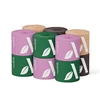
Amazon Aware 3-Ply Bamboo Toilet Paper, Unscented – $15.50
Skips the dyes and perfumes this guide flags as the real risk factor if any is accidentally swallowed.
- Best for: The Dyes, Perfumes, and Chemicals concern this guide lists as a genuine risk factor
- Why we picked it: Unscented and undyed formula removes the specific additive risk this guide's Potential Risks section names
- Main drawback: Costs more than a basic dyed or scented roll for the same day-to-day use
Compare more child-safe bathroom products
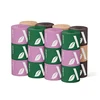 Option 1 Amazon Aware Bamboo 3-Ply Toilet Paper, 24 Rolls – $31.94
|
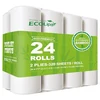 Option 2 ECOLipak Bamboo Toilet Paper, Septic Safe – $27.99
|
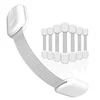 Option 3 SKYLA HOMES Child Safety Cabinet Locks, 8-Pack – $8.99
|
As an Amazon Associate we earn from qualifying purchases.
When to Seek Medical Advice
For most people, accidentally eating a small piece of toilet paper will likely go unnoticed or cause only very mild, temporary discomfort. However, there are times when it’s important to reach out to a healthcare professional. Trust your instincts and err on the side of caution if you have any concerns.
You should consider seeking medical advice if:
- A Large Amount Was Consumed: If someone, particularly a child, has eaten a significant quantity of toilet paper, it’s a good idea to contact a doctor or local poison control center. They can provide guidance based on the amount consumed and the individual’s age and health.
- Symptoms of Blockage Occur: Signs of a potential digestive blockage include severe abdominal pain, persistent vomiting, inability to pass gas or stool, and significant bloating. These are urgent symptoms that require immediate medical attention.
- Concerns About Additives: If the toilet paper was colored, heavily perfumed, or contained other specialty additives, and a notable amount was ingested, a call to a healthcare provider might be warranted, especially if any adverse reactions occur.
- Underlying Health Conditions: If the person who ate toilet paper has pre-existing digestive issues, or is very young or elderly, their digestive system may be more sensitive. In such cases, seeking professional advice is prudent.
- Persistent Symptoms: If mild symptoms like gas or bloating don’t resolve within a day or two, or if new symptoms develop, it’s worth discussing with a doctor.
Remember, healthcare professionals are there to help. They can assess the situation and provide the best course of action to ensure well-being. You can often find quick advice from resources like the National Capital Poison Center for immediate guidance on potential ingestions.
Prevention is Key: Keeping Toilet Paper Out of Mouths
The best way to handle the concern of eating toilet paper is through prevention. This is especially important in households with young children or pets, who are more prone to putting unusual items in their mouths.
Cabinet and drawer locks help with more than just cleaning supplies; our guide on simple DIY drawer locks covers keeping bathroom storage out of reach too.
Here are some simple strategies to keep in mind:
- Secure Storage: If you keep spare rolls of toilet paper, store them in a place that’s out of reach for curious little hands. A linen closet or a high shelf can be a good option.
- Educate Children: As children grow, talk to them about what is and isn’t food. Explain that toilet paper is for cleaning and not for eating, in simple terms they can understand.
- Supervision: Always supervise young children, especially when they are in the bathroom or playing with items that could be ingested.
- Safe Bathroom Practices: Encourage good hygiene by teaching everyone in the household to wash their hands thoroughly after using the bathroom, which helps minimize the spread of germs on surfaces, including toilet paper rolls.
- Keep Dispensers Full: Ensure the toilet paper dispenser is always stocked. This reduces the temptation for children to pull off large amounts of paper from the roll just for play.
By taking these small, proactive steps, you can significantly reduce the chances of accidental toilet paper ingestion and create a safer environment for everyone in your home. It’s all part of creating a comfortable and worry-free living space!

Frequently Asked Questions (FAQ)
Here are some common questions beginner decorators and homeowners might have:
Q1: Can eating toilet paper make me sick?
Generally, eating a small amount of plain toilet paper is unlikely to make you sick. It’s mostly wood pulp and designed to break down. However, if it contains dyes, perfumes, or is contaminated with germs, it could cause issues. Eating large amounts can lead to digestive discomfort.
Q2: What are the symptoms of eating too much toilet paper?
Symptoms from eating too much toilet paper might include bloating, gas, stomach cramps, or a feeling of fullness. In very rare cases, a large quantity could potentially lead to a digestive blockage, with symptoms like severe pain, vomiting, and constipation.
Q3: Is it bad for toddlers to eat a little bit of toilet paper?
For toddlers, a very small amount of plain toilet paper is usually not a cause for concern. However, it’s still best to prevent it, as they have sensitive systems, and colored or scented varieties could be problematic. Constant supervision and keeping supplies out of reach are recommended.
Q4: Does eating toilet paper provide any fiber?
While toilet paper is made of cellulose, similar to dietary fiber, our bodies cannot digest it properly. It offers no nutritional value and doesn’t contribute to a healthy diet. It will pass through your system, but not in a way that benefits your body like edible fiber does.
Q5: I ate a piece of colored toilet paper. Should I worry?
If you ate only a very small piece of colored biodegradable toilet paper, it’s probably fine. The dyes are usually present in small amounts for aesthetic purposes. However, if you experience any unusual symptoms like stomach upset or notice any sensitivity, it’s always a good idea to consult a healthcare provider.
Q6: What is the best type of toilet paper to use if I’m concerned about accidental ingestion?
The safest option is typically plain, white, unscented toilet paper. This type has the fewest additives like dyes and perfumes, which are the most likely components to cause irritation or adverse reactions if ingested.
Conclusion
Navigating the curiosities of everyday life, like whether eating toilet paper is bad for you, can bring a sense of calm once you have the facts. We’ve learned that while toilet paper is primarily made from non-toxic wood pulp designed to break down easily, it’s certainly not food. Small, accidental ingestions are typically harmless, though they offer no benefits and might cause minor digestive upset. The real concerns lie with consuming large quantities, which could lead to blockages, or with specialty papers containing dyes, perfumes, or lotions, and the potential for contamination in a bathroom environment.
For us home enthusiasts, creating a safe and comfortable space for our families is paramount. By understanding the composition of common household items and implementing simple preventative measures, especially for households with children, we can address these questions with confidence. Always remember to prioritize plain, unscented toilet paper if accidental ingestion is a significant concern, and never hesitate to reach out to a healthcare professional if you have any worries about ingestion, particularly regarding quantity or specific product additives. Here’s to continuing to make our homes beautiful, functional, and worry-free!
Products related to this article
Sponsored / affiliate links. As an Amazon Associate I earn from qualifying purchases. I may earn additional commission from eligible campaigns.
 Livelynine 197 x 24 Inch Wide Wood Contact Paper Kitchen Cabinet Desk Countertop Paper Kitchen Cabinet Wallpaper Wood Adhesive Paper for Furniture Waterproof Black Walnut Wood Grain Vinyl Wrap
 2pcs File Cabinet Locks with Keys, 19mm Core Safety Drawer Locks for Home Furniture, Silver and Black Security Cabinet Hardware for Office and Household Use Style