How to Get Rid of Bugs in Your Sink Drain (Safely)
Drain bugs (usually drain flies) breed in the organic buildup lining your pipes, not the water itself, so a one-time pour of bleach won’t fix a recurring problem. A baking soda and vinegar flush clears the gunk safely on both PVC and metal pipes, while boiling water can soften and warp PVC over time. This guide covers cleaning, natural treatments, and prevention.
Dealing with a slow drain too? See how to remove a sink drain stopper and how to unclog hair from a sink for a deeper clean.
Why Are There Bugs in My Sink Drain?
It’s natural to wonder how these little critters find their way into your sink. The main culprits are often drain flies, fruit flies, or gnats. These tiny insects are attracted to the moist, organic matter that collects in your drain lines. Think coffee grounds, bits of soap, hair, food particles, and any other gunk that might get washed down. When this organic material decomposes, it creates a perfect breeding ground for these pests. The damp environment offers them food and a safe place to lay eggs.
Understanding Drain Flies
Drain flies, also known as moth flies, are small and fuzzy, often mistaken for tiny moths. They thrive in stagnant water and the slimy film that builds up inside pipes.
Understanding Fruit Flies and Gnats
Fruit flies are common and usually attracted to leftover food or fermenting substances, but they can also enter drains if there’s enough decaying organic material. Fungus gnats can also be found in drains, especially if there’s a fungus growing there.
The presence of these bugs isn’t usually a sign of a major plumbing issue, but it’s certainly not pleasant! Fortunately, with a few clever tricks, you can reclaim your sink.

Step-by-Step Guide: How to Get Rid of Bugs in Your Sink Drain
Getting rid of bugs in your sink drain is a straightforward process that combines cleaning with a few targeted treatments. We’ll break it down into easy steps so you can tackle it with confidence.
Step 1: Clear the Drain of Debris
Before you do anything else, it’s important to remove any visible gunk or hair that might be lurking in the drain opening. This is the first line of defense and helps expose any hidden bug habitats.
Tools and Supplies:
- Rubber gloves (optional, but recommended!)
- Pliers or tweezers
- A stiff brush (an old toothbrush or a small pipe brush works well)
- Paper towels
How to do it:
- If you have a drain stopper, remove it.
- Carefully use pliers or tweezers to pull out any visible hair, soap scum, or other debris. Don’t be afraid to reach in a little!
- Use your brush to scrub around the edges of the drain opening and any accessible parts of the stopper.
- Wipe away any loosened debris with paper towels.
Step 2: The Deep Clean Blast
Now that you’ve cleared out the visible stuff, it’s time for a thorough cleaning to remove the organic buildup that attracts bugs. You have a few excellent options here, from natural to slightly stronger.
Option A: The Boiling Water Flush (Natural & Simple)
Boiling water is a fantastic, eco-friendly way to kill bugs and loosen grime. It’s especially effective for drain flies.
How to do it:
- Boil a kettle or pot of water.
- Slowly and carefully pour the entire pot of boiling water directly down the drain. Do this in stages if you have a lot of water, allowing each pour to work its way down.
- Repeat this process once a day for about three to five days. This consistent heat helps to flush away breeding grounds and kill any remaining eggs or larvae.
Option B: Baking Soda and Vinegar (Natural Power Duo)
This classic cleaning combination creates a fizzy reaction that can dislodge buildup and kill pests.
How to do it:
- Pour about 1/2 cup of baking soda down the drain.
- Follow it with 1/2 cup of white vinegar.
- Immediately cover the drain with a stopper or a damp cloth. You’ll hear and see it fizz!
- Let it sit for at least 30 minutes, or even an hour.
- After waiting, flush the drain with hot tap water (or boiling water for an extra boost).
- Repeat this daily for a few days if necessary.
Option C: Dish Soap and Hot Water (Gentle but Effective)
Dish soap can help break down the greasy films in drains and the hot water will wash it away.
How to do it:
- Pour about 1/4 cup of liquid dish soap down the drain.
- Follow immediately with a pot of hot tap water or boiling water.
- Let it sit for a few minutes, then rinse with more hot water.
- This method is great for maintenance or for less severe infestations.
Step 3: Targeted Treatment (If Needed)
If the cleaning methods above don’t completely solve the problem, you might need a more targeted approach.
Option D: Hydrogen Peroxide Solution (For Stubborn Pests)
A mild solution of hydrogen peroxide can help kill bugs and their eggs.
How to do it:
- Mix equal parts of 3% hydrogen peroxide and water in a spray bottle or pour directly.
- Pour about 1/4 cup of this solution down the drain.
- Let it sit for at least 30 minutes.
- Flush with hot water.
- Important Note: While generally safe for drains, always use hydrogen peroxide with caution. Avoid mixing it with other cleaners, especially ammonia or bleach, as this can create dangerous fumes. For robust plumbing advice, always consult resources like the EPA’s WaterSense program which offers insights into various home water systems.
Option E: Enzyme Drain Cleaners (Biological Solution)
These cleaners use natural enzymes and bacteria to break down organic waste, which is what bugs feed on. They are safe for pipes and the environment.
How to do it:
- Purchase an enzyme-based drain cleaner from your local hardware or home goods store.
- Follow the product instructions carefully. Most involve pouring a measured amount into the drain and letting it sit overnight.
- These are excellent for long-term maintenance and prevention.
Option F: Bleach (Use with Extreme Caution!)
Bleach can kill bugs and sanitize your drain, but it’s a harsh chemical. Use it only as a last resort and with extreme care. Never mix bleach with other cleaners, especially ammonia. Ensure good ventilation.
How to do it:
- Ensure the area is well-ventilated and wear gloves.
- Dilute 1/4 cup of bleach with 1 cup of water.
- Pour slowly down the drain.
- Let it sit for about 30 minutes.
- Flush thoroughly with plenty of cold or cool water.
- Never mix bleach with vinegar or ammonia. This is crucial for your safety! For more on safe cleaning practices, the Centers for Disease Control and Prevention (CDC) provides guidelines on cleaning and disinfecting surfaces.
Step 4: Prevention is Key! Keeping Bugs Away for Good
Once you’ve successfully banished the bugs, the goal is to keep them from returning. Regular maintenance is your best friend here.
Rinse Drains Regularly: After each use, especially in the kitchen, give your drain a quick rinse with hot water to wash away food particles.
Don’t Pour Grease Down the Drain: Grease and oils solidify in pipes and create a sticky surface for gunk to cling to, providing a perfect bug buffet. Wipe greasy pans with a paper towel before washing.
Use Sink Strainers: These catch food scraps and hair, preventing them from going down the drain. Empty them regularly.
Wipe Down the Sink Area: Make sure there are no standing water puddles or food crumbs around the sink itself, as these can also attract flying insects.
* Regular Deep Cleaning: Implement a weekly or bi-weekly routine of using boiling water, the baking soda and vinegar method, or an enzyme cleaner to keep your drains clear and inhospitable to pests.
Best Enzyme Drain Cleaner Pick
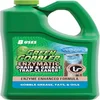
Green Gobbler Enzyme Drain Cleaner, 1 Gallon – $25.97
Matches the enzyme-based treatment this guide recommends as a pipe-safe alternative to boiling water or harsh chemicals.
- Best for: Breaking down the organic buildup that actually breeds drain bugs, per this guide
- Why we picked it: Enzyme formula is safe for PVC, unlike boiling water, and works on grease, paper, and organic gunk
- Main drawback: Slower-acting than a chemical drain opener for a fully clogged pipe
Compare more options
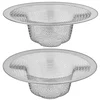 Option 1 Sink Drain Strainer, 2-Pack – $5.99
|
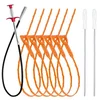 Option 2 9-Piece Drain Clog Remover Tool Set – $7.99
|
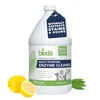 Option 3 Bioda Probiotic Enzyme Cleaner, 1 Gallon – $25.99
|
As an Amazon Associate we earn from qualifying purchases.
Creating a Beautiful and Bug-Free Home Environment
As Arlene J. Clark, I always believe that a home should be a sanctuary – comfortable, beautiful, and truly yours. Dealing with pests in your sink drain can feel like a blight on that vision, but it doesn’t have to. By following these simple, achievable steps, you’re not just getting rid of bugs; you’re taking proactive steps to care for your home.
Imagine the peace of mind knowing your kitchen and bathroom drains are clean and clear. It contributes to the overall sense of order and freshness that makes a house feel like a home. When our functional spaces are working well and look clean, it genuinely impacts our mood and how we feel in our environment.
Think of this process as a small act of self-care for your home. It’s a DIY project that brings immediate, tangible results, boosting your confidence and showing you that you have the power to maintain a beautiful living space. Plus, many of these natural solutions are not only effective but also kinder to your pipes and the environment.
Consider incorporating sink strainers that match your kitchen or bathroom decor. These small touches can make a big difference in making your home not just bug-free, but stylish too! Remember, a welcoming home is one that is well-maintained and feels fresh, and that starts with tackling even the smallest of issues with clear, confident actions.

Frequently Asked Questions (FAQ) About Sink Drain Bugs
Here are some common questions beginners have about dealing with bugs in sink drains:
FAQ 1: What kind of bugs are usually in sink drains?
The most common culprits are drain flies (also called moth flies), fruit flies, and sometimes fungus gnats. They are attracted to the moist, organic material that accumulates in drain pipes.
FAQ 2: Are these bugs harmful to humans?
While they can be a nuisance and unhygienic, these drain bugs are generally not considered harmful to humans. They don’t typically bite or spread serious diseases, but their presence indicates a need for better drain hygiene.
FAQ 3: How often should I clean my drains to prevent bugs?
For prevention, it’s good to give your drains a thorough cleaning (with hot water, baking soda/vinegar, or an enzyme cleaner) at least once a month. Regular rinsing after use is also highly recommended.
FAQ 4: Can I use chemical drain cleaners to kill drain bugs?
While some harsh chemical drain cleaners might kill bugs, they are often very caustic and can be harmful to your pipes and the environment. Natural or enzyme-based cleaners are usually safer and more effective for long-term drain health.
FAQ 5: Why do bugs keep coming back even after I clean the drain?
If bugs return, it often means the organic buildup inside the pipes is still present, or there’s another source of moisture and food nearby (like a leaky pipe or even a plant). You might need to repeat the cleaning process more frequently or use an enzyme cleaner to break down the residual gunk.
FAQ 6: Is pouring boiling water down the drain safe for my pipes?
Boiling water (212°F) can soften and warp PVC pipes, which are typically rated for only about 140°F, risking loosened joints and leaks over time. It is safe for metal pipes. If you have PVC, use very hot tap water instead, or stick with the baking soda and vinegar method, which is safe for both PVC and metalfessional.
FAQ 7: What’s the best natural way to get rid of drain flies?
Boiling water flushes and heat can kill drain flies and their larvae. Combining this with a baking soda and vinegar treatment, then rinsing with more hot water, is a very effective natural method for eliminating them.
Conclusion
Saying goodbye to those unwelcome bugs in your sink drain is absolutely achievable! We’ve covered how these tiny pests appear and, more importantly, how to tackle them head-on with simple cleaning methods and targeted solutions. Remember, the key is not just to eliminate them now but to prevent their return. By incorporating regular drain maintenance into your home care routine – simple rinses, using strainers, and periodic deep cleans with natural remedies – you can keep your drains fresh, clean, and distinctly unappealing to bugs.
Don’t let this small issue dim your home’s sparkle. You’ve got the power to restore that clean, fresh feeling to your kitchen and bathroom. Think of each successful cleaning as another step towards creating the beautiful, comfortable, and welcoming home you love. Happy cleaning, and enjoy your bug-free sink!
Products related to this article
Sponsored / affiliate links. As an Amazon Associate I earn from qualifying purchases. I may earn additional commission from eligible campaigns.