Wall Sconce vs Table Lamp: Which Adds Better Ambient Lighting?
Wall sconces are often a good choice for ambient lighting when even wall wash, open floor space, and layered light are the goal. Table lamps are often the better choice when you need portable, local glow. Pick sconces for most living rooms and halls, and lamps for flexible seating zones. Poor placement leaves rooms patchy, creates glare, and pushes you toward one bright fixture that does too much. This guide compares both by room, explains where each falls short, and gives simple decision rules for homeowners.
| Factor | Wall Sconce | Table Lamp | Winner |
|---|---|---|---|
| Ambient spread | Soft wall-level lighting that can wash a vertical surface and reduce shadows | Localized glow from a surface position, often centered on the table or side table | Wall Sconce |
| Glare risk | Lower when mounted high enough and shaded well; higher if the bulb sits at eye level | Lower when the shade hides the bulb; higher if the lamp sits where people face it directly | Wall Sconce |
| Surface space used | No tabletop footprint; space-saving function is the main advantage | Uses a nightstand, console, or side table | Wall Sconce |
| Installation effort | Can require wired-in installation and mounting | Plugs in and moves with the room layout | Table Lamp |
| Flexibility | Fixed once installed, though some models are dimmable or adjustable | Easy to swap, move, and reuse in another room | Table Lamp |
| Best ambient-light fit | Hallways, bedsides, and living rooms where wall-level light helps shape the room | Reading nooks, rentals, and rooms that need quick changes | Tie |
Ambient spread
Wall sconces spread ambient light more evenly across a wall, which makes a room feel less flat and cuts the hard contrast that throws off shadows. Table lamps can still give warm ambient light, but they usually form a smaller pool of light unless the shade is large and the placement is chosen well.
Wall Sconce
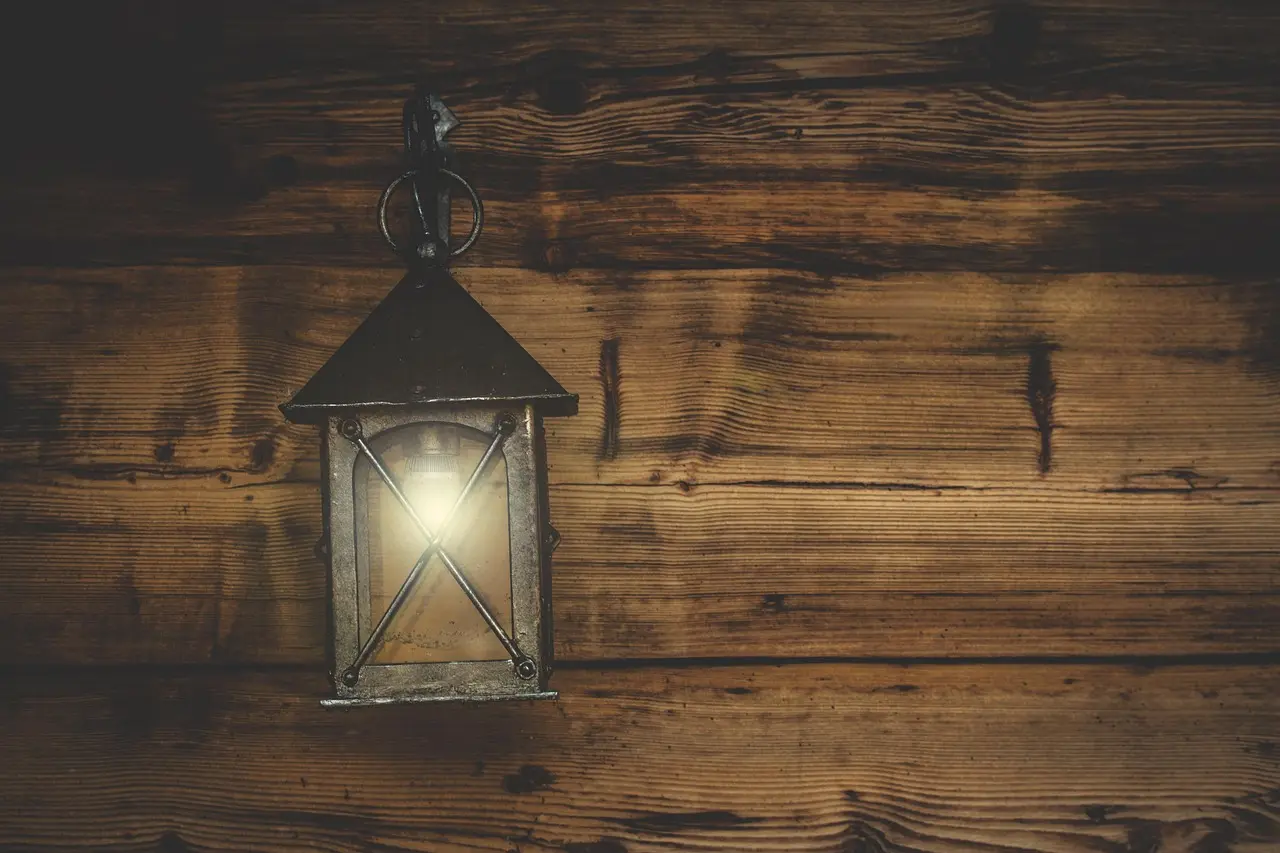
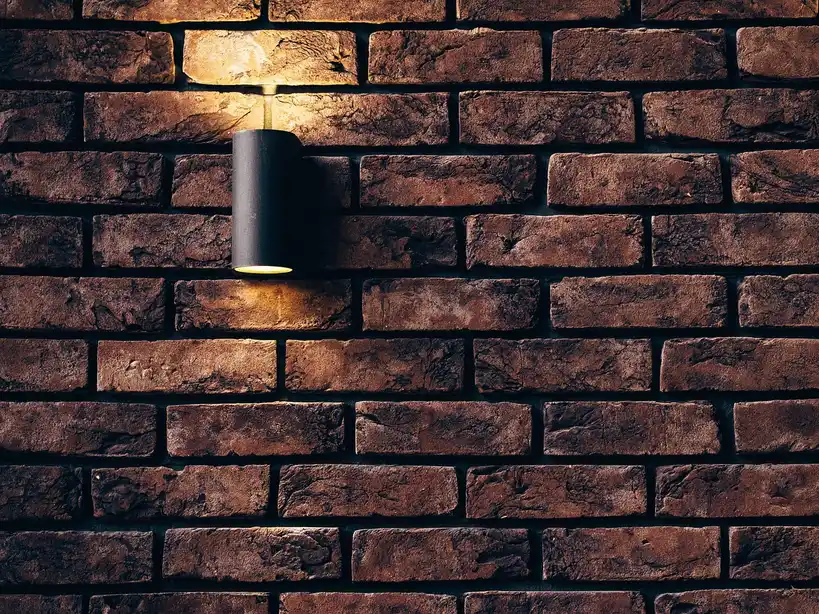
A wall sconce is wall-mounted lighting, so its output starts higher and spreads across the room at wall level. That matters in narrow rooms and hallways, where wall wash can make the space feel more open and reduce dark bands along the perimeter.
Table Lamp
A table lamp uses a surface as its base, which means its ambient output depends on the height of the table or nightstand and the shape of the shade. It works well when you want a softer glow near seating, but it can leave upper walls dim if the lamp is the only fixture.
Glare and shadow control
Glare risk mainly comes down to bulb visibility and eye level. Wall sconces can be gentler when mounted properly, while a table lamp can be just as comfortable if the shade blocks the bulb and the lamp is not placed where people look straight at it.
Wall Sconce: iESNA-style lighting practice favors keeping
IESNA-style lighting practice favors keeping the source out of the primary sight line and using shielding or diffusion to limit discomfort glare. That is one reason sconces work well for ambient light near beds, hallways, and seating walls. The failure case is easy to spot: if the lamp sits too low or the bulb is visible from a sofa or bed, the light starts to feel harsh instead of soft.
Table Lamp: table lamps often feel softer
Table lamps often feel softer at close range because the shade sits between the bulb and the room. But a too-bright bulb, a shallow shade, or a cluttered nightstand can turn the lamp into a glare source instead of a mood light.
Space used and installation effort
Wall sconces save surface space, which is why they matter in small bedrooms, tight hallways, and beside beds with limited room for a lamp base. Table lamps are easier to add, move, or replace, but they take the exact surface area many homeowners want to keep open.
Wall Sconce: aLA-style residential lighting guidance emphasizes
ALA-style residential lighting guidance emphasizes layered light and good task separation, which is why a wall sconce can be the better choice when you want the fixture to disappear into the architecture. That tradeoff is simple: you gain clear surface area but accept mounting and, in many cases, wired-in installation. That is a good exchange if the room already feels crowded or if the bedside table is too small for a safe lamp base.
Table Lamp: a table lamp avoids installation
A table lamp avoids installation effort. It plugs in, moves with the room, and can shift from a side table to a desk or dresser without a wall patch or electrical work, which is why it often wins in rentals. For renters who still want a wall-like effect, a clamp spotlight can be a flexible alternative because it mounts to furniture or a shelf edge without permanent wiring.
Flexibility and room fit
Table lamps are more flexible because they can change rooms, while wall sconces are more fixed but often better at shaping the room’s overall light. Hybrid designs matter here too: many fixtures are made to work in more than one position, and a clamp spotlight can fill the gap when you need directional light in a rental or reading nook.
Wall Sconce: wall sconces fit best
Wall sconces fit best when the lighting goal is steady and the furniture plan will not move much. Dimmable wall lamp models are especially useful at night because brightness control lets you keep ambient light low enough for winding down without turning the room dark.
Table Lamp: table lamps win
Table lamps win when seating changes often, when you move things seasonally, or when you want to test a layout before committing to wiring. They also work well when bulb compatibility matters more than mounting style, since many lamps can accept different replacement bulbs as long as the holder matches.
Which gives softer ambient light?
Neither option always wins, but wall sconces usually give softer ambient light when you want wall-level illumination and fewer shadows. Table lamps can feel softer in a small seating area or beside a bed, especially when the shade hides the bulb and the light stays below eye level.
Bedroom bedside use
ALA guidance for residential lighting favors comfortable, layered light at the bed and reading area, and that fits ambient use well when the goal is to keep the nightstand clear. A table lamp is softer only if the shade is large enough to hide the bulb and the base does not crowd the surface. If the bedside table is small, a sconce usually keeps the layout cleaner and reduces the chance of bumping the fixture.
Living room sofa zones
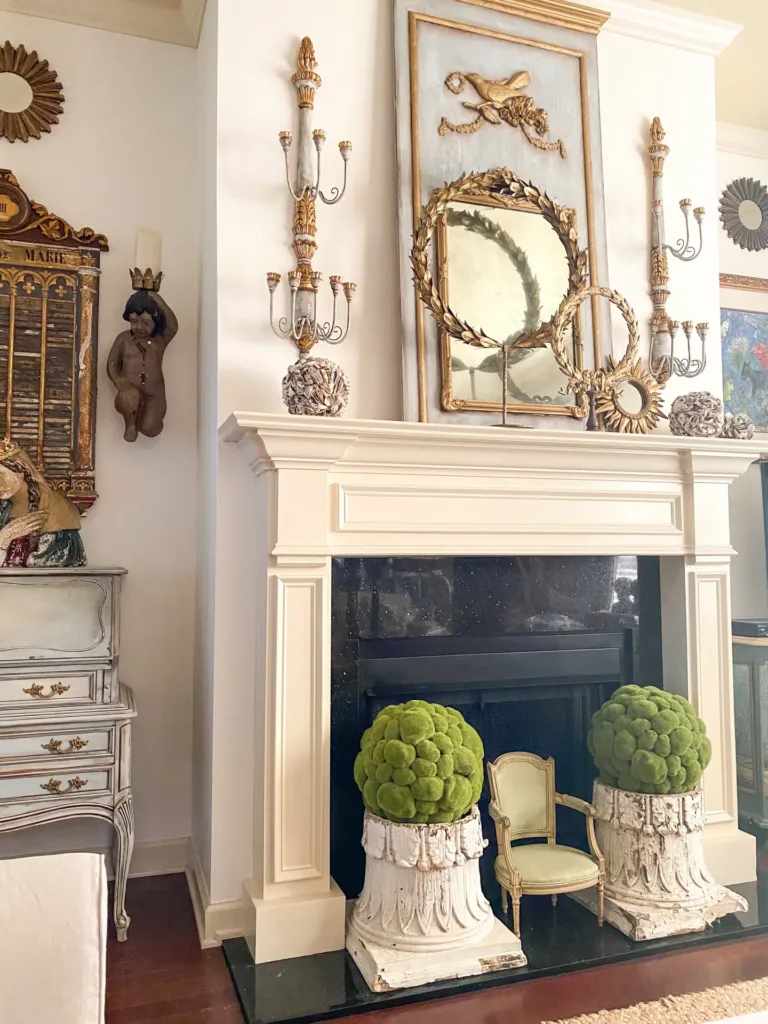
For sofa zones, wall sconces often do a better job of spreading ambient light across the wall behind or beside seating. A table lamp can still win if the sofa area needs a movable pool of light rather than a fixed wall wash.
Hallways and narrow passages
Hallways favor wall sconces because they add light without stealing floor or shelf space. They also help avoid the dark tunnel effect that happens when a single lamp sits too far from the walking path to light the walls evenly.
How placement changes the light
Placement changes the quality of ambient lighting. A good fixture can look weak if it sits too low, too high, or too close to eye level, while a modest fixture can work well if it is aimed at the right surface and paired with the right bulb.
Mounting height and wall-level light
For good ambient light, a wall sconce should generally sit about 60 to 66 inches from the floor to the center of the fixture in many living areas, and roughly 18 to 24 inches above the mattress or headboard when used beside a bed. That keeps the bulb out of direct view from seated positions while still washing the wall evenly. If the fixture is above a bed or beside a hallway mirror, the target is even wall-level light, not a spotlight effect.
Shade shape and bulb visibility
A deeper shade usually hides the bulb better, which softens the light and lowers glare risk. A bare or partly open fixture gives more direct output, but it can also create a bright point that works against ambient lighting.
Why eye-level glare happens
Eye-level glare happens when the bulb sits in the same sight line as the seated or standing viewer. That is one of the most common failures with wall sconces, especially in bedrooms, where a fixture placed too low can feel harsher than a small table lamp.
Bulbs, holders, and dimming
Bulb choice matters as much as fixture type. For soft ambient lighting, a warm bulb is usually better than a cool one, and the holder must match the bulb before anything else matters.
E27 standard holder and bulb compatibility
Some wall sconces use an E27 standard holder, so replacement bulb compatibility is straightforward if you already have the right bulb shape and base. If you are comparing fixtures, check whether the bulb is included and confirm the holder type in the listing for your model.
Bulb not included: what to check
Bulb not included means the fixture alone does not tell you how it will look in the room. Check the holder, shade opening, and whether the bulb profile will stick out past the shade edge, because that can change both glare and the softness of the ambient light.
Dimmable wall lamp and soft output
A dimmable wall lamp gives you more control at night and can move from accent-like glow to room-filling ambient light with the same fixture. That flexibility is useful in bedrooms and living rooms where one brightness level rarely works all day.
Warm bulb choice for ambient lighting
Warm bulbs usually create a cozier mood and work well with both sconces and table lamps. If your goal is ambient light rather than task lighting, use a bulb that stays comfortable to look at across the room and does not make the fixture feel clinical.
Wall sconce ambient light decision matrix
This matrix gives the room-by-room answer. It uses six common scenarios and weighs the factors that change the result: ambient spread, glare risk, surface space used, installation effort, and flexibility.
| Room scenario | Ambient spread | Glare risk | Surface space used | Installation effort | Flexibility | Winner |
|---|---|---|---|---|---|---|
| Bedroom bedside | Wall Sconce | Wall Sconce | Wall Sconce | Table Lamp | Table Lamp | Wall Sconce |
| Living room sofa zone | Wall Sconce | Tie | Wall Sconce | Table Lamp | Table Lamp | Wall Sconce |
| Hallway | Wall Sconce | Wall Sconce | Wall Sconce | Table Lamp | Wall Sconce | Wall Sconce |
| Rental apartment | Table Lamp | Tie | Table Lamp | Table Lamp | Table Lamp | Table Lamp |
| Reading nook | Table Lamp | Tie | Wall Sconce | Table Lamp | Table Lamp | Table Lamp |
| Small nightstand | Wall Sconce | Wall Sconce | Wall Sconce | Table Lamp | Wall Sconce | Wall Sconce |
Bedroom bedside
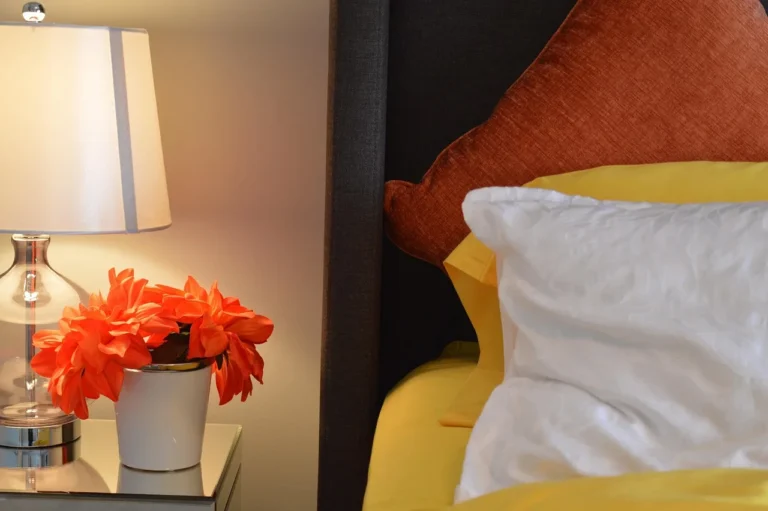
Wall Sconce wins because bedside ambient lighting should stay soft, controlled, and off the surface if the nightstand is small. A table lamp fails here when the base crowds books, water, or a phone charger, and it can also create glare if the shade sits too low.
Living room sofa zone
Wall Sconce wins because a sofa zone benefits from wall-level light that shapes the seating area without using up a side table. A table lamp is still useful if you need portability, but it can leave the wall behind the sofa dark and make the room feel uneven.
Hallway
Wall Sconce wins clearly in a hallway. A table lamp has almost no practical advantage in a passage that does not offer reliable surface space, while a wall-mounted fixture can provide soft light and keep the path clear.
Rental apartment
Table Lamp wins in a rental because it avoids wired-in installation and moves with you. A wall sconce can be the better lighting solution in theory, but the mounting and electrical work often make it a poor fit when you need a reversible setup.
Reading nook
Table Lamp wins in a reading nook because you can move it closer to the chair, adjust the shade, and swap it for a different bulb or style later. A wall sconce can work, but it loses points if the chair position shifts or the wall placement does not match the reading angle. A clamp spotlight is also worth considering here because it gives adjustable, localized light without a permanent mount.
Small nightstand
Wall Sconce wins because a small nightstand should stay open, not become a lamp pedestal. A table lamp can easily turn into clutter, and that clutter is the failure case that often matters more than style in tight bedrooms.
Choose wall sconce if or table lamp
Choose Wall Sconce if you need clear bedside or hallway space, want wall-level ambient light, or need to reduce shadows across a room wall. It is also the stronger pick when the room layout is fixed and you want a dimmable, space-saving fixture that stays out of the way.
Choose Table Lamp if you want the easiest install, need to move the light from room to room, or are lighting a rental, reading nook, or flexible seating zone. It is the better fallback when wiring is not practical, when you want a quick bulb swap, or when the room needs a local glow more than a wall wash.
Say your bedroom has a 30-inch nightstand and a bed pushed close to the wall. A wall sconce keeps the surface clear and reduces glare from a bulb at eye level; a table lamp still works, but it starts to crowd the same space you want for a book and a glass of water.
Suppose your sofa sits under a blank wall in a rental apartment. A table lamp can light the seating zone today and move later, while a hardwired sconce would add better wall wash only after installation, so the portable fixture is the safer first move. A clamp spotlight can bridge the gap if you want something adjustable now and reversible later.


Frequently asked questions
Is a wall sconce better than a table lamp for ambient lighting?
Wall sconces are usually better when you want broader wall-level light, fewer shadows, and no loss of table space. Table lamps win when portability matters more than wall wash, such as in rentals, temporary layouts, or reading corners that change often.
What gives softer ambient light in a bedroom, wall sconce or table lamp?
A wall sconce often gives softer ambient light in a bedroom if it is mounted to keep the bulb out of direct view and aimed to wash the wall. A table lamp can be softer at close range, but it may crowd the nightstand and create a brighter point in the room.
How high should a wall sconce be mounted for best ambient light?
Mount it about 60 to 66 inches from the floor in many living areas, or roughly 18 to 24 inches above the mattress in bedside setups, so the source stays out of direct eye line while still washing the wall. The exact placement can vary with fixture design and ceiling height, so use the manufacturer’s instructions and check for glare before final mounting.
Can a table lamp replace a wall sconce in a small room?
Yes, if the room has a usable surface and you need a quick, reversible solution. A table lamp is often the better temporary answer in small rooms, but it cannot match a sconce for saving surface area or for lighting a wall evenly.
Do wall sconces save more space than table lamps?
Yes. Wall sconces keep the surface clear, which matters most on small nightstands, narrow hallways, and compact sofa zones. Table lamps can still fit, but their base always occupies a surface that might be needed for storage, charging, or daily use.
Are wall sconces or table lamps better for living rooms?
Wall sconces are usually better for a living room when you want layered ambient light and a cleaner layout. Table lamps are better when the seating plan changes often or when you want a moveable light source near a sofa, side chair, or desk.
What type of bulb should I use for soft ambient lighting?
Use a warm bulb that stays comfortable for evening use and does not draw too much attention to the light source itself. If the fixture uses an E27 standard holder, check compatibility first, and remember that bulb shape can change how much glare and shadow the room gets.
Products related to this article
Sponsored / affiliate links. As an Amazon Associate I earn from qualifying purchases. I may earn additional commission from eligible campaigns.