Tagine vs Tajin Key: Differences Explained
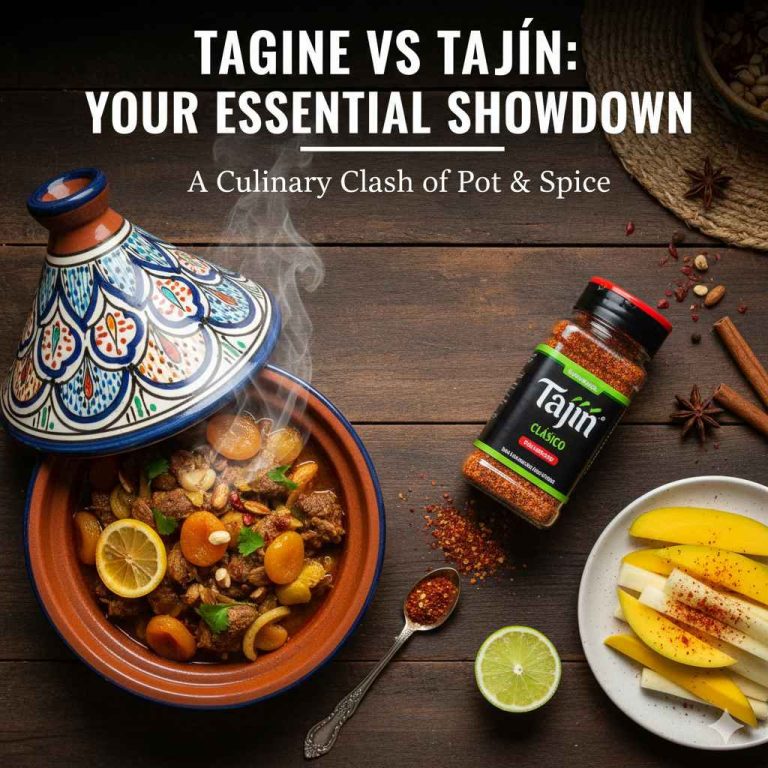
Many people get confused between tagine and tajin. They sound similar, right? This mix-up is totally common, especially when you’re new to cooking or international foods.

Primo Lines
Primo Lines 14 Red Chili Pepper Keychain…
- Spice on the Go – Carry your mini Tajin bottle everywhere in this fun chili pepper-shaped keychain holder.
- Perfect Fit – Designed to securely hold 0.35 oz mini Tajin bottles for easy access anytime.
- Bold & Fun Design – Shaped like a red chili, it adds personality to your keys, bags, or backpack.
As an Amazon Associate I earn from qualifying purchases.
But don’t worry! We’ll make Tagine vs Tajin: Key Differences Explained Clearly super simple. We’ll break it down step by step so you know exactly what each one is.
Get ready to learn the easy way.
What Is A Tagine
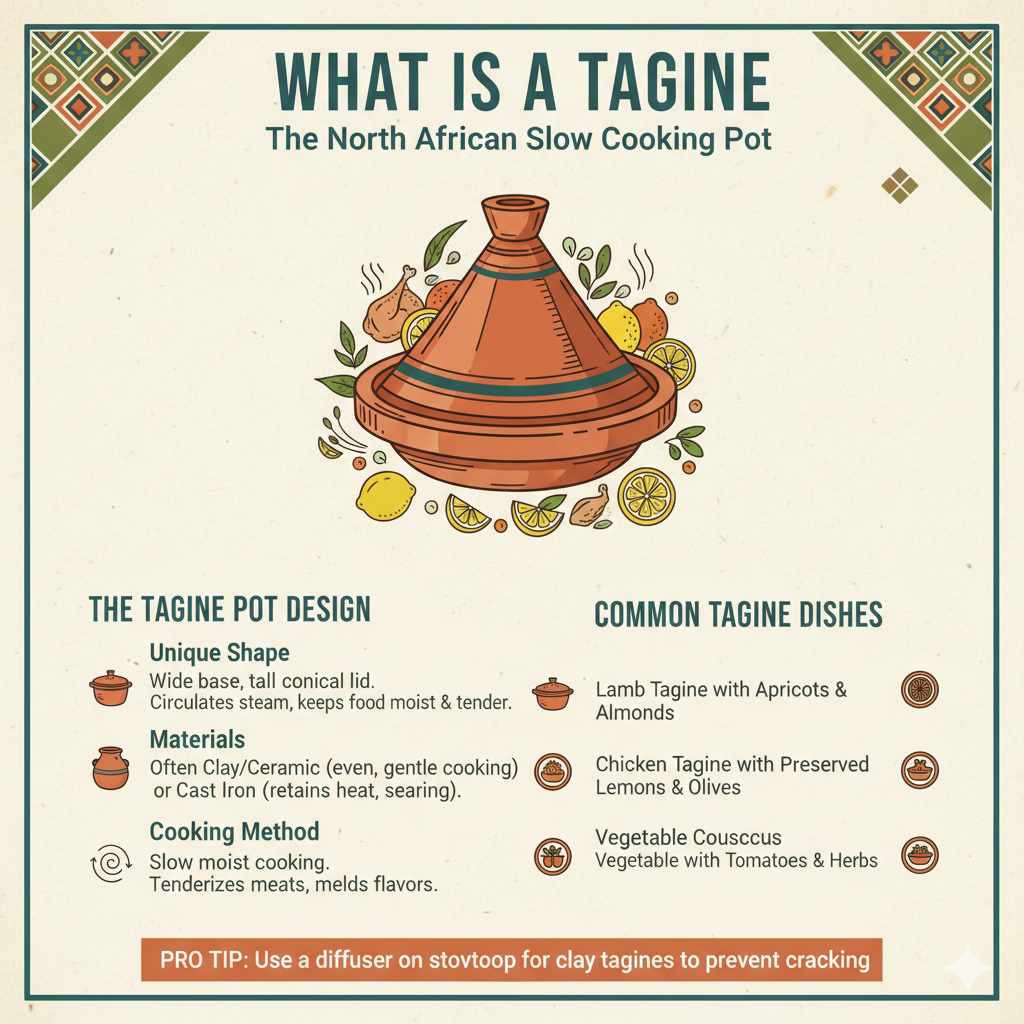
A tagine is a special type of pot used for cooking North African dishes. It has a wide base and a tall, conical lid. This shape helps steam circulate inside the pot.
It then drips back down onto the food. This keeps the food moist and tender. Tagines are often made of clay or ceramic.
Some are also made of cast iron.
The Tagine Pot Design
The unique design of a tagine pot is its most important feature. The wide bottom part is where you place your ingredients. Think meats, vegetables, spices, and liquids.
The tall, cone-shaped lid is key to its cooking method. It fits snugly onto the base, creating a closed cooking environment. As the food cooks, moisture and flavors rise.
They then condense on the cool lid. This condensation drips back down onto the food. This slow, moist cooking process tenderizes meats beautifully.
It also melds flavors together. It’s perfect for stews and braised dishes.
The materials used for tagine pots also play a role. Traditional clay and ceramic tagines are porous. They absorb heat slowly and evenly.
This prevents burning and allows for gentle cooking. Cast iron tagines, on the other hand, retain heat very well. They provide a consistent temperature.
This is great for searing and longer cooking times. Both types can usually be used on a stovetop or in an oven.
Common Tagine Dishes
- Lamb Tagine with Apricots and Almonds
- Chicken Tagine with Preserved Lemons and Olives
- Vegetable Tagine with Couscous
- Fish Tagine with Tomatoes and Herbs
These dishes highlight the versatility of the tagine pot. The slow cooking method allows tough cuts of meat to become incredibly tender. The flavors of spices, fruits, and vegetables infuse deeply.
This creates rich and aromatic meals. Many recipes call for dried fruits like apricots, prunes, or raisins. Nuts such as almonds or pistachios are also common.
They add texture and sweetness. Fresh herbs like cilantro and parsley are often added at the end.
Cooking Methods With A Tagine
Cooking with a tagine is all about slow and gentle heat. You typically start by browning your ingredients in the base. This might be meat or vegetables.
Then, you add your liquid, spices, and any other flavorings. The lid is placed on top, and the heat is turned down low. You let it simmer for a long time.
This can be anywhere from one to several hours. The goal is to let the flavors develop and the ingredients become very tender. It’s a forgiving cooking method.
Even if you leave it a little longer, it usually turns out great.
Some modern tagines are designed for induction cooktops. Others are oven-safe. Always check the manufacturer’s instructions for your specific tagine.
The key is consistent, low heat. This allows the steam to do its work. It’s a very hands-off way to cook.
Once everything is in the pot, you can relax. The tagine does the rest. It’s a wonderful way to create hearty, flavorful meals.
Tagine Cooking Benefits
- Moisture Retention The conical lid traps steam, keeping food juicy.
- Flavor Infusion Slow cooking allows spices and ingredients to meld perfectly.
- Tenderization Tougher cuts of meat become incredibly soft.
- Energy Efficiency Slow cooking often uses less energy over time.
The ability of a tagine to retain moisture is a significant advantage. This means less water or broth needs to be added. The natural juices from the ingredients are enough.
This concentrates the flavors. It makes the final dish taste richer. Tenderization is another major plus.
Cuts of meat that might be tough otherwise become melt-in-your-mouth delicious. This makes it an economical way to cook. You can use less expensive meat and still get amazing results.
The slow cooking also means you can prepare meals ahead of time. The flavors often improve as they sit.
Examples Of Tagine Dishes
Imagine a rich lamb tagine. Chunks of lamb shoulder are slow-cooked with sweet apricots. They’re seasoned with warm spices like cinnamon and ginger.
Toasted almonds are sprinkled on top. The aroma fills the kitchen. The lamb is so tender it falls apart with a fork.
This is a classic example of what a tagine can create.
Another example is a vibrant chicken tagine. Chicken pieces are simmered with tangy preserved lemons. Salty olives add another layer of flavor.
Saffron and turmeric give it a beautiful golden hue. Fresh cilantro is stirred in at the end for brightness. It’s often served over fluffy couscous.
This dish is a perfect balance of savory, sour, and aromatic notes.
What Is Tajin
Tajin is a popular Mexican seasoning blend. It’s made from chili peppers, lime, and salt. It has a distinctive tangy and slightly spicy flavor.
People use it to add a kick to many foods. It’s not a cooking pot. It’s a spice mix that you sprinkle on.
Tajin is great for fruits, vegetables, and even drinks.
The Tajin Seasoning Blend
The magic of Tajin lies in its simple yet powerful combination of ingredients. The base is typically made from three types of chili peppers: ancho, guajillo, and árbol. These peppers are dried and ground.
They provide a mild to moderate heat. The spiciness is not overwhelming. It’s more of a pleasant warmth.
This makes it accessible to most people. It’s balanced by the bright, zesty flavor of dehydrated lime. This citrusy note cuts through richness.
It adds a refreshing tang. Finally, a touch of salt enhances all the flavors. It brings out the natural sweetness of fruits and the earthiness of vegetables.
The proportions of these ingredients are key to Tajin’s success. The blend is carefully balanced. It’s not too salty, not too spicy, and not too sour.
It’s just right. This balance is why it works so well on so many different foods. It complements rather than overpowers.
The seasoning is finely ground. This allows it to stick to moist surfaces easily. This is why it’s so popular on fruits and vegetables.
Common Uses For Tajin
- Sprinkled on fresh fruit like mango, watermelon, and pineapple.
- Added to vegetables such as cucumber, corn on the cob, and jicama.
- Used to rim glasses for cocktails and mocktails.
- A flavor enhancer for chips and snacks.
- A secret ingredient in some savory dishes.
The versatility of Tajin is its biggest strength. You can transform a simple slice of fruit into an exciting snack. The combination of sweet fruit and the tangy, spicy Tajin is addictive.
It’s a flavor explosion. For vegetables, it adds a refreshing zing. It makes healthy snacks more appealing.
Imagine a bowl of sliced cucumber. A sprinkle of Tajin makes it a refreshing treat on a hot day. Even plain tortilla chips can become more interesting with a dusting of this seasoning.
Beyond fruits and vegetables, Tajin has found its way into drinks. Rimmed glasses for margaritas or micheladas are a classic. The salty, spicy rim perfectly complements the drink.
It adds an extra dimension of flavor. Some chefs even use it in marinades or rubs for meats and seafood. It adds a subtle complexity and heat.
The Flavor Profile Of Tajin
The flavor of Tajin is distinct and addictive. It hits multiple taste buds at once. You get the initial mild heat from the chili peppers.
This is followed by a bright, sharp tang from the lime. The salt rounds everything out. It’s a savory, tangy, and slightly spicy experience.
It’s a flavor that awakens the palate.
It’s not intensely spicy. The heat is generally mild. This means it can be enjoyed by a wide range of people.
The lime element is very prominent. It provides a refreshing contrast to sweet or rich foods. Think of it as a flavor enhancer.
It takes ordinary foods and makes them extraordinary. It’s the perfect combination for those who enjoy a little zing in their food. It’s a pantry staple for many who love Mexican flavors.
Comparing Tajin To Other Seasonings
Tajin is quite unique. Unlike a simple chili powder, it has the added lime and salt. This makes it more complex.
It’s not just heat; it’s a balanced flavor profile. Compared to something like Italian seasoning, which is herbaceous, Tajin is all about spice and citrus. It offers a completely different taste sensation.
It fills a specific niche for a bright, zesty heat.
Its ability to pair well with both sweet and savory items sets it apart. Many spicy seasonings are primarily for savory dishes. Tajin bridges that gap beautifully.
It’s a simple seasoning, but its impact is significant. It’s a testament to how a few well-chosen ingredients can create something so universally loved. It’s more than just salt and chili; it’s a flavor experience.
How Tajin Is Made
The process of making Tajin is quite straightforward. The key is to use high-quality dried chili peppers. These are typically ancho, guajillo, and árbol chilies.
They are carefully selected for their flavor and heat levels. These dried chilies are then ground into a fine powder. This creates the base of the seasoning.
Next, dehydrated lime juice is added. This provides the characteristic tangy flavor. It’s important that the lime is fully dehydrated to prevent clumping.
Finally, salt is incorporated. The salt acts as a flavor enhancer and a preservative. The ingredients are mixed thoroughly.
This ensures an even distribution of flavors. The fine powder consistency is achieved through grinding. This ensures it adheres well to food.
Some brands might have slight variations in their ingredient ratios. This can lead to subtle differences in taste. However, the core components remain the same.
The focus is on achieving that signature balance of chili, lime, and salt. The result is a versatile seasoning that brings a burst of flavor to any dish.
Tajin vs Chili Powder
Chili powder is a broad term. It can refer to many different blends. Often, it’s a mix of ground chili peppers with other spices like cumin, oregano, and garlic powder.
It can vary greatly in heat and flavor profile depending on the region and brand.
Tajin, on the other hand, is very specific. It’s a consistent blend of chili peppers, lime, and salt. It does not typically contain other spices like cumin or oregano.
The lime is a defining characteristic of Tajin. This makes it much brighter and tangier than most standard chili powders. While both offer heat, Tajin offers a more complex, zesty, and slightly salty experience that is perfect for fruits and snacks.
Key Differences Summarized
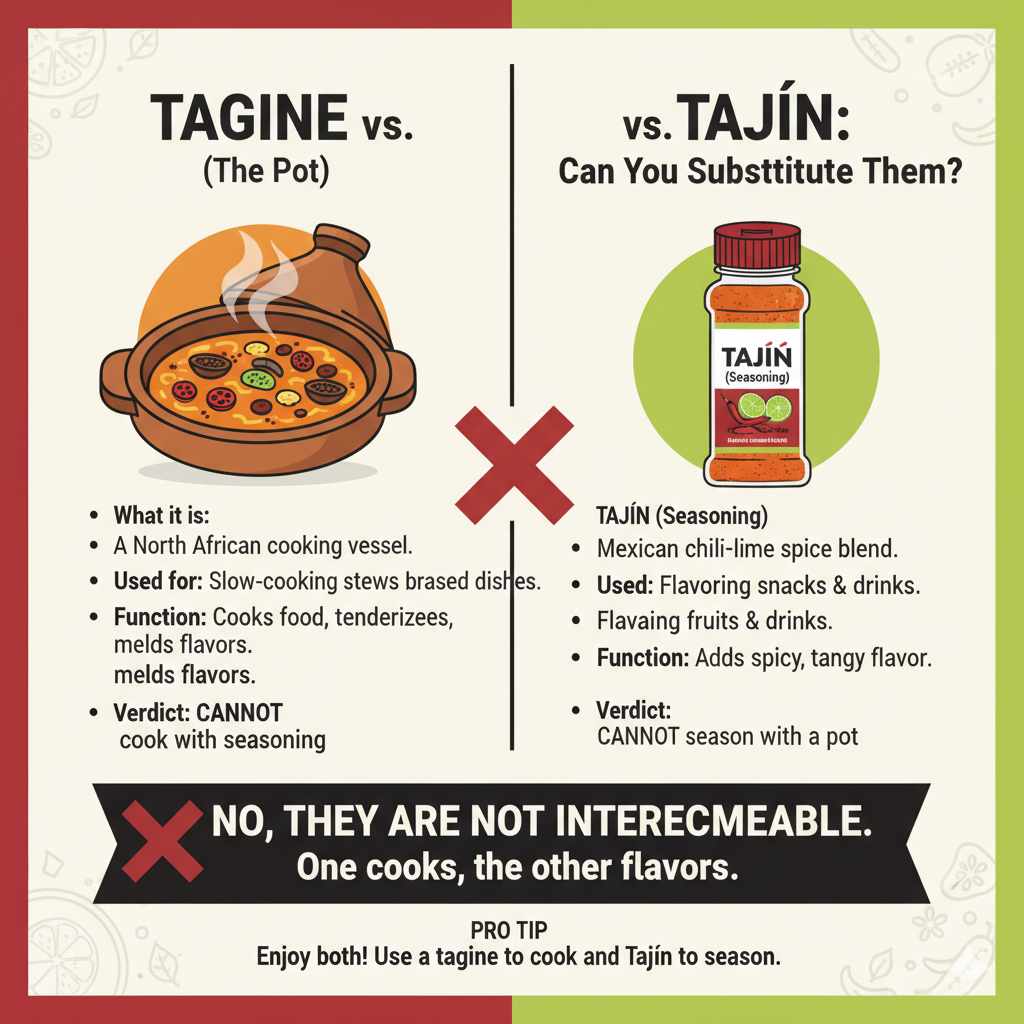
The main thing to remember is that a tagine is a cooking vessel. It’s a pot used to make slow-cooked meals. Tajin is a seasoning blend.
It’s a mixture of spices you sprinkle on food. They are entirely different things, though they sound alike.
Think of it this way: you use a tagine pot to cook a delicious lamb stew. You might then sprinkle some Tajin seasoning on a piece of pineapple for dessert. One is the kitchen tool, and the other is the flavor enhancer.
Understanding this distinction is the first step to appreciating both.
Material and Function
A tagine pot is made from materials like ceramic, clay, or cast iron. Its purpose is to cook food using slow, moist heat. The design of the pot itself is functional.
It traps steam and circulates it back into the food. This process tenderizes and flavors ingredients over long periods. It’s a hands-on cooking tool that requires time and heat.
Tajin, however, is a dry powder. It’s made from chili peppers, lime, and salt. Its function is to add flavor and a bit of spice to food.
You don’t cook with Tajin in the same way. You add it as a finishing touch. It’s a quick way to boost the taste of fruits, vegetables, and other items.
Its role is purely for seasoning, not for the cooking process itself.
Visual Distinction
Visually, the difference is stark. A tagine is a large, often decorative pot with a distinctive conical lid. It sits on a stove or in an oven.
It’s a substantial piece of cookware. You can see its shape and materials clearly.
Tajin comes in a small shaker bottle or bag. It’s a powdery reddish-orange seasoning. You can see the fine granules of spice.
It’s something you shake or sprinkle onto food. The visual contrast is immediate. One is a kitchen appliance, the other is a spice.
Culinary Application
The culinary applications are also vastly different. Tagine pots are used for specific types of dishes. These are slow-cooked stews and braises, often from Moroccan or North African cuisine.
The cooking method defines the result: tender meats, melded spices, and rich sauces. It’s about building deep flavors over time.
Tajin is used as a condiment or seasoning. It’s applied directly to finished dishes or snacks. It provides a bright, tangy, and slightly spicy counterpoint.
It’s ideal for adding zest to raw fruits and vegetables. It can also add a twist to drinks or simple snacks. Its application is immediate and focused on enhancing existing flavors.
Origin Of The Terms
The word “tagine” comes from Arabic. It refers to the earthenware pot itself and the stew cooked in it. The name is directly tied to the cooking vessel and the dish it produces.
The name “Tajín” is derived from the name of an ancient Totonac ruler. The brand Tajín chose this name for their popular seasoning blend. The word itself has historical roots in Mexico.
This highlights the distinct cultural origins of each item. One relates to North African culinary tradition, the other to Mexican flavors.
A Simple Comparison Table
To make it even clearer, here is a simple table summarizing the differences.
| Feature | Tagine | Tajin |
|---|---|---|
| Type | Cooking Pot | Seasoning Blend |
| Origin | North Africa (Morocco) | Mexico |
| Main Ingredients/Material | Clay, Ceramic, Cast Iron | Chili Peppers, Lime, Salt |
| Primary Use | Slow Cooking, Stews, Braises | Seasoning, Topping, Flavoring |
| Flavor/Texture | Rich, Tender, Moist | Tangy, Spicy, Salty |
This table should help you quickly see the fundamental differences. One is a tool for cooking, the other is a spice for flavoring. They serve very different purposes in the kitchen.
When To Use Each
You would use a tagine pot when you plan to make a slow-cooked stew. If you want to tenderize meat over several hours. If you are aiming for deeply infused flavors in a Moroccan dish.
Then, a tagine pot is what you need.
You would use Tajin when you have a fresh fruit that needs a little zest. If you want to add a kick to your corn on the cob. If you are making a cocktail and want a spicy rim.
Then, Tajin is the perfect choice. It’s for adding immediate flavor to ready-to-eat items.
Can You Substitute
No, you cannot substitute a tagine pot for Tajin seasoning, or vice versa. They are completely different items. A pot cannot flavor food, and a seasoning cannot cook food.
Trying to use them interchangeably would not work at all. You would end up with an uncooked mess if you tried to “cook” with Tajin. If you tried to “season” a stew with a tagine pot, you would just have an empty pot!
The confusion is purely phonetic. The culinary roles are distinct. Always ensure you have the correct item for your recipe or snack preparation.
Having both in your kitchen can open up a world of delicious possibilities.
Frequently Asked Questions
Question: Is a tagine a dish or a pot
Answer: A tagine is both. It refers to the conical-lidded cooking pot and also the stew or dish cooked in that pot.
Question: Can I use Tajin to cook
Answer: No, Tajin is a seasoning blend, not a cooking ingredient. You sprinkle it on food after it’s cooked or on raw items.
Question: What kind of food is cooked in a tagine
Answer: Tagine pots are used for slow-cooked stews and braised dishes. They often feature meats like lamb or chicken with vegetables, fruits, and spices.
Question: Is Tajin very spicy
Answer: Tajin is generally mild to moderately spicy. It has a balanced flavor with chili, lime, and salt, making it enjoyable for most people.
Question: Where do tagines and Tajin come from
Answer: Tagines originate from North Africa, particularly Morocco. Tajin seasoning originates from Mexico.
Summary
Tagine and Tajin sound similar but are totally different. A tagine is a North African cooking pot for slow-cooked meals. Tajin is a Mexican seasoning blend with chili, lime, and salt.
One cooks, the other flavors. Knowing the difference helps you cook and snack better.
Related pick: Check today's price on Amazon
Products related to this article
Sponsored / affiliate links. As an Amazon Associate I earn from qualifying purchases. I may earn additional commission from eligible campaigns.