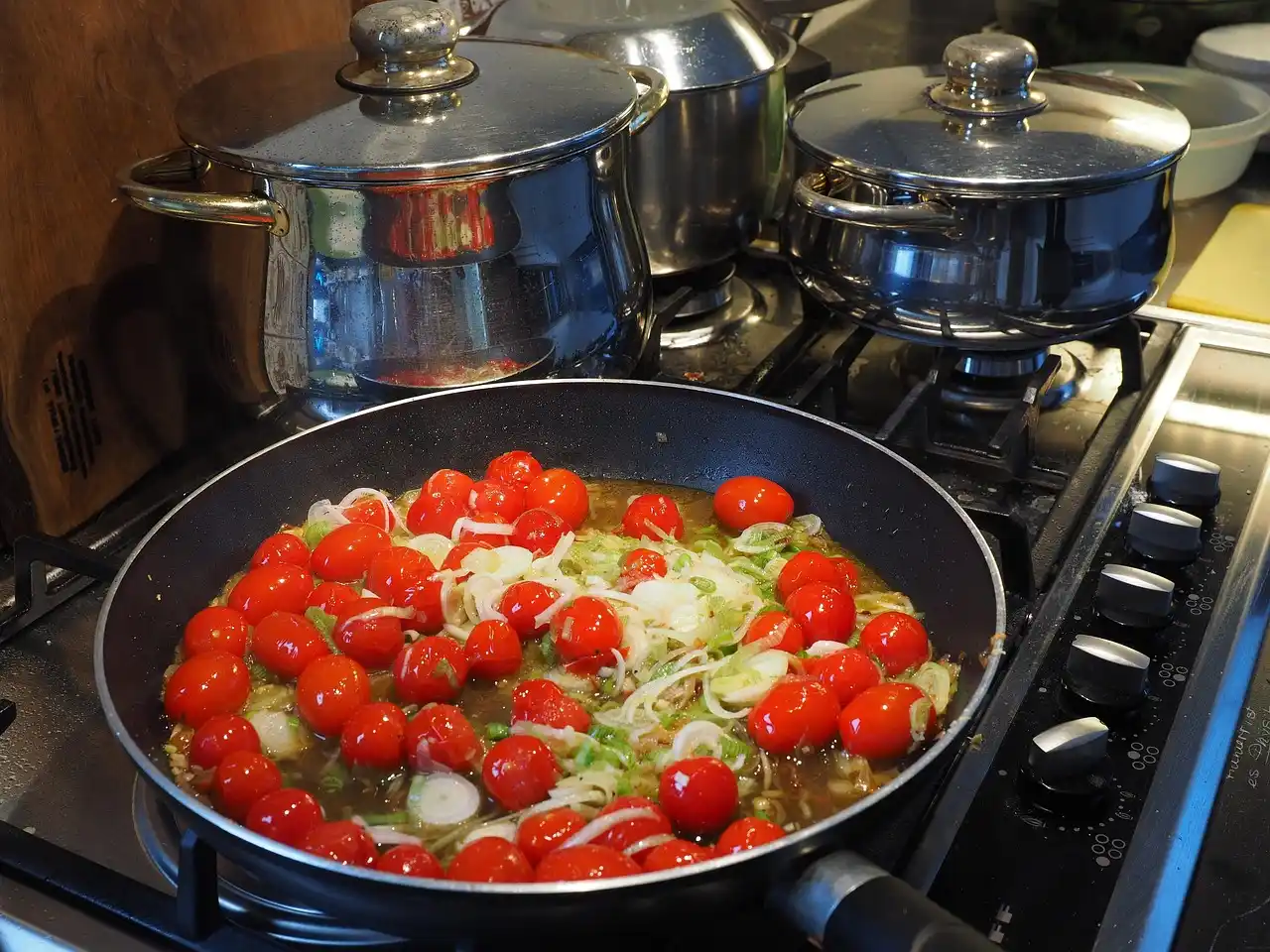
Sauté Pan Size Chart for Home Kitchens
For many home kitchens, a 12-inch sauté pan, often about 5.5 to 6 quarts, is a good all-purpose size; 10 inches is often enough for 1–2 people, and 14 inches is worth considering only if the burner can heat it evenly. Pick the wrong size and you get crowded food, weaker browning, and wasted burner power. This sauté pan size chart for home kitchens matches pan diameter, capacity, burner fit, and common cooking tasks.
What is a sauté pan?
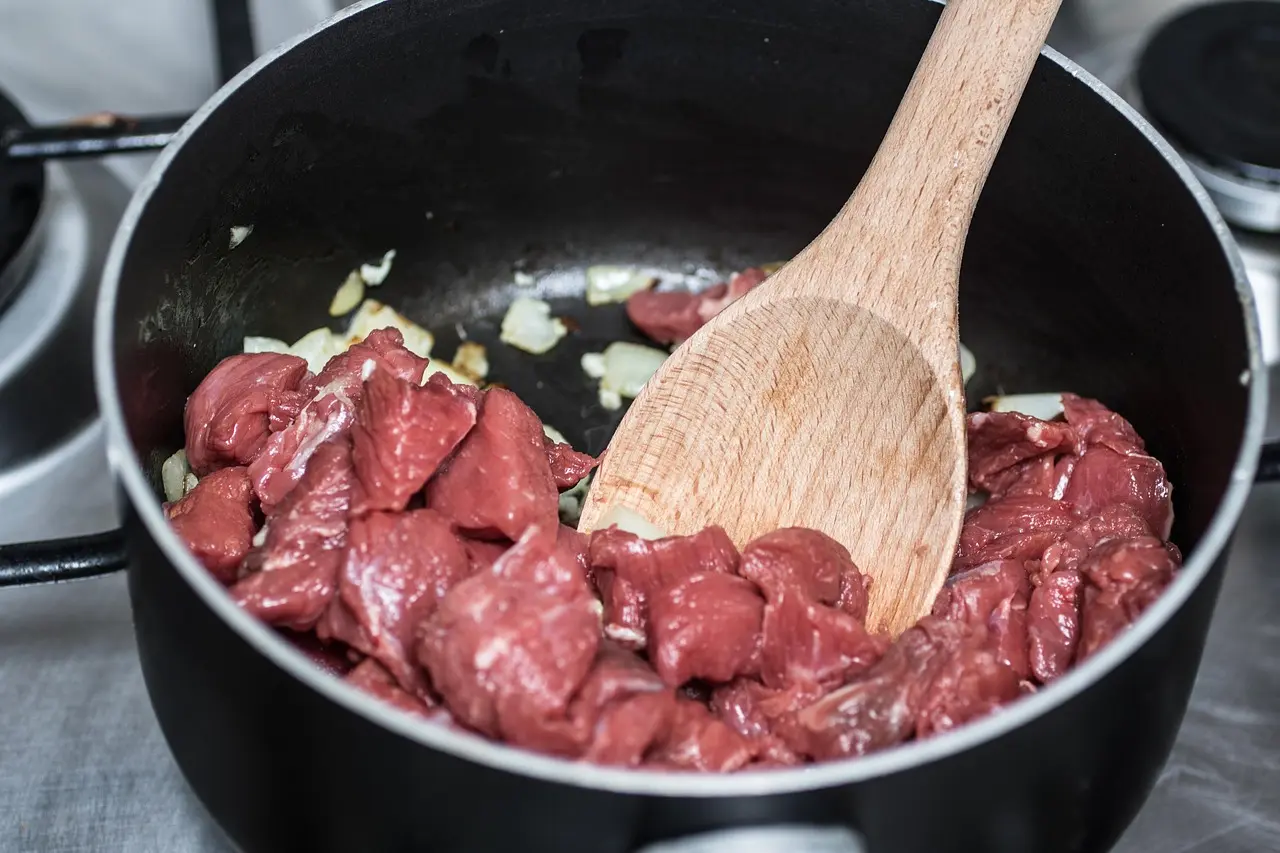
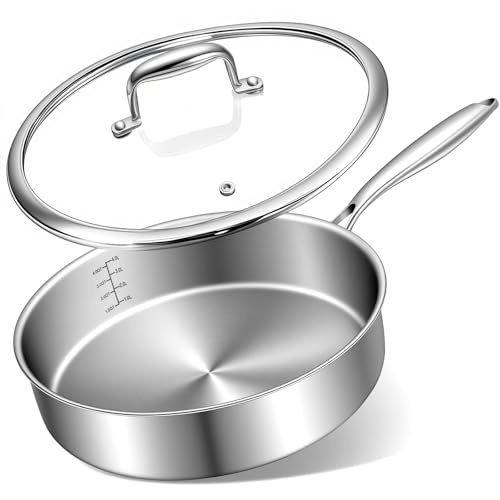

A sauté pan has a flat base and straight sides that rise high enough to hold sauce, vegetables, and shallow braises without spilling as easily as a skillet. Those vertical walls give you more room for liquid, less splatter, and better control for one-pan meals. Compared with a saucepan, it gives you a wider cooking surface, so food browns more evenly.
The lid matters because it holds steam inside the pan for braising and keeps sauce from spraying across the stove. A helper handle is common on larger pans, and it gives you a second grip when the pan is full of food, liquid, or both.
How it differs from a skillet, frying pan, and saucepan
A skillet or frying pan usually has sloped sides, so it releases steam faster and makes flipping easier, but it gives you less wall height for liquid. A saucepan is deeper and narrower, which works better for boiling, but it does not brown food across as wide a surface. A sauté pan sits between those two jobs.
Sauté pan size chart
Diameter alone does not tell the full story. Capacity is often the better clue for batch size, while side height tells you how much room you have before sauce splashes or food piles too high. For home use, a 12-inch pan often lands in the 5.5 to 6 quart range, while smaller pans usually fit one or two servings more comfortably.
| Top diameter | Capacity | Side height | Best use case | Small-burner warning |
|---|---|---|---|---|
| 20cm / about 8-inch class | 3 qt | 5 inches | 1 person; small portions, eggs, quick vegetables | Usually a good fit for compact burners; watch for crowding if you cook more than one serving. |
| 24cm / about 10-inch class | 4 qt | about 4.5 to 5 inches | 1–2 people; cutlets, pasta sauce for a pair, small stir-fries | Works on most medium burners; on very small burners, the rim may hang past the heat zone. |
| 10-inch | 3 qt | 5 inches | 1–2 people; searing two cutlets, reducing sauce, side dishes | Safer on small and medium burners because the footprint stays manageable. |
| 11.8 inches | 5.5 qt | about 4.5 to 5 inches | 3–4 people; family meals, saucy dinners, one-pan pasta | Check burner coverage before buying; this size needs a strong, broad heat source. |
| 12-inch | 5.5 qt to 6 qt | about 4.5 to 5 inches | 3–4 people and many family meals; braises, pasta, batch vegetables | Good on standard burners, but weak small burners may leave cold edges. |
| 13.3 inches | 6 qt | about 4.5 to 5 inches | 5+ cooks; big-batch cooking, large pasta dishes, larger cuts of meat | Often too wide for a small burner; the center may heat faster than the rim. |
The table above uses capacity, not diameter alone, to show how the pan will behave on the stove. A 10-inch pan can be enough for a single cook, while a 12-inch, 5.5-quart pan is the point where most home cooks gain real flexibility for family meals.
How do you measure sauté pan size?
Measure a sauté pan across the top rim, not the base. Manufacturers usually list that top-rim diameter in inches or centimeters, and that number helps you judge burner coverage. Capacity is the better number for batch cooking, because two pans with the same diameter can hold different amounts depending on wall height and shape.
Depth changes usable volume more than many shoppers expect. A 3 qt sauté pan can have walls 5 inches tall, and larger models often sit around 4.5 to 5 inches tall. Taller straight sides let you cook more sauce without overflow and keep ingredients from spilling when you stir.
- Measure the top rim from edge to edge.
- Check the listed quart capacity, not only diameter.
- Look at side height if you cook saucy food.
- Compare the pan’s footprint with your largest burner.
- Check whether the lid, helper handle, and oven limit fit your cooking style.
What size sauté pan is best for one person?
For one person, a 20cm pan, a 10-inch pan, or about 3 quarts is usually enough. That size handles eggs, vegetables, cutlets, and simple pan sauces without a lot of wasted space. It also stays lighter, which matters if you want one-handed control at the stove.
A common first-timer mistake is buying a 12-inch pan for solo cooking and then wondering why one chicken breast sits in a lot of open space. The food still cooks, but the larger surface can make the batch feel spread out.
Tasks that fit a smaller pan
Smaller sauté pans work well for searing two cutlets, softening onions, cooking a serving of rice or orzo, and reducing a small amount of sauce. If your kitchen has a compact burner, this size also avoids the overhang that can leave the outer edge cooler than the center.
What size sauté pan is best for a family?
For family cooking, 12-inch pans and larger capacities make the most sense. A 4-quart family-size nonstick sauté pan can work well for many households, and 5.5-quart or 6-quart pans are better when you want space for pasta, saucy dinners, or multiple portions without crowding the pan.
A featured nonstick sauté pan is 13.3 inches wide and 6 quarts, which suits big-batch cooking when your burner can heat that footprint evenly.
Why helper handles matter on larger pans
Helper handles matter because a full sauté pan can be awkward to lift with one long handle alone. When the pan holds sauce, vegetables, or braising liquid, the second grip improves control and lowers the risk of tipping while you move it from stovetop to oven or sink.
How lid fit helps with braises and saucy meals
A snug-fitting lid is worth checking on larger pans. It keeps steam in the pan for braising, helps sauces reduce at a steadier pace, and cuts down on splatter. If you cook one-pan pasta or finish chicken in sauce, the lid often matters as much as the pan depth.
Which material should you choose?
Stainless steel is the stronger choice for high heat, searing, and fond development. It is often paired with an aluminum core or encapsulated base, and it usually handles metal utensils better than nonstick. Nonstick is easier to clean and better for delicate foods, but it asks for gentler tools and lower heat.
Induction compatibility depends on the base, so check the label before you buy. Oven safety also varies by model and material. Many pans list a temperature limit, and that limit matters if you finish a dish in the oven or keep food warm after searing.
Stainless steel for searing and fond
Choose stainless steel if you want fast browning, strong heat tolerance, and the ability to move from stovetop to oven more often. It is a better fit for cutlets, chops, and dishes where browned bits on the pan base become part of the sauce.
Nonstick for easy release and cleanup
Choose nonstick if cleanup and delicate release matter more than aggressive searing. It is useful for eggs, fish, and family-friendly weeknight meals. Just keep heat moderate and use tools that will not scrape the coating.
How should you match size to cooking tasks?
Match the pan to the job, not only to the household count. Searing needs enough open area for browning, sauce reduction needs side height, and one-pan pasta needs capacity plus a lid. A pan that is too small causes steam to crowd the food; a pan that is too large can waste heat on a small burner.
Searing cutlets and chops
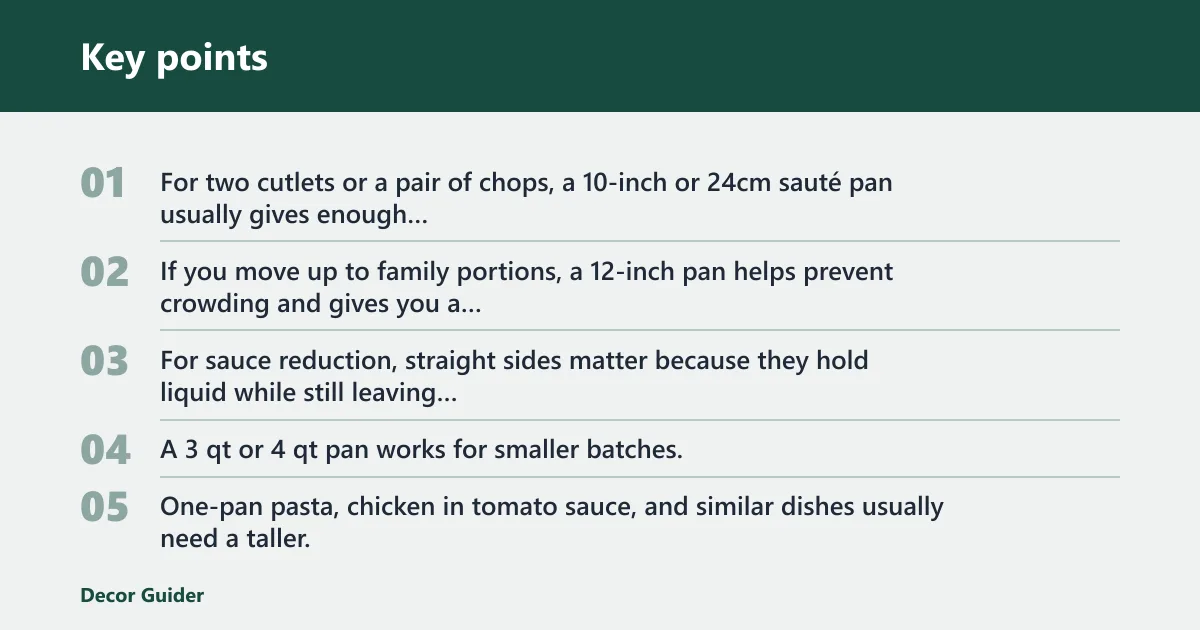
For two cutlets or a pair of chops, a 10-inch or 24cm sauté pan usually gives enough contact area without wasting burner power. If you move up to family portions, a 12-inch pan helps prevent crowding and gives you a cleaner sear.
Reducing sauce and simmering
For sauce reduction, straight sides matter because they hold liquid while still leaving enough exposed surface for evaporation. A 3 qt or 4 qt pan works for smaller batches, while a 5.5-quart or 6-quart pan is better when you are cooking for several people and need room to stir.
One-pan pasta and saucy dinners
One-pan pasta, chicken in tomato sauce, and similar dishes usually need a taller, wider pan than a skillet. If you are cooking for 3–4 people, a 12-inch, 5.5-quart pan is a practical middle ground. For 5+ people, a 6-quart pan gives more room, but only if your burner can support it.
Picture a 10-inch pan on a small apartment burner with two chicken breasts and a quick pan sauce. The food browns well, the sauce reduces without spilling, and cleanup stays manageable. Now picture the same burner under a 13.3-inch, 6-quart pan; the center heats faster than the rim, and the outer edge lags behind.
Frequently asked questions
Saute pan vs saucepan
A sauté pan has straight, relatively tall sides and a wide cooking surface, which makes it better for browning and for dishes that start on the stovetop and finish with sauce. A saucepan is deeper and narrower, so it is better for boiling, simmering liquids, and cooking smaller volumes of soup or grains.
Skillet vs saute pan
A skillet usually has sloped sides that make turning food easier and speed evaporation. A sauté pan’s straight sides hold more liquid and cut down on splatter. If you cook dry foods and quick flips, a skillet works well. If you cook saucy meals or shallow braises, a sauté pan is the better fit.
Sauce pan vs saute pan
A saucepan is the deeper choice for liquid-heavy cooking. A sauté pan is wider and better for browning, reducing, and cooking food in a shallow layer. If your meals often start with searing and end with a lid, the sauté pan is usually the more flexible buy.
Saute pan vs frying pan
A frying pan is built for fast surface cooking and easy turning. A sauté pan gives you more wall height, which helps with sauces, vegetables, and mixed dishes. For a one-pan pasta or a chicken-and-vegetable dinner, the sauté pan is usually more useful than a frying pan.
What size saute pan is best for family cooking
For family cooking, a 12-inch pan in the 5.5-quart to 6-quart range is the most useful general choice. It gives you room for multiple portions, saucy meals, and one-pan pasta. If your burner is small, check that the pan does not overhang too far past the heat source.
Products related to this article
Sponsored / affiliate links. As an Amazon Associate I earn from qualifying purchases. I may earn additional commission from eligible campaigns.