How to Repair Broken Dovetail Joints on an Old Drawer
Repair a broken dovetail drawer by matching the fix to the damage: tighten loose joints with glue and clamping, patch minor chips with wood filler or a thin shim, and rebuild the corner when wood loss or crushing is more than about 1/8 inch. If you ignore the failure mode, the drawer can rack, stick, or split again under normal use. This guide shows how to identify loose, split, crushed, and missing dovetail corners and choose the right repair for each.
What you’ll need
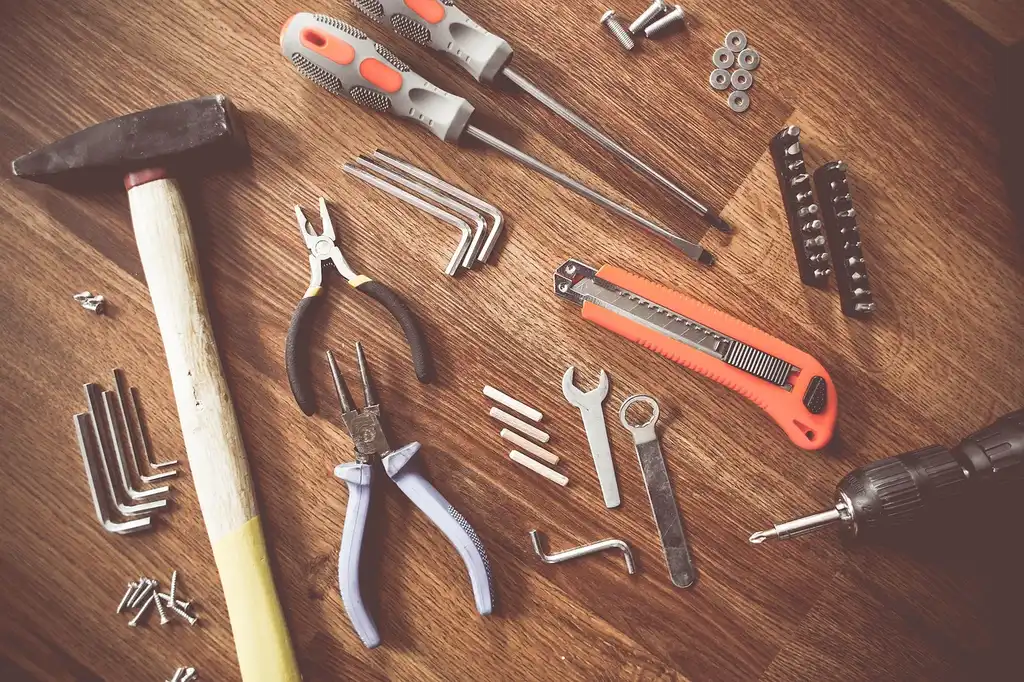


- Sharp chisel
- Putty knife or thin scraper
- Small saw for trimming patch stock
- Clamps that reach the drawer corner
- Square or framing square
- Bar clamp pads or scrap wood cauls
- Hide glue, PVA wood glue, or epoxy
- Matching wood for patches or shims
- Small dowels, glue blocks, or loose tenons for reinforcement
- Sandpaper for blend-out after the repair
- Steam source or hot water for hide-glue cleanup
- Scraper and chisel for cured PVA or epoxy removal
Tools and materials by repair type
- Loose glue line: chisel, scraper, square, clamps, hide glue or PVA wood glue
- Split tail: chisel, small saw, matching patch stock, clamps, glue blocks or dowels
- Crushed socket: chisel, scraper, matching wood patch, clamps, epoxy for gap-filling where needed
- Missing corner chunk: patch stock, saw, chisel, clamps, epoxy or glue, sandpaper for blend-out
- Historic hide-glue repair: steam source or hot water, scraper, chisel, clamps
How do you tell what failed?
Start by looking at the joint, not the gap. A dovetail joint uses interlocking angled pins and tails at the drawer corners, and it can fail from glue failure, wood failure, or design failure. The repair changes with the failure type, so the visible damage tells you whether to reglue, patch, reinforce, or replace.
What is the first triage for a broken dovetail drawer?
Use a four-step diagnosis: if the joint is only loose with intact wood, reglue it; if the wood is split, patch and reinforce it; if the socket is crushed, rebuild the damaged area before clamping; and if wood is missing, install a patch or replace the part when the loss is too large. That keeps the fix matched to the failure.
Loose glue line: intact wood, failed bond
If you see adhesive residue on both faces and the wood fibers still look intact, the bond failed rather than the wood. That usually means the drawer corner can be reglued after cleanup. Old glue does not bond to new glue, so fresh adhesive needs bare wood.
What repair should you use for a loose glue line?
Clean the joint to bare wood and reglue only if the pins and tails are still sound. Hide glue is reversible with heat and moisture, which is why it is often favored on older furniture; PVA can work on clean wood but does not reliably bond over old residue. Use clamps to hold the corner square while curing.
Wood failure: split tails or crushed sockets
Split tails, torn fibers, or a crushed pin socket point to wood failure. The corner may still fit, but the bearing surfaces are damaged. A simple glue job often fails here because there is too little clean wood left to hold pressure.
What repair should you use for split tails or a crushed socket?
Patch the damaged wood before you think about final assembly. A split tail usually needs a glued repair piece plus reinforcement, while a crushed socket often needs a rebuilt bearing edge so the joint can seat squarely. Epoxy is useful when the gap will not close tightly because it can fill voids better than standard wood glue, but it still needs sound surfaces and careful cleanup.
Design failure: a joint that needs reinforcement
If the drawer side keeps racking out of square, the joint may be mechanically insufficient. That is a design failure. Glue alone may hold for a while, but the corner needs added strength from dowels, glue blocks, or loose tenons.
What repair should you use when the drawer keeps going out of square?
Square the drawer first, then reinforce the corner so it stays that way. If the failure is tied to racking, the repair should support the whole corner rather than only sealing the glue line. Recheck diagonals after clamping, and inspect the related drawer front and side fit if the drawer binds in the case.
Which dovetail repair should you use?
| Failure type | Visible symptoms | Best repair method | Red-flag replacement threshold |
|---|---|---|---|
| Loose glue line | Gap opens, residue on both faces, no major fiber tear | Scrape to bare wood and reglue with PVA or hide glue | Replace if the side is warped or the corner will not stay square |
| Split tail | Tail is cracked through or flares apart | Clean, patch the split, then reinforce with a glue block or dowel | Replace if the split runs deep into the drawer side |
| Crushed socket | Socket walls are compressed or powdered | Rebuild the crushed area with a patch, then bond and clamp square | Replace if the socket is too enlarged to hold a fit |
| Missing corner chunk | Breakout leaves open voids at the corner | Install a Dutchman patch matched to grain direction | Replace if missing wood extends through most of the drawer side |
| Drawer side racked out of square | Corner closes unevenly and the drawer binds in the case | Square the drawer, reinforce the joint, then recheck diagonals | Replace if the side cannot hold square after dry-fit correction |
| Historic hide-glue failure | Old amber glue line, brittle residue, easy separation with heat or moisture | Soften with steam or hot water, remove all residue, then reglue | Replace if the joint has both glue failure and major wood loss |
Can you glue a loose dovetail joint back together?
Yes, if the wood is still sound and the loose joint shows glue failure rather than broken fibers. Clean the old adhesive to bare wood, dry-fit the corner, and clamp it square during cure. If the drawer corner closes without forcing and the fibers are intact, glue is often enough.
- Disassemble the corner just enough to open the failed line.
- Scrape hardened glue with a sharp chisel, keeping the dovetail geometry intact.
- Use steam or hot water if the joint has hide glue; use scraping and careful mechanical removal for cured PVA residue.
- Dry-fit the corner and check both diagonals so the drawer side stays square to the front.
- Apply fresh glue to clean, bare wood.
- Clamp across the joint, not along one side only. Use pads or scrap wood cauls, and place one clamp near the top edge and one near the bottom edge if the drawer is large enough.
- Recheck square before the glue sets.
How to clamp a drawer corner without twisting it
Clamp across the joint, not along one side only. Put one clamp near the top edge and one near the bottom edge if the drawer is large enough, and use cauls or scrap blocks to spread pressure. Tighten until the joint closes; do not bow the drawer side.
A common first-timer mistake is over-tightening one clamp until the corner twists. That can leave the drawer skewed even when the glue line looks tight. Check the front and side with a square after each half-turn of the clamp handle.
When should you rebuild the corner instead of regluing?
Rebuild the corner when wood is missing, crushed, or split beyond what glue can bridge. A loose glue line is a reglue job. A missing corner chunk, a split tail, or a crushed socket usually needs patching first, then bonding, and sometimes reinforcement after that.
- Remove old adhesive completely before any new glue goes in.
- If the break is clean and rail-like, consider a scarf joint on the repair piece; use about an 8:1 angle or longer.
- Patch missing wood with a Dutchman patch matched to grain direction when breakout is visible.
- Dry-fit the patch, then trim until the corner closes without forcing.
- Use epoxy when fibers are missing and the gap will not close tightly; it fills gaps better than standard wood glue.
- Add dowels, glue blocks, or loose tenons if the original joint was mechanically weak.
Industry woodworking references commonly treat an 8:1 scarf as a practical minimum for a strong long-grain repair, and they also note that once damage approaches roughly 1/8 inch of missing or crushed material, a rebuild or patch is usually more reliable than glue alone. Epoxy is often selected for that kind of void because it can bridge gaps that PVA cannot.
Should you reinforce a repaired dovetail joint with screws or dowels?
Use dowels, glue blocks, or loose tenons before screws. Dowels can reinforce weak joints without telegraphing through the drawer face, while screws can split thin stock and create new stress points. Screws are usually a poor choice unless the drawer is shop-furniture grade and the fastener stays hidden.
Suppose a drawer about 24 inches wide has a split tail and a shallow missing corner. A thin Dutchman patch may restore the missing wood, but the corner can still rack. In that case, a dowel or glue block inside the drawer can add support without changing the visible face.
How do you clean old glue out of a broken dovetail joint?
Use the cleanup method that matches the glue you find. Hide glue softens with steam or hot water. PVA residue usually needs scraping and mechanical removal once it is cured. Epoxy generally needs mechanical scraping or careful heating. In every case, the goal is bare, sound wood.
- Identify the old adhesive before you start prying.
- Heat hide glue with steam or hot water, then lift the softened film.
- Scrape cured PVA residue with a chisel or scraper until clean wood is exposed.
- Scrape hardened adhesive with a sharp chisel, keeping the shoulder and pins crisp.
- Stop when the wood surface is clean and the joint still fits.
Epoxy cleanup takes longer because it bonds aggressively to the fibers. If you leave glossy residue behind, the next glue line will be weaker than the wood around it. Clean surfaces matter more than extra adhesive.
Common mistakes
Leaving old hide glue or PVA residue behind is the most common cause of a failed reglue. Old glue does not bond to new glue, so fresh adhesive over a dirty surface usually peels apart under drawer use.
Clamping the drawer out of square is another frequent error. Check diagonals and corner alignment before the glue sets, or the drawer side may rub the case opening even though the joint looks closed.
Using the wrong repair when wood is missing is also a problem. A crushed socket or breakout zone needs patching, not just more glue. Matching wood for visible patch work helps the repair disappear after finish matching, but filler alone is cosmetic and should not be treated as a structural fix for dovetail breakouts.
Skip finish matching and the repair will stand out. After the structure is sound, touch in the repaired area so the color and sheen blend with the rest of the drawer front and side.
Frequently asked questions
How do you fix a broken dovetail joint on a drawer?
Open the joint, clean it to bare wood, and match the repair to the failure type. Reglue intact wood, patch missing material with a Dutchman, and reinforce a weak corner with dowels or glue blocks. If the drawer side is too damaged to hold square, replacement is the safer call.
When should you replace a drawer side instead of repairing the dovetail?
Replace the drawer side when the joint wood is too crushed, split, or missing to hold alignment. If the side will not stay square after a dry fit, or if damage runs far beyond the dovetail corner, repair time rises fast and the result is less reliable.
What glue works best for repairing old drawer dovetails?
PVA wood glue works best on clean, bare wood and is a common choice for sound joints. Hide glue is useful on older furniture because it can be softened with steam or hot water for future repair. Epoxy is better when fibers are missing and gaps must be filled.
How do you repair a drawer corner that lost wood around the dovetail?
Build the missing area back with a Dutchman patch that matches grain direction, then bond it in place before final assembly. If the missing area is small, a patch or thin shim may be enough; if the void is large, reinforce the corner after the patch cures.
Products related to this article
Sponsored / affiliate links. As an Amazon Associate I earn from qualifying purchases. I may earn additional commission from eligible campaigns.