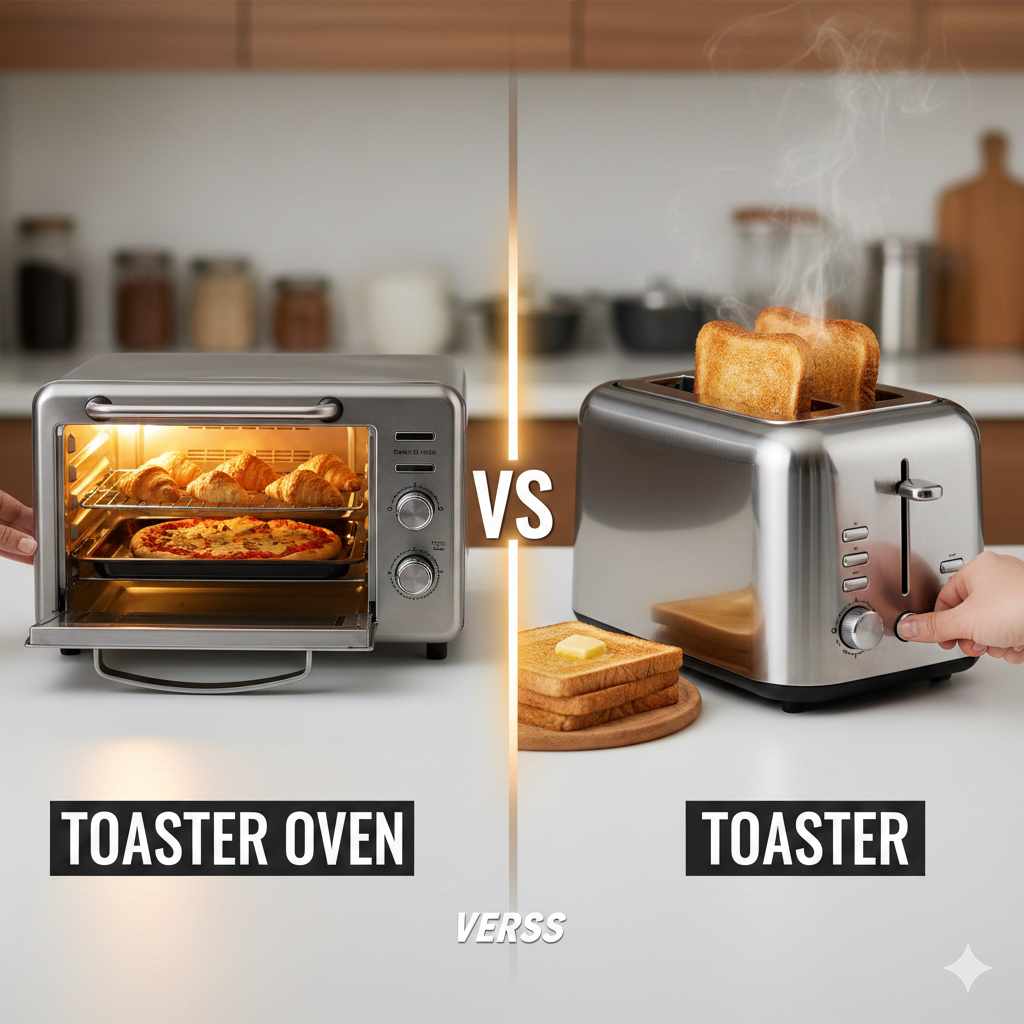
Toaster oven vs toaster? For simple toast, a standard toaster wins on speed and counter space. However, a toaster oven offers far more versatility for baking, broiling, and reheating leftovers, making it the better all-around kitchen helper.
Picking the right countertop appliance can feel like a big decision, especially when you are just trying to make breakfast. You need toast, but maybe you also want to melt some cheese or warm up those pizza slices from last night. Are you better off with the simple, reliable slot toaster, or should you upgrade to a versatile toaster oven? It seems confusing, but don’t worry. I’m Dustin Hall, and I’m here to walk you through what each one does best. We will skip the confusing jargon and look at the practical differences, helping you choose the perfect helper for your kitchen. Let’s break down this showdown step by step!
Toaster Oven vs Toaster: Which Appliance Wins Your Countertop Space?
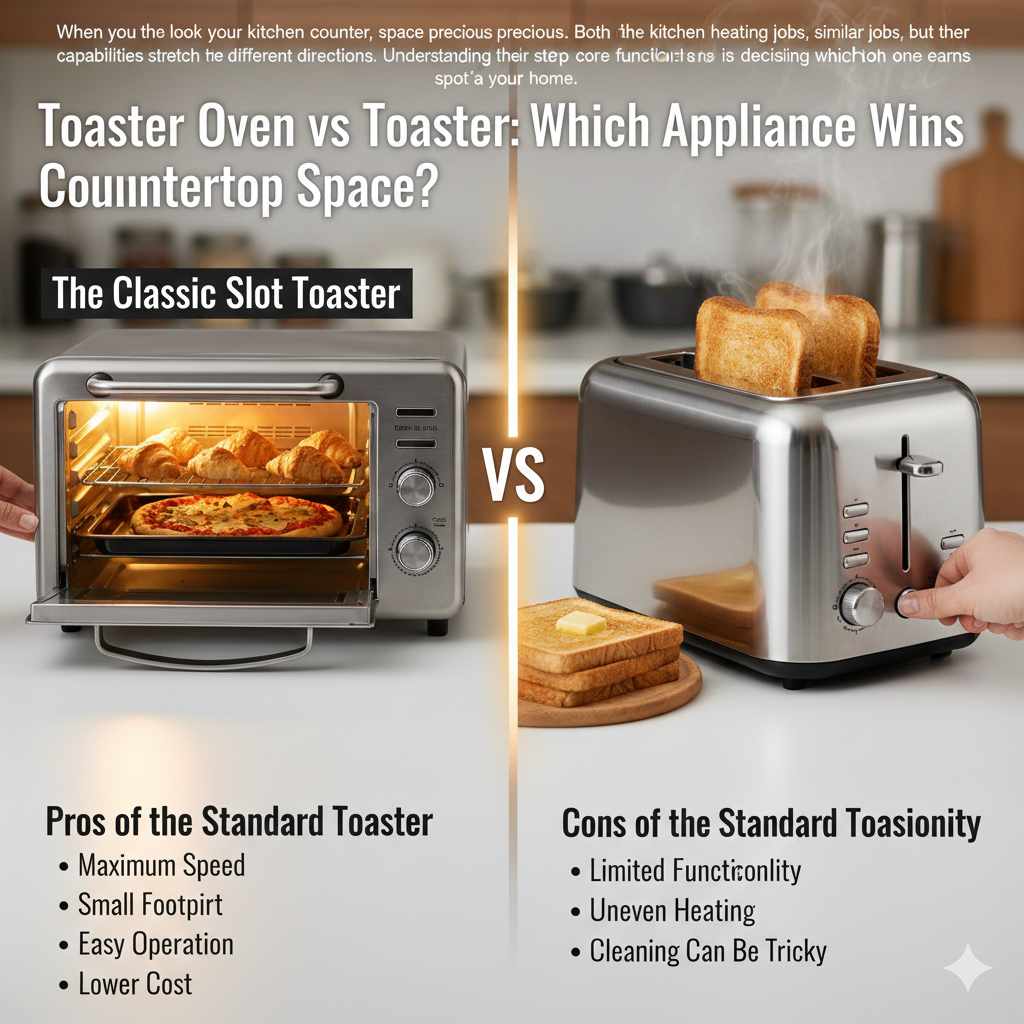
When you look at your kitchen counter, space is precious. Both the slot toaster and the kitchen toaster oven do similar heating jobs, but their capabilities stretch in very different directions. Understanding their core functions is the first step in deciding which one earns a permanent spot in your home.
The Classic Slot Toaster: Speed and Simplicity
The traditional pop-up toaster is built for one thing and one thing only: making toast quickly. It uses heating elements positioned directly next to the bread slices. It heats fast, pops up when done, and gets out of your way.
Pros of the Standard Toaster
- Maximum Speed: It toasts bread faster than almost any other method because the elements are so close to the bread.
- Small Footprint: They take up very little space, perfect for small apartments or crowded counters.
- Easy Operation: Usually, it’s just two settings: the darkness dial and the lever. Simple!
- Lower Cost: Generally, you can find a reliable model for much less money than a toaster oven.
Cons of the Standard Toaster
- Limited Functionality: If it doesn’t fit in the slots, you can’t toast it. No bagels cut lengthwise, no pastries, and certainly no baking.
- Uneven Heating: Sometimes, the center of the bread or the edges might not toast evenly.
- Cleaning Can Be Tricky: While most have crumb trays, crumbs often fall deep into the heating element chamber.
The All-Around Toaster Oven: Versatility is Key
Think of a toaster oven as a miniature conventional oven. It has racks, heating elements on the top and bottom, and usually glass doors so you can watch your food cook. It can toast, but it can also bake, broil, and reheat—all in a compact size.
Pros of the Toaster Oven
- Amazing Versatility: You can toast bread, bake a small batch of cookies, roast a chicken breast, or reheat leftovers without heating up your big oven.
- Visible Cooking: The glass door lets you monitor your food. This means fewer burnt edges on your bagels!
- Handles More Food: It can easily handle thick-cut artisan bread, frozen waffles, small pizzas, and even casseroles (depending on the size).
- Better for Larger Items: Great for melting cheese on an open-faced sandwich or warming up an entire frozen breakfast pastry.
Cons of the Toaster Oven
- Slower Toasting: Because it has to heat up the entire interior space first, toasting a few slices takes longer than in a slot toaster.
- Takes Up Space: These take up significantly more counter real estate.
- Higher Energy Use (Sometimes): While great for skipping the main oven, they use more continuous energy than a slot toaster during their cooking cycles.
- Requires More Cleaning: Spills, grease splatters, and crumbs fall onto the rack and the bottom tray, requiring more frequent wiping down.
Head-to-Head Comparison: Features Breakdown
To make this choice crystal clear, let’s line up the two appliances side-by-side based on common kitchen needs. This comparison will help you match the appliance to your biggest priorities. Think about what you cook most often.
| Feature | Standard Slot Toaster | Toaster Oven |
|---|---|---|
| Primary Use | Basic toasting of bread and bagels | Toasting, Baking, Broiling, Reheating |
| Speed (for 2 Slices) | Very Fast (2-4 minutes) | Slower (4-7 minutes, needs preheating) |
| Counter Space Needed | Minimal (Long and narrow) | Significant (Deeper and wider) |
| Price Point | Lower ($$20-$60$) | Medium to High ($$50-$200+$) |
| Handling Thick Items | Poor (Only fits standard slices) | Excellent (Handles small pizzas, chicken pieces) |
| Temperature Control | Browning Shade Only | Precise Temperature Control (e.g., 250°F to 450°F) |
Understanding Wattage and Power
Both appliances use electricity, but how they use it matters. Slot toasters usually use high wattage concentrated in small areas to quickly heat the elements for a quick toast. Toaster ovens often have lower initial startup wattage than a full oven, but they run their heating elements for longer periods to maintain an oven temperature. For safety, always ensure your kitchen circuits can handle what you plug in. According to resources like the U.S. Department of Energy, understanding wattage helps predict energy use, though for these smaller appliances, the difference is usually negligible compared to major appliances like ranges or clothes dryers.
When Should You Choose a Standard Toaster?
If your morning routine never changes and space is tight, the slot toaster is your reliable workhorse. It excels when you need consistency and speed above all else.
Ask yourself these questions:
- Do I only make toast, bagels, or frozen waffles?
- Is my counter real estate extremely limited?
- Do I prioritize the fastest way to get breakfast on the table?
- Is my budget tight for small appliances?
If you answered yes to most of these, stick with the simple pop-up toaster. It’s dependable and never lets you down when you just need that perfect slice.
When Should You Choose a Toaster Oven?
The toaster oven is the appliance for the flexible cook, the person who hates turning on the big oven during the summer, or the student living in a dorm room.
Consider upgrading if you frequently want to:
- Reheat pizza slices and keep the crust crisp (unlike getting soggy in the microwave).
- Toast oversized bread, like Texas toast or thick-cut homemade loaves.
- Bake small items, like a few cookies or reheating a single frozen dinner.
- Broil cheese onto an open-faced sandwich quickly.
- Save energy by not preheating a full-sized oven for small tasks.
Many modern toaster ovens now come with advanced features like air fry settings, convection fans, or even rotisserie functions. These extras make the toaster oven a true multi-cooker, pushing it far beyond the simple capabilities of a slot toaster.
Essential Features to Look For in Each Appliance
When you shop, knowing what features matter will prevent you from buying something that doesn’t fit your daily use. Here is what experienced home cooks look for:
Must-Have Features for Slot Toasters
- Wide Slots: Check the width. If you ever eat bagels or thick artisanal bread, standard slots won’t cut it. Look for 1.5-inch slots minimum.
- Bagel Setting: This setting often toasts only the cut side of the bagel while gently warming the crust side.
- Crumb Tray: This is non-negotiable for easy cleaning. Make sure it slides out smoothly.
- High Lift Lever: If you deal with smaller items like English muffins, a lever that lifts the toast higher helps you grab it without burning your fingers.
Must-Have Features for Toaster Ovens
Since toaster ovens do so much more, their features focus on control and efficiency.
- Convection Setting: A fan circulates hot air, cooking food faster and more evenly. This is a huge upgrade for roasting small items.
- Temperature Range: Ensure it goes low enough for keeping food warm (150°F) and high enough for decent broiling (around 450°F).
- Non-Stick Interior/Removable Tray: Cleaning grease is easier if the bottom surface is designed to wipe clean.
- Digital Controls: While dials are fine, digital programming usually offers more precise timing and temperature settings, leading to more consistent results.
Practical Usage Scenarios: Putting Them to the Test
Let’s run through three common kitchen scenarios to see which tool is the clear winner.
Scenario 1: Making Two Slices of White Bread Toast
Winner: Standard Toaster
The slot toaster will drop the bread, heat up instantly, and pop it back up golden brown in about three minutes flat. The toaster oven needs a minute or two just to begin the process of heating its entire cavity. For pure speed, the toaster wins every time.
Scenario 2: Reheating Leftover Slices of Pizza
Winner: Toaster Oven
Putting pizza in a slot toaster is a recipe for disaster—it won’t fit, and the cheese will melt directly onto the heating elements. The toaster oven, set to about 350°F for 5-8 minutes, crisps the crust perfectly while melting the cheese just right, mimicking the effect of a real oven without the wait.
Scenario 3: Toasting an Everything Bagel, Cut in Half
Winner: Toaster Oven (or a large capacity Slot Toaster)
If your slot toaster has extra-wide slots, it might manage the bagel, but often the edges won’t get toasted properly while the middle burns. A toaster oven lets you lay both halves flat on the rack, giving you even heat distribution across the dense surface of the bagel. For best results, set the toaster oven to the “toast” or “bake” setting at medium heat.
Safety First: Keeping Your Small Appliances Running Well
Whether you choose the simple toaster or the versatile oven, keeping them safe and clean is part of good kitchen ownership. As someone who believes in proactive car care, I apply the same principles to kitchen gear—a little maintenance goes a long way.
Toaster Safety Checklist
- Always Unplug When Cleaning: Never stick metal utensils (knives, forks) down into the slots, even if the machine is off. Unplug it first.
- Empty the Crumb Tray Regularly: Dried crumbs can catch fire if they overheat or spark near the elements. Empty this tray weekly if you toast daily.
- Keep Clearances: Do not place any toaster directly under low-hanging cabinets. Hot air rises, and this can damage the cabinet finish or start a fire. Give it at least six inches of clearance above it.
Toaster Oven Safety Checklist
- Use Proper Cookware: Only use oven-safe glass, ceramic, or metal pans inside the toaster oven. Plastic or non-oven-safe containers will melt or burn.
- Do Not Cover the Bottom: Do not line the crumb tray or the bottom of the oven with aluminum foil unless the manual explicitly states it is safe for that model. Foil can trap heat and cause overheating or airflow issues.
- Mind the Exterior Heat: The exterior sides and top of a toaster oven get very hot during use, especially when baking. Ensure nothing flammable (like dish towels or plastic utensils) rests against them.
Maintenance Tips: Maintaining Performance
A little preventative maintenance ensures your appliance lasts longer and performs better.
Maintaining Your Slot Toaster
The main maintenance task is cleaning out the baked-on debris. After unplugging the unit, hold it upside down over the sink or trash can and gently shake it to dislodge stubborn crumbs. A soft, dry brush (like a clean paintbrush) can sometimes help gently sweep dust and crumbs away from the heating wires.
Maintaining Your Toaster Oven
The cleaning here is more involved but boosts performance. Baked-on grease and charred food residue absorb and radiate heat unevenly, leading to hotspots that burn your food. This guide from a reputable consumer safety organization often recommends regular interior cleaning for small ovens.
- Remove Racks and Trays: Take out the wire rack and the drip tray. Wash these in warm, soapy water.
- Wipe the Interior: Once cool, use a damp cloth and a mild dish soap solution to wipe down the interior walls. If there is heavy baked-on grease, a paste of baking soda and water can help lift it, but be gentle around indicator lights or digital displays.
- Clean the Glass: Use a non-abrasive cleaner on the glass door so you can actually see your food cooking!
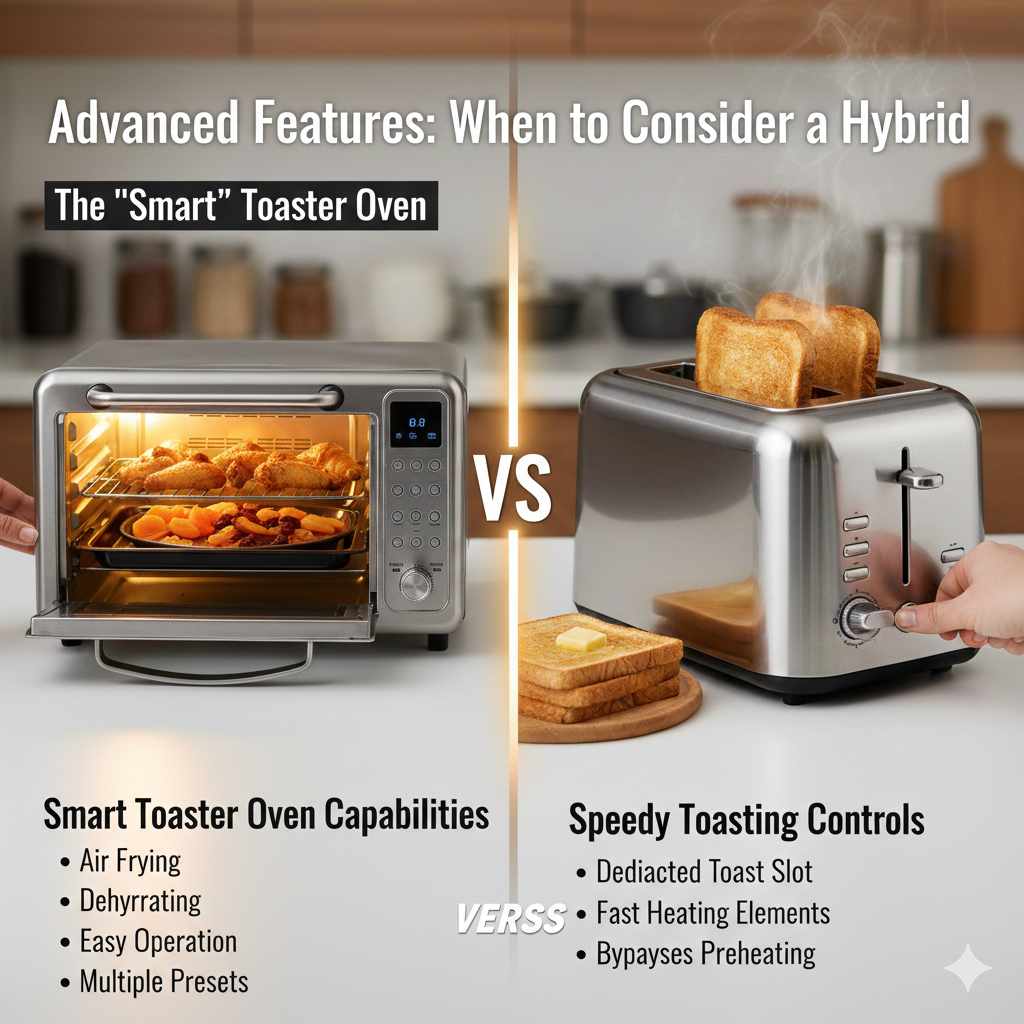
Advanced Features: When to Consider a Hybrid
The lines between these two appliances are blurring, leading to excellent “hybrid” options that might solve your dilemma entirely.
The “Smart” Toaster Oven
Many advanced toaster ovens now include features like air frying (using intense convection) and even small dehydrating functions. If you are looking to replace several appliances with one unit, look toward these high-end models. They often have specific presets for “Toast” that mimic the speed and outcome of a slot toaster, while still providing the baking capabilities of a mini-oven.
Toaster Ovens with Dedicated Toasting Controls
The main complaint about toaster ovens is the time it takes to toast. Newer models address this by including dedicated toasting functions that bypass the slow preheating phase, engaging high-power elements directly onto the surface of the bread, achieving toast readiness much closer to a traditional slot toaster’s speed.
Frequently Asked Questions (FAQ)
Q1: Can a toaster oven toast bread faster than an air fryer?
A: Usually, yes, but it depends on the model. A slot toaster is the fastest overall. A toaster oven is often slower than a dedicated slot toaster but faster than a convection air fryer that requires a long preheat time for small batches.
Q2: Will a toaster oven save me money on my electricity bill?
A: Yes, generally. Using a toaster oven instead of firing up a large full-sized oven for small baking or reheating tasks uses significantly less energy because the small cavity heats up much faster and maintains temperature with less power input.
Q3: Is it safe to leave a toaster oven on the counter all the time?
A: Yes, toaster ovens are designed to operate on the counter. However, ensure you follow the manufacturer’s clearance guidelines, keeping flammable materials away from the top and sides, as these areas get very hot during operation.
Q4: Can I use aluminum foil in my toaster oven?
A: It depends on the model. Many manufacturers advise against placing foil directly on the bottom heating element area as it traps heat and can cause the appliance to fail or pose a fire risk. Always check the manual. Aluminum foil is usually safe when placed on the wire rack under your food.
Q5: Which appliance is better for toasting thick, homemade bread?
A: The toaster oven is better. Standard slot toasters have narrow openings that prevent thick slices from fitting or cause them to wedge.
Final Verdict: Which Appliance Is Right for You?
Choosing between a toaster oven vs toaster really comes down to how you use your kitchen daily. There isn’t a single “best” choice; there is only the best choice for you.
If your requirements are strictly speed, simplicity, and minimal space, the standard slot toaster is the champion. It does one thing perfectly and efficiently.
If you value versatility, cooking flexibility, and enjoy making small meals outside of just toast, the toaster oven is the clear winner. It’s a true multi-tool that can handle simple morning toast just as well as an evening side dish.
For many modern kitchens, especially those that want to minimize heating up the main oven, the toaster oven is the appliance that delivers the most value over time, despite its larger size requirement.