You’ve got a pack of hot dogs, a toaster oven, and about ten minutes before you need to eat. Boiling feels like a cop-out, firing up the grill is too much work, and the microwave turns them into rubbery little balloons. The toaster oven is the right tool, but most people just toss the dogs on a tray and hope for the best. That’s how you end up with a burnt exterior, a cold center, and a smoky kitchen.
This guide fixes that. You’ll learn the exact rack position, the right temperature settings, and a few tricks that most recipes skip — like splitting the dog for a crispy crust and using a water pan to keep things juicy. I’ll cover baking, broiling, frozen dogs, buns, reheating, and batch cooking for a crowd. By the end, you’ll know how to cook hot dogs in a toaster oven with the same consistency you’d get from a street cart.
Harvest
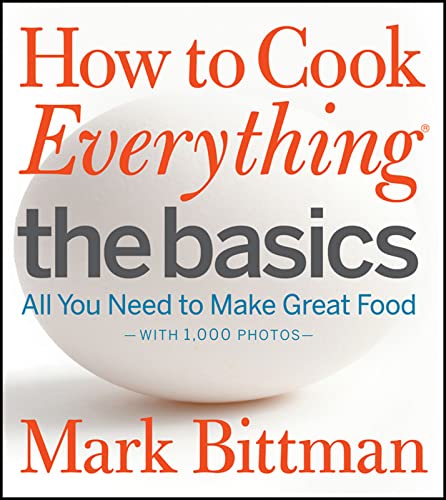
How to Cook Everything: The Basics: All…
- This is the essential teaching cookbook, with 1,000 photos illustrating every technique and recipe; the result is a comprehensive…
- Special Basics features scattered throughout simplify broad subjects with sections like “Think of Vegetables in Groups,” “How to C…
- 600 demonstration photos each build on a step from the recipe to teach a core lesson, like “Cracking an Egg,” “Using Pasta Water,”…
As an Amazon Associate I earn from qualifying purchases.
If you’re new to toaster oven cooking in general, grab a copy of How to Cook Everything: The Basics by Mark Bittman. It’s the kind of cookbook that teaches you why techniques work, not just what to do. The 1,000 photos walk you through fundamental skills, and the hot dog chapter (yes, there’s one) builds on the same heat-transfer principles you’ll use here.
Why the Toaster Oven is the Best Tool for Hot Dogs
Hot dogs are already cooked when you buy them. Your job is just to heat them through and add some surface texture. A toaster oven does that better than a microwave because it uses dry heat, which browns the outside instead of steaming it. It does it faster than a full-size oven because the heating elements are closer to the food.
The big advantage over boiling is flavor. Boiling leaches salt and spices into the water, leaving you with a blander dog. Dry heat concentrates those flavors. You also get a snap from the casing — something boiled hot dogs never achieve.
There’s one catch. Toaster ovens run hot and uneven. The element cycles on and off, and the back of the oven is usually hotter than the front. That’s why rack position and a mid-cook rotation matter more than the exact minute count. Ignore those two details and you’ll get one charred end and one pale end.
The Ultimate Prep: Choosing, Scoring, and Splitting Your Hot Dogs
Start with a good dog. All-beef franks have more fat, which means better browning and a juicier bite. Cheaper dogs with more fillers tend to dry out and split unpredictably. If you’re watching smoke output, a lower-fat turkey dog produces less grease splatter but also less caramelization.
Now the technique competitors skip: split the dog lengthwise. Not a shallow slit — a deep cut that goes about halfway into the meat, from tip to tip. This does three things.
- It creates a flat surface that makes full contact with the tray, so more of the dog browns evenly.
- It exposes the interior to heat, which speeds up cooking and creates a crispy “crust” along the cut.
- It gives the dog room to expand without bursting. The split opens up as the dog heats, releasing steam instead of letting pressure build until the casing tears.
Scoring shallow diagonal cuts on the outside is an option too, but it’s mostly cosmetic. The deep split is what actually changes the texture. If you prefer a plump, juicy dog with a snappy casing, skip the split and just poke a few holes with a fork. That’s the classic ballpark style.
The 3-Step Method: Rack Position, Preheat, and the Water Pan Trick
Before you turn anything on, think about your toaster oven’s size. A 1,200-watt model heats faster than an 800-watt one, so cooking times vary. The rack position matters more than wattage. For baking, put the rack in the middle slot. For broiling, move it to the top slot, about 3 inches from the upper element.
Always preheat. A cold oven means the dogs sit in a lukewarm environment while the element warms up, which dries them out. Most toaster ovens take 3 to 5 minutes to preheat to 350°F. Use that time to split the dogs and prep the tray.
Here’s the trick that changes everything: place a small oven-safe dish of water in the corner of the tray. A ramekin or a tiny loaf pan works. The water evaporates as the oven heats, adding steam to the air. That steam keeps the hot dogs from drying out while the dry heat still browns the surface. It’s the same principle behind a steam-injected oven, but it costs nothing.
Line the tray with aluminum foil for easy cleanup. The foil catches grease drips, and you can crumple it up and toss it when you’re done. Just fold the edges up slightly to create a lip, so grease doesn’t run onto the tray itself.
How to Cook Hot Dogs in a Toaster Oven (Baking Method)
Baking is the default method. It gives you a dog that’s heated through with a mild brown on the outside. It’s the most forgiving and the best option if you’re cooking a full tray.
- Preheat the toaster oven to 350°F with the rack in the middle position.
- Split the hot dogs lengthwise and place them cut-side down on the foil-lined tray. Leave at least half an inch between each dog so air circulates.
- Place a small dish of water in the corner of the tray.
- Bake for 8 to 10 minutes. At the 4-minute mark, flip each dog over and rotate the tray 180 degrees. The rotation compensates for hot spots in the back of the oven.
- Check the internal temperature with an instant-read thermometer. You want 160°F in the center. Most dogs reach that in about 9 minutes, but thicker franks may need 12.
The result is a hot dog that’s juicy inside, with a light brown exterior and no burnt spots. It’s not the crispiest outcome, but it’s reliable and works for any number of dogs.
How to Broil Hot Dogs in a Toaster Oven (For Crispy Skin)
If you want that dark, blistered, almost-charred exterior, broiling is the way to go. The high heat from the top element caramelizes the sugars in the dog quickly, creating a crunchy skin that gives way to a soft interior.
- Preheat the toaster oven to broil. Most models have a dedicated broil setting; if yours doesn’t, set it to 450°F and use the top rack position.
- Move the rack to the top slot, about 3 inches from the heating element.
- Split the dogs and place them cut-side down on the foil-lined tray. No water pan needed — broiling is fast enough that drying isn’t a concern.
- Broil for 4 to 6 minutes, checking at the 3-minute mark. Flip once when the tops are deeply browned.
- Watch closely. Broilers in toaster ovens are intense, and a minute too long turns a nice char into a burnt mess.
Broiling produces grill marks if you use a wire rack instead of a flat tray. The dogs rest on the rack, and the exposed wires leave char lines. It’s not exactly a grill, but it’s close enough for a weeknight.
The trade-off is smoke. Broiling renders fat quickly, and that fat drips onto the hot element, producing smoke. If your toaster oven is under a cabinet, open a window or run the vent hood. Using a lower-fat dog reduces the splatter.
Cooking Frozen Hot Dogs: Time and Temperature Adjustments
Frozen hot dogs cook fine in a toaster oven — no need to thaw first. The key is lowering the temperature and extending the time so the outside doesn’t burn before the center thaws.
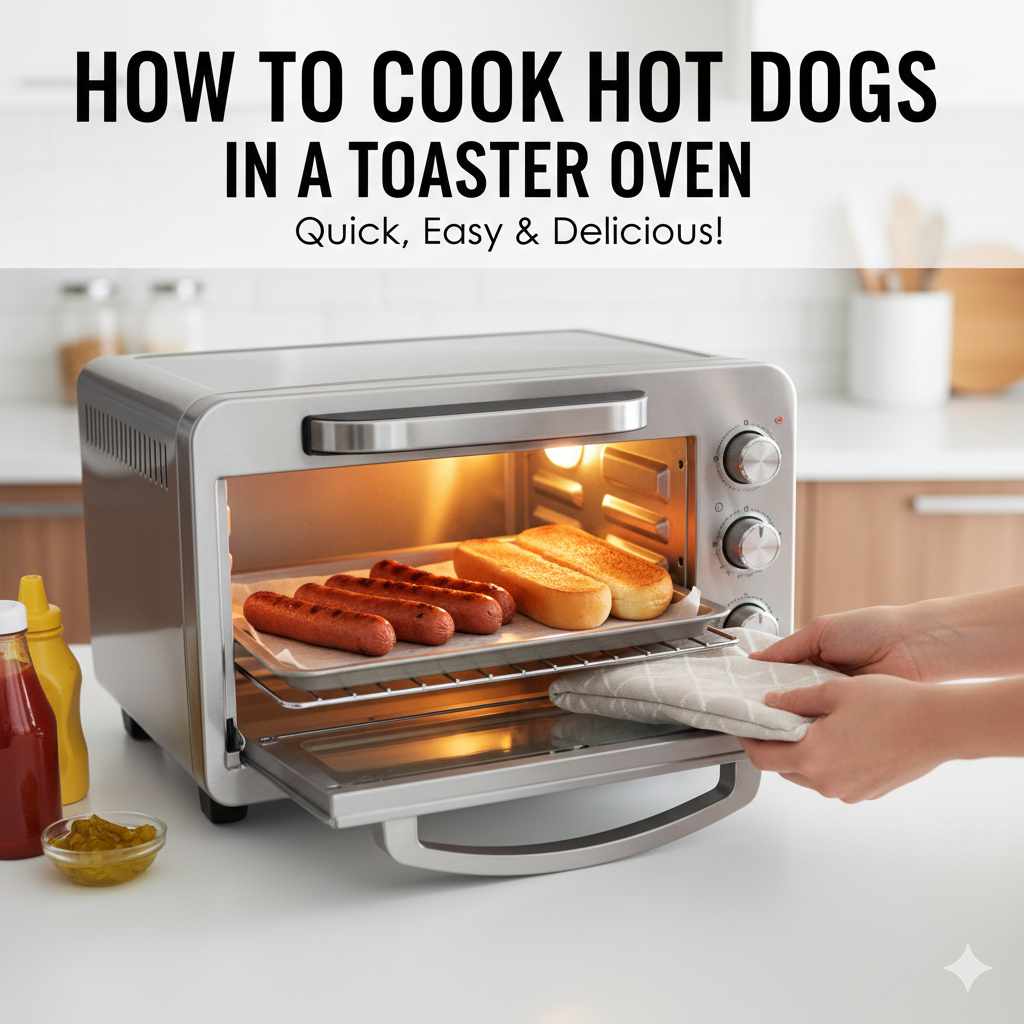
Set the oven to 325°F and bake for 15 to 18 minutes. Flip the dogs at the 8-minute mark. Frozen dogs release more moisture as they thaw, so skip the water pan — you don’t need extra steam. The internal temperature still needs to hit 160°F, so check with a thermometer before pulling them out.
One warning: don’t broil frozen dogs. The intense top heat will char the outside while the center stays icy. Stick to the baking method for frozen, and save the broil for thawed ones.
Toasting the Buns: The Perfect Finish
A hot dog is only as good as its bun, and a cold, soft bun ruins the whole thing. Toasting in the toaster oven takes 2 minutes and makes a real difference.
After the dogs are done, turn the oven down to 350°F (or leave it on broil if you want a darker toast). Open the buns and place them cut-side up on the tray. Toast for 2 to 3 minutes, until the edges are golden and the interior is warm. Watch them — buns go from toasted to burnt faster than you’d think.
For a softer bun, wrap it in foil before toasting. The foil traps steam, warming the bread without crisping it. For a crunchy bun, leave it exposed and let the direct heat work.
If you’re cooking for a crowd, toast the buns in batches while the dogs rest under a foil tent. The dogs stay warm, and the buns come out fresh.
How to Reheat Leftover Hot Dogs Without Drying Them Out
Reheating is where most people ruin a good hot dog. The microwave turns them into rubber, and a hot pan dries them out. The toaster oven does it right, but you have to be gentle.
Preheat to 300°F. Place the leftover dogs on a foil-lined tray and add a small dish of water to the corner — the steam keeps them moist. Heat for 5 to 7 minutes, flipping once halfway. The internal temperature should reach 165°F for food safety.
If you’re reheating a fully assembled hot dog with a bun, wrap the whole thing in foil. That traps the steam and reheats everything evenly without burning the bun. It takes about 8 minutes at 300°F.
Batch Cooking for a Crowd: Tips for Even Results
Feeding six or eight people? The toaster oven handles it, but you need to manage the tray layout.
Fit as many split dogs as you can on the tray with at least half an inch between each one. Overcrowding traps steam and prevents browning, so if you have more than eight dogs, cook them in two batches. The first batch stays warm under foil while the second cooks.
Rotate the tray at the halfway point. The back of the toaster oven runs hotter, so the dogs near the back cook faster. A 180-degree turn evens things out. Flip each dog individually while you’re at it.
For a party, keep the cooked dogs in a slow cooker set to warm with a little water in the bottom. That frees up the toaster oven for buns and a second batch.
Common Mistakes and How to Avoid Them (Smoke, Bursting, Dryness)
Three problems plague toaster oven hot dogs: smoke, bursting, and dryness. Each has a simple fix.
Smoke. Grease drips onto the heating element and burns. Prevent it by lining the tray with aluminum foil and folding up the edges to catch drips. If you’re broiling, expect some smoke no matter what — open a window. Using a lower-fat dog also helps.
Bursting. A hot dog bursts when steam builds up inside the casing faster than it can escape. The deep lengthwise split solves this, as does poking a few holes with a fork. Cooking at a lower temperature (350°F instead of 450°F) also gives the steam time to escape gradually.
Dryness. The interior turns mealy when the oven is too hot or the cooking time is too long. The water pan trick adds steam, which keeps the protein moist. Pull the dogs out as soon as they hit 160°F — every extra minute costs moisture.
One more thing: don’t use parchment paper for hot dogs. It’s fine for baking, but the grease from broiled dogs can soak through and smoke. Foil is the right choice here.
Frequently Asked Questions
Can I cook hot dogs in a toaster oven without preheating?
You can, but the results are worse. Without preheating, the dogs sit in a cold oven while it warms up, which dries them out and extends the cooking time. The extra 3 minutes of preheating is worth it.
What’s the best temperature for hot dogs in a toaster oven?
350°F for baking, broil (or 450°F) for crispy skin. The baking temperature is gentle enough to heat the dog through without bursting, while broiling is hot enough to caramelize the surface quickly.
How long do hot dogs take in a toaster oven?
Thawed dogs take 8 to 10 minutes at 350°F, or 4 to 6 minutes under the broiler. Frozen dogs take 15 to 18 minutes at 325°F. Always check the internal temperature — 160°F for a fully cooked dog, 165°F for reheated leftovers.
Do I need to flip hot dogs while cooking?
Yes. Flipping ensures even browning and prevents the bottom from scorching. It also gives you a chance to rotate the tray, which compensates for the toaster oven’s hot spots.
Can I use a toaster oven to make grilled-style hot dogs?
Close to it. Broiling on a wire rack gives you dark char lines and a crispy exterior, which mimics a grill. It won’t have the smoky flavor of real charcoal, but it’s a solid indoor substitute. For more toaster oven cooking basics, check out cooking time comparisons for other foods.
The Final Verdict: Better Than Boiling or Grilling?
Is the toaster oven better than a grill? For flavor, no — charcoal and smoke add something no electric element can replicate. But for convenience, consistency, and cleanup, the toaster oven wins. It heats up in minutes, doesn’t require you to stand outside in the rain, and the foil-lined tray means you’re done in 30 seconds of cleanup.
Compared to boiling, it’s not even close. Dry heat gives you a better texture, more concentrated flavor, and a bun that’s actually toasted. The only thing boiling does better is cook a huge batch at once.
Here’s what to remember:
- Split hot dogs lengthwise for a crispy crust and to prevent bursting.
- Preheat to 350°F for baking or use the broiler for a charred exterior.
- Place the rack in the middle for baking, top for broiling.
- Add a small dish of water to the tray to keep dogs juicy.
- Flip and rotate the tray halfway through for even cooking.
- Cook frozen dogs at 325°F for 15 to 18 minutes — never broil them.
- Toast buns for 2 to 3 minutes at 350°F, and wrap in foil for a soft bun.
If you’re also wondering about other quick meals, the same principles apply to cooking burgers in a toaster oven — rack position and preheating matter just as much. And if you’re deciding between appliances, this toaster oven vs. regular oven comparison explains when each makes sense.
Now go make yourself a hot dog. You’ve got the technique, the times, and the tricks. The only thing left is deciding between mustard and ketchup.