Toaster Oven Lifespan
You slide in four slices of bread, set the dial, and walk away. Ten minutes later you pull out toast that’s pale on one side and charred on the other. Or the timer clicks off but the oven stays hot. Or you notice the cord has a flat spot where the dog stepped on it one too many times. That’s the moment you start wondering: is this thing done? Should I fix it or pitch it?
Most people guess based on vibes. They replace a toaster oven because it’s ugly or because a sale catches their eye. That’s the wrong way to make this call. This article walks you through the actual math and the real safety risks, so you can decide with your head instead of your gut. You’ll learn the average toaster oven lifespan by brand, what quietly kills these appliances, and exactly which failures are worth repairing.
BLACK+DECKER
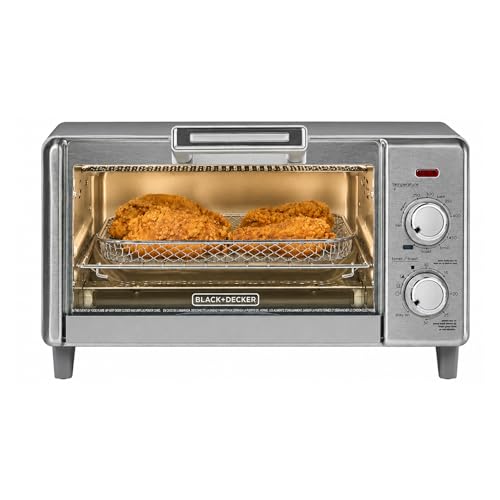
BLACK+DECKER 4-Slice Air Fry Toaster Oven, 5-in-1…
- 5-IN–1 MULTIFUNCTIONAL COOKING- Enjoy versatile cooking with Air Fry, Bake, Broil, Toast, and Keep Warm settings. Perfect for prep…
- HEALTHY AIR FRYING TECHNOLOGY – Cook crispy, delicious meals with little to no oil using advanced air frying technology. Enjoy hea…
- EVENTOAST TECHNOLOGY FOR PERFECT TOAST – Achieve evenly toasted bread, bagels, and more with BLACK+DECKER’s EvenToast technology,…
As an Amazon Associate I earn from qualifying purchases.
One quick note before the deep dive: if you’re already shopping, the BLACK+DECKER 4-Slice Air Fry Toaster Oven covers the modern basics without breaking the bank. It’s a 5-in-1 unit with air frying, baking, broiling, toasting, and keep-warm, plus EvenToast tech to avoid those hot spots. But hold off on buying anything until you read the cost analysis below — you might find your current unit has years left.
How Long Does a Toaster Oven Actually Last?
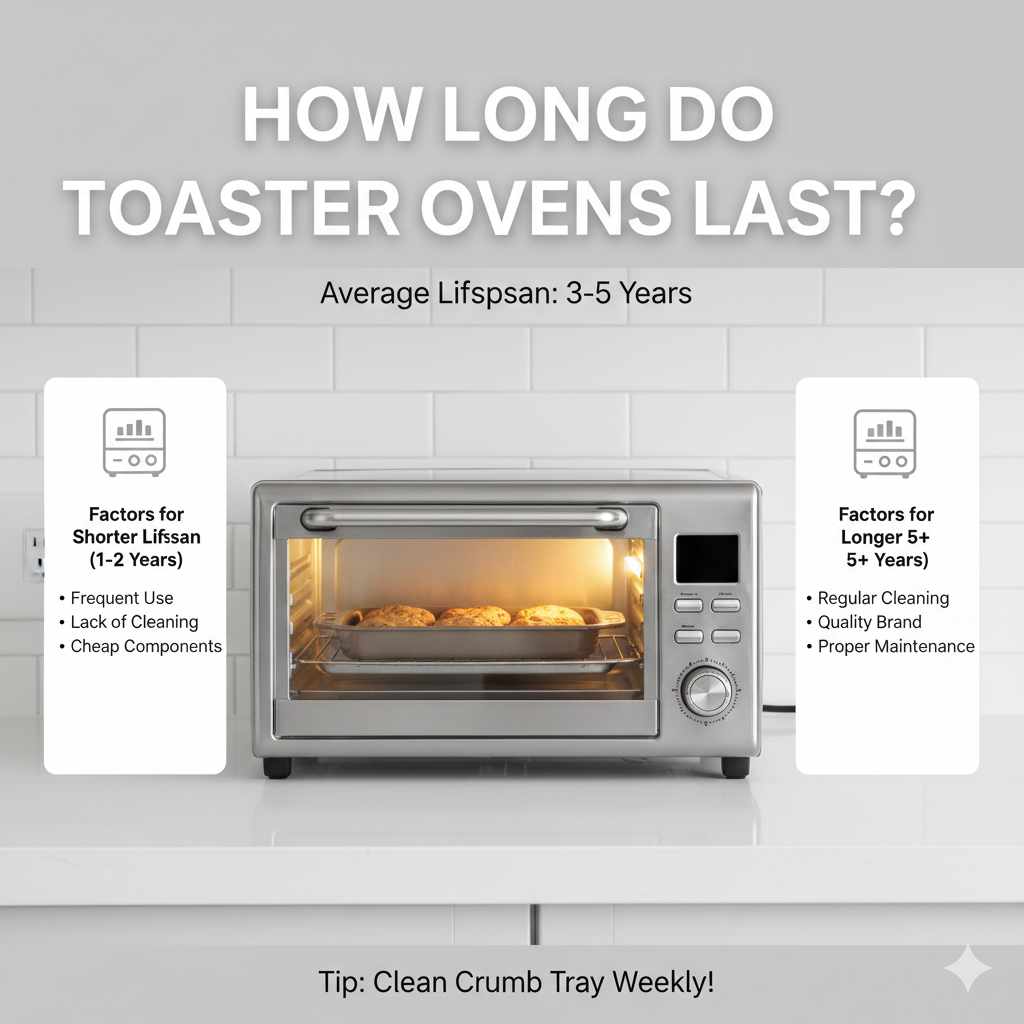
The honest answer: most toaster ovens last between 3 and 7 years. That’s a wide range because lifespan depends more on how you use the unit than on the brand name stamped on the front.
Here’s the breakdown of what drives that number.
- Frequency of use: A unit used once a week for frozen pizza will outlast one used daily for everything from toast to roasted chicken. Daily use heats the elements to red-hot and cools them back down, which stresses the metal and the thermostat. That thermal cycling is the main wear mechanism.
- Build quality: A $30 oven has thinner sheet metal, cheaper switches, and a less accurate thermostat than a $150 model. The cheap one might toast unevenly from day one. The premium one might hold temperature within 10 degrees for years.
- Heating elements: These are the most common failure point. The nichrome wire inside the element gets brittle as it oxidizes at high heat. Eventually it snaps, creating an open circuit. You’ll notice it when one element glows orange and the other stays dark.
I’ve seen a $40 Black+Decker run flawlessly for six years in a college dorm, and I’ve seen a $200 Breville die in year two because the owner never cleaned out the crumb tray and the fan motor seized. Your habits matter more than your budget.
The Real Cost: Cheap vs. Premium Over 10 Years
Let’s do the math nobody does. You’re not just paying for the oven. You’re paying for the meals it produces. Here’s a cost-per-use comparison over a decade, assuming you use the oven 4 times per week, which is about 208 uses per year.
| Scenario | Purchase Price | Lifespan | Replacement Cycles in 10 Years | Total Cost | Cost Per Use |
|---|---|---|---|---|---|
| Budget oven | $35 | 2.5 years | 4 | $140 | $0.07 |
| Mid-range oven | $80 | 5 years | 2 | $160 | $0.08 |
| Premium oven | $180 | 8 years | 1.25 | $225 | $0.11 |
Surprised? The budget oven actually costs less per meal, even though you replace it four times. But that math ignores two things.
First, energy efficiency degrades. A 2.5-year-old budget oven with a failing thermostat runs longer to reach temperature, drawing more current. You’ll see it in your electric bill, and you’ll taste it in food that’s dried out from extended cooking. Second, the premium oven’s accuracy means you can walk away and trust the timer. That’s worth something, even if it’s not in the spreadsheet.
My take: buy mid-range. The $80–$100 sweet spot gives you decent build quality, a warranty that covers the first failure, and a cost-per-use that’s nearly identical to the cheap option.
7 Silent Killers That Shorten Your Toaster Oven’s Life
Most failures aren’t random. They’re caused by specific, avoidable behaviors. Here are the ones I see most often.
The #1 Mistake: Overloading and Airflow Blockage
Toaster ovens need airflow. The heating elements radiate heat, but the fan (if you have a convection model) circulates it. When you cram a 12-inch pizza into a 9-inch oven, you block the vents. The air gets trapped, the thermostat reads the hot spot near the element, and the oven cycles on and off erratically.
That erratic cycling cooks food unevenly and stresses the thermostat. Over time, the bimetallic strip inside the thermostat fatigues and drifts out of calibration. Your 350°F setting becomes 400°F. You compensate by lowering the dial, and the cycle continues.
Check your manual for the max food size. Most ovens list it. If you’re regularly exceeding it, you’re shortening the lifespan.
Why Your Kitchen Layout Matters (Heat and Moisture)
That spot under the cabinet where the oven barely fits? It’s killing the unit. Toaster ovens vent hot air from the top and back. If that air has nowhere to go, it recirculates into the oven’s own electronics. The plastic control panel warps, the switches get sticky, and the internal wiring insulation degrades faster.
Moisture is the other culprit. If your toaster oven sits next to the sink or under a vent that blows steam from boiling pasta, that humidity gets pulled into the crumb tray area. Rust forms on the interior panels and the exposed ends of the heating elements. Rust on the element creates a high-resistance connection, which heats up and eventually fails.
Give the oven at least 4 inches of clearance on all sides. And if you live in a humid climate, wipe down the interior once a month.
The Safety Check: 5 Signs It’s Time to Unplug Immediately
Some issues are annoyances. Some are fire hazards. Here’s how to tell the difference.
- Frayed or scorched power cord. This is the big one. See below.
- Rust inside the cooking chamber. Rust flakes can fall onto food, but worse, rust on the interior panels can create conductive paths that cause arcing.
- Cracked glass door. The glass is tempered, so it won’t shatter into shards, but a crack weakens the door’s insulation. The oven will run hotter on the outside, and the crack can spread during a heating cycle.
- Persistent burning smell. A little smoke on first use is normal (it’s the manufacturing oils burning off). A burning smell after months of use means food debris is carbonizing on the elements or wiring is overheating.
- The unit trips your circuit breaker. A toaster oven draws 1200–1800 watts. If it trips a 15-amp breaker, either the oven has a short or your wiring is undersized. Neither is safe to ignore.
The Hidden Danger of Rust and Frayed Cords
Let’s get specific about the electrical danger. A toaster oven draws about 12 amps at full power. That’s a lot of current through a cord designed for 15 amps. The cord is the weakest link in the system.
When the cord frays, you lose strands of copper. The remaining strands have to carry the same current, so the resistance goes up. Resistance means heat. That heat further degrades the insulation, which can cause the exposed wires to touch. When they touch, you get a short circuit, which arcs and can ignite the insulation or anything nearby.
Rust inside the oven is a similar story. The heating element’s terminals are usually plated steel. When rust forms, it creates a high-resistance connection between the element and the power supply. That connection heats up dramatically, potentially melting the terminal block or causing the element to arc to the oven’s metal chassis.
If you see either of these, unplug the unit and don’t use it again. A new oven costs $50. A house fire costs everything.
Repair vs. Replace: A Simple Decision Guide
Not every failure means the dumpster. Here’s a practical checklist based on which part broke.
- Heating element: Replaceable. A new element costs $15–$25 and takes 20 minutes to install with a screwdriver. If you’re handy, do it. If you’re not, the repair shop will charge $60–$80, which is near the cost of a new budget oven.
- Thermostat: Replaceable but tricky. The thermostat is calibrated at the factory, and aftermarket parts may not match your oven’s settings. Expect uneven cooking even after the swap. I’d replace the oven unless it’s a premium model still under warranty.
- Timer or control knob: Usually a simple part swap. If you can find the part online, it’s a 10-minute fix. Worth doing.
- Fan motor (convection models): Not worth it. The motor is often glued or riveted in place, and removing it risks damaging the heating elements. Replace the oven.
- Door hinge or latch: Often repairable with a spring replacement, but the parts are model-specific and hard to find. Replace the oven.
General rule: if the repair costs more than half the price of a new oven, or if the unit is older than 5 years, replace it. The new one will be more energy-efficient and probably have better features.
Brand-by-Brand Lifespan Expectations
Real-world reliability varies, but here’s what I’ve observed across service forums and owner reports.
| Brand | Typical Lifespan | Common Failure Point | Notes |
|---|---|---|---|
| Breville | 5–8 years | Control panel electronics | Premium build, but complex electronics fail first. Worth repairing under warranty. |
| Cuisinart | 4–6 years | Heating elements, door latch | Good mid-range value. Elements are easy to find online. |
| Black+Decker | 3–5 years | Thermostat drift, crumb tray rust | Budget-friendly. Replace rather than repair at this price point. |
| Hamilton Beach | 3–4 years | Timer mechanism | Cheap to replace. Not worth fixing. |
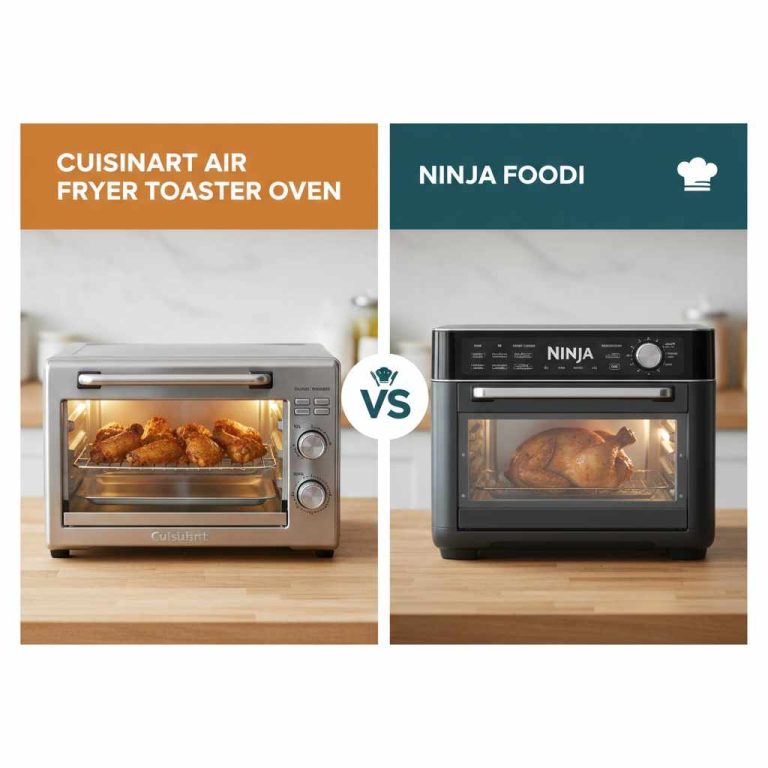
| Ninja | 4–6 years | Air fry fan motor | Newer brand; data is limited. Fan motor failure is the most common complaint. |
These are ranges, not guarantees. A well-maintained Black+Decker can outlast a neglected Breville. The brand matters less than your cleaning habits.
How to Add 3+ Years to Your Current Oven
You can’t stop thermal cycling, but you can slow down every other failure mode. These habits take minutes and pay off in years.
- Clean the crumb tray weekly. Crumbs catch fire. They also absorb moisture and cause rust. Pull the tray, tap it out, wipe it down.
- Wipe the interior monthly. Use a damp cloth on the walls and floor. Don’t use abrasive cleaners — they scratch the coating and expose bare metal to rust.
- Don’t preheat longer than needed. Every minute at full power is a minute of stress. Most ovens reach temperature in 5–7 minutes. If yours takes longer, the thermostat is drifting.
- Unplug when not in use. This protects against power surges and eliminates the tiny standby draw of digital models.
- Use the correct pan size. A pan that blocks the vents will overheat the element and undercook your food. If the pan touches the element, you’re doing it wrong.
One more thing: don’t line the bottom with aluminum foil. It reflects heat back onto the elements, causing them to overheat and fail prematurely. Use the crumb tray that came with the unit.
The Upgrade Factor: When “Still Working” Isn’t Good Enough
Here’s the uncomfortable truth: your 6-year-old toaster oven might work perfectly, but it’s still obsolete. The average toaster oven lifespan is one thing; the feature gap is another.
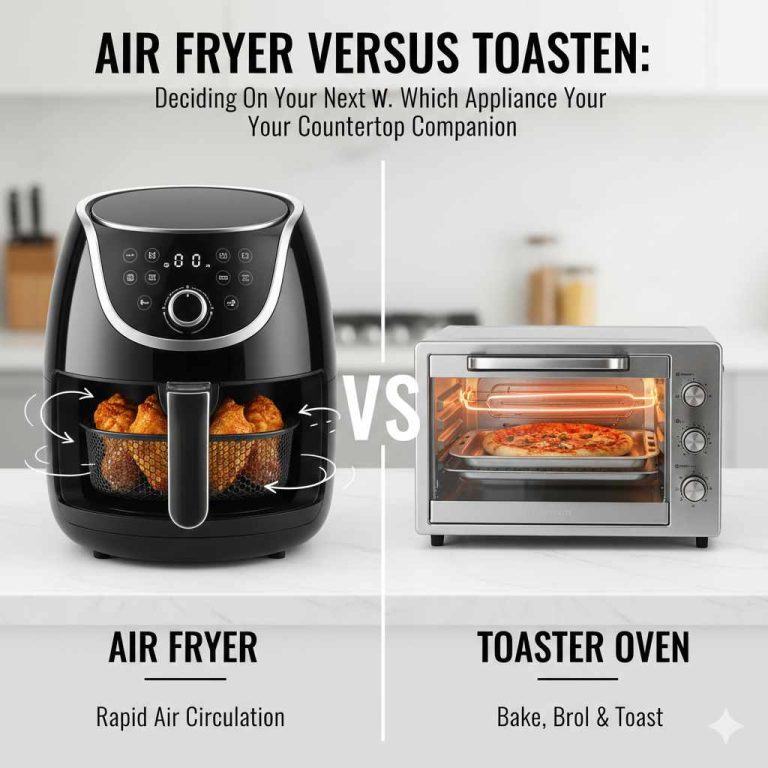
Older models lack air frying, which uses a high-speed fan to circulate hot air and crisp food with minimal oil. They also lack smart features like automatic shutoff and probe thermometers. If you find yourself using your full-size oven because the toaster oven can’t do what you need, then the toaster oven is failing you even if it’s not broken.
Consider this: a modern unit like the BLACK+DECKER 4-Slice Air Fry Toaster Oven replaces three appliances — your toaster, your air fryer, and your countertop oven. That’s less clutter, less counter space, and one set of controls to learn. The air fry function alone might justify the swap if you’re currently using a separate fryer.
But don’t upgrade just for the sake of it. If your current oven toasts evenly, holds temperature, and you don’t want air-fried food, keep it. The greenest appliance is the one you already own.
If you do decide to replace, think about what you’ll actually cook. Compare cooking times for your typical meals, and check whether a toaster oven beats a toaster for your morning routine. The answers might surprise you.
The Bottom Line on Toaster Oven Lifespan
Here’s what you need to remember when your oven starts acting up.
- Expect 3–7 years from most toaster ovens; mid-range brands like Cuisinart and Black+Decker sit in the middle of that range.
- Cost-per-use favors budget models, but energy efficiency and cooking accuracy favor mid-range and premium units.
- Unplug and replace immediately if you see a frayed cord, interior rust, or a cracked door — those are fire hazards, not repair jobs.
- Repair only the heating element or timer; replace the unit for thermostat, fan motor, or door issues.
- Clean the crumb tray weekly and wipe the interior monthly to add years to the lifespan.
- An old oven that still works can still be obsolete if it lacks the features you need, like air frying or accurate temperature control.
- Run the numbers before you shop. A new oven is a purchase, but so is a repair — and sometimes the repair is the worse deal.
Products related to this article
Sponsored / affiliate links. As an Amazon Associate I earn from qualifying purchases. I may earn additional commission from eligible campaigns.