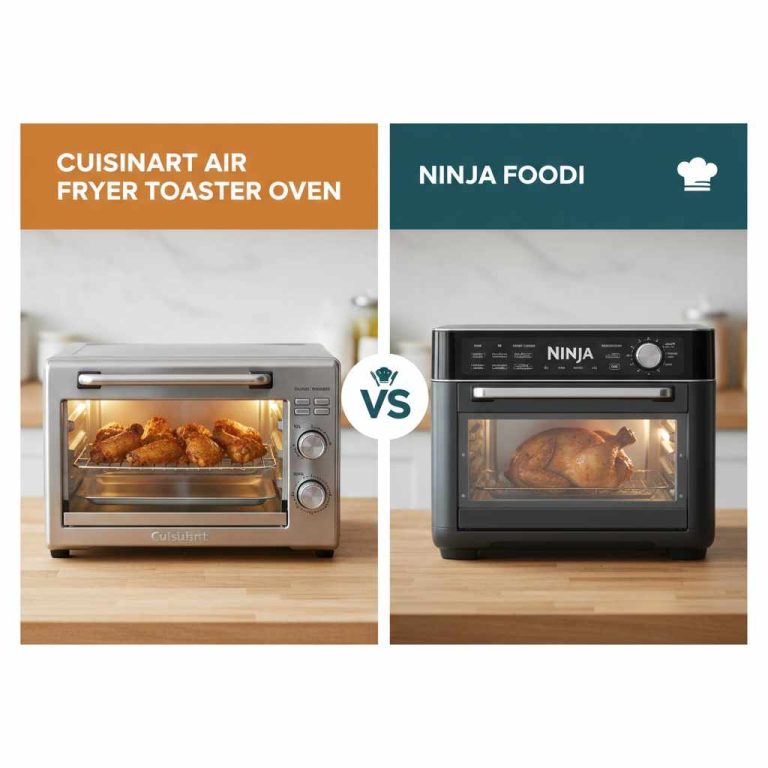
BLACK+DECKER vs Ninja Air Fryer Toaster Oven: Which One Actually Earns Counter Space?
Walk into any kitchen appliance aisle and you’ll see the same showdown playing out: a budget-friendly air fryer toaster oven from BLACK+DECKER sitting next to a pricier, feature-packed Ninja. They both claim to replace your toaster, your oven, and your deep fryer. But they go about it in very different ways, and the price gap between them is significant.
| Our Pick | Runner Up |
|

|
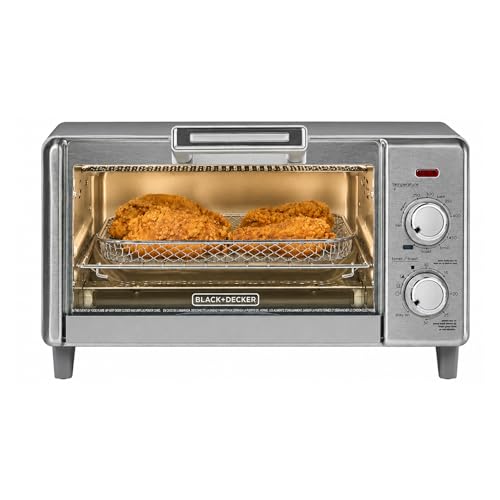
| BLACK+DECKER BLACK+DECKER 4-Slice Air Fry Toaster Oven, 5-in-1… | Ninja Ninja Digital Air Fry Countertop Oven, 8-in-1,… |
| See on Amazon | See on Amazon |
As an Amazon Associate I earn from qualifying purchases.
I spent two weeks cooking identical meals in both the BLACK+DECKER 4-Slice Air Fry Toaster Oven and the Ninja Digital Air Fry Countertop Oven SP101. I made frozen fries, chicken nuggets, roasted vegetables, toast, and even tried to bake a small pizza in each. The results surprised me, and they should matter to anyone who’s tired of heating up a full-sized oven for a single serving.
The short version: the Ninja is the better machine if you cook for more than one person or want true versatility. But the BLACK+DECKER wins on price, simplicity, and small kitchens. Keep reading for the full breakdown, because the right choice depends on how you actually cook.
Quick Verdict: Which Should You Buy?
If you’re a single person or a couple with limited counter space and a tight budget, the BLACK+DECKER is the smarter buy. It handles toast, frozen snacks, and small batches without complaint. You’ll sacrifice cooking speed and capacity, but you’ll save money and clutter.
If you have the counter space and cook for a family or like to meal prep, the Ninja is worth every extra dollar. It fits a 13-inch pizza, cooks up to 60% faster than a traditional oven, and its 8-in-1 functionality replaces several appliances. The larger cooking area alone justifies the price for most households.
Neither is perfect. The BLACK+DECKER has a cramped interior that makes air frying awkward. The Ninja is loud, and its fan never really shuts up. But for most people, the Ninja’s versatility wins out.
How They Work: Convection vs. Radiant Heat
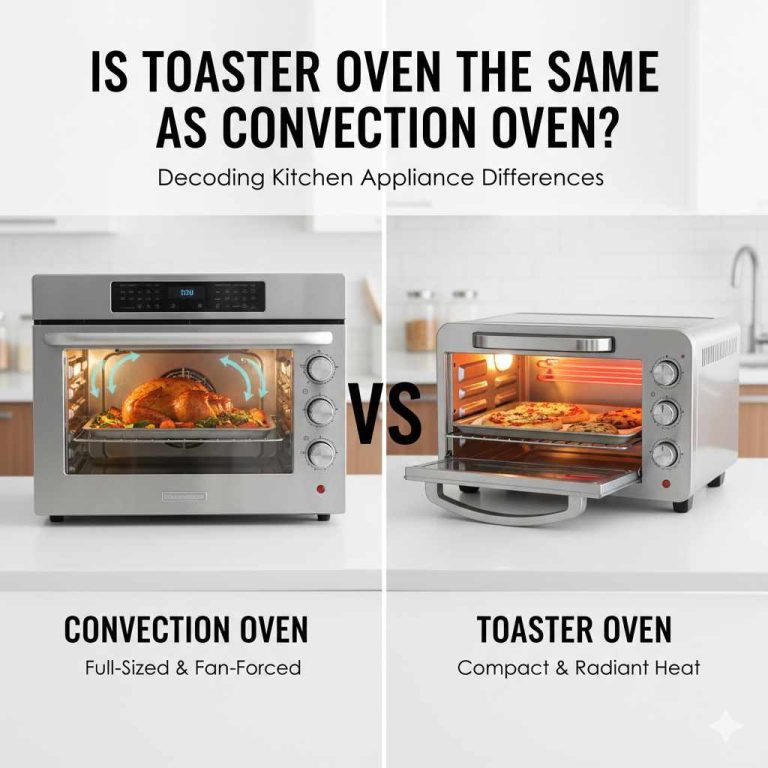
The core difference comes down to airflow. The Ninja uses a powerful 1800-watt convection system with a rear-mounted fan that circulates hot air aggressively. That’s what gives food that crispy, fried texture without oil. The BLACK+DECKER also claims air frying technology, but its heating elements are at the top and rely more on radiant heat with a gentler fan. It works, but it’s not the same.
Think of it this way: the Ninja is a tiny convection oven on steroids. The BLACK+DECKER is a toaster oven with a fan bolted on. Both can crisp food, but the Ninja does it faster and more evenly because the air actually moves around the food.
You’ll notice the difference immediately. Fries from the Ninja come out golden and crunchy in about 15 minutes. The same fries in the BLACK+DECKER take closer to 20 minutes and need a shake halfway through to avoid soggy spots. It’s not a dealbreaker, but it’s real.
Head-to-Head Cooking Test (Same Foods, Same Times)
I ran every test at the same temperature and time for both machines, then noted the results. Here’s what happened.
Frozen Fries and Chicken Nuggets
At 400°F for 18 minutes, the Ninja produced fries with a consistent golden-brown crunch. The BLACK+DECKER’s fries were edible but uneven—some pieces were dark, others pale. The nuggets told a similar story. Ninja’s came out with a crispy shell and juicy interior. BLACK+DECKER’s were drier and less crispy on the bottom where they sat on the mesh tray.
The Ninja’s larger pan also meant I could cook a full pound of fries in one batch. The BLACK+DECKER’s smaller basket forced me to cook in two batches, which doubled the total time. For a family, that’s a dealbreaker.
Roasted Vegetables and Sheet-Pan Meals
This is where the Ninja pulled ahead by a mile. Its 45% larger usable pan area meant I could roast a full sheet of broccoli and bell peppers without crowding. The vegetables came out caramelized and tender in 15 minutes. The BLACK+DECKER’s smaller tray could only hold about half as much, and the vegetables steamed instead of roasted because they were packed too tight.
Sheet-pan chicken thighs cooked evenly in the Ninja. In the BLACK+DECKER, the thighs closest to the heating element got overdone while the ones in the middle stayed slightly under. You can rotate the tray, but that’s an extra step you shouldn’t need.
Baking and Reheating Performance
The BLACK+DECKER actually held its own here. It toasted four slices of bread evenly thanks to its EvenToast technology, and it baked a 9-inch pizza with a decent crust. The Ninja’s toast function also worked well, but its bagel setting was the standout—it toasted the cut side while barely warming the crust.
For reheating leftovers, both machines did a fine job. The Ninja’s air roast function revived cold pizza to near-fresh crispness. The BLACK+DECKER’s keep warm setting worked fine for holding food, but it took longer to reheat because of the slower fan.
Size, Capacity, and Countertop Footprint
The BLACK+DECKER is compact. It fits a 9-inch pizza or four slices of bread, which makes it ideal for small kitchens, dorms, or RVs. It won’t dominate your counter, and it’s light enough to move around easily.
The Ninja is a beast. It’s XL-sized and will eat up a significant chunk of counter space. But that size buys you real capacity: a 13-inch pizza, up to nine slices of toast, or six chicken breasts. The interior height is only about 3 inches, so you can’t cook a whole chicken or a tall casserole, but for flat items it’s generous.
Measure your space before you buy. If you have a galley kitchen with limited counters, the BLACK+DECKER is the practical choice. If you have an island or a dedicated appliance garage, the Ninja’s footprint is a fair trade for its capacity.
Speed, Preheating, and Energy Use
The Ninja preheats in about 60 seconds. That’s not a typo—it’s genuinely fast. The BLACK+DECKER takes closer to three minutes to reach the same temperature. Over a week of daily use, that adds up to real time saved.
The Ninja also cooks up to 60% faster than a traditional oven on its air roast setting. The BLACK+DECKER is slower than the Ninja, but it still beats firing up your full-sized oven for a single serving. Both use less energy than a big oven, but the Ninja’s higher wattage (1800W vs. the BLACK+DECKER’s unspecified but likely lower draw) means it uses more electricity per minute. It just cooks faster, so the total energy per meal is comparable.
For energy efficiency, the BLACK+DECKER is the greener choice for small batches. The Ninja is better when you’re cooking for multiple people, since you won’t need to run it as long.
Noise Levels and Daily Annoyance
Nobody talks about this, but air fryer toaster ovens are loud. The Ninja’s fan is especially noticeable—it sounds like a small jet engine during the air fry cycle. It’s not unbearable, but you’ll hear it from the next room, and it might drown out a phone call or TV dialogue.
The BLACK+DECKER is quieter. Its fan runs at a lower speed, which means less noise but also less crispiness. If you live in a studio apartment or have a baby napping nearby, the BLACK+DECKER is the more considerate appliance.
Neither is silent, but the Ninja’s noise is a fair trade for its cooking performance. Just know what you’re getting into.
Cleaning and Maintenance: The Hidden Work
Both machines have removable crumb trays and non-stick coatings, but they clean up differently. The Ninja’s mesh tray and pan are dishwasher-safe, and the larger surface area means less food gets trapped in corners. The BLACK+DECKER’s included accessories—a bake pan, air fry mesh tray, and wire rack—also clean up fine, but the smaller size makes it harder to get your hand in to scrub the interior walls.
The bigger issue is the heating elements. In the BLACK+DECKER, the top elements are exposed and grease splatters onto them easily. That creates smoke and a burnt smell on the next use. The Ninja’s elements are partially shielded, which helps, but you still need to wipe down the interior regularly.
Plan on cleaning both after every few uses. The Ninja’s larger footprint means more surface area to wipe, but it’s easier to reach. The BLACK+DECKER is quicker to clean but requires more attention to the elements.
Price, Durability, and Replacement Parts
The BLACK+DECKER is the budget pick—check the current price on Amazon, but it’s typically less than half the cost of the Ninja. That price difference is the main reason to choose it. You get a solid, basic machine that will toast, bake, and air fry with acceptable results.
The Ninja costs significantly more, but you’re paying for the larger capacity, faster cooking, and 8-in-1 versatility. It’s built to last, with a stronger fan motor and better construction. The Ninja brand has a reputation for durability, and replacement parts like trays and pans are easy to find online.
The BLACK+DECKER is simpler, and simpler means fewer things to break. But its fan is less powerful, and the heating elements are more exposed to grease, which can shorten its lifespan. If you use it daily, expect two to three years. The Ninja should last longer, but if it does fail, the fan motor is the likely culprit—and that’s an expensive repair.
For replacement parts, the Ninja has a clear advantage. You can buy new trays, racks, and even the crumb tray directly from Ninja or third-party sellers. The BLACK+DECKER’s accessories are also available, but the selection is thinner, and you may end up buying a generic replacement that doesn’t fit perfectly.
The Bottom Line: Choose Based on Your Kitchen Habits
Let’s be honest: the Ninja is the better air fryer. It cooks faster, crisps better, and holds more food. If you have the counter space and the budget, it’s the clear winner for most households.
But the BLACK+DECKER isn’t a bad product. It’s a great value for a single cook, a couple, or anyone with a tiny kitchen. It toasts four slices perfectly, bakes a small pizza, and air fries without turning your kitchen into a wind tunnel. You just have to accept its limitations: smaller batches, slower cooking, and less even results.
Here’s my honest advice. If you’re a single person who mostly reheats leftovers and makes toast, save your money and get the BLACK+DECKER. If you cook for a family, meal prep on Sundays, or want to replace your toaster, oven, and dehydrator with one machine, the Ninja is worth the investment.
For baking enthusiasts, the Ninja’s air roast function is a game-changer for sheet-pan meals and roasted vegetables. The BLACK+DECKER will leave you frustrated with its cramped interior and hot spots. And if you’re still weighing your options, check out our comparison of the Cosori air fryer toaster oven vs Breville to see another premium contender.
Whichever you choose, you’ll be moving away from your full-sized oven for most meals. That’s a win for your energy bill and your patience. For more context on how these compare to a traditional oven, read our piece on toaster oven vs regular oven. And if you’re curious about the underlying tech, our guide on toaster oven vs convection oven explains the difference.
Frequently Asked Questions
Which one is easier for a beginner to use?
The BLACK+DECKER. Its controls are a simple dial and timer, no digital display to navigate. The Ninja has more settings, and it took me a day to figure out which function to use for which food. But once you learn it, the Ninja’s presets are more useful.
Can I cook a whole chicken in either of these?
No. The Ninja’s interior height is only about 3 inches, so it’s too short for a whole bird. The BLACK+DECKER is even smaller. Stick to chicken pieces, thighs, or breasts. For whole chickens, you’ll need a full-sized oven or a dedicated air fryer with a taller basket.
Do these replace a microwave?
Not really. Both are slower than a microwave for reheating liquids or leftovers. But they’ll reheat pizza and fried foods much better, restoring crispness that a microwave can’t. If you need a microwave for convenience, keep it. If you only use a microwave for reheating, these can replace it.
How often do I need to clean the crumb tray?
After every few uses, or at least once a week if you cook daily. Grease and crumbs build up fast, and a dirty tray will smoke the next time you use the machine. Both trays are removable and easy to wash, so there’s no excuse not to.
Products related to this article
Sponsored / affiliate links. As an Amazon Associate I earn from qualifying purchases. I may earn additional commission from eligible campaigns.