Tie Down Straps How Much? Price Ranges by Type
Tie-down straps usually cost roughly $5.48 to $79.90, depending on width, length, rating, and pack count. For a low-cost option that still fits light cargo, start with Hyper Tough 10 ft cam buckle straps at $5.97 with a 400 lb working load limit. If your load, anchor points, or trip length need more holding power, move up to a ratchet set with a higher rating.
How much do tie-down straps cost?
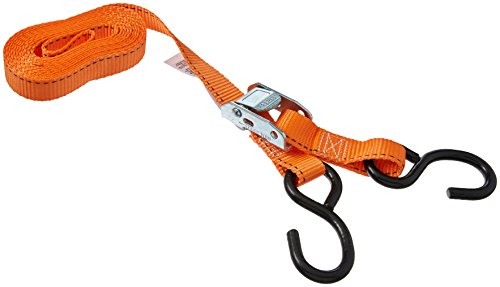
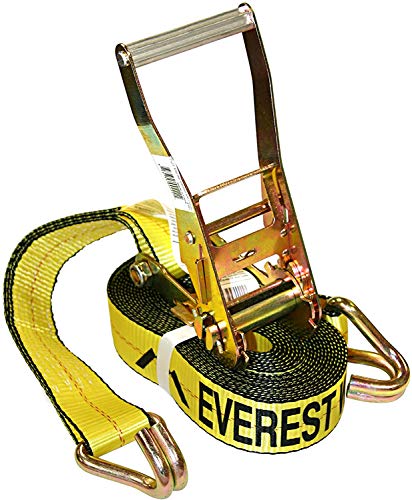

Light-duty cam buckle straps sit at the low end, while ratchet straps with stronger hardware and higher ratings cost more. For a basic pair, expect about $5 to $15. For heavier-duty packs used on trailers, motorcycles, or denser cargo, $25 to $60 is commonly reported, and specialty retractable sets can cost more.
What a higher price usually buys is more strap width, longer length, stronger hooks, a higher working load limit, and a mechanism that handles slack better, such as retractable storage or a ratchet that holds tension more firmly. Those features matter when cargo shifts, anchor distance is longer, or you need tighter control over slack.
If the job is light furniture, boxed household goods, or a short in-town move, a cheaper strap can be enough. If the cargo is a motorcycle, equipment on a utility trailer, or anything that will see freeway speed, a higher-priced ratchet set is easier to justify because the margin for error is smaller.
Tie-down straps price comparison
This table turns common strap jobs into buying ranges, not exact store promises. The point is to match the strap to the job before you compare prices, because width, length, hook style, and WLL move the price more than the color of the webbing.
| Common scenario | Typical strap type | Expected retail price band | Common width / length | Common hook style | Minimum useful WLL | When to step up in price |
|---|---|---|---|---|---|---|
| Boxes and light furniture in a van | Cam buckle strap | $5–$15 | 1 inch, 10–16.4 feet | Flat hook or S-hook | 200–400 lb | Step up if the load is tall, slippery, or likely to shift during braking. |
| Moving a sofa or mattress | Ratchet strap | $10–$25 | 1 inch, 10–15 feet | Flat hook or S-hook | 400 lb or higher | Step up if the anchor points are awkward or the item needs firmer tension. |
| Stacked household cargo on a utility trailer | Ratchet strap | $15–$35 | 1 inch or 2 inch, 10–15 feet | Flat hook, S-hook, or D-ring | Above 400 lb | Step up if you need longer reach or more reserve capacity than a light-duty set can provide. |
| Motorcycle transport | Ratchet strap | $20–$45 | 1 inch, 10–15 feet | Soft loop, S-hook, or D-ring | Higher WLL than basic cargo straps | Step up when the bike needs steadier preload, better hardware, or a cleaner anchor angle. |
| General truck bed cargo | Ratchet strap | $10–$30 | 1 inch, 10–16.4 feet | S-hook or flat hook | 400 lb or higher | Step up if the bed is deep, the anchor points are far apart, or the load is dense. |
| Lighter cargo in a car or crossover | Cam buckle strap | $5–$12 | 1 inch, 10–12 feet | S-hook or snap hook | 200 lb | Step up if the cargo has hard edges, stretches the strap near its limit, or needs firmer hold. |
| Roof rack bags and bins | Cam buckle strap | $10–$20 | 1 inch, 10–16.4 feet | Snap hook or flat hook | 200–400 lb | Step up if the anchor path is longer or the load needs more secure control in crosswinds. |
| Trailer side rails and stake pockets | Ratchet strap | $15–$35 | 2 inch, 10–15 feet | Flat hook or chain hook | Higher WLL than light cargo sets | Step up if the trailer sees rough roads, heavier cargo, or repeated loading cycles. |
| E-track cargo in enclosed trailers | Ratchet strap | $20–$45 | 1 inch or 2 inch, 10–16.4 feet | E-track fitting | 400 lb or higher | Step up if the anchor layout is fixed and you want stronger hardware with less slip risk. |
| Factory tie-down loops in SUVs or pickups | Ratchet strap | $10–$30 | 1 inch, 10–15 feet | S-hook or snap hook | 400 lb or higher | Step up if the loop spacing forces a longer strap or a hook style that fits more securely. |
| Midrange household move with mixed furniture | Ratchet strap | $20–$40 | 1 inch or 1.5 inch, 12–16.4 feet | Flat hook or D-ring | Above 400 lb | Step up if you want a better balance of length, hold, and durability than a bargain pack. |
| Frequent trailer or work use | Ratchet strap | $35–$80+ | 1 inch, 10–16.4 feet or 2 inch, 10 feet | Chain hook, flat hook, or D-ring | 1,000 lb class and up | Step up when the strap sees repeated tensioning, tough anchor hardware, or higher consequence if it fails. |
What the current examples say about price tiers
The supplied product examples show the market ladder clearly. Hyper Tough cam buckle straps are listed at $5.48 for a 2-pack and carry a 200 lb working load limit. Hyper Tough 10 ft cam buckle straps are priced at $5.97 and carry a 400 lb working load limit. That is the budget end of the market.
On the ratchet side, Rhino USA 1-inch by 15-foot ratchet straps are priced at $35.72 for a 4-pack and list 1,823 lb break strength. Rhino USA 1-inch by 10-foot retractable ratchet straps are listed at $79.90 for a 4-pack and list 1,209 lb break strength. Rhino USA 2-inch by 10-foot retractable ratchet straps are listed at $63.00 for a 2-pack and list 1,000 lb working load limit. XSTRAP STANDARD 1.5-inch by 16-foot ratchet straps are listed at $49.99 for a 4-pack and list 3,300 lb break strength.
Those examples make one point clear: pack count changes the sticker price, but rating and hardware usually decide whether the set is a bargain or a false economy.
Ratchet straps or cam buckle straps?
Cam buckle straps are usually cheaper, lighter-duty, and faster to snug on delicate cargo. Ratchet straps cost more, hold tension more firmly, and better suit heavier or more secure trailer work. If you are moving furniture or light boxes, cam buckle straps are often enough. If you are tying down a motorcycle or dense trailer load, ratchet straps are the better buy.
The choice changes with cargo type. A strap that feels fine on a short run across town can be a poor choice for a vehicle trailer trip where the load can settle, bounce, or shift. Tightening power is useful, but too much force can crush fragile cargo or deform softer items.
Say your cargo is a dresser with finished sides. A cam buckle strap with a 200 lb or 400 lb WLL may be the cleaner choice because you can tighten it without overloading the piece. For a motorcycle or a stack of equipment on a utility trailer, a ratchet strap is usually worth the extra cost because it gives more secure tension.
Best use cases for each
- Cam buckle straps: light household items, roof bags, and cargo that should not be compressed hard.
- Ratchet straps: motorcycles, trailer cargo, heavier boxes, and mixed freight that can settle during travel.
- Retractable ratchet straps: frequent use when faster storage and less loose webbing matter more than the lowest price.
What affects tie-down strap price the most?
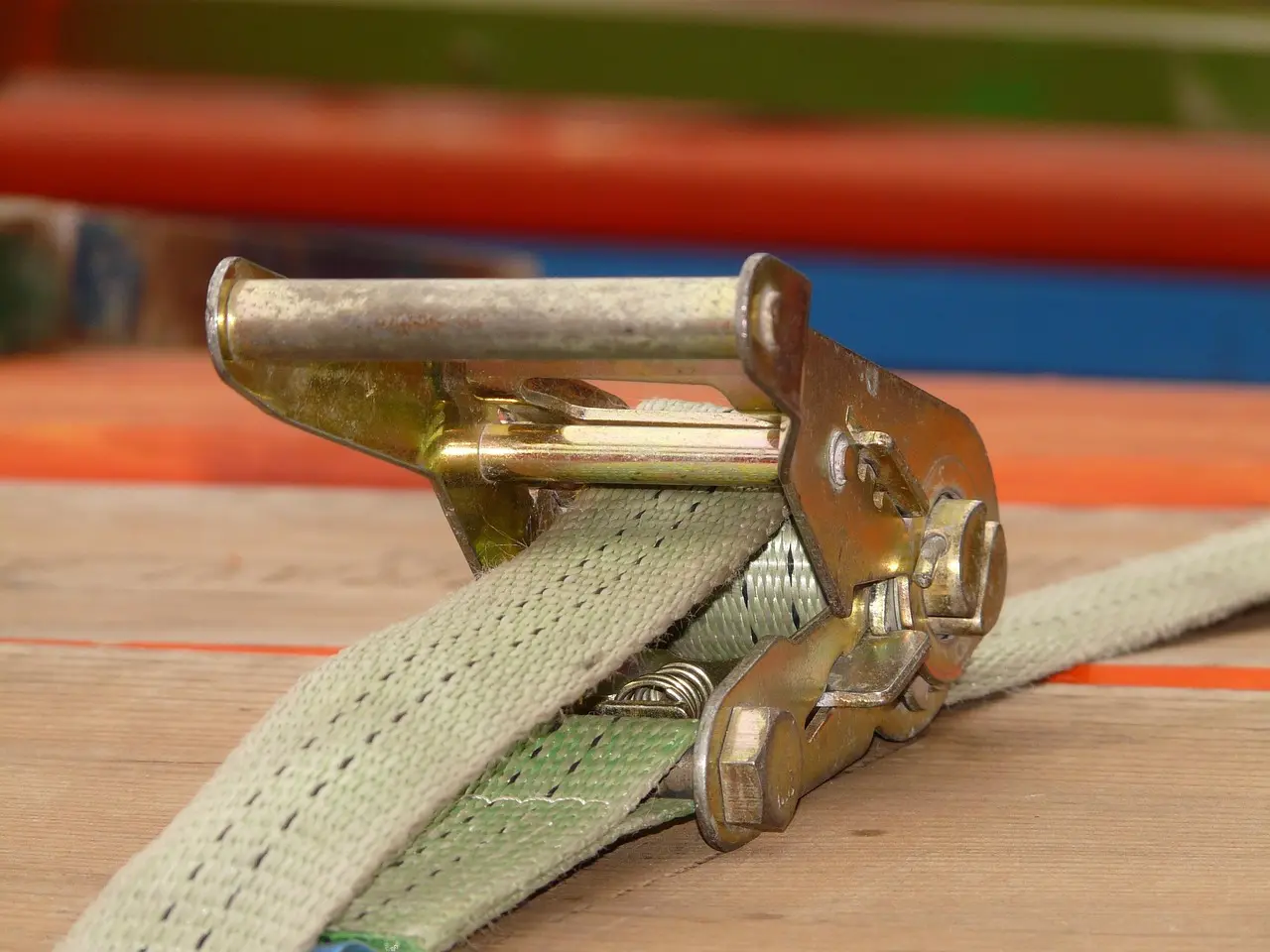
Width, length, hook style, and rating move price more than almost anything else. A 1-inch strap usually costs less than a 2-inch strap. Longer straps cost more because they use more webbing. Specialty hooks and retractable hardware add cost quickly, especially in packs meant for repeated use.
Working load limit also matters because higher ratings usually require stronger stitching, better hardware, or both. Break strength may look impressive on the tag, but it is not the usable limit for shopping or load planning. Pack count matters too: a 4-pack can look expensive at checkout, yet the per-strap cost may be lower than a 2-pack.
Material quality affects price when the strap needs better abrasion resistance, smoother ratcheting hardware, or sturdier stitching. Check the tag before buying. If the product does not clearly list the WLL, the hook type, and the length, compare a different listing.
Hook style and anchor compatibility
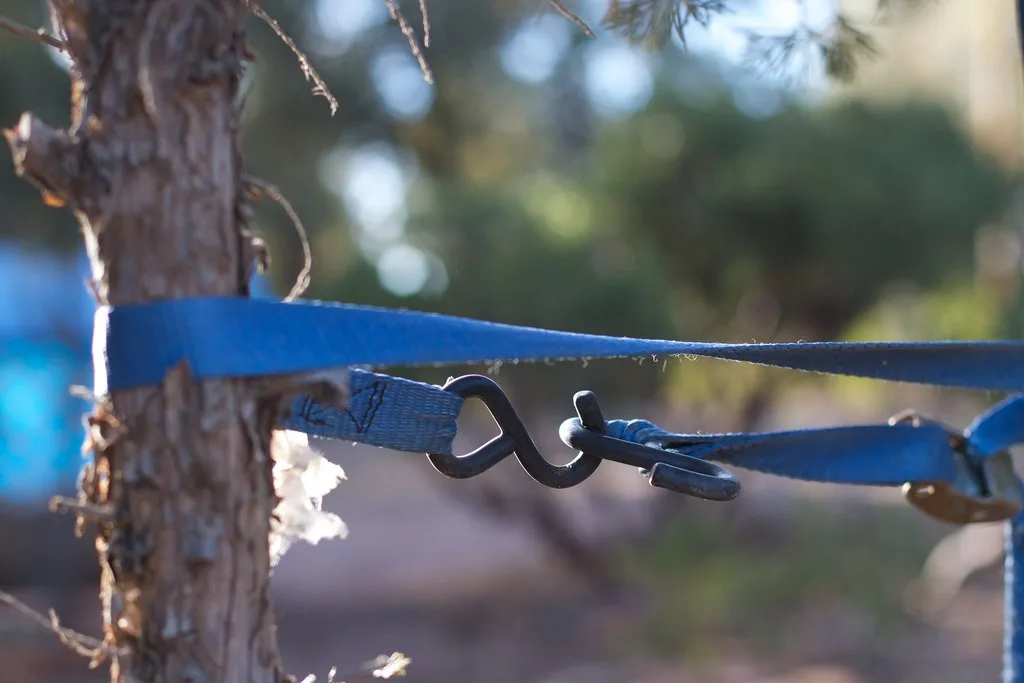
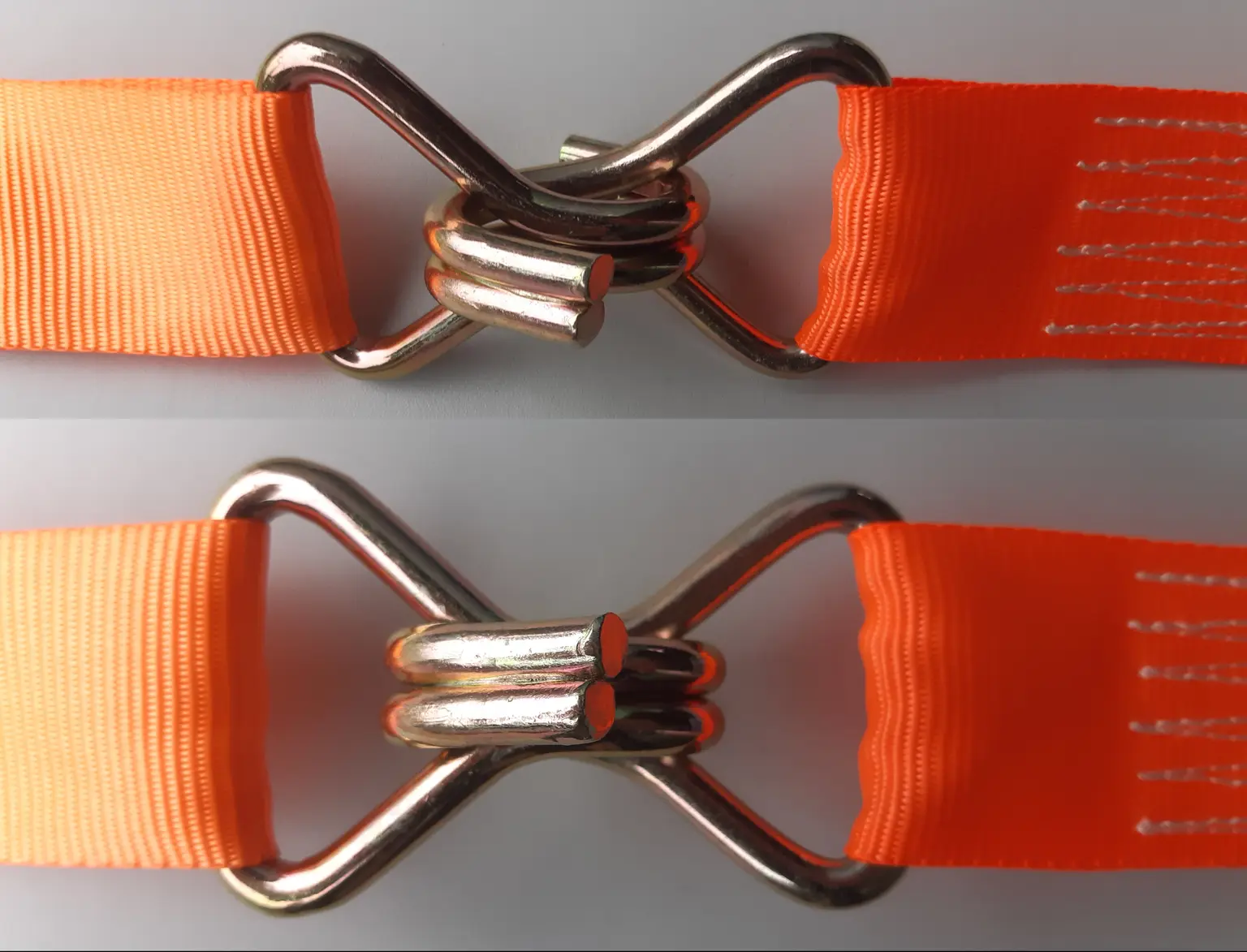
Hook style changes both fit and price. S-hooks are common and inexpensive. Flat hooks work well with many trailer edges. Chain hooks are better for some heavy trailer setups. Snap hooks, D-rings, and E-track fittings cost more when the anchor system demands them.
Anchor compatibility matters because a strong strap is useless if the hook does not fit the anchor point. Stake pockets, D-rings, E-track, and factory tie-down loops all call for different hardware. A strap with the wrong hook can slip, bind, or force a bad angle.
Pack count and included accessories
Two straps cost less than four, but the unit price can swing either way. A pack that includes soft loops, storage bags, or retractable hardware can cost more than a plain set with the same basic rating. If you only need two tie-downs, do not pay for extras you will not use.
How do WLL and break strength compare?
Working load limit is the number that matters for planning. It is the usable capacity printed on the tag and used for safe load decisions. Break strength is higher, but it is a marketing and specification number, not the working limit you should rely on for cargo planning.
That difference is why a strap with a big break-strength number can still be the wrong buy for the load. Look at the WLL first when it is listed. If only break strength is shown, compare carefully and choose a product that clearly states the usable limit for your job.
The sourced examples show both formats. Hyper Tough cam buckle straps list WLL figures, while Rhino USA and XSTRAP STANDARD ratchet straps list break strength on some models. That means you should not compare those numbers as if they were equal.
What to check on the tag
- Find the working load limit first.
- Check the break strength only as a secondary spec.
- Confirm the strap length matches the anchor distance.
- Confirm the hook fits the trailer, truck, or rack anchor.
- Inspect the webbing and stitching before every use.
Truckbrotools says the combined WLL should be at least half the cargo weight. That is a useful starting point, but it is not a substitute for the vehicle or trailer manual, cargo shape, anchor layout, and securement rules that apply to your setup. Follow the manual, never exceed the vehicle’s rated roof, hitch, or tow limit, keep items out of airbag zones and the driver’s view, and check local laws.
Which strap size fits trucks, trailers, and roof racks?
For most buyers, 1-inch straps are often used for light to medium jobs and can help keep costs down. Two-inch straps are better when you want more webbing surface, a firmer feel, or a trailer setup that sees heavier cargo. Length matters just as much. Ten feet is common for short anchor runs, while 12 to 16.4 feet gives more reach for larger cargo or wider anchor spacing.
Choose the strap for the anchor distance, not just the cargo size. A strap that is too short will force a poor route. A strap that is too long can leave extra slack to manage. For trucks and trailers, match the hook style to the anchor. For roof racks, make sure the hook or loop fits the rack and does not cut into the cargo.
Picture a pickup with factory tie-down loops near the bed corners. A 1-inch, 10-foot ratchet strap can be enough for smaller loads. If the same truck is carrying a long appliance or a wide piece of furniture, a 12- to 16.4-foot strap is easier to route cleanly.
Anchor points and matching hardware
- Stake pockets: often pair well with flat hooks or chain hooks.
- D-rings: work with many S-hooks, snap hooks, and clip-style fittings.
- E-track: needs E-track-compatible fittings.
- Factory tie-down loops: usually accept common hooks, but the fit should be checked before loading.
For trailer and truck use, the strap should match the anchor point and the cargo path. For a motorcycle, the wrong hook can create a bad angle at the fork or frame point. For a roof rack, the wrong length can leave too much slack, which increases movement and noise.
Frequently asked questions
How much are tie down straps?
Most buyers will see prices from about $5 to $25 for basic light-duty straps and $25 to $60 for stronger ratchet sets used on trailers, motorcycles, or heavier cargo. Specialty retractable or higher-rated sets can cost more. The right price depends on width, length, hook style, and WLL.
How much are tie down straps at harbor freight?
Current retailer pricing changes often, so the safer answer is to compare the product tag, WLL, length, and hook type rather than chase a store-wide average. Budget straps at mass retailers can start around the same low single-digit range shown by the Hyper Tough examples, but check the live listing before buying.
How much are tie down straps at walmart?
Prices at big-box stores vary by brand and pack count, but the supplied examples show that budget cam buckle straps can land near $5.48 for a 2-pack and $5.97 for a 10-foot pair. Use those figures as a price reference, then compare the listed WLL and hook style before deciding.
What is the difference between break strength and working load limit?
Working load limit is the usable number for planning and safe cargo securement. Break strength is higher and shows the approximate failure point, not the number you should shop by. If a tag lists both, use the WLL first. If only break strength is listed, compare carefully and verify the cargo plan.
How many tie-down straps do I need for a load?
There is no safe one-size answer. The number depends on cargo shape, anchor layout, strap angle, and the securement rules that apply to your vehicle or trailer. Use enough straps to keep the load stable from more than one direction, and follow the manual rather than relying on a simple weight rule.
Which strap type is cheaper, cam buckle or ratchet?
Cam buckle straps are usually cheaper because the hardware is simpler and the duty level is lighter. Ratchet straps cost more, but they provide stronger tension control and better fit for heavier cargo. If the load is delicate and light, cam buckle straps are often the better value. For trailer work, ratchet straps usually win.
Products related to this article
Sponsored / affiliate links. As an Amazon Associate I earn from qualifying purchases. I may earn additional commission from eligible campaigns.