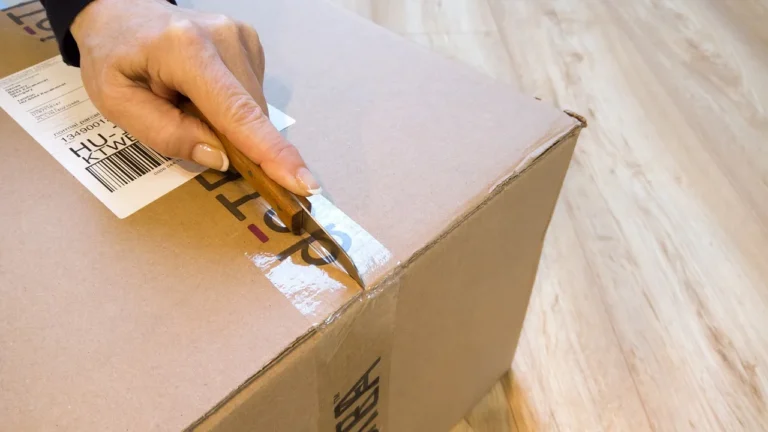
Furniture Shipping Cost Problems: Fixes That Work
Furniture shipping costs usually come from a few common fee drivers, such as size, weight, access, or protection, and the best fix is the one that lowers the charge without increasing damage risk. Ignore the source and you can pay for the wrong service, then still face damage claims or a second shipment. This guide shows how to identify the fee source, compare lower-cost fixes, and choose the safest option.
Why furniture shipping gets expensive

Furniture shipping gets expensive when the item is large for its actual weight, hard to move, or likely to need extra handling. Shipping pricing depends on size, weight, and distance, and furniture often adds packing materials, travel costs, and insurance on top of the base rate. Supply chain costs such as materials inflation, transportation costs, and tariffs can also flow into the quote.
Size, weight, and route are the main drivers
Oversized dimensions are often the first place shipping costs increase. Shipping completely assembled furniture often costs more and takes up more room, which pushes the quote higher even when the scale weight looks modest. Actual weight still matters, but a bulky chair or table can price like a much heavier shipment because it occupies more carrier space.
Access can add another layer. A narrow hallway, stairs, an elevator, or a long carry from curb to door can change the service level or add fees. If the route is hard, the carrier may need more labor, more time, or a different delivery method.
Where surcharge creep begins
Surcharge creep usually starts when a quote leaves out one of the real job steps: packing, pickup, delivery to the room, unpacking, assembly, or insurance. White-glove furniture shipping handles packing, pickup, delivery, and placement, so it costs more because more labor is built in. For large pieces, freight shipping is often the better comparison point than parcel service.
Suppose you are shipping a solid wood dresser. If you request a parcel quote using only the dresser’s scale weight, the price can look low at first. Add outer carton size, stair carry, and protective packing, and the final total can move sharply upward.
How much does furniture shipping cost?
The short answer is that the cost can range from modest to very high depending on size, access, and service level. Small to medium furniture can ship through UPS, FedEx, or USPS, while larger furniture like sofas, dressers, and wardrobes requires freight. If you add white-glove delivery, the price usually rises again because packing, handling, and placement are part of the service.
Worked example: parcel versus freight
Here is a simple comparison format you can use before booking:
| Quote item | Parcel-style shipment | Freight shipment |
|---|---|---|
| Item | Dining chair | Sofa |
| Height, width, depth | 40 in x 24 in x 24 in | 36 in x 90 in x 40 in |
| Outer carton size | 42 in x 26 in x 26 in | 92 in x 42 in x 42 in |
| Actual weight | 35 lb | 140 lb |
| Best comparison tool | UPS shipping quote or FedEx shipping quote | Freight calculator |
| Likely service level | Ground parcel | LTL freight |
| Most important cost check | Dimensional weight and access fees | Trailer space, dock access, and pickup/delivery service |
That table is not a live price quote. It is a way to compare the inputs that move the bill. If the outer carton size rises fast, the shipping quote often rises faster than the scale weight would suggest.
Dim weight versus actual weight
Dimensional weight, or dim weight, is a carrier pricing method that uses package dimensions. It can exceed actual weight charges when a box is large but relatively light. Actual weight is what the shipment weighs on a scale, and carriers compare it with dimensional weight before setting the billed weight.
What carriers measure
The key inputs are height, width, and depth. For furniture, you also need outer carton size, because the boxed dimensions can be far larger than the bare item. If the item is shipped assembled, the carton may become the main cost driver rather than the piece itself.
When the billed weight changes
If the dimensional weight is higher than the actual weight, the carrier usually bills on the dimensional figure. That is why a light bookshelf in a large carton can cost more than a denser item of the same scale weight. The quote can change again if the carrier finds the measured carton is larger than the value entered in the booking form.
Which quote inputs to check first?
Start with the largest true dimensions, then check whether the item can be broken down into smaller parts. After that, compare the quoted service against the access path: doorway, stairs, elevator, and room placement. If the route is difficult, a cheaper base rate can disappear once accessorial fees are added.
Furniture shipping cost problem fix table
This table separates fixes that lower the bill from fixes that mainly reduce damage risk. That distinction matters. Some changes save money right away. Others cost a little more up front but reduce claim risk later.
| Problem type | Likely cause | Typical cost impact | Best fix | When the fix is not worth it |
|---|---|---|---|---|
| Oversized dimensions | Large height, width, depth, or a bulky outer carton | Can push a parcel quote into a higher billed weight band | Disassemble when the design allows it; trim carton size | Not worth it if disassembly risks stripped hardware or weak joints |
| Disassembly | Fixed parts take up extra space during shipping | Usually lowers volumetric cost; may add labor if done by a carrier | Separate legs, shelves, or removable arms before quoting | Not worth it for fragile joinery or one-time glued construction |
| Packing | Poor protection forces extra wrap or handling care | Raises materials cost if done late; can prevent damage claims | Use corrugated sheets, packing tape, protective wrap, corner protection, and cartons or boxes | Not worth skimping on wrap for glass, veneer, or finished corners |
| Accessorial fees | Stairs, elevator limits, long carry, or inside placement | Can add a separate line item beyond the base quote | Confirm access before booking and choose the service that matches the route | Not worth forcing a cheaper service if access is clearly difficult |
| Insurance | Declared value too low for a valuable item | Increases cost slightly, but lowers financial loss if damage occurs | Use insurance for valuable items and keep proof of condition | Not worth it for low-value pieces where replacement is cheaper than coverage |
| Claim risk | Weak packing or vague condition records | Can turn a low quote into a higher total after loss or dispute | Photograph the piece, record measurements, and keep the shipping policy page | Not worth skipping documentation when the item is hard to replace |
Which shipping method fits your piece?

The best method depends on size, weight, and the level of handling you need. Parcel can work for small to medium furniture. Freight is often better for large or heavy items. White-glove delivery fits pieces that need inside delivery, unpacking, or assembly. Compare several shipping options before you book, because the cheapest-looking quote is not always the lowest final bill.
Parcel quotes from UPS or FedEx
Use a UPS shipping quote or FedEx shipping quote when the piece is small enough to fit their size rules after boxing. Enter the exact outer carton size, actual weight, pickup ZIP code, delivery ZIP code, and any service options. If the seller or carrier asks only for weight, stop and add the dimensions before you compare rates.
Parcel service usually works best when the outer carton is compact and the route is straightforward. If the boxed item is large, the billed weight can rise faster than expected because dim weight affects furniture shipping pricing.
Freight shipping for bulky items
Freight shipping is usually the better choice for larger or heavier furniture. LTL freight shares trailer space with other shipments, so it can be cheaper per pound for bulky items than parcel service. A freight calculator is the better comparison tool when the piece is too large for standard parcel pricing or when access is more complex.
Say your sofa will not fit in a standard parcel carton without a very large box. Parcel quotes may jump because of size alone. Freight can be the lower-risk comparison because the pricing model fits bulky furniture better.
White glove delivery when service matters
Choose white-glove delivery when you need inside delivery, unpacking, or assembly. White-glove furniture shipping handles packing, pickup, delivery, and placement. That service costs more because the carrier is doing more work at both ends of the move. It can still be the right choice when stairs, a narrow entry, or a fragile finish makes basic drop-off too risky.
How do you avoid surprise fees?
Avoid surprise furniture shipping fees by checking the details before you book. Measure height, width, and depth, confirm the outer carton size, verify doorway, stair, and elevator access, and ask which accessorial fees apply. Review the shipping policy page before checkout so the charge list is clear and the delivery scope matches the quote.
Measure before quoting
Measure the furniture itself and the boxed version if it will be packed. Height, width, and depth are the core numbers for quote tools. If the item is disassembled, record the largest packed part, not just the assembled piece.
- Measure the item in its shipped form.
- Measure the outer carton size after packing.
- Check doorways, stairs, and elevators at both addresses.
- Ask the carrier what accessorial fees may apply.
- Confirm whether insurance is included or optional.
- Read the shipping policy page before payment.
Check access for doors, stairs, and elevators
Access problems are a common source of extra cost. A couch that fits a hallway but not an elevator can require a different delivery setup than a chair going to a first-floor entry. The key is to confirm the route before the booking is final, not after the truck is already scheduled.
Ask about accessorial fees and insurance
Ask whether the quote includes pickup, delivery, inside placement, unpacking, assembly, and protection against damage. That list matters because furniture shipping cost problems often show up as add-ons, not base price increases. Insurance should be reviewed separately, especially for items with high replacement cost or hard-to-match finishes.
How to cut cost without adding damage risk
The lowest safe price usually comes from removing waste, not removing protection. Disassemble pieces when the design allows it. Use packing materials that fit the item. Compare several shipping choices. If the item is bulky, compare terminal-to-terminal and consolidated shipping before you accept a full door-to-door quote.
Disassemble when the design allows it
Disassembly can lower volume, which may reduce the billed weight and the space charge. It is worth doing when legs, shelves, arms, or other removable parts come off cleanly. Skip it if the item uses delicate joinery or the hardware is easy to lose.
Use packing materials that match the item
Use corrugated sheets, packing tape, protective wrap, corner protection, and cartons or boxes that fit the piece. Better packing does not always lower the quote, but it often lowers claim risk. That matters because a cheap shipment that arrives damaged is not a cheap shipment.
Choose terminal-to-terminal or consolidated shipping when practical
Terminal-to-terminal shipping can save money versus door-to-door delivery. Consolidated shipping spreads transportation expenses across several customers, which can bring the price down for less time-sensitive furniture. These options are most useful when you can handle drop-off or pickup at a terminal and do not need room placement.
For a single table, a terminal move may be the cheapest option if the pickup and drop-off locations are manageable. For multiple household items, consolidation can make more sense because the shipment can be grouped with other freight and the cost is shared more efficiently.
Frequently asked questions
How expensive is it to ship furniture?
It can be modest for a compact item and much higher for a bulky one. A light chair in a small box may compare differently than a sofa that needs freight. The main drivers are dimensional weight, actual weight, route distance, access, and whether the quote includes protection or inside delivery.
How can I avoid surprise furniture shipping fees?
Measure the item, measure the carton, and confirm doorways, stairs, and elevator access before booking. Then ask which accessorial fees apply and check the shipping policy page for what is included. The safest quote is the one that matches the real delivery path, not just the item’s scale weight.
What factors change furniture shipping costs
Size, weight, and distance are the biggest drivers, but access and service level matter too. Dimensional weight can price a bulky carton above its actual weight. Packing materials, insurance, terminal handling, and white-glove placement can also raise the total.
How do dimensional weight and actual weight affect furniture shipping?
Carriers compare the two and bill on the higher figure when dimensional weight is greater. That is why a large, light carton can cost more than its scale weight suggests. For furniture, the outer carton size often matters as much as the piece itself, especially after boxing or padding.
What’s the cheapest way to ship a piece of furniture?
The cheapest safe option is usually the one that fits the item without forcing extra handling. For small pieces, parcel quotes can work if the carton stays compact. For bulky furniture, freight or consolidated shipping can be lower cost. Terminal-to-terminal can also save money when pickup and drop-off are flexible.
Products related to this article
Sponsored / affiliate links. As an Amazon Associate I earn from qualifying purchases. I may earn additional commission from eligible campaigns.
 ASTIMESA 8 Pieces 1.77" Square Furniture Sliders, Heavy Duty Furniture Pads Cups with Carpet Base, Reusable Floor Protectors for Hardwood Vinyl Tile Couch Table Chair Bottom (Brown) (45mm, Square)
 FLEXMAN H8 Router Table Insert Plate, Precision Aluminum Alloy Wood Milling Flip Board Set, 9.5 X 7.9 Multifunctional Woodworking Router Plate for Carving Milling