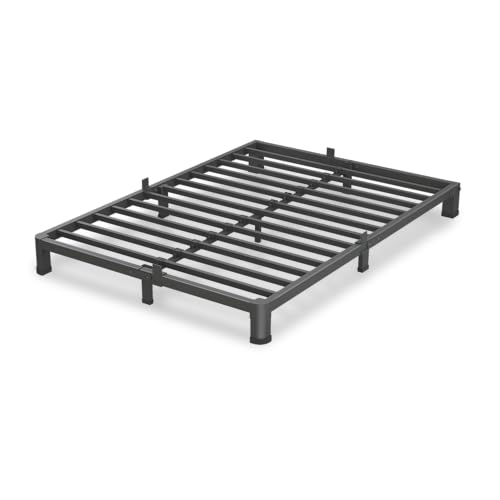
How to Fix a Broken Bed Slat
A broken bed slat can be glued only if the crack is clean, tight, and still fully supports weight; if the break is open or weakened, bridge it with a sister board or metal plate, and replace it if the wood is crushed, split into pieces, or badly bowed.
What you’ll need


- Flashlight for inspecting dark corners and slat ends
- Wood glue for a clean crack in a wooden slat
- C-clamp or bar clamp for controlled pressure
- Measuring tape for slat thickness, width, and length
- Replacement slat stock or a cut-to-size board
- Self-adhesive felt pads for contact points and slat ends
- Beeswax or furniture wax for wood-on-wood rubbing
- Basic hand tools for tightening loose screws, nuts, and bolts
How to inspect the damage
- Take off the mattress and bedding so the frame carries no slat load.
- Use a flashlight to inspect the broken slat, the side rails, corner joints, and the center support beam.
- Check and tighten loose screws and bolts before any repair work; loose hardware often causes repeat failures.
- Look for the failure type: a hairline crack, a split-through crack, a snapped slat, or repeated failure at the same spot.
- Measure the old slat’s thickness, width, and length before buying parts. Match the replacement length and width closely, and note whether the original is solid wood or engineered wood.
Picture a 2-by-4-foot platform bed with one center slat cracked near the rail socket. If the crack is clean and the rest of the slat is flat, repair may hold. If the same slat keeps breaking at the rail end, the frame fit or support layout is the deeper problem.
Bed slat decision table
| Damage type | Safe fix | Tools | Estimated cost | Time | Replace-vs-repair threshold |
|---|---|---|---|---|---|
| Hairline crack | Wood glue, flat clamping, overnight cure | Glue, C-clamp or bar clamp, flashlight | $5–$15 | 30–60 min plus drying time | Repair if the crack is closed, clean, and not at a crushed end |
| Split-through crack | Bridge with a matching repair piece or replace the slat | Glue, clamp, screws only if the repair piece is added, measuring tape | $10–$30 | 1–2 hrs | Replace if the split runs through the load path or splinters are missing |
| Snapped slat | Replace the slat with matched thickness and width | Measuring tape, saw or cut-to-size stock, screwdriver | $10–$40 | 30–60 min | Replace if the slat is in two pieces or bowed after the break |
| Recurring failure | Replace the slat and correct the frame support | Measuring tape, clamps, wrench or screwdriver, felt pads | $15–$60 | 1–2 hrs | Replace if the same spot fails again, or if rails, sockets, or center support are damaged |
- For a clean crack, apply wood glue to both faces, press the pieces flush, and clamp them with a C-clamp or bar clamp.
- For a split-through crack, add a sister board or bridge piece that matches the slat width and spans well past the damage on both sides.
- For a snapped slat, replace it with a new slat measured from the old one first; hardwood is the better long-term choice for load-bearing support.
- For recurring failure, inspect the side rails, slat spacing, rail sockets, corner joints, and center support beam, then tighten or replace the weak part.
- A common rule of thumb is to keep glued repairs clamped overnight. Do not put the mattress back on a fresh glue joint early.
- Check the repaired slat under light load first, then recheck after the mattress is back in place.
A common first-timer mistake is gluing a fully snapped slat because the break edges still line up. If the wood is crushed or the grain is torn through, glue alone will not restore the load-bearing function.
What if the slat is cracked but not broken?
Use glue only for a clean crack with no missing wood, no heavy splintering, and no permanent bend. Clamp the slat flat so the grain lines up, then let the joint dry fully before it carries weight again.
If the crack is near the rail end, inspect the contact point too. A loose rail socket or worn slat cap can keep flexing the same area until the crack opens again.
Glue the crack the right way
- Open the crack just enough to spread wood glue into the split.
- Align the grain direction and press the slat flat under clamp pressure.
- Wipe off squeeze-out, then keep the clamp on overnight.
- Reload the bed only after the joint is fully dry.
Is plywood a safe substitute?
Plywood is not a universal substitute. Check whether the frame expects individual slats or a full deck, because changing from slats to a sheet changes support behavior and airflow. A 3/4″ plywood sheet can work as a platform upgrade in some frames, but it is not the first choice when the layout depends on slat spacing.
If you switch materials, match thickness and support points carefully. Use a replacement slat when the original bed design relies on separate slats, side rails, or a center support beam.
Use plywood only when the frame layout allows it
- Measure the opening inside the side rails.
- Check whether the frame has a center support beam that would sit under a sheet.
- Confirm that the mattress still sits level without creating gaps at the edges.
- Choose a sheet only if the frame is built to carry a deck rather than spaced slats.
Common mistakes
- Using glue on a fully snapped slat instead of replacing it.
- Skipping the frame inspection and missing loose screws or bolts.
- Choosing the wrong slat size, especially the wrong thickness or width.
- Ignoring the center support beam when the sag or squeak comes from there.
- Leaving a repair clamped for too short a time.
- Reusing a warped or badly split slat as if it were sound.
If the bed still squeaks after the slat repair, the noise may come from friction at the slat ends or loose hardware at the center support. Felt pads help at wood-on-wood contact points, and beeswax or furniture wax can quiet rubbing for a temporary to medium-term fix.
When should you replace the whole slat?
Replace the whole slat when the wood is split through, splintered, or repeatedly failing in the same spot. Replace it too if the support points are damaged, the slat is warped, or the frame fit is wrong enough that a repair would only delay the next break.
A hardwood replacement that matches the old slat’s thickness and width is usually the safest long-term choice. If the frame uses proprietary connectors, such as on some IKEA-style beds, measure the old piece first and check the connector shape before buying a generic board.
Fix the support before fitting the new slat
- Tighten the side rails, corner joints, and center support beam before installing the new slat.
- Check slat spacing so the replacement sits where the mattress support expects it.
- Add felt pads at the ends if the new slat rubs on wood.
- Use wax on contact points only if the squeak is from rubbing, not from a loose joint.
Frequently asked questions
Can you fix a broken bed slat?
Yes, but only if the damage is a clean crack and the slat still has full strength after clamping. A split-through crack may accept a bridge repair, while a snapped or repeatedly failing slat should be replaced. Safety matters more than saving the old piece.
What should I do if a bed slat is cracked but not fully broken?
Glue it if the crack is tight and the wood is not crushed, then clamp it overnight. If the slat has splintering, a bend, or a crack near a damaged support point, replace it. The repair should restore flat support, not just close the gap.
Products related to this article
Sponsored / affiliate links. As an Amazon Associate I earn from qualifying purchases. I may earn additional commission from eligible campaigns.