Hard Vs Soft Bed Cover: Essential Guide
Choosing the right truck bed cover (tonneau cover) depends on your top priority—security and weatherproofing (hard) or easy access and low cost (soft). Hard covers offer superior protection, while soft covers provide lightweight, flexible coverage for lighter hauling needs.
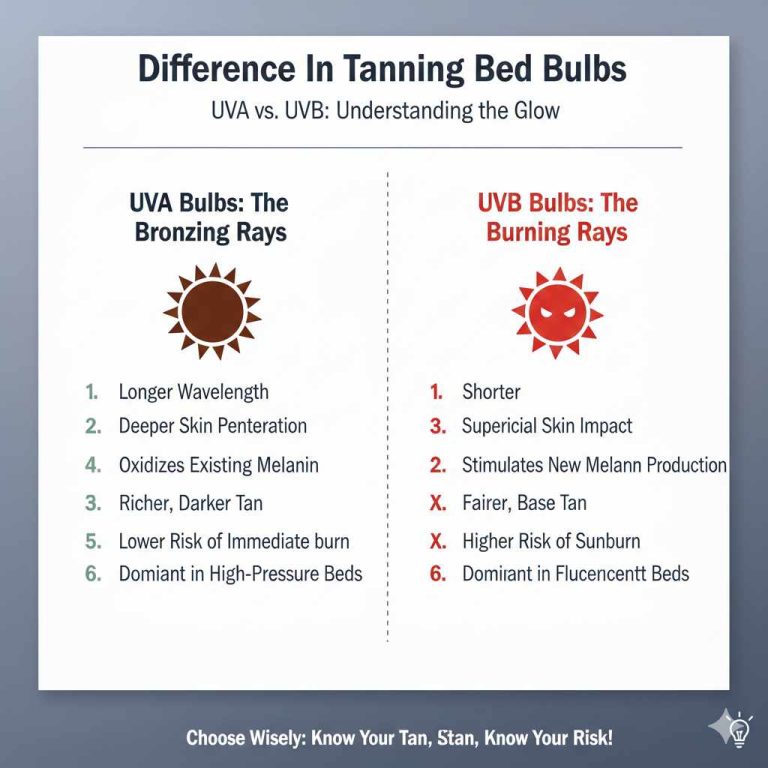
For a related kitchen decision, Difference In Tanning Bed Bulbs: Proven Essential Facts adds another practical detail to check.
Hoping to keep your truck bed cargo safe, dry, and out of sight? That’s a smart move! Choosing the right bed cover is a big decision for any truck owner. It can feel confusing because there are so many options, mainly split between hard and soft covers. Many people wonder which type offers the best value or protection for their specific needs. Don’t worry! This friendly guide will break down exactly what makes a hard cover tick and how a soft cover performs. We will give you all the clear facts you need to confidently pick the perfect cover for your truck. Let’s dive in and simplify this choice today!
As a truck owner, you rely on your bed for hauling tools, groceries, luggage, or weekend project supplies. A tonneau cover helps protect that gear. But when you start shopping, you hit the main fork in the road: Hard or Soft?
Understanding the Main Types of Truck Bed Covers
Before we compare them side-by-side, let’s briefly define what we mean by “hard” and “soft.” Both fall under the general term “tonneau cover,” meaning a cover designed to fit flush over the truck bed rails.
What is a Hard Bed Cover?
A hard cover is built using rigid materials, usually aluminum panels, fiberglass, or hard ABS composite plastic. These panels lock together securely when closed.
Think of a hard cover like the roof of your car—it offers solid, unyielding protection. They are typically divided into styles like Tri-Fold (three sections that fold up) or Retractable (panels slide into a canister at the front of the bed).
What is a Soft Bed Cover?
A soft cover is made from flexible, durable fabric, often vinyl or canvas, stretched over a supportive frame.
These covers are roll-up (they roll entirely toward the cab as you open them) or snap-on (using snaps along the sides, similar to an old convertible top). They are lightweight and generally offer less rigid security than hard covers.

Hard Bed Covers: Maximum Protection and Security
Hard bed covers are the premium choice for truck owners who prioritize keeping their cargo totally secure and safe from harsh weather.
Pros of Choosing a Hard Cover
Hard covers offer major advantages when it comes to durability and defense. They feel sturdy, and that feeling translates directly into real-world benefits:
- Superior Security: They are extremely difficult to break into. The solid panels often lock with the tailgate, making theft nearly impossible without specialized tools or significant effort.
- Excellent Weatherproofing: Because they use solid surfaces and tight seals, hard covers excel at keeping rain, snow, and dust completely out of your bed.
- Durability and Longevity: Materials like reinforced aluminum can withstand heavy snow loads and accidental impacts much better than fabric. They truly last the lifetime of your truck.
- Aesthetic Appeal: Many hard covers sit flush with the top of the truck bed rails, giving a clean, factory-installed look.
- Potential Fuel Savings: By creating a smoother, more aerodynamic profile over the cab, hard covers can sometimes offer a slight reduction in wind resistance, potentially helping fuel economy (though results vary).
Cons of Choosing a Hard Cover
No option is perfect, and hard covers come with a few trade-offs, usually related to weight and access.
- Higher Cost: They involve more material and complex engineering, making them significantly more expensive upfront than soft covers.
- Reduced Bed Access: To get to items buried underneath, you usually have to fully fold up (Tri-Fold) or fully retract (Retractable) the entire cover, which takes up space either over the cab or in the canister.
- Weight: Hard covers—especially aluminum ones—are heavy. While manageable, removing them for large hauling jobs can be a two-person job.
- Potential for Damage: If you drop a heavy object onto a fiberglass or composite cover, it can chip or crack, which is more difficult and costly to repair than a tear in fabric.
Common Hard Cover Styles
When shopping for hard covers, you’ll generally see three main types:
- Hard Tri-Fold: Three rigid panels that fold in sequence toward the cab. They offer a good balance of security and moderate access.
- Hard Retractable: Panels slide along tracks into a canister mounted near the cab. They provide near-full bed access but cost the most.
- One-Piece Hinge/Tilt: These lift up like a giant trunk lid. They offer excellent weather sealing but lock up the entire bed when opened.
Soft Bed Covers: Affordability and Easy Access
Soft bed covers are the go-to choice for drivers who need simple, quick protection from the elements without a big investment.
Pros of Choosing a Soft Cover
Soft covers shine when simplicity, speed, and budget are your main concerns.
- Affordability: This is the most budget-friendly bed protection you can buy. You get decent coverage for a fraction of the price of a hard cover.
- Easy Access: Roll-up covers can be opened and closed in seconds by one person. You only need to move the portion you need access to, leaving the rest of the bed covered.
- Lightweight: They add virtually no weight to your truck, meaning no noticeable impact on handling or payload capacity.
- Fuel Economy Boost: Since they sit lower on the bedsides and are often more aerodynamic than an open bed, they help reduce drag, often rivaling the slight efficiency gains of a hard cover.
- Easy Installation: Most soft covers can be installed in under 30 minutes with basic hand tools, often clamping directly to the bed rails.
Cons of Choosing a Soft Cover
Flexibility and low cost come with compromises, mostly related to security and long-term durability.
- Lower Security: A sharp knife can easily cut vinyl or canvas. Thieves know this, so they are easier targets for break-ins, especially when transporting valuable tools.
- Weather Concerns: While modern vinyl is tough, heavy rain or snow can sometimes pool if the cover sags (especially on older or poorly installed models). They are generally less watertight than solid hard covers.
- Material Wear: Sunlight (UV rays) degrades vinyl and fabric over time, leading to fading, cracking, or tearing after several years, requiring replacement.
- Noise: At high highway speeds, some snap-on or tension-style soft covers can flap or make noise if not secured tightly.
Common Soft Cover Styles
Soft covers are usually categorized by how they open:
- Roll-Up: The fabric rolls up neatly toward the cab and is often secured with Velcro or straps. These are the fastest to open.
- Tri-Fold (Soft): Similar to hard tri-folds, these have rigid cross-bars beneath the fabric, allowing them to fold up in sections. They offer slightly better security than roll-ups.
- Snap-On: The oldest style, where the fabric is attached via snaps along the sides of the bed. They offer the lowest profile but are the slowest to open and close due to managing all the snaps.
Head-to-Head Comparison: Hard vs Soft Bed Cover
To make your final decision easier, let’s put the most critical factors side-by-side. If security is your number one concern, the choice is clear. If budget is paramount, the other option wins!
Table 1: Hard vs Soft Bed Cover Comparison
| Feature | Hard Bed Cover | Soft Bed Cover |
|---|---|---|
| Initial Cost | High ($600 – $1,500+) | Low ($200 – $600) |
| Security/Theft Deterrent | Excellent (Rigid lock-down) | Fair to Good (Easily cut) |
| Weather Protection | Excellent (Watertight seal) | Good (Can sag under heavy loads) |
| Durability/Lifespan | Very High (10+ years) | Moderate (3–7 years before fading/tears) |
| Weight | Heavy (Can require two people to remove) | Very Light (One person operation) |
| Access Speed | Moderate (Requires folding or sliding) | Fast (Quick roll or snap release) |
How to Choose the Right Cover for Your Needs
Since the choice between hard vs soft bed cover depends entirely on how you use your truck, ask yourself these three key questions.
1. What am I hauling most often?
If your truck bed is usually filled with expensive tools, construction materials, musical gear, or luggage for family road trips—things you absolutely cannot afford to lose or get wet—you need the robust, solid defense of a Hard Cover. Hard covers turn your open bed into a secure trunk.
If you haul temporary loads like mulch, camping gear that can handle a sprinkle, or just want to keep pine needles and light rain off your spare tires, a Soft Cover is perfectly adequate.
2. What is my budget?
This is often the deciding factor for first-time buyers. While a high-quality hard cover can easily cost twice as much as a top-tier soft cover, the difference in upfront investment is large.
If you need coverage now on a tighter budget, start with a reliable Soft Roll-Up.
If you are planning on keeping the truck for many years and view the cover as a long-term investment in security, save up for a Hard Retractable or Tri-Fold.
3. How often do I need full bed access?
Think about how often you remove the cover completely, for example, to haul a refrigerator or a load of drywall.
For infrequent full access, a Hard Tri-Fold works well because you can fold two-thirds of it up, leaving one section intact.
If you need to remove the cover entirely on a weekly or bi-weekly basis, a Soft Roll-Up will save your back because it weighs very little and can be easily stowed in a garage or back seat.
Installation Tips: It’s Easier Than You Think
One thing both types share is relatively straightforward installation, especially if you are buying a model specifically designed for your truck year, make, and model. Reputable manufacturers like TruXedo (for soft covers) or BAK Industries (for hard covers) ensure their products fit perfectly.
If you are installing a cover yourself, remember that securing the rails and ensuring proper alignment is key to making it weatherproof.
General Installation Checklist (Applies to Most Types)
Always follow the specific instructions that come with your brand, but the general steps usually involve:
- Clean the Bed Rails: Use rubbing alcohol to clean the top surface of your truck bed rails where the mounting clamps will sit. A clean surface ensures the clamps grip firmly.
- Assemble the Frame (Soft Covers): If you have a soft tri-fold, you will assemble the support bars first. For roll-ups, you might assemble the front rail.
- Position and Clamp the Rails: Set the rails or canister into place. Install the mounting clamps evenly spaced along the bed rail edge. Do not overtighten the clamps until everything is perfectly aligned.
- Test Fit and Align: Center the cover. Check that the hinges or roll-up mechanism moves smoothly. Now, tighten the clamps securely, checking online resources like university guides on proper clamping force if you are unsure (for example, checking recommended torque specifications for accessory mounting).
- Seal Check: Close the cover and check the perimeter. Adjust the seals or fasteners until there are no visible gaps where light or water could sneak in.
Fuel Economy and Aerodynamics: The Hidden Factor
When comparing hard vs soft bed cover, people often forget about aerodynamics. An open truck bed creates significant drag because air piles up in the empty space, essentially acting like a parachute behind your truck.
Both types of covers address this, but they do it slightly differently.
Hard Covers and Aerodynamics
Because hard covers create a solid surface, they generally create a very smooth line from the cab over the bed. Retractable hard covers, sitting lower, are often cited as providing the best aerodynamic improvement, though results vary widely based on truck height and speed.
Soft Covers and Aerodynamics
Soft covers also significantly reduce drag compared to an open bed. Roll-up covers, which often sit slightly higher than the bed rails, can sometimes create a little more turbulence than a flush-mounted hard cover, but the difference is minor for the average driver.
The important takeaway is that any quality tonneau cover—hard or soft—will likely improve your mileage over driving with an open bed.
Maintenance Differences Between Hard and Soft
The care required for your cover directly impacts its lifespan. Hard and soft materials require very different maintenance routines.
Table 2: Maintenance Requirements
| Task | Hard Cover (Aluminum/Fiberglass) | Soft Cover (Vinyl/Canvas) |
|---|---|---|
| Cleaning | Soap and water like car paint; use UV protectant (like aerospace 303) on plastic trim. | Mild soap and water; avoid abrasive brushes. |
| UV Protection | Essential for plastic/fiberglass components to prevent fading and cracking. | Crucial for vinyl to prevent drying and tearing. Apply UV protectant quarterly. |
| Damage Repair | May require professional panel replacement or fiberglass repair kits for major damage. | Small tears can often be mended with vinyl patch kits provided by some manufacturers. |
| Winter Care | Ensure snow and ice clear easily; never try to force open a frozen cover. | Be careful opening when frozen; excessive force can tear the stretched fabric. |
When Should I Consider Upgrading to a Hard Cover?
If you currently have a soft cover but are finding yourself frustrated by security concerns or worry about heavy rain, it might be time to upgrade. You should seriously consider the investment in a hard cover if:
You regularly travel with tools or expensive sporting equipment in the bed.
Your daily commute involves long stretches of highway driving where weather resistance is critical.
You live in an area with heavy snowfall that could collapse a weaker soft cover structure.
You plan to keep your truck for 7 years or more, making the long-term durability of a hard cover a better financial choice overall.

Quick Answers: Frequently Asked Questions (FAQ)
Q1: Can a soft bed cover handle a heavy snow load?
A: Generally, no, not safely. While some high-end soft tri-folds have strong cross-bars, heavy, wet snow can cause fabric covers to sag, potentially damaging the cover or loosening the seals. Hard covers are designed to bear this weight easily.
Q2: Will a bed cover void my truck’s warranty?
A: Accessories like bed covers, when installed correctly (without drilling into critical areas or altering the truck structure beyond the bed rails), typically do not void your truck’s factory warranty. Always ensure installation follows manufacturer guidelines. For example, many official dealership accessories are just rebranded third-party covers.
Q3: Which one is generally quieter on the highway?
A: Hard covers are almost always quieter. Because they are rigid and sit flush, they do not vibrate or “flap” in the wind like a soft cover might, especially if the soft cover is slightly loose or older.
Q4: Can I still use my bed rails for accessories if I install a cover?
A: This heavily depends on the cover type. Most soft covers clamp underneath the rail, preserving full rail access. Many hard covers (especially low-profile models) require you to slide their mounting hardware over the top of the rail, which might prevent you from using certain utility racks or tie-downs meant to clamp onto the rail lip.
Q5: Do hard bed covers affect my truck’s resale value?
A: Yes, usually positively. A quality, well-maintained hard cover is often seen as a desirable factory-style upgrade that protects the underlying bed. Buyers often factor in the replacement cost of the expensive cover when assessing the truck’s overall value.
Q6: Is a hard cover necessary if my truck is parked in a garage?
A: If your primary concern is security, yes, a hard cover is still valuable even in a garage, as it hides the contents from view.
Final Conclusion: Hard vs Soft Bed Cover — The Right Choice Comes Down to Priorities
At the end of the day, choosing between a hard and soft bed cover isn’t about which one is “better.”
It’s about which one is better for you.
If security, durability, and maximum weather protection are your top priorities, a hard bed cover is the clear winner. It transforms your truck bed into a locked, secure cargo space. It stands up to heavy rain, snow, and long-term wear. And while the upfront cost is higher, it often pays off in long-term reliability and peace of mind.
If affordability, quick access, and lightweight simplicity matter most, a soft bed cover makes perfect sense. It protects against everyday weather, improves aerodynamics, installs quickly, and costs significantly less. For light-duty hauling and occasional use, it delivers excellent value.
Related pick: Check today's price on Amazon
Products related to this article
Sponsored / affiliate links. As an Amazon Associate I earn from qualifying purchases. I may earn additional commission from eligible campaigns.