Is This Really Happening? Understanding Adult Bedwetting (Nocturnal Enuresis)
Waking up to wet sheets as an adult feels like a cruel joke. You haven’t done this since childhood, and now it’s happening again. Or maybe it never stopped, and you’ve been hiding it for years. Either way, the shame hits hard. You’re not alone in this, and more importantly, you’re not broken.
Adult bedwetting, clinically called nocturnal enuresis, affects roughly 1-2% of adults. That number sounds small, but it translates to millions of people quietly dealing with this alone. The condition splits into two types: primary (you’ve dealt with it since childhood without a break) and secondary (it started again after a dry period of six months or more). Knowing which type you have gives your doctor a significant clue about the underlying cause.
DRYEASY
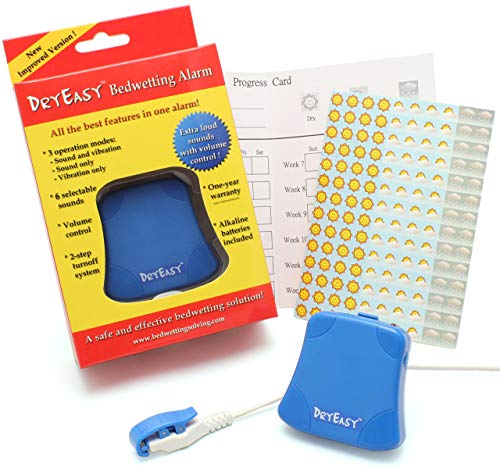
DRYEASY Bedwetting Alarm with Volume Control, 6…
- New and improved toggle clamp locks the sensor securely in place. Reliable sensor detects the first drop of urine and alerts the c…
- 6 sounds to suit users' preference and avoid users from getting used of a particular sound. With options to choose a single sound…
- 4 levels of digital volume control to cater to different needs. Support max. loudness of 85 db.
As an Amazon Associate I earn from qualifying purchases.
This guide walks you through the real causes, the doctor’s visit you might be dreading, and the treatments that actually work. You’ll also learn how to manage the emotional toll and practical logistics, so you can sleep away from home without panic. You can get your nights back.
For those ready to take action at home, a bedwetting alarm is often the first line of defense. The DRYEASY Bedwetting Alarm offers a reliable sensor that clips to your underwear and sounds an alert at the first drop of urine. It includes six different sounds, four volume levels, and a vibration mode, which is helpful for deep sleepers who don’t respond to audio alone.
The Root Causes: Why Your Bladder Isn’t Sleeping
Your bladder doesn’t work alone at night. It takes orders from hormones, nerves, and your brain. When one of those systems misfires, you leak. Let’s break down the usual suspects.
Medical Conditions (Diabetes, Sleep Apnea, UTIs)
Diabetes is a big one. High blood sugar makes your kidneys work overtime to flush out excess glucose, which means you produce more urine. If your blood sugar runs high overnight, your bladder fills up faster than your brain wakes up to handle it.
Sleep apnea is another sneaky cause. When you stop breathing briefly during sleep, your body releases stress hormones. Those hormones signal your kidneys to produce more urine, even though you’re not drinking anything. Treating the apnea with a CPAP machine often resolves the bedwetting entirely.
A urinary tract infection (UTI) can trigger sudden nighttime wetting, especially in women. The infection irritates the bladder lining, causing spasms that you can’t control while asleep. This is usually temporary and clears up with antibiotics.
Medications and Substances That Trigger Nighttime Leaks
Several common prescriptions interfere with nighttime bladder control. Sedatives and sleeping pills relax your muscles, including the sphincter that holds urine in. You’re also less likely to wake up when your bladder sends its signal.
Selective serotonin reuptake inhibitors (SSRIs) for depression or anxiety can cause nocturnal enuresis as a side effect. They alter neurotransmitter levels that affect both bladder sensation and the deep sleep stages where wetting happens.
Alcohol is the classic culprit. It suppresses antidiuretic hormone (ADH), the chemical that tells your kidneys to slow urine production at night. A few drinks before bed shuts off that hormone, and your bladder fills up like it’s daytime. Caffeine does something similar by irritating the bladder and acting as a diuretic.
The Psychological and Stress Connection
Stress doesn’t directly cause your bladder to empty, but it makes existing problems worse. High anxiety disrupts your sleep architecture, pulling you into deeper stages where arousal is harder. You might also be more sensitive to bladder sensations when your nervous system is on high alert.
There’s a feedback loop here. You worry about wetting the bed, so you sleep poorly. Poor sleep worsens your stress response, which increases nighttime urine production. Breaking that cycle often requires addressing the anxiety alongside the physical symptoms.
The First Step: How to Talk to a Doctor Without Embarrassment
You need to see a urologist or your primary care physician. The conversation feels awkward, but doctors discuss this daily. They’re not judging you; they’re checking off a diagnostic list.
Prepare for the appointment by tracking your habits for a week. Write down what you drink after 4 PM, how many times you wake to pee, and how many wet nights you have. This data helps the doctor distinguish between nocturia (waking up multiple times to urinate) and true enuresis (wetting while asleep).
Expect a urine test to rule out infection or blood sugar issues. Your doctor might also ask about your sleep quality, snoring, and any medications you take. Be honest about everything, including alcohol and supplement use. The more accurate your history, the faster you get a working diagnosis.
Proven Treatment Options: From Alarms to Medication
Treatment isn’t one-size-fits-all. You might need a combination of behavior changes, physical therapy, and medication. Here’s what the evidence supports.
Behavioral Modifications (Fluid Timing, Double Voiding)
Fluid timing matters more than total fluid restriction. Stop drinking water two hours before bed. That’s the easy part. You also need to avoid caffeine and alcohol after 4 PM because both irritate the bladder and boost urine output.
Double voiding is a simple technique that works surprisingly well. Pee, then wait 30 seconds, then try to pee again. It empties the bladder more completely, leaving less residual urine to leak out later. Practice this every time you use the bathroom, not just at night.
Bladder training helps if you have an overactive bladder. During the day, hold your urine for gradually longer intervals to stretch the bladder’s capacity. This doesn’t fix nocturnal enuresis directly, but it reduces the volume of urine your bladder can’t hold at night.
Pelvic Floor Therapy and Biofeedback
Your pelvic floor muscles act like a hammock supporting the bladder. Weak muscles mean less support and less control. Kegel exercises strengthen them, but doing them wrong wastes your time.
Pelvic floor therapy with a physical therapist is more effective than solo Kegels. The therapist uses biofeedback to show you exactly which muscles to contract and how long to hold. You’ll learn to relax the muscles too, which is just as important for avoiding spasms.
Expect a 12-week program with daily exercises. Many adults see a 50-70% reduction in wet nights with consistent training. It’s not instant, but it’s drug-free and has no side effects.
Medications and Surgical Interventions (Desmopressin, Botox, Nerve Stimulation)
Desmopressin is a synthetic version of antidiuretic hormone. Taken as a pill or nasal spray before bed, it tells your kidneys to produce less urine overnight. It works quickly, often within a few days, but it’s a management tool, not a cure. Side effects include headache and low sodium levels, so your doctor will monitor blood tests.
Imipramine is an older tricyclic antidepressant that’s sometimes used off-label for bedwetting. It relaxes the bladder muscle and alters sleep arousal. It’s effective but carries more side effects, including drowsiness and heart rhythm changes, so it’s rarely a first choice.

For severe cases, Botox injections into the bladder muscle can reduce overactivity. The effect lasts six to nine months, and you’ll need repeat injections. Sacral nerve stimulation, where a small device sends pulses to the nerves controlling the bladder, is another option for refractory cases. Both require a urologist who specializes in these procedures.
| Treatment | How It Works | Efficacy | Common Side Effects |
|---|---|---|---|
| Bedwetting Alarm | Sensor detects moisture and wakes you to finish urinating in the toilet | 70-80% success rate after 12-16 weeks | Disrupted sleep for the first few weeks |
| Desmopressin | Reduces nighttime urine production | Effective in 60-70% of users | Headache, nausea, low sodium |
| Imipramine | Relaxes bladder muscle, affects sleep arousal | Effective in 40-60%, but relapse common | Drowsiness, dry mouth, heart rhythm changes |
| Pelvic Floor Therapy | Strengthens muscles that control urine flow | 50-70% reduction in wet nights | None, but requires daily practice |
| Botox Injections | Paralyzes overactive bladder muscle | High efficacy, lasts 6-9 months | Urinary retention, UTIs |
The “Hidden” Side: Managing the Emotional and Social Toll
Nobody talks about how bedwetting makes you feel. Guilt, shame, and embarrassment are the real daily companions. You might avoid sleepovers, intimate relationships, or travel because you’re terrified of discovery.
Start by separating your worth from this symptom. Bedwetting is a medical condition, not a character flaw. Repeat that until you believe it. Cognitive behavioral therapy (CBT) helps many adults reframe the negative thoughts that spiral after a wet night.
Talk to your partner if you have one. Hiding it creates distance and suspicion. A simple conversation about your condition and treatment plan usually brings relief. Most partners respond with empathy, not disgust.
Join an online support group. Hearing other adults describe the same struggles reduces the isolation. You’ll also pick up practical tips that doctors don’t mention, like which laundry detergents work best on urine odors.
Practical Tools: Products, Bedding, and Travel Kits That Work
You need a plan for tonight, not just for six months from now. A good mattress protector is non-negotiable. Look for one that’s waterproof but breathable, so you don’t wake up sweating. Washable bed pads are easier for quick changes in the middle of the night.
For travel, build a “bedwetting emergency kit” that stays packed. Include a waterproof mattress cover (the disposable kind), a set of dark-colored sheets, a change of pajamas, and a plastic bag for wet laundry. Add some wet wipes and a small spray bottle of enzyme cleaner for odor removal.
Incontinence products have come a long way. Modern adult briefs are thin, quiet, and odor-controlled. They’re not diapers in the medical sense; they’re protective underwear that lets you sleep without anxiety. Try a few brands to find one that fits well and doesn’t shift during the night.
A bedwetting alarm is a tool, not a punishment. It works by conditioning your brain to wake up when your bladder signals. The DRYEASY alarm is a solid choice for adults because the vibration mode catches deep sleepers who sleep through sounds. The volume control and multiple sounds prevent your brain from habituating to a single tone. Expect a few weeks of broken sleep before the conditioning takes hold.
When to Seek Immediate Medical Attention (Red Flags)
Most bedwetting is manageable, but some symptoms signal a more urgent problem. Call your doctor right away if you notice blood in your urine, pain during urination, or a sudden change in the frequency or volume of your wetting.
Bedwetting combined with new back pain, unexplained weight loss, or a fever warrants a prompt workup. These symptoms could indicate a kidney issue or, in rare cases, a spinal cord problem affecting nerve signals.
If you’ve been dry for years and suddenly start wetting the bed, don’t wait six months to see if it resolves. New-onset secondary enuresis in adults deserves a thorough evaluation to rule out structural or neurological causes.
Frequently Asked Questions (FAQs)
Is adult bedwetting a sign of a serious disease?
Sometimes, but not usually. The most common causes are overactive bladder, sleep apnea, diabetes, or a UTI. Serious conditions like bladder cancer or neurological disorders are rare. A doctor can rule these out with simple tests, so don’t assume the worst before you’ve been evaluated.
Can I use a bedwetting alarm if I’m a heavy sleeper?
Yes, and you might be the best candidate for one. Look for an alarm with a strong vibration mode, like the DRYEASY model. Place the sensor so it’s in direct contact with the first drop of urine. It takes 12-16 weeks of consistent use, and you may need a partner to help you wake up in the early stages.
Does drinking less water before bed actually help?
It helps, but it’s not a cure. Reducing fluids two hours before bed lowers the total urine volume your kidneys produce overnight. It won’t fix a hormonal imbalance or a small bladder capacity, but it’s a low-effort change that reduces the odds of a leak.
Are there medications specifically for adult bedwetting?
Desmopressin is the most commonly prescribed medication for nocturnal enuresis in adults. It’s not a cure, but it’s effective for managing symptoms on nights when you need extra security. Imipramine is an alternative, though it’s used less often due to side effects. Your urologist will choose based on your specific pattern.
How do I handle bedwetting during a new relationship?
Honesty is better than secrecy. Wait until you’ve established trust, then explain it as a medical condition you’re managing. Most people are more understanding than you expect. If you’re not ready to disclose, you can use protective underwear and a discreet excuse for changing the sheets. The goal is to reduce your anxiety, which in turn reduces the stress-related triggers.
The Bottom Line: You Can Get Your Nights Back
- See a doctor to rule out diabetes, sleep apnea, and UTIs before trying anything else.
- Start with behavioral changes: fluid timing, double voiding, and caffeine reduction after 4 PM.
- Try a bedwetting alarm for 12-16 weeks; it has the highest cure rate of any single treatment.
- Use a waterproof mattress protector and keep a travel emergency kit packed.
- Desmopressin is a reliable short-term option for important trips or events.
- Pelvic floor therapy works, but only if you practice daily for at least three months.
- Talk to someone, whether it’s a partner, therapist, or support group. Silence makes it worse.
You don’t have to live with this forever. The path forward involves a few uncomfortable conversations and some trial and error, but the treatments are proven. Start with one change this week, and build from there. Your nights are worth the effort.