Cozy Winter Entryway Ideas That Keep Cold Air Out
Treat your winter entryway as a cold-air buffer zone: seal drafts first, set a defined spot for boots, shoes, and outerwear, and use a 2-minute daily reset before adding decor. Ignore it and you get colder floors, damp mess, and clutter that spreads through the house. This guide covers quick sealing fixes, storage that fits small spaces, and simple winter styling that stays practical.
Why your entryway matters in winter

Your front door area takes the hardest hit from winter traffic. Cold air leaks in, wet gear piles up, and slush gets tracked deeper into the house unless the space has a clear landing zone and a fast cleanup habit.
In apartments and small foyers, the same logic still applies. You may not have a mudroom, but you can still separate wet items, block drafts, and keep the first few feet inside the door easy to reset.
What you’ll need
- Weather stripping for exterior doors
- Door brush strip or pillow-style draft stopper
- Thermal curtains or curtain liners
- Boot tray
- Shoe rack
- Mudroom bench or small bench with storage
- Entry rug with a grippy backing
- Basket or hamper for scarves, gloves, and hats
- Bright entryway light fixture or lamp
- Microfiber cloth, broom, and vacuum
Winter entryway priority checklist
| Problem | Fastest fix | Cost tier | Time to install | When to upgrade |
|---|---|---|---|---|
| Cold air under the door | Add a door brush strip or pillow-style draft stopper | Low | 10-20 minutes | Upgrade if the gap is wide or the door is warped |
| Drafts at casing | Replace or repair exterior weather stripping | Low to medium | 20-45 minutes | Upgrade to high-quality silicone rubber weather stripping if gaps keep reopening |
| Wet boots | Set out a boot tray by the door | Low | 5 minutes | Add a shoe rack or bench if footwear keeps spilling into the room |
| Tracked slush | Place an entry rug just inside the door | Low to medium | 5-10 minutes | Switch to a larger rug if the landing zone is too short |
| No place for scarves | Use an entryway basket or hamper | Low | 5 minutes | Add wall hooks or a lidded storage piece if overflow keeps returning |
| Dim lighting | Install a brighter entryway light fixture | Medium | 30-60 minutes | Layer with lamps or lanterns if the entry still reads dark in winter afternoons |
| Cold floors | Add an entry rug over the main walking path | Low to medium | 5-10 minutes | Upgrade to a thicker rug if the floor still feels harsh underfoot |
| Noisy clutter | Group loose items into one basket | Low | 5 minutes | Add closed storage if the basket fills every day |
| Overflow coats | Keep only active outerwear at the door | Low | 10 minutes | Move off-season coats to a closet, mudroom, or garage spill zone |
| Post-storm cleanup | Keep a broom, cloth, and tray together near the door | Low | 5 minutes | Upgrade to a bench, better mat coverage, and stronger floor protection after repeated storms |
How do you keep cold air out at the door?
Start with the door gap and casing before adding anything decorative. Draft-proofing is the most effective way to keep an entryway warm, and external doors are one of the biggest emitters of drafts in the home. Seal the edges first, then block the bottom gap if needed.
- Check the seal line. Close the door on a thin strip of paper at the top, sides, and bottom. If it slides out easily, the gap is open enough to leak air.
- Replace weather stripping. Install or repair weather stripping along the frame of the exterior door. High-quality silicone rubber weather stripping is a strong upgrade when the old material is cracked or flattened.
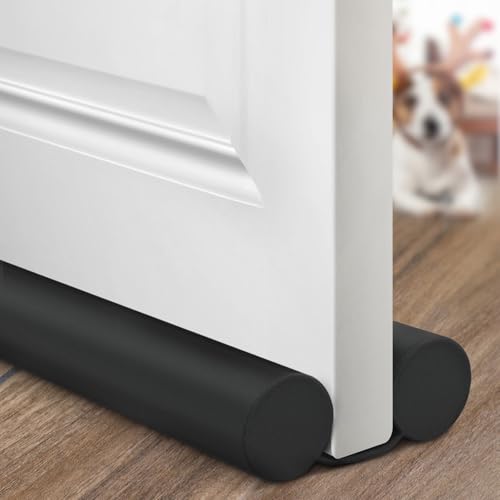
- Block the bottom gap. Add a door brush draft excluder strip or a pillow draft excluder under the door. Both help reduce airflow under exterior doors and work best when the rest of the seal is already tight.
If that didn’t work, the door itself may be the problem. Warped doors, oversized gaps, or a frame that no longer sits square can defeat quick fixes. In that case, a replacement door or a pro-level repair is more effective than stacking more strips onto a bad fit.
Do thermal curtains help warm an entryway?
Yes, especially near doors or nearby windows that leak cold air. Thermal curtains can trap drafts and stop them from spreading wider, and liners can be added to existing curtains for a lower-cost fix. Open them during sunny hours so the entry can pick up passive heat when the sun is available.
They work best as a second layer, not the only layer. Use them after sealing the door and casing, or they will cover the symptom without stopping the leak.
How do you organize boots and wet gear?
Keep only active winter items at the door. A boot tray, a shoe rack, a bench, and a basket can turn a crowded threshold into a working landing zone, but only if you separate wet items from dry storage and move backup gear out of the way.
- Place a boot tray first. Set it just inside the door where wet footwear lands naturally. It contains slush, helps keep dirt off the floor, and gives boots one clear home.
- Add a shoe rack beside it. Use the rack for outdoor shoes that are dry enough to store upright. This supports a no-shoes-at-the-door routine and reduces the pile-up that happens when footwear has no assigned spot.
- Use a bench for changing. A mudroom bench gives you a place to sit while removing boots, and storage underneath can separate wet and dry items. In a small foyer, choose a narrow bench that leaves a clear walking path.
- Sort loose gear into one basket. Put scarves, gloves, and hats in an entryway basket or hamper. Empty it regularly so it does not become a permanent overflow point.
What belongs in the entryway is what is used daily: boots, one or two coats, gloves, scarves, and a basket for quick drop-off. What belongs in the mudroom or garage spill zone is backup outerwear, sports gear, bulk shoe storage, and storm supplies.
Say your foyer is 5 feet wide and boots keep landing in the walkway. Swap a large storage bench for a shoe rack that is about 12 to 14 inches deep and keep the boot tray under the bench. The narrower setup preserves the path while still catching meltwater.
How do you keep the floor clean and cozy?
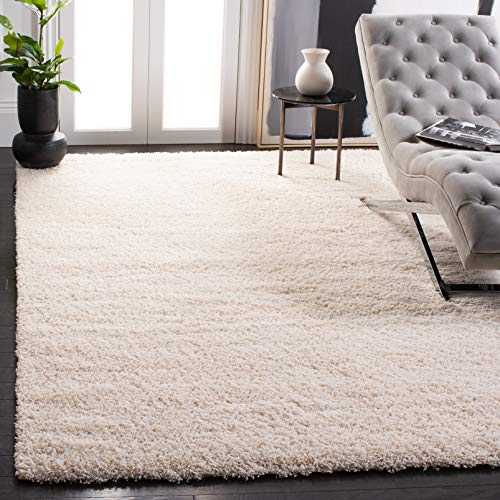
A good entry rug catches snow, dirt, and meltwater before they spread through the house. It also buffers cold flooring and softens sound, which matters in winter when hard surfaces can feel especially stark and noisy.
- Place the rug inside the threshold. Put it just past the door swing, not outside where it will soak through. The rug should cover the first landing area where shoes naturally step.
- Choose enough surface coverage. A larger rug works better than a tiny mat because it gives wet feet a second chance to shed slush. Use a grippy backing so it does not shift on smooth floors.
- Brighten the entrance. Use an entryway light fixture so dirty surfaces are easier to spot. A brighter space also helps the entry feel less harsh on dark winter afternoons.
- Control dry air. Manage humidity with HVAC settings or a humidifier if the air feels dry. That does not heat the entry directly, but it can make the winter transition feel less sharp and more comfortable.
After snow or slush, do about a 2-minute reset: shake the rug, empty the boot tray if it is full, wipe puddles, and sweep the first few feet inside the door. A common first-timer mistake is waiting until the end of the day; by then, the meltwater has already spread and the cleanup takes longer.
Suppose a storm leaves the bottom of three boots soaked and the entry rug is damp by 7 p.m. Move the wet pair onto the tray, hang the third pair to dry elsewhere, and swap the rug if you have a dry backup. One quick reset beats a larger cleanup later.
Common mistakes
Putting decor before sealing is the biggest one. A wreath and a candle can make the entry look finished, but they will not stop cold air, slush, or a bad door fit.
Another mistake is overfilling the space. If the entry turns into full-time coat storage, the room loses its buffer-zone job and becomes a pileup point. Keep backups in a closet, mudroom, or garage spill zone instead.
Some quick fixes also stop working in extreme cold. Thin draft stoppers can shift, old weather stripping can crack, and a small rug can be overwhelmed fast. If gaps stay open after a simple fix, move up to a tighter seal or a door repair.
Prevention: Reset the zone every evening with one pass for wet items, one pass for dry storage, and one pass for the floor. That routine prevents buildup before it starts.
Frequently asked questions
How do I keep cold air from coming in through my entryway?
Seal the frame with weather stripping first, then block the bottom gap with a door brush strip or pillow draft excluder. If the door is warped or the gap is oversized, quick add-ons will not hold well and a repair or replacement becomes the better fix.
What is the best way to organize boots, scarves, and wet coats by the door?
Use a boot tray for wet footwear, a shoe rack for dry shoes, and one basket or hamper for scarves and gloves. Keep wet coats on hooks only if the area can dry them without crowding the doorway; otherwise, move extras to another storage zone.
What should I put in a winter entryway to make it feel cozy?
Start with practical pieces: a rug, warmer lighting, a bench, and one neat basket for loose items. Add textiles after the function is set. The space should feel easier to use first, then softer and more welcoming second.
How do I stop tracked snow and slush from making a mess inside?
Place an entry rug just inside the door, keep a boot tray within reach, and use a no-shoes-at-the-door routine. After storms, wipe the first few feet of floor and empty the tray before the water spreads farther into the house.
Should I use a rug in a cold entryway?
Yes. An entry rug helps buffer cold flooring, catches tracked dirt and snow, and can cut down on noise. Choose one with enough coverage for the first steps inside the door and a backing that stays put on the floor.
How do I make a mudroom work better in winter?
Give wet items a separate landing zone, keep one bench for changing, and reserve storage underneath for gear that can dry away from the walking path. If the room also holds off-season items, move them out so winter pieces stay easy to reach.
How do I keep an entryway warm without turning up the heat?
Seal drafts, block the door gap, add thermal curtains near drafty glass, and use a rug over cold flooring. Then keep the space clear enough that warm air is not wasted on cluttered storage or damp piles near the door.
Products related to this article
Sponsored / affiliate links. As an Amazon Associate I earn from qualifying purchases. I may earn additional commission from eligible campaigns.
 TREMENPOW 39" Shoe Bench with Cushion, Entryway Shoe Rack Bench with Storage Compartment, Padded Seat, Hidden Drawer, 220lb Capacity, for Hallway, Bedroom, Closet, Living Room Organization
 TDVFGDF Vintage Shoe Storage Bench with Leather Cushion, Solid Wood Shoe Changing Bench, Vintage Shoe Rack for Living Room Entryway Hallway (Dark Brown,60cm/23.6in)