Calphalon Vs Zwilling Cookware: Ultimate Comparison Guide
Thinking about a new set of pots and pans? It’s a big decision. Your cookware is at the heart of your kitchen. It affects how your food cooks. It can make cooking easier or much harder. Two big names often come up: Calphalon and Zwilling. Both make great stuff. But they are quite different. Let’s break down what makes each one special. We’ll help you find the perfect fit for your cooking style and budget. This guide will shed light on their strengths and where they might fall short. You’ll feel more confident picking the right set for your home.

Calphalon
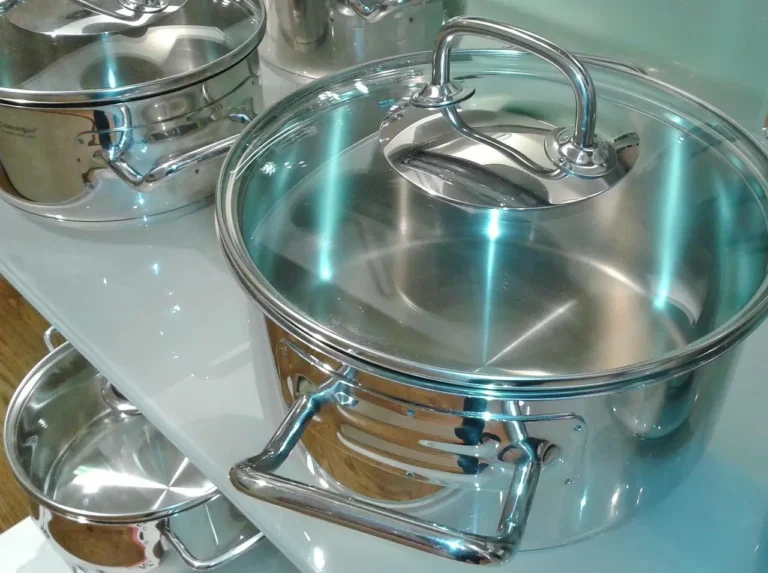
Calphalon Brushed 3-Ply Stainless Steel Cookware Set…
- Non-Toxic Stainless Steel: Built with durable 3-layer construction for lasting performance
- Calphalon Turbo Temp Technology: Heats up to 30% faster*, so you can get cooking faster (*Calphalon Stainless Steel vs. Cuisinart…
- Aluminum Core: Fast, even heating across the entire cooking surface
As an Amazon Associate I earn from qualifying purchases.
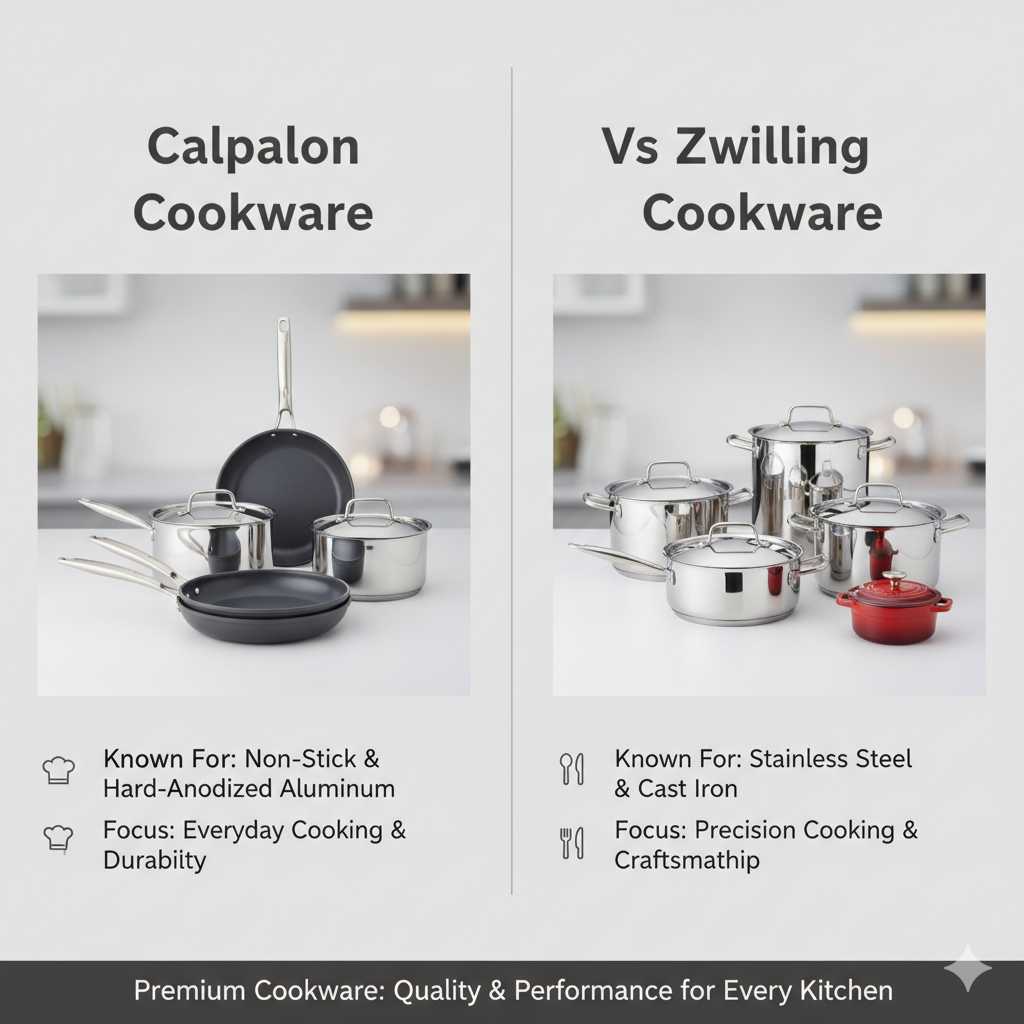
Calphalon and Zwilling cookware offer distinct advantages in materials, design, and price. Calphalon often provides excellent value with durable nonstick and hard-anodized options, suitable for everyday cooking. Zwilling, known for its premium German engineering, excels in high-performance stainless steel and cast iron, offering superior heat control and longevity for serious cooks. Choosing depends on your cooking needs and budget.
Calphalon vs Zwilling: What’s the Big Deal?
Choosing new cookware feels important. You want pans that last. You want them to cook food well.
Calphalon and Zwilling are top brands. They have different histories. They use different methods.
This makes their pans unique. Understanding these differences helps you choose wisely. It’s not just about shiny metal.
It’s about how the pan works for you. Think about how you cook. Do you fry a lot of eggs?
Do you braise meats for hours? Or maybe you do a bit of everything?
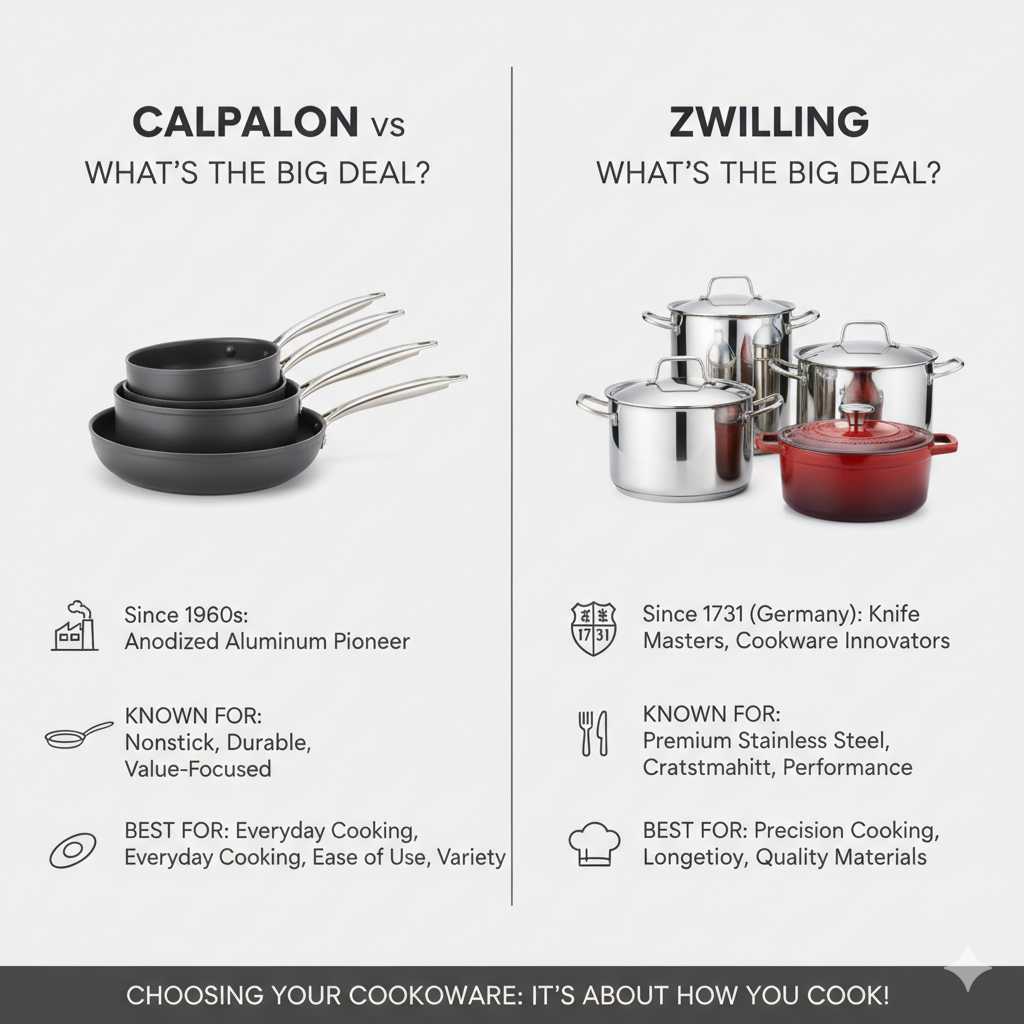
Calphalon has been around since the 1960s. It started with anodized aluminum. This made pans non-stick and durable.
You can find nonstick, stainless steel, and cast iron. Calphalon is often seen as a good balance. It offers quality without the highest price tag.
Zwilling J.A. Henckels is much older. It began in Germany in 1731.
Yes, that’s a very long time! They are famous for knives. But their cookware is also top-notch.
Zwilling cookware often uses premium materials. Think high-grade stainless steel. They also have cast iron.
So, what’s the real difference? It’s about what you prioritize. Are you looking for ease of use and value?
Calphalon might be your answer. Do you want ultimate performance and lasting quality? Zwilling could be the better choice.
We’ll look at materials. We’ll talk about how they cook. We’ll even touch on price.
This will give you a clear picture.
The Core of Cookware: Materials and Construction
The materials used in cookware are super important. They decide how heat moves. They also affect how long the pan lasts.
Both Calphalon and Zwilling use several types of materials. But they emphasize different ones. And they build them in different ways.
This is where much of the performance difference comes from.
Calphalon is famous for its hard-anodized aluminum. What does that mean? It’s aluminum that’s been treated.
This makes it very hard. It’s tougher than plain aluminum. It also makes it less reactive.
So, your tomato sauce won’t get a metallic taste. This material heats up fast and evenly. Many of their lines use this.
Some are nonstick. Others are stainless steel with an aluminum core.
For their nonstick pans, Calphalon uses various coatings. They aim for durability. Their goal is easy food release.
And it works well for most everyday tasks. Cooking eggs, pancakes, or delicate fish becomes simple. Cleanup is usually a breeze too.
This makes cooking more fun for many. Less scrubbing means more enjoying your meal.
Zwilling, on the other hand, often focuses on high-grade stainless steel. They use multiple layers. This is called clad cookware.
For example, they might have a stainless steel exterior. Then an aluminum core. And then another stainless steel interior.
This layered approach is key. The aluminum heats up fast and spreads heat. The stainless steel is durable.
It doesn’t react with food. It also looks very nice for a long time.
Zwilling’s stainless steel pans are known for great heat control. You can change the heat. The pan responds quickly.
This is important for searing. It’s also vital for making sauces. It lets you simmer gently.
This level of control is what many expert cooks love. Their stainless steel is usually a high quality too. It stands up to daily use and abuse.
Zwilling also offers cast iron. Their cast iron is often enameled. This means it has a coating of enamel.
This coating makes it easier to clean. It also prevents rust. Enameled cast iron is fantastic for slow cooking.
It holds heat for ages. This makes stews and roasts incredibly tender. It’s a different kind of cooking.
But it’s a very rewarding one.
So, when you look at the materials, think about heat. Aluminum heats fast. Stainless steel is stable and responsive.
Cast iron holds heat for a very long time. Calphalon uses aluminum a lot. Zwilling uses stainless steel a lot.
Both are good. But they give different results. And they feel different in your hand.
Material Breakdown: Quick Look
Calphalon Often Features:
- Hard-anodized aluminum for even heating.
- Durable nonstick coatings for easy cooking.
- Stainless steel with aluminum cores.
Zwilling Often Features:
- Multi-clad stainless steel (e.g., 3-ply, 5-ply) for superior heat control.
- High-quality, non-reactive stainless steel interiors.
- Enameled cast iron for slow cooking.
Cooking Performance: How Do They Measure Up?
This is where the rubber meets the road. How do these pans actually cook? How do they handle heat?
How easy are they to use for different tasks? This is what matters most to home cooks. Let’s compare them head-to-head.
Calphalon’s nonstick lines are incredibly user-friendly. They excel at breakfast foods. Think pancakes that slide right off.
Scrambled eggs that don’t stick. Fried eggs that lift with a spatula. This is thanks to their nonstick surfaces.
They are also great for beginners. You don’t have to be super careful with oil. It makes cooking less stressful.
The hard-anodized aluminum heats up quickly. This means you can get cooking faster. It also means less waiting.
However, nonstick pans have limits. You can’t usually use high heat with them. You also can’t use metal utensils.
The coatings can wear out over time. This is true for all brands. Calphalon’s coatings are generally durable.
But they won’t last forever. If you love to sear steaks at super high heat, nonstick might not be your first choice. But for everyday frying and sautéing, they are fantastic.
Calphalon’s stainless steel lines are also solid. They offer good heat distribution. This is thanks to their aluminum cores.
They are more versatile than nonstick. You can use them for searing. You can make pan sauces.
They are oven-safe. They can handle higher temperatures. They are also more durable than nonstick.
They are a good all-around choice for many kitchens.
Zwilling cookware shines when it comes to heat control. Their multi-clad stainless steel pans are masters of this. When you turn up the heat, the pan gets hot fast.
When you turn it down, it cools quickly. This precision is a game-changer for many recipes. Searing meat to perfection becomes easier.
Building complex sauces that need careful simmering is more reliable. You get a beautiful crust on your chicken. Your reductions are smooth.
This is the mark of high-performance cookware.
Zwilling’s stainless steel is also very robust. It’s built to last for decades. You can use metal utensils.
You can put them in the dishwasher (though handwashing is always best). They look stunning for years. They are an investment.
For someone who cooks a lot and appreciates control, Zwilling stainless steel is hard to beat. It feels substantial. It cooks beautifully.
Now, let’s talk about cast iron. Zwilling’s enameled cast iron is a star for slow cooking. Think of a Dutch oven.
It’s perfect for pot roast. Or chili. Or baking bread.
It gets hot. It stays hot. This makes food tender and flavorful.
The enamel makes it easier to clean than bare cast iron. It also means it won’t rust. It’s a different beast than stainless steel.
But it’s essential for certain types of cooking.
When comparing, think about your cooking habits. If you cook a lot of delicate items and want ease, Calphalon nonstick is great. If you want to master searing and sauce-making with control, Zwilling stainless steel is likely better.
If you dream of slow-cooked stews, Zwilling cast iron is a top pick. Calphalon also has stainless steel that does a good job for general cooking. It’s about matching the pan to the task and your skill level.
Cooking Style Match-Up
Choose Calphalon If You:
- Cook many eggs, pancakes, or fish that need easy release.
- Are newer to cooking and want forgiving pans.
- Need cookware that heats up quickly for everyday meals.
- Want good value for daily use.
Choose Zwilling If You:
- Want precise heat control for searing and sauce-making.
- Are a serious home cook or aspiring chef.
- Invest in cookware that lasts a lifetime.
- Appreciate German engineering and craftsmanship.
- Enjoy slow-cooked meals in cast iron.
Durability and Longevity: Will They Last?
Nobody wants to buy new pots and pans every few years. Durability is a huge factor. You want cookware that holds up.
It should look good and perform well for a long time. Both Calphalon and Zwilling are known for quality. But there are nuances.
How they are built and the materials they use play a big role here.
Calphalon’s hard-anodized aluminum is very durable. It resists warping. It’s tougher than regular aluminum.
Their nonstick coatings are designed for resilience. They can withstand daily cooking. However, nonstick coatings will degrade over time.
This is a fact of life for nonstick. Even the best ones will eventually lose some of their nonstick power. This typically happens after years of use.
For most people, this is perfectly acceptable. It means their Calphalon pans will serve them well for a good long while.
Calphalon stainless steel lines are also built to last. They are less prone to damage than nonstick. They can handle metal utensils.
They are harder to scratch. These pans can easily last for 10, 15, or even 20 years. They are a solid investment for everyday cooking.
You won’t have to worry about them breaking down quickly.
Zwilling takes durability to another level, especially with their stainless steel. Their multi-clad construction is incredibly strong. The layers are bonded together tightly.
This prevents warping and ensures longevity. Their stainless steel is high-grade. It resists scratches and stains exceptionally well.
These pans are often described as heirloom quality. This means they can be passed down through generations. That’s a testament to their build.
Zwilling’s cast iron, when cared for properly, is also incredibly durable. Enameled cast iron is protected from rust. It’s resistant to chipping compared to bare cast iron.
It’s designed to last a lifetime. Think of it as a family treasure. It only gets better with age.
It becomes seasoned with memories of meals shared.
So, in terms of sheer longevity, Zwilling often has the edge. Especially their stainless steel and cast iron. They are built with materials and techniques meant for extreme durability.
Calphalon is still very durable. Their pans will serve you well for many years. But if your absolute top priority is a pan that might literally last your entire life, Zwilling’s premium lines are designed for that.
It’s also about how you care for your cookware. Even the most durable pans need some attention. For nonstick, avoid high heat and metal utensils.
For stainless steel, gentle cleaning preserves its shine. For cast iron, proper seasoning and drying prevent rust. Following care instructions ensures both brands will perform for years to come.
Longevity Factors
Calphalon Strengths:
- Hard-anodized aluminum resists warping and is tough.
- Durable nonstick coatings for everyday use.
- Stainless steel lines offer good, long-term value.
Zwilling Strengths:
- Multi-clad stainless steel built for extreme, lifelong durability.
- High-grade stainless steel resists wear and tear exceptionally well.
- Enameled cast iron is designed to last for generations.
Ease of Use and Maintenance
Let’s be honest, we all want cooking to be as easy as possible. This includes both cooking the food and cleaning up afterwards. How do Calphalon and Zwilling stack up here?
This is a very important part of the decision for most people.
Calphalon really excels in ease of use, especially with their nonstick ranges. Food slides right off. This means less sticking and less frustration.
For beginner cooks, this is a huge help. It builds confidence. Even experienced cooks appreciate it for certain foods.
Cleanup is usually very simple. A quick wipe with a sponge often does the trick. Some Calphalon lines are even dishwasher safe.
This makes weeknight dinners much more manageable.
However, remember the limitations of nonstick. You can’t use metal utensils. You should avoid extreme heat.
This means no broiling or extreme searing in nonstick pans. You also need to replace them when the coating wears out. This happens eventually.
But for everyday cooking, the ease of nonstick is a big win.
Calphalon’s stainless steel lines are also reasonably easy to use. They heat well. They are oven-safe.
Cleanup is a bit more involved than nonstick. You might need a bit of baking soda and water to remove stubborn bits. But they are still quite manageable.
They are not as finicky as some other stainless steel brands might be.
Zwilling’s stainless steel, while performing at a higher level, can have a slightly steeper learning curve. Because they have such excellent heat control, you need to learn how to use that control. Overheating can cause food to stick.
But once you learn how to manage the heat, it’s incredibly rewarding. Building a nice sear on a steak becomes second nature.
Cleanup for Zwilling stainless steel is where it requires a bit more effort than nonstick. You’ll likely need to deglaze the pan often for sauces. For stuck-on food, a soak or a paste of baking soda can help.
Many Zwilling stainless steel lines are dishwasher safe. But handwashing will keep them looking their best for longer. It preserves the shine and prevents minor damage from harsh detergents.
Zwilling’s enameled cast iron is straightforward to use. It’s great for slow cooking. Cleanup is generally easy due to the enamel.
You can use soap and water. Avoid steel wool or harsh abrasives. A gentle scrub is usually enough.
It’s designed to be durable and relatively low maintenance for its type.
So, if pure, simple ease and quick cleanup are your top priorities, Calphalon nonstick is a strong contender. If you’re willing to learn a little about heat control for superior cooking results and appreciate pans that last longer, Zwilling stainless steel is a fantastic choice. Both brands offer good experiences, but they lean into different aspects of “ease.”
Easy Does It: Maintenance Notes
Calphalon Ease:
- Nonstick: Easiest cleanup, food slides off. Great for beginners.
- Dishwasher safe options available for many lines.
- Requires less attention to heat control for basic cooking.
Zwilling Ease:
- Stainless steel: Requires learning heat control for best results.
- Cleanup may involve soaking or baking soda for stuck bits.
- Handwashing recommended for preserving shine and longevity.
- Cast iron: Easy cleanup due to enamel coating.
Price Point and Value Proposition
Let’s talk about the elephant in the room: price. Cookware can get expensive. It’s a big investment.
Understanding the cost versus what you get is crucial. Both Calphalon and Zwilling offer good value. But they define that value differently.
Calphalon generally sits in the mid-range price bracket. You can find a good Calphalon set for a few hundred dollars. Individual pieces are also reasonably priced.
This makes them accessible for many home cooks. They offer a great balance of quality, performance, and price. You get durable pans that cook well without breaking the bank.
For everyday use, they represent excellent value. You get reliable cookware that makes cooking enjoyable.
You can find Calphalon at various retailers. They have different lines at different price points. Some are more basic.
Others are more premium. But even their higher-end lines are usually more affordable than Zwilling’s top offerings. This makes them a popular choice for people setting up a new kitchen.
Or for those looking to upgrade from very basic pans.
Zwilling cookware, especially their premium stainless steel and cast iron, is in the higher price range. A Zwilling stainless steel set can easily cost upwards of $500, $800, or even over $1000. Individual pieces can also be quite expensive.
This is because of the materials, the craftsmanship, and the brand’s reputation for excellence.
The value proposition for Zwilling is about long-term investment. These are pans designed to last a lifetime. They offer superior performance.
If you cook often, and you value precision and durability above all else, then the higher upfront cost can be justified. You’re paying for German engineering and quality that stands the test of time. It’s about buying the best once, rather than buying many times over.
When considering value, think about your budget. And also think about how often you cook. If you cook a few times a week, a good Calphalon set might be perfect.
If you cook every day, and you’re passionate about food, a Zwilling investment could be worth it. It’s about matching your needs and your wallet. There’s no single “right” answer.
It depends on your personal situation.
Price Comparison at a Glance
Calphalon:
- Price Range: Mid-range, accessible.
- Value: Excellent balance of quality, performance, and cost for everyday use.
- Ideal For: Home cooks seeking reliable cookware without a huge expense.
Zwilling:
- Price Range: Premium, higher investment.
- Value: Long-term investment in superior performance and lifelong durability.
- Ideal For: Serious cooks, chefs, or those wanting heirloom-quality cookware.
Personal Experience: When My Nonstick Failed Me
I remember one particularly frustrating morning. I was trying to make my famous blueberry pancakes for a weekend brunch. I had a set of well-loved, but aging, nonstick pans.
I thought they were still good. I’d used them for years without much issue. I’d even used metal spatulas on them a few times, which I now know is a big no-no.
I poured the batter into the hot pan. I waited for the bubbles to form. Then I went to flip.
Instead of a clean slide, the pancake stuck fast. Like, really fast. I tried to gently pry it with my spatula.
It tore into a mess of cooked batter and burnt blueberries. Panicked, I tried the next one. Same result.
Sticky disaster.
My beautiful, fluffy pancakes were now ruined. They looked like sad, ripped puddles. I felt a wave of annoyance, then a bit of panic.
Brunch guests were due any minute. I ended up having to pull out a different, older pan. It was a stainless steel one that I usually avoided for delicate things.
I used a lot of butter. The pancakes were okay, but not the perfect golden discs I’d envisioned. It was a stark reminder that even nonstick has its limits.
And when it’s gone, it’s truly gone. That experience pushed me to really understand cookware materials better. And to respect the lifespan of different types of pans.
Real-World Context: In the American Kitchen
In many American homes, cookware choices reflect a blend of practicality and aspiration. We often want durable pans that can handle busy weeknights. We also dream of creating restaurant-quality meals on weekends.
This is where the strengths of both Calphalon and Zwilling can fit in.
Calphalon’s hard-anodized aluminum and nonstick options are incredibly popular. Why? Because they fit the rhythm of American family life.
They are forgiving. They heat up quickly, which is great when you’re short on time. Making breakfast for the kids is easy.
A quick sauté for dinner is no problem. The cleanup is usually fast, too. This aligns with how many families use their kitchens daily.
It’s about making the cooking process smooth and less stressful.
Many Americans also appreciate the value Calphalon offers. You can outfit a significant portion of your kitchen with a good set without spending thousands. This leaves room in the budget for other kitchen essentials or upgrades.
It’s a smart choice for many households. It delivers reliable performance for the price.
Zwilling cookware, on the other hand, finds its home in kitchens where cooking is a serious hobby. These are cooks who enjoy the process. They might host dinner parties often.
They value the nuances of heat control. They are willing to invest in tools that help them achieve precise results. Think of the home chef who loves to try new techniques.
Or the family that passes down recipes and cooking traditions.
The durability of Zwilling stainless steel means it can withstand the demands of frequent, serious cooking. It’s also about the aesthetic. Zwilling pans often have a sleek, professional look that appeals to those who take pride in their kitchen setup.
The cast iron is perfect for those who enjoy the tradition of slow cooking. It’s a staple for hearty, comforting meals that are a big part of American cuisine.
Ultimately, both brands have a place. Calphalon supports the everyday cook. It makes cooking accessible and enjoyable.
Zwilling elevates the cooking experience for those who seek peak performance. It’s about understanding which brand’s strengths best match the demands and desires of your own kitchen.
What This Means for You: When to Worry and When to Relax
Understanding the differences between Calphalon and Zwilling helps you make a better choice. But what does this mean for your kitchen? When should you lean towards one over the other?
If you’re just starting out, or if cooking is more of a chore than a passion, Calphalon is likely your best bet. Their nonstick pans are incredibly forgiving. They make cooking simple and cleanup fast.
You’ll get good results without a lot of stress. You won’t need to worry about needing perfect technique. Their stainless steel offers a step up in versatility when you’re ready.
If you’re a seasoned cook, or if you aspire to be one, Zwilling might be calling your name. If you love the precision of searing, the control of making delicate sauces, or the satisfaction of a perfectly cooked steak, Zwilling’s performance is unmatched. The investment in their quality means you’re getting tools that will help you grow as a cook.
You won’t outgrow them.
When should you worry about your current cookware? If your nonstick pans are scratched, peeling, or food sticks no matter how much oil you use, it’s time for an upgrade. If your current pans warp easily, or have hot spots where food burns unevenly, that’s a sign they aren’t performing well.
If you find yourself frustrated by your cooking results due to your tools, it’s worth considering a change.
When can you relax? If your pans are performing well for your needs, and you enjoy using them, that’s fantastic! You don’t need to buy new cookware just because a new brand is out there.
But if you’re noticing limitations, or if your current pans are showing signs of wear, this comparison can guide you toward a better, long-term solution. Both brands offer paths to more enjoyable and successful cooking.
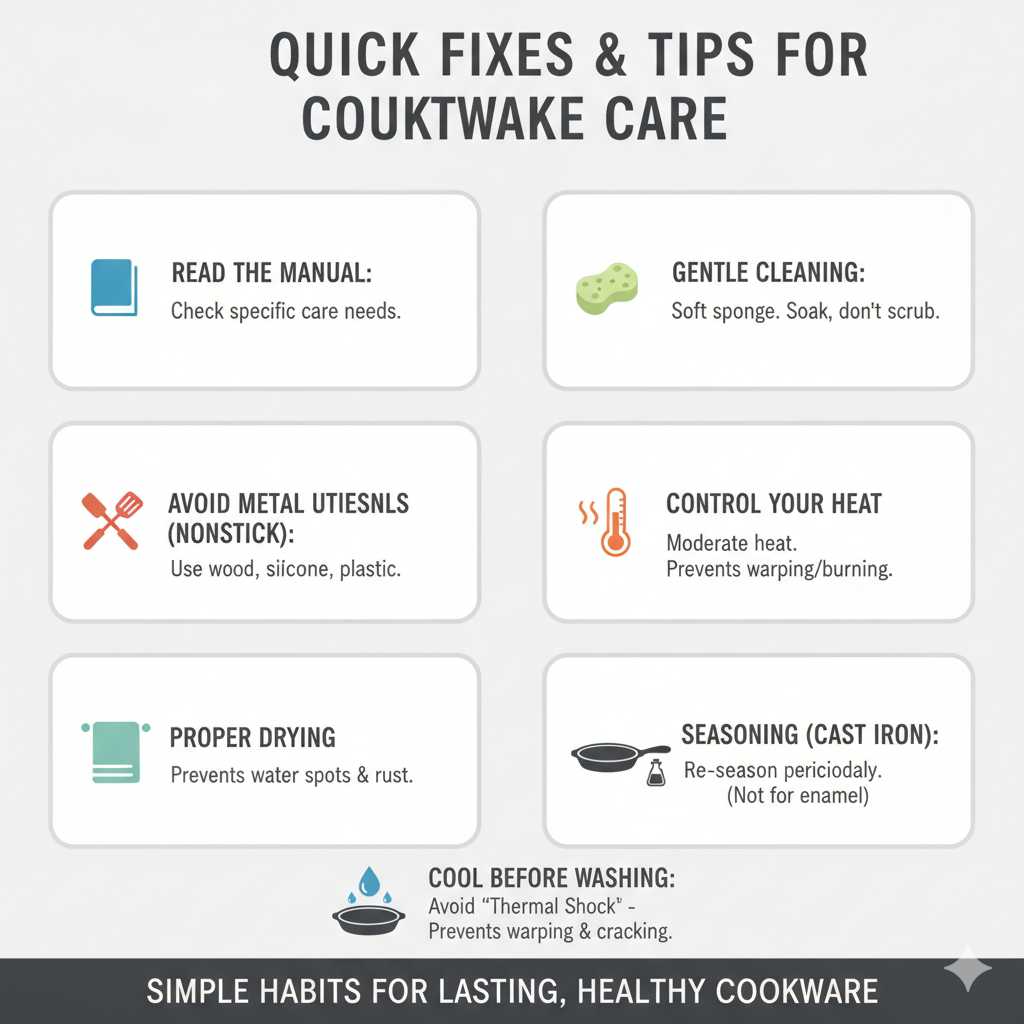
Quick Fixes & Tips for Cookware Care
No matter which brand you choose, a little care goes a long way. Here are some quick tips to keep your pans in top shape. This advice applies broadly to most quality cookware.
- Read the Manual: Always check the care instructions that come with your specific pans. Different materials and coatings have unique needs.
- Gentle Cleaning: For most nonstick and stainless steel, use a soft sponge or cloth. Avoid abrasive scrubbers. For stuck-on food, try soaking first.
- Avoid Metal Utensils (Nonstick): This is crucial for nonstick. Use wood, silicone, or plastic utensils. Metal can scratch and damage the coating.
- Control Your Heat: Don’t overheat nonstick pans. Even stainless steel can benefit from moderate heat. High heat can warp pans and burn food.
- Proper Drying: Always dry your pans thoroughly after washing. This prevents water spots and rust, especially for cast iron.
- Seasoning (Cast Iron): If you have bare cast iron, re-season it periodically. Enameled cast iron usually doesn’t need this.
- Cool Before Washing: Let pans cool down before running them under cold water. Extreme temperature changes can cause warping.
Frequently Asked Questions
Is Calphalon worth the money?
Yes, Calphalon offers great value for its price. Their pans are durable and perform well for everyday cooking. They are a solid investment for most home kitchens.
Is Zwilling cookware worth the high price?
For serious cooks who demand precision and lifelong durability, Zwilling is often worth the investment. Their craftsmanship and materials are top-tier. It’s a long-term purchase.
Can I use metal utensils with Calphalon stainless steel?
Generally, yes. Calphalon’s stainless steel lines are designed to be durable. However, always check the specific product details.
Gentle use is always best to maintain appearance.
Are Zwilling nonstick pans as good as their stainless steel?
Zwilling offers nonstick options, but they are most renowned for their high-performance stainless steel. Their stainless steel is where their expertise in heat control and longevity truly shines.
Which is better for searing: Calphalon or Zwilling?
Zwilling’s multi-clad stainless steel is generally better for searing. It offers superior heat control and retention, allowing for a more consistent, even crust.
How long do Calphalon nonstick pans typically last?
With proper care, Calphalon nonstick pans can last several years, often 3-5 years or more for daily use. Eventually, the nonstick coating will wear down, which is normal for all nonstick cookware.
Conclusion: Your Kitchen’s New Best Friend
Choosing between Calphalon and Zwilling is about matching your cooking style and priorities. Calphalon offers reliable, user-friendly cookware that’s perfect for everyday life. Zwilling provides exceptional performance and durability for those who want to elevate their cooking.
Both are excellent brands. Your perfect pan awaits!
Related pick: Check today's price on Amazon
Products related to this article
Sponsored / affiliate links. As an Amazon Associate I earn from qualifying purchases. I may earn additional commission from eligible campaigns.