Best Lighting Ideas for Winter Coziness (2026): Research Shows
Use three layers of warm light in winter: ambient, task, and accent. Aim for bulbs around 2700K to 3000K, with at least one lamp in each main seating area. Without that mix, rooms can feel flat, harsh, and colder than they are. This guide shows room-by-room lighting placement, bulb choices, glare-avoiding layering rules, and how to keep daylight working for you in winter.
Use this page to match the lighting change to the room function first, then choose fixtures. The best result usually comes from one warm base layer, one practical task source, and one softer accent source. KonMari and Best Buy both point toward layered winter lighting instead of relying on one overhead fixture, while the LA Times recommends daylight helpers like sheer curtains and a mirror placed to carry light farther into the room.
How we chose
This guide is based on manufacturer specs, listing details, and published buyer feedback. The recommendations favor warm-white bulbs, diffused lamps, and room placement that reduces glare while keeping each space bright enough for the job it needs to do.
It also follows winter-specific guidance from KonMari, the LA Times, and Best Buy: shorter days need more lighting in every room, layered light works better than a single harsh source, and bright ceiling light can make a room feel colder.
Winter lighting decision table
| Room | Best light layer | Recommended fixture type | Bulb warmth target | Placement rule | Common mistake | Quick fix |
|---|---|---|---|---|---|---|
| Living room | Ambient plus accent plus task | Floor lamp, table lamp, picture light | 2700K to 3000K | Place one lamp beside seating and one light at eye level or below | One bright overhead source only | Add a shaded floor lamp near the sofa and a lamp on a side table |
| Bedroom | Ambient plus task | Table lamp, dimmable ceiling fixture | 2700K | Keep bedside light low and aimed through a shade | Bare bulb glare at pillow height | Switch to a shaded lamp with warm-white bulbs |
| Kitchen | Task plus ambient | Under-cabinet light, ceiling light, small table lamp nearby if space allows | 2700K to 3000K | Put task light over prep zones, not centered on the room alone | Lighting that leaves counters dim | Add warm under-cabinet light and keep overheads softer |
| Entryway | Ambient plus accent | Wall sconce, small table lamp, decorative light | 2700K | Use a source that lights faces and surfaces without glare | Dark corners near the door | Use a lamp or sconce and add a mirror opposite a window |
| Bathroom | Task plus ambient | Vanity light, ceiling light with softer output | 2700K to 3000K | Light the mirror evenly from both sides or above it | Shadows under the face from overhead-only lighting | Use even vanity lighting and avoid a single hard ceiling source |
Which lights make a room feel cozier?
Warm ambient light is the base, task light handles the work, and accent light adds depth. That combination feels warmer than a lone ceiling fixture because it spreads light at different heights and keeps corners from going dark. In winter, that matters more as sunset arrives earlier and rooms stay lit longer.
Ambient light as the base layer
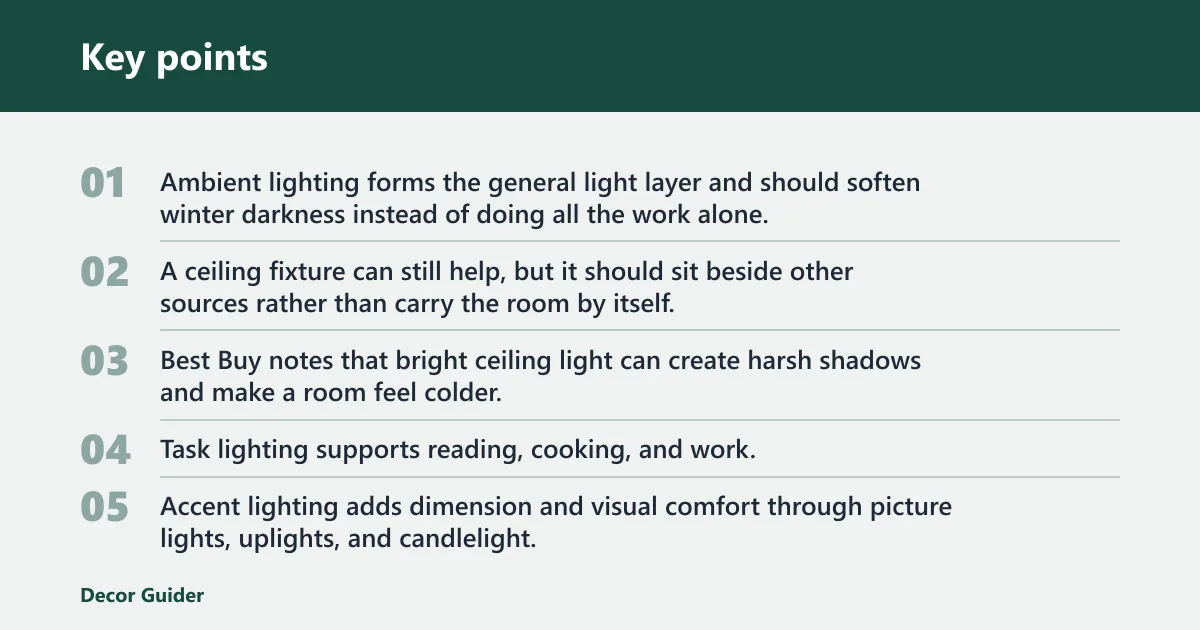
Ambient lighting forms the general light layer and should soften winter darkness instead of doing all the work alone. A ceiling fixture can still help, but it should sit beside other sources rather than carry the room by itself. Best Buy notes that bright ceiling light can create harsh shadows and make a room feel colder.
Task light for practical use
Task lighting supports reading, cooking, and work. It needs to be targeted and bright enough for the task, even when the rest of the room stays softer. That is the balance to aim for, enough light where hands and eyes need it, less glare everywhere else.
Accent light for depth and warmth
Accent lighting adds dimension and visual comfort through picture lights, uplights, and candlelight. Put it at eye level or below so the room does not look flat. KonMari also includes candlelight as a winter-friendly touch when entertaining, which fits best as a small, secondary layer. For styling and placement, keep candle styling safety in mind so the glow stays gentle and controlled.
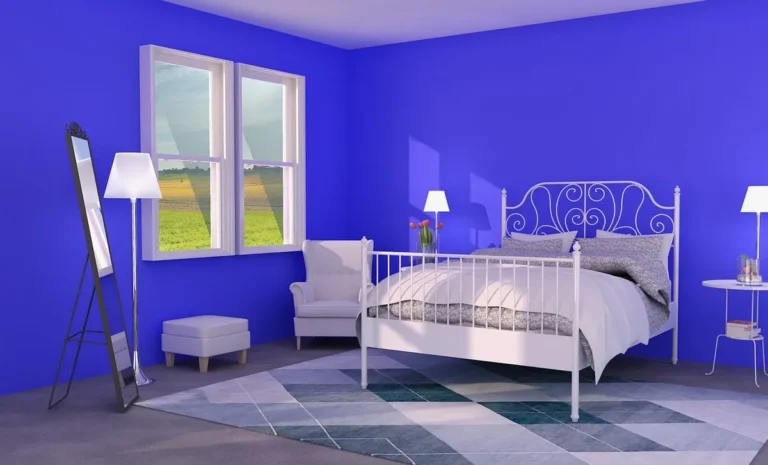
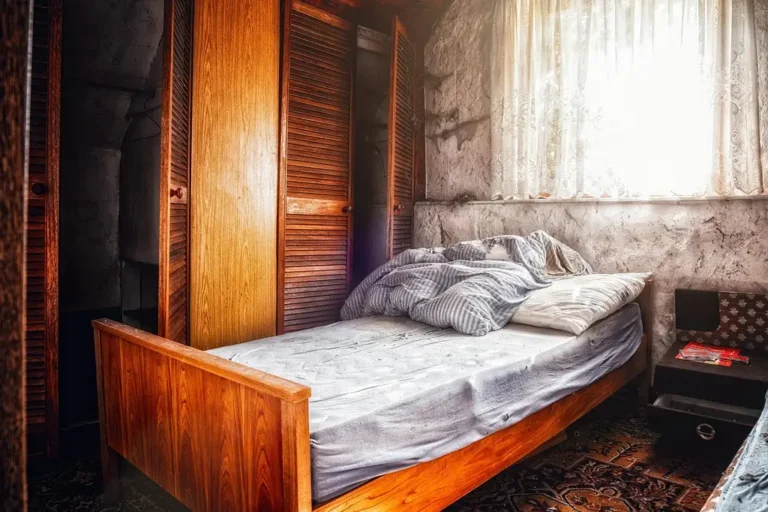
Picture a narrow bedroom with bare white walls, a single ceiling light, and one lamp tucked beside the bed. Add a shaded floor lamp beside the sofa, a table lamp on the opposite side, and one small accent source near a shelf. The room reads warmer because the light has more than one height and one direction.
Should you use warm white or cool white bulbs?

Use warm-white bulbs for a cozy room. They read softer than cool white and are better for winter evenings, especially in living rooms and bedrooms. For task zones, keep enough brightness to see clearly, then use dimming only if the bulb and fixture are compatible.
Warm-white targets for living areas and bedrooms
A warm-white target around 2700K to 3000K is the most practical range for winter coziness. KonMari says warm light bulbs help make a home feel cozier, and Best Buy notes that warm-white lighting can create a softer, more relaxed atmosphere. Keep the same color temperature across lamps in the same room when possible.
When brighter task light still matters
Warm does not mean dim. A reading chair, kitchen counter, or vanity still needs enough output for the job. If the room looks cozy but the task zone feels murky, the fix is usually a better placed lamp or fixture, not a colder bulb.
Dimmer compatibility and room-to-room consistency
If you want adjustable evenings, choose bulbs and fixtures that support dimming; otherwise, keep the output steady and use shade choice to soften glare. A common rule is to keep the same warmth within a room so one lamp does not look orange next to a cooler source. That mismatch can make the space feel unsettled. Check the bulb and dimmer pairing before buying, since dimmer compatibility depends on the fixture and the bulb.
How do you keep a dark room cozy without harsh glare?
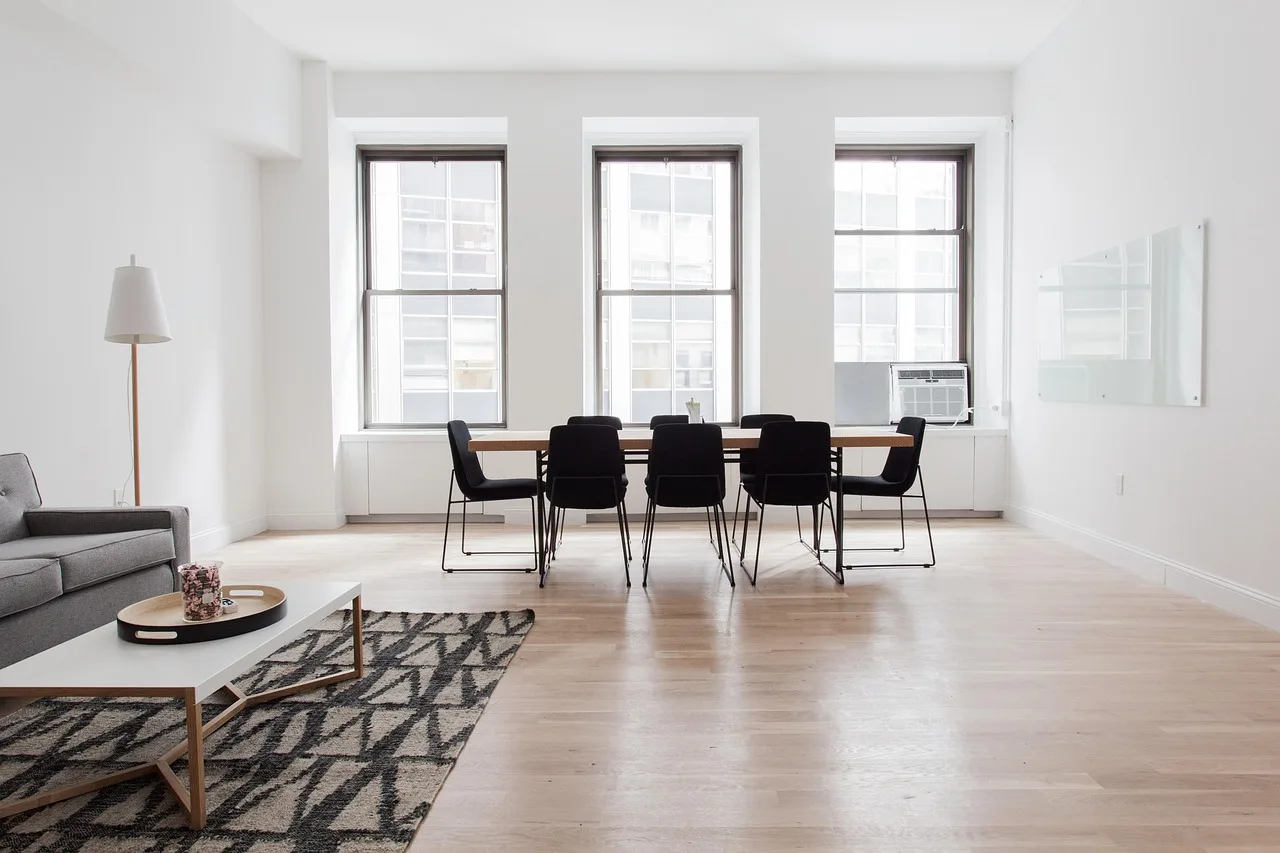
Start by breaking the room into zones. Use one soft ambient source, one practical task source, and one low accent source, then keep bare bulbs out of direct view. That method makes a dark room feel warmer without flooding it with bright light that can flatten the room.
Living room placement rules
Place a table lamp beside the sofa or on a side table, and use a floor lamp outside traffic paths to add height variation. Living room lamp placement works best when the light lands near seating instead of only in the center of the room. Mila Design Life recommends a shaded floor lamp beside the sofa, which fits the goal here: localized light that feels calm rather than glaring.
Suppose your living room has one dark corner near a reading chair. A floor lamp with a soft shade placed just outside the walking path can make that corner usable without turning the whole room into a bright box.
Bedroom placement rules
Use bedside lamps with diffused or shaded light so the bulb does not shine straight at pillow height. Keep the light low enough for winding down and high enough to read comfortably. If the room feels stark, one warm lamp on each side of the bed usually helps more than a brighter ceiling fixture. A balanced winter bedroom lighting setup should keep the bedside glow soft and even.
Kitchen, entryway, and bathroom placement rules
In kitchens, put task light over counters and under cabinets so prep areas stay clear. In entryways, use a lamp or sconce that lights faces and surfaces without a hard beam. In bathrooms, even vanity lighting matters more than a single bright ceiling source, which can throw shadows where you do not want them. For mirror lighting, the key is even coverage at face level rather than a lone overhead bulb. Bathroom vanity placement works best when the light is centered on the mirror or split to both sides so shadows stay low.
A common first-timer mistake is adding one bright bulb to a dark entry and stopping there. The door area gets brighter, but the walls, mirror, and nearby corner still feel cold. A second small source or a mirror opposite a window usually does more for comfort. When daylight is available, the LA Times recommends a mirror opposite a window to move that light deeper into the room.
Gozelux A15 LED Light Bulbs: best for warm-white basics

- Dimmable for adjustable brightness
- Warm white 2700K suits cozy lighting
- Compact A15 size fits smaller fixtures
Choose these if you want a simple 2700K warm-white base for smaller fixtures, including ceiling fans, pendant lights, vanity lights, and desk lamps. The 6W, 700LM listing detail gives you a straightforward starting point for cozy winter lighting in rooms that need a warm tone without a bulky fixture change.
The compact A15 size is useful in smaller lamps and enclosed spots where larger bulbs may not fit well. One drawback is that bulb shape and compatibility can vary by fixture, so check the manufacturer’s listing for your model before buying for enclosed or specialty sockets.
ZenGlimmer floor lamp: best for reading corners

- Soft linen shade diffuses light gently
- Warm ambient light suits cozy rooms
- Weighted base adds stability
Pick this when you need a tall light source that adds height and softens a seating area. The linen shade helps diffuse light, which suits a sofa corner, a chair by a window, or a bedroom reading spot where bare-bulb glare would feel too harsh.
The weighted base is useful for stability in busy rooms. The drawback is the same strength that makes it steady: a 63-inch floor lamp still needs enough open space, so it is better outside traffic paths than tucked into a tight walkway.
BOBOMOMO table lamp: best for bedside warmth

- Soft linen shade gives eye-soothing light
- Resin base offers a rustic wood-grain look
- Rotary switch keeps control simple
Use this lamp when you want localized light on a nightstand or side table. It works well in bedrooms and living rooms because a table lamp creates a small pool of light that feels warm without lighting the whole room at once.
The rotary switch keeps operation simple, which is helpful for a bedside setup. The drawback is that a table lamp only helps where it sits, so you may still need another source for reading across the room or for a larger seating area.
Philips Hue smart bulbs: best for adjustable scenes

- Choose warm-to-cool white shades
- Works with Alexa, Google Assistant, and Apple HomeKit
- Preset scenes support different moods
These make sense if you want the option to shift from warmer to cooler white and save scenes for different evening routines. That flexibility is useful in multiuse rooms, especially when one space needs soft light for relaxing and brighter light for cleaning or work.
The tradeoff is that smart features are only useful if you will actually use them. If you prefer one steady cozy setting, a fixed 2700K bulb may be simpler and cheaper for the same winter effect.
Which one should you buy?
If you want the fastest cozy upgrade for most rooms, start with the Gozelux A15 LED Light Bulbs. They solve the biggest winter problem first: the wrong color of light. If your room already has okay bulbs but still feels flat, add the ZenGlimmer floor lamp or the BOBOMOMO table lamp next, depending on whether you need height or a local pool of light.
Choose the Philips Hue smart bulbs if you want day-to-night control and different moods in one fixture. If you live in a rental, that can be the easiest path because bulb swaps are often simpler than replacing hardwired fixtures. For kitchens and bathrooms, prioritize the space that needs better task light before adding decorative extras.
How do you layer lighting in a living room for winter?
Build the living room in three levels: one ambient source for the room, one or two task lights near seating, and one accent source for depth. That gives you a warmer room without depending on a single ceiling light. The goal is not maximum brightness; it is controlled brightness in the right places.
- Start with the base layer. Use one ambient source that softens the whole room, such as a ceiling fixture with a shade or a soft lamp on a console. Keep it as the base, not the only light, because winter darkness needs more than one source.
- Add light beside seating. Put a table lamp beside the sofa or a floor lamp just outside the traffic path next to a reading chair. This creates a usable pool of light for books, knitting, or conversation without washing out the rest of the room.
- Finish with low accent light. Add a picture light, a shelf light, or one candle on a coffee table. Keep accent light at eye level or below so the room retains depth instead of looking flat.
Do candles help make a home feel cozier in winter?
Candles help, but only as a finishing layer. They add small-scale warmth and atmosphere, especially on coffee tables or dining tables, yet they should complement primary lighting rather than replace it. In winter, the room still needs ambient and task light so the space remains comfortable and usable.
For best effect, use candles after the main room light is set. A single candle can make a dining table feel more intimate, but it will not fix a dark kitchen or a reading corner on its own. Keep candle styling safety in mind by placing flames away from curtains, shelves, and high-traffic edges.
How can I make a dark room feel cozy without turning up the heat?
Use light that feels warmer and lands in more places, then let fabrics and surfaces do the rest. Sheer or linen curtains soften daylight, mirrors can push daylight deeper into a room, and matte surfaces reduce glare. Those changes matter when winter light is weaker and the room needs help all day.
The same source says shorter winter days make enough lighting important in every room, while the LA Times recommends sheer or linen curtains and a mirror opposite a window to move daylight farther inside. That is a practical path for renters too, because it does not require rewiring. If daylight is scarce, use the mirror and curtain approach first, then add lamps where the room still feels dim.
- Open the daylight path. Replace heavy window coverage with sheer or linen curtains during the day. This keeps daylight gentle but plentiful, which makes the room brighter without a hard glare.
- Redirect light deeper. Place a mirror opposite a window when you can. It pushes daylight farther into the room and helps darker corners feel less closed in.
- Cut reflective glare. Favor matte finishes on nearby surfaces and shades over exposed bulbs. That keeps light from bouncing too sharply and makes winter evenings feel calmer.
Frequently asked questions
What lighting makes a house feel cozier in winter?
Warm ambient light, a few task lights, and a small accent source make a house feel cozier than one bright ceiling fixture. The warmth comes from the bulb tone and the placement. Use lamps near seating, keep color temperatures consistent within a room, and avoid bare bulbs where glare can dominate.
Should I use warm white or cool white bulbs for a cozy room?
Use warm white. It reads softer and more relaxed than cool white, which can feel stark in winter. A range around 2700K to 3000K is a practical target for most living spaces and bedrooms, while still leaving enough brightness for task zones when the fixture is placed well.
Where should lamps go to make a room feel warmer?
Place table lamps beside sofas, on side tables, and on nightstands where they create localized pools of light. Put floor lamps outside traffic paths and near reading corners. That placement warms the room visually while keeping the light useful where people sit, read, or move through the space.
How do I keep a room bright enough without harsh overhead light?
Use several smaller sources instead of one bright ceiling fixture. A shaded floor lamp, a table lamp, and targeted task light can keep the room bright enough while lowering glare. The same source notes that bright ceiling lights can make a room feel colder, which is why layering works better in winter.
Products related to this article
Sponsored / affiliate links. As an Amazon Associate I earn from qualifying purchases. I may earn additional commission from eligible campaigns.