Baking Sheet Size Chart: Standard Sizes
For most home ovens, buy a half sheet at 13 x 18 inches. Pick a quarter sheet at 9 1/2 x 13 inches for small batches, a two-thirds sheet only after you confirm your oven fits it, and smaller pans for toaster ovens. The wrong size can block airflow, crowd food, and leave you with uneven browning or wasted batches. This guide gives a baking sheet size chart by oven type, batch size, and use for cookies, vegetables, and convection baking.
Baking sheet sizes at a glance


If you want the short answer, the standard list starts with full-size, two-thirds, half, quarter, and eighth sheet pans. The half sheet is the normal residential pick for many bakers, while the full-size pan is mainly a commercial standard and is usually too large for a home oven.
| Size | Nominal dimensions | Common use | Fit note |
|---|---|---|---|
| Full-size sheet pan | 18 x 26 inches | Commercial baking and roasting | Fits one per commercial oven shelf; usually too large for home ovens |
| Two-thirds sheet pan | 16 x 22 inches | Home bakeries, small catering | Check oven width and rack clearance before buying |
| Half sheet pan | 13 x 18 inches | General home baking, cookies, vegetables | Often the safest all-purpose residential choice |
| Quarter sheet pan | 9 1/2 x 13 inches | Small batches, toaster ovens, side dishes | Exact outside dimensions vary by brand |
| Eighth sheet pan | 6 1/2 x 9 1/2 inches | Prep work, garnish, individual portions | Best for compact ovens and staging ingredients |
Those are nominal sizes, not a promise that every pan will measure the same on a ruler. Manufacturers may label similarly named pans with slightly different dimensions, and raised sides reduce the flat space available for cookies or vegetables.
For a first purchase, a half sheet usually gives the widest range of use. If your oven is small, or if you bake one tray at a time, a quarter sheet may be easier to fit and easier to store.
Which baking sheet size fits your oven?
Measure the oven before you buy. The pan has to fit more than the cavity width. Door opening, rack spacing, side rails, and fan clearance can all decide whether a listed size works in practice.
Residential ovens
For a standard home oven, a half sheet is the most common all-purpose size, and one commercial guide says a standard residential oven usually suits a half sheet or smaller. A two-thirds sheet may fit in some 30-inch ovens, but it needs a compatibility check first.
Convection ovens
Convection fans take up space and can make a pan feel larger than the specs suggest. Leave enough room around the pan for air movement, and avoid buying only by nominal dimensions if the fan housing or side rails cut into the usable width.
Toaster ovens
Quarter sheets are often the practical choice for toaster ovens, because they are small enough to fit without touching the walls or heating element. A quarter sheet is also useful when you want a single tray for a fast batch rather than a full oven load.
Baking sheet size chart checklist
Use this checklist before you shop. It keeps you from ordering a pan that looks right on paper but jams against the door, rides on the rack rails, or leaves too little air space for even browning.
| Oven type | Max practical sheet size | What to measure | Common mistakes | Best use case |
|---|---|---|---|---|
| Standard residential oven | Half sheet, 13 x 18 inches | Door opening, interior width, rack spacing, side rails | Buying by name only; ignoring rack rails; choosing a pan that crowds the cavity | Cookies, roasted vegetables, weeknight sheet-pan dinners |
| Larger residential oven | Two-thirds sheet, 16 x 22 inches | Interior width, usable depth, door swing, fan clearance | Assuming a 30-inch oven always fits it; forgetting handles or bent rims | Large batches, small catering, bigger roasts |
| Countertop or toaster oven | Quarter sheet, 9 1/2 x 13 inches | Door opening, rack width, rack spacing, top-heater clearance | Choosing a rimmed pan that sits too close to the element | Small cookie batches, reheating, side dishes |
| Commercial oven | Full-size sheet, 18 x 26 inches | Shelf width, shelf depth, rack spacing | Assuming commercial size is useful at home | High-volume baking and roasting |
- Measure the door opening. Use the narrowest clear width and height at the oven entrance, not the widest point inside. A pan that fits the cavity can still snag at the door.
- Measure the interior width. Check the clear space between the left and right walls, then compare it with the pan’s outside dimensions. Leave room for easy sliding, not a forced fit.
- Check rack spacing. Measure the vertical gap between racks and between the rack and the top heating area. Tall sides or a crowded tray can block air and slow browning.
- Account for fan clearance. In convection ovens, keep space around the pan so air can move. If the fan housing reduces usable width, size down rather than forcing a larger pan.
A common first-timer mistake is buying a pan by its listed size alone. Suppose a half sheet fits the cavity width, but the rack rails steal enough space that the pan must be angled to slide in. The result is poor airflow and a tray that cools unevenly.
What size baking sheet should you buy?
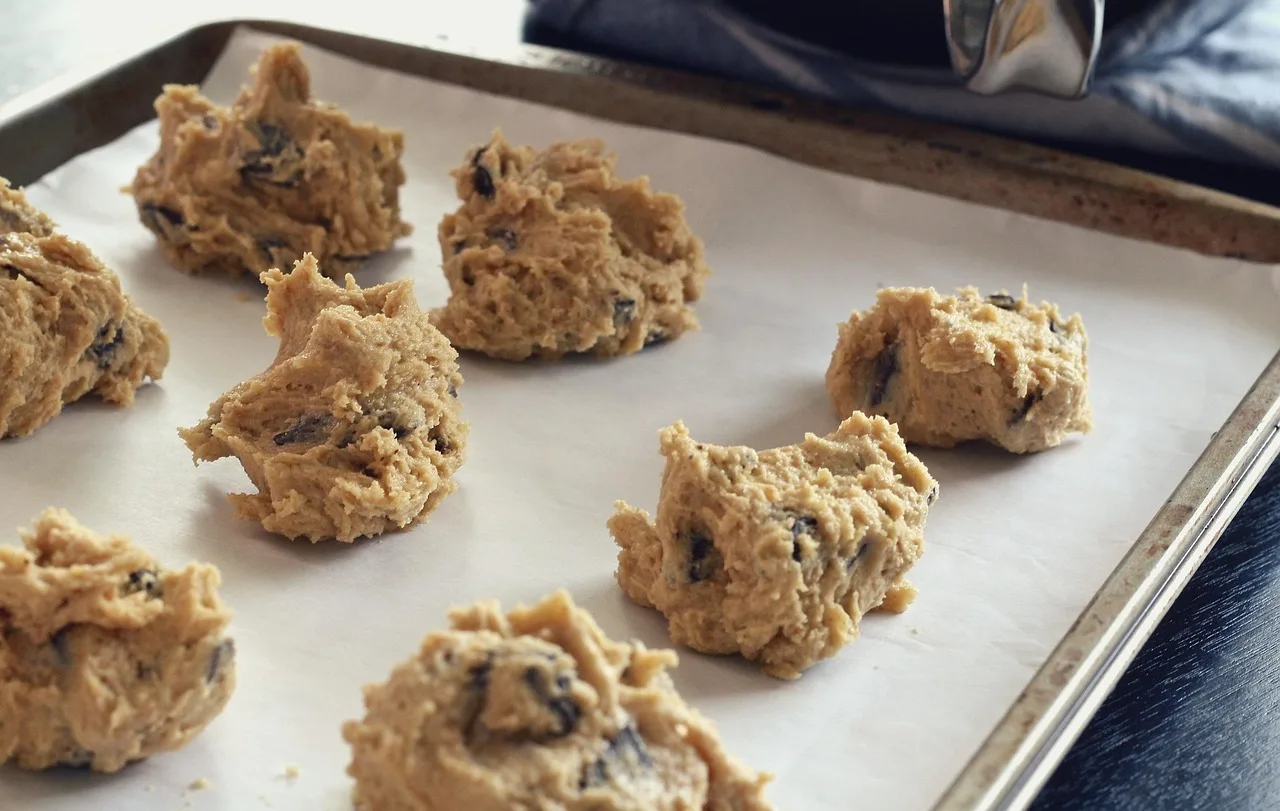
Choose the pan by the job, not only by the label. Cookies need space around each portion, vegetables need a single layer for browning, and sheet-pan dinners need enough room for protein and vegetables without stacking.
For cookies
A half sheet is the best default for cookie batches in most home ovens. It gives enough flat area for spacing, and it is large enough for one standard batch without crowding. If your oven is small, a quarter sheet can be better than forcing a larger pan into a tight cavity.
Cookie sheets are a separate choice. A cookie sheet may be rimless or have one raised edge, which makes it easier to slide cookies on and off, but it is less useful for batter, oil, or anything that can drip.
For vegetables
A half sheet is usually the most useful size for roasting vegetables at home, while a quarter sheet works for smaller portions or side dishes. For best browning, keep the vegetables in a single layer and avoid piling them high, since the usable area is smaller than the outside measurement suggests.
For sheet-pan dinners
A half sheet is again the practical starting point for a family-size dinner. If your recipe includes both protein and vegetables, the tray should hold them in one layer with some open space, or you will steam rather than roast.
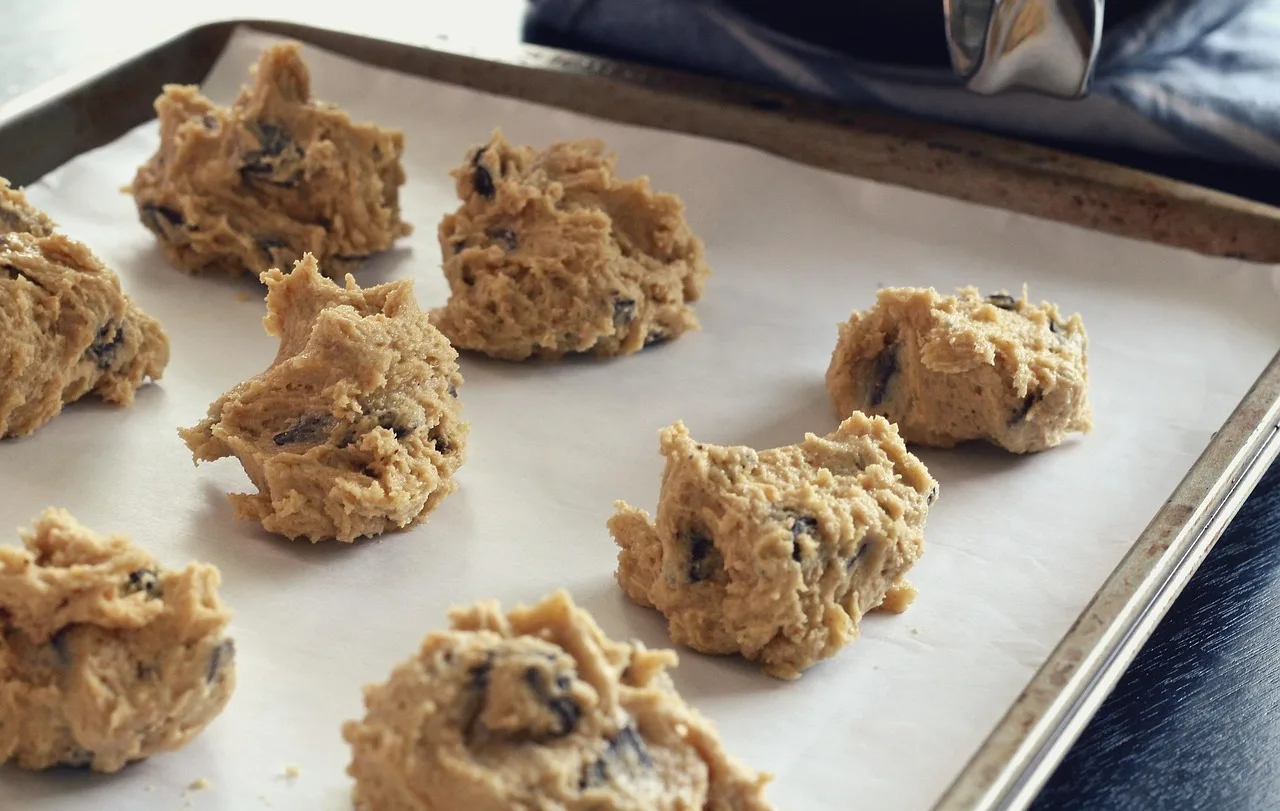
Say your recipe calls for 24 cookies and you use a half sheet. If the dough balls are packed too close together, the edges merge and the centers stay soft longer. A quarter sheet would need multiple rounds, but it can be the better fit for a compact oven.
Cookie sheet vs baking sheet
A cookie sheet is not the same thing as a fully rimmed baking sheet. Rimmed pans contain juices and oil better, while rimless or one-edge cookie sheets make transfer easier and are often better for plain cookies. For liquids, drips, and sheet-pan dinners, choose the rimmed pan.
Rimless and one-edge designs
Rimless designs let baked goods slide off more easily, which matters when you want a clean transfer for cookies. One raised edge can help with handling while still keeping the front open enough for easy release.
When a rimmed pan is better
Use a rimmed baking sheet for vegetables, chicken, fish, or any dish with marinade, oil, or pan juices. The rim keeps the food in place and reduces spill risk, which is why a cookie sheet is a poor swap for messy baking or roasting.
Material and gauge matter
Size is only part of the choice. Sheet pan material and gauge affect warping resistance, heat behavior, and browning, so two pans with the same dimensions can perform differently in the oven.
Aluminum vs carbon steel
Aluminum and carbon steel are common materials. Aluminum is widely used for even heating, while carbon steel is often chosen for stronger structure and different browning behavior. The finish matters too, since it can change how fast the surface colors.
Why thickness affects warp resistance
Thicker gauge pans are less likely to buckle at high heat. Thin pans can warp when they heat unevenly or when a cold tray goes into a hot oven, and that can tilt food or cause grease to pool at one side.
Suppose a pan fits your oven but bows in the center at 450 degrees. The fit is still technically right, but the result is poor contact with the rack and uneven browning along the middle. A thicker, heavier pan is the cleaner buy.
Which size is best for home bakers?
For most home bakers, the half sheet is the safest default because it fits many residential ovens and covers the widest range of cookies, vegetables, and dinners. Add a quarter sheet if you use a toaster oven or bake smaller batches, and move up to a two-thirds sheet only after you confirm oven clearance.
Half sheet as the default pick
The half sheet is common and versatile for home baking. It is large enough for most recipes without being awkward in a residential oven, and it is a sensible first buy if you want one pan that can do most jobs.
When to add a quarter sheet
Choose a quarter sheet if you want a small tray for one-person meals, quick reheats, garnish prep, or toaster oven use. It also makes sense when your oven is short on clearance and a larger tray would crowd the rack.
When a two-thirds sheet makes sense
A two-thirds sheet can be useful for larger home batches and small catering, but only if your oven measurements support it. It is often described as the largest baking sheet a standard 30-inch oven will accommodate, so treat it as a fit-first purchase rather than a default upgrade.
Frequently asked questions
What size is a normal baking sheet?
For home baking, a normal baking sheet is usually a half sheet, which measures 13 x 18 inches. That is the common all-purpose size for residential ovens. Some stores also call a quarter sheet normal for smaller jobs, but the half sheet is the standard default for most kitchens.
What size is a full baking sheet?
A full-size sheet pan measures 18 x 26 inches. It is the common commercial standard and fits one per commercial oven shelf. It is usually too large for many residential ovens, so it is often not the best first buy for a home baker.
How big is a normal baking sheet?
A normal baking sheet for home use is usually a half sheet at 13 x 18 inches. Exact outer dimensions can vary by manufacturer, so check the product listing before ordering. If you need a smaller tray, a quarter sheet is the next common size.
What is a standard baking sheet size?
The standard commercial list includes full, two-thirds, half, quarter, and eighth sheet sizes. For home baking, the half sheet is the standard practical choice, while quarter sheets are common for smaller ovens. Exact dimensions vary slightly by brand, so fit still matters.
What size baking sheet fits a home oven?
A half sheet usually fits a standard home oven, and many commercial guides say a standard residential oven suits a half sheet or smaller. If your oven is compact or has tight rails, a quarter sheet may be the safer choice. Measure door opening, width, and rack clearance first.
What is the difference between a cookie sheet and a baking sheet?
A cookie sheet is often rimless or has one raised edge, which makes cookie transfer easier. A baking sheet is usually fully rimmed, which helps hold oil, juices, and loose ingredients. Use the rimmed pan for roasting and the cookie sheet for easy release.
Products related to this article
Sponsored / affiliate links. As an Amazon Associate I earn from qualifying purchases. I may earn additional commission from eligible campaigns.