Baking Dish Size Chart: Common Sizes and Conversions
For most recipes, match the dish to usable interior volume: a 9 x 13 x 2-inch pan typically holds about 16 cups, an 8 x 8 x 2-inch pan about 8 cups, and a 9-inch round cake pan about 8 cups. Pick the wrong size, and you can get overflow, dry edges, thin layers, or a center that stays underbaked. This guide gives a baking dish size chart, common capacity conversions, and practical swaps for casseroles, lasagna, brownies, quiche, and deep-dish desserts.
What baking dish size fits your recipe?


Start with the recipe’s fill volume, then check the dish’s usable interior size. If the batter or filling comes close to the rim, choose a deeper dish or split the recipe. Serving count helps, but it is only a backup check because surface area changes browning and bake time.
Use recipe volume first
A recipe written for a 10-cup dish should be matched to a pan that truly holds about 10 cups, not a label that looks close. A 10-cup baking dish can correspond to an 11-3/4-inch by 7-1/2-inch by 1-3/4-inch baking pan.
Match depth to fill level
Depth matters because the same top size can hold very different amounts. A shallow pan spreads batter thin, which can brown the edges early. A deeper pan can keep a wet center covered, but it may need more time and can change the final texture.
Use serving count as a second check
If a casserole should feed six, a pan that holds the full recipe volume is the first filter. Then check whether the surface area leaves enough room for even browning and a comfortable serving thickness. That second check helps avoid thin, dry corners or a thick center that stays soft.
Say your lasagna recipe fills a 10-cup dish but you only have a wider pan with more surface area. The noodles may brown faster at the edges while the center sets more quickly than expected. A deeper pan of the right volume is usually the safer swap.
Baking dish decision table
This chart uses one standard for comparison: nominal label, typical interior top dimensions, depth, approximate usable volume, and the most common fit and risk notes. Manufacturer listings vary, especially for 9 x 13 pans, so product-specific exceptions are called out where they matter most. Compare the inside opening and fill height first; outer dimensions are only a fit check for your oven and rack.
| Common label | Typical interior top dimensions | Typical depth | Approximate usable volume | Ideal recipe yield | Best uses | Risk flags |
|---|---|---|---|---|---|---|
| Small square dish | 8 x 8 inches | About 2 inches | About 8 cups; 2 quarts; 1.9 liters | About 6 to 8 servings | Brownies, small casseroles, bars | Can underfill a larger recipe; shallow fill can dry out edges |
| Mid-size square dish | 9 x 9 inches | About 2 inches | About 10 cups; 2.5 quarts; 2.4 liters | About 8 servings | Bars, brownies, smaller casseroles | Depth varies by brand; confirm the usable rim-to-rim space |
| Deep rectangular dish | 11-3/4 x 7-1/2 inches | About 1-3/4 inches | About 10 cups; 2.5 quarts; 2.4 liters | About 6 to 8 servings | Custardy bakes, compact casseroles, small gratins | Shorter depth can mean quicker edge browning |
| Springform pan | 8-inch diameter | About 2.5 inches | About 10 cups; 2.5 quarts; 2.4 liters | About 8 servings | Cheesecake, deep-dish desserts | Focus on volume, not diameter alone; leakage risk if the pan is not sealed well |
| Metal rectangular pan | 13 x 9 inches | About 2 inches | About 12 cups; 3 quarts; 2.8 liters | About 10 to 12 servings | Sheet-style casseroles, baked pasta, larger family desserts | Too large for recipes written for 10 cups; can dry thin batters |
| Rectangular baking dish | 9-by-13-inch baking surface | About 2.6 inches | Maximum capacity of 5.3 quarts; about 21.2 cups; 5.0 liters | About 12 to 16 servings | Large casseroles, lasagna, baked pasta | Handles and rim shape affect the outer footprint and oven fit |
| Large rectangular baking dish | 15 x 10 1/4 inches | About 1 1/2 inches | 5 quarts; about 20 cups; 4.7 liters | About 10 to 12 servings | Roasts, large gratins, party-size bakes | May be wider than expected for a standard oven rack |
| Large rectangular baking dish | 13 x 9 inches | About 2 inches | 4 quarts; about 16 cups; 3.8 liters | About 8 to 12 servings | Lasagna, casseroles, baked side dishes | Check oven clearance and handle shape before lifting |
Same-volume, different-shape caution: two pans can hold the same number of cups and still bake differently. A wider pan exposes more surface area, which usually means faster browning and a thinner layer. A deeper pan holds the same volume in a taller column, which usually means slower center set and a lower risk of spillover. When you swap shapes, compare interior area, depth, and the recipe’s fill height together, not just capacity.
Quick capacity conversion guide: 1 cup = 1/4 quart = about 240 milliliters. 4 cups = 1 quart. 8 cups = 2 quarts. 12 cups = 3 quarts. 16 cups = 4 quarts. Common baking-pan examples: 8 x 8 x 2 inches is about 8 cups; 9 x 9 x 2 inches is about 12 cups; 11-3/4 x 7-1/2 x 1-3/4 inches is about 10 cups; 13 x 9 x 2 inches is about 16 cups; a deep 9-by-13-inch baking dish may be about 16 to 21.2 cups depending on model.
How do inner and outer dimensions differ?
Inner dimensions measure the usable cooking space inside the rim. Outer dimensions include the walls, lip, and any handles, so they are larger and can mislead shoppers who only read the label. For recipe fit, the top rim and interior depth matter more than the outer edge.
Why the top rim matters more than the base label
A pan can be sold as a 9 x 13 dish, yet the usable space may be smaller because the walls taper or the rim flares outward. That difference affects batter spread, filling height, and whether a recipe bubbles over. Always compare the interior opening, not only the footprint printed on the box.
How handles and lip design change the listed size
Handles can add several inches to the outside measurement without changing the cooking area at all. A wide lip also makes a dish easier to lift, but it can reduce the space available on a crowded oven rack. That matters for oven-to-table use, where the dish needs to fit through the rack opening safely.
What to measure before you swap dishes
Measure the inside length, inside width, and inside depth at the rim. Then compare that with the recipe volume and the type of batter or filling. If the recipe is close to the rim, choose a deeper pan or divide the batter instead of trusting the outer dimensions.
A common first-timer mistake is reading a handle-to-handle measurement and assuming it is the baking surface. A dish may look like it will fit a 9 x 13 recipe, but the handles push the outer size much larger while the interior stays smaller than expected.
Common rectangular dish sizes
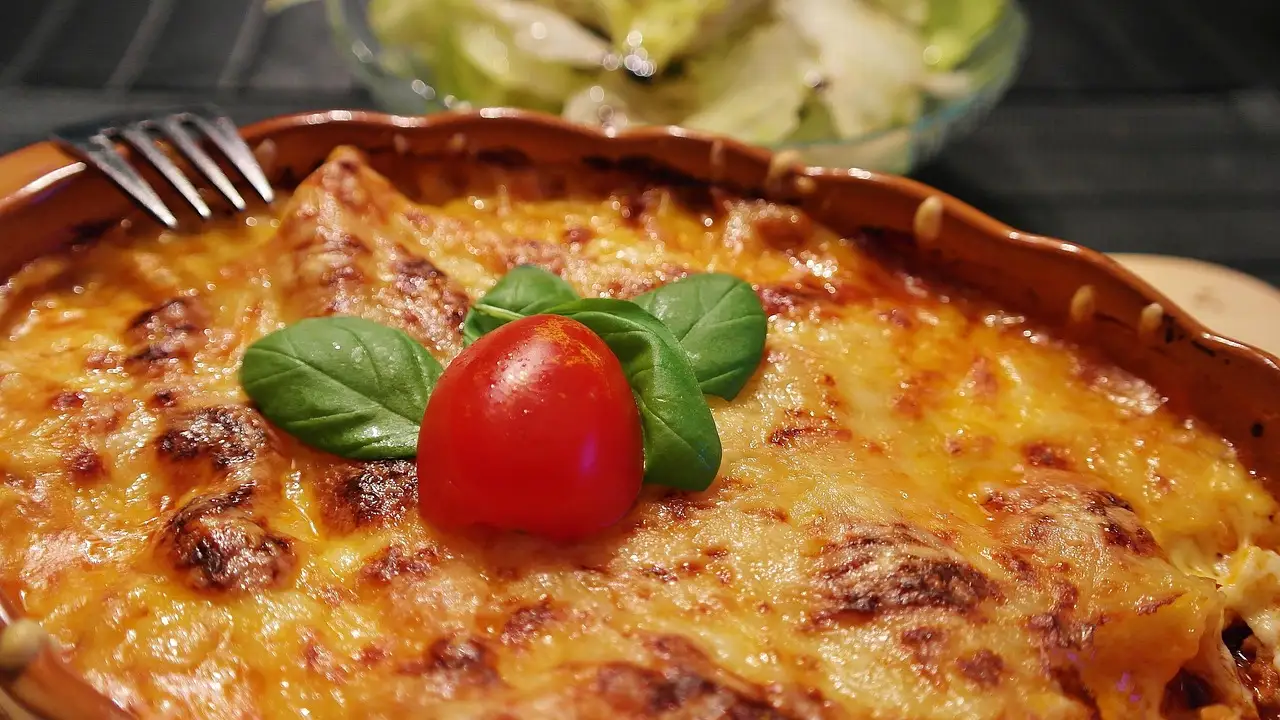
Rectangular dishes are the usual choice for lasagna, casseroles, and baked pasta. The 9 x 13 size is common, but the label alone does not tell you how much it holds. Check the interior depth, because a deeper version can carry more volume and change how the top browns.
9 x 13 baking dish capacity and typical uses
A standard 9 x 13 dish is the common workhorse for lasagna, potato casseroles, and brownie slabs. Some versions are shallow and some are deep, so the capacity can vary widely. Product listings commonly place 9 x 13 pans anywhere from about 16 cups to 21.2 cups, depending on depth, wall shape, and whether the quoted size is the interior opening or a maximum fill capacity. A deeper 9-by-13-inch baking dish can run closer to 16 to 21.2 cups.
When a deeper rectangular dish changes the result
Depth changes how high the filling sits, how quickly the center sets, and how much browning happens at the top edge. A deeper pan can prevent overflow for saucy bakes, but it can also slow the center. A shallower pan can speed browning while leaving a thicker bake too dry at the rim.
What to check before using it for lasagna or casseroles
For lasagna, the safest choice is a pan that matches the recipe’s stated volume and gives enough headroom for sauce. For casseroles, the goal is a uniform layer that bakes through without spilling. If the recipe is written for 10 cups, do not assume every 9 x 13 dish is the same size.
Square dish sizes and recipe fit
Square dishes are common for brownies, bars, and smaller casseroles. The difference between 8 x 8 and 9 x 9 may sound small, but the added surface area changes layer thickness and edge browning. Depth matters just as much, because a 2-inch pan behaves differently from a shallower one.
8 x 8 versus 9 x 9 capacity differences
An 8 x 8 pan usually suits smaller bakes or thinner layers. A 9 x 9 pan gives you more room for a family-size brownie batch or a modest casserole. In the 12-cup range, a 9-inch by 9-inch by 2-inch square pan can be a match, while an 8 x 8 x 2-inch pan is closer to 8 cups.
Bars, brownies, and smaller casseroles
Bars need enough depth to support a firm set without spilling over the sides. Brownies are especially sensitive to pan area because a wider pan spreads the batter thin and changes the crust-to-center ratio. Smaller casseroles benefit from square pans when you want even heat and compact serving portions.
How depth affects fill level and bake time
A deeper square pan can handle a wetter mixture with less risk of overflow. A shallower one may brown faster along the edges and finish sooner in the center. A glass square dish often bakes more gently than a metal one, so the same recipe may need a slightly lower temperature and a longer check for doneness.
What size round or springform dish do you need?
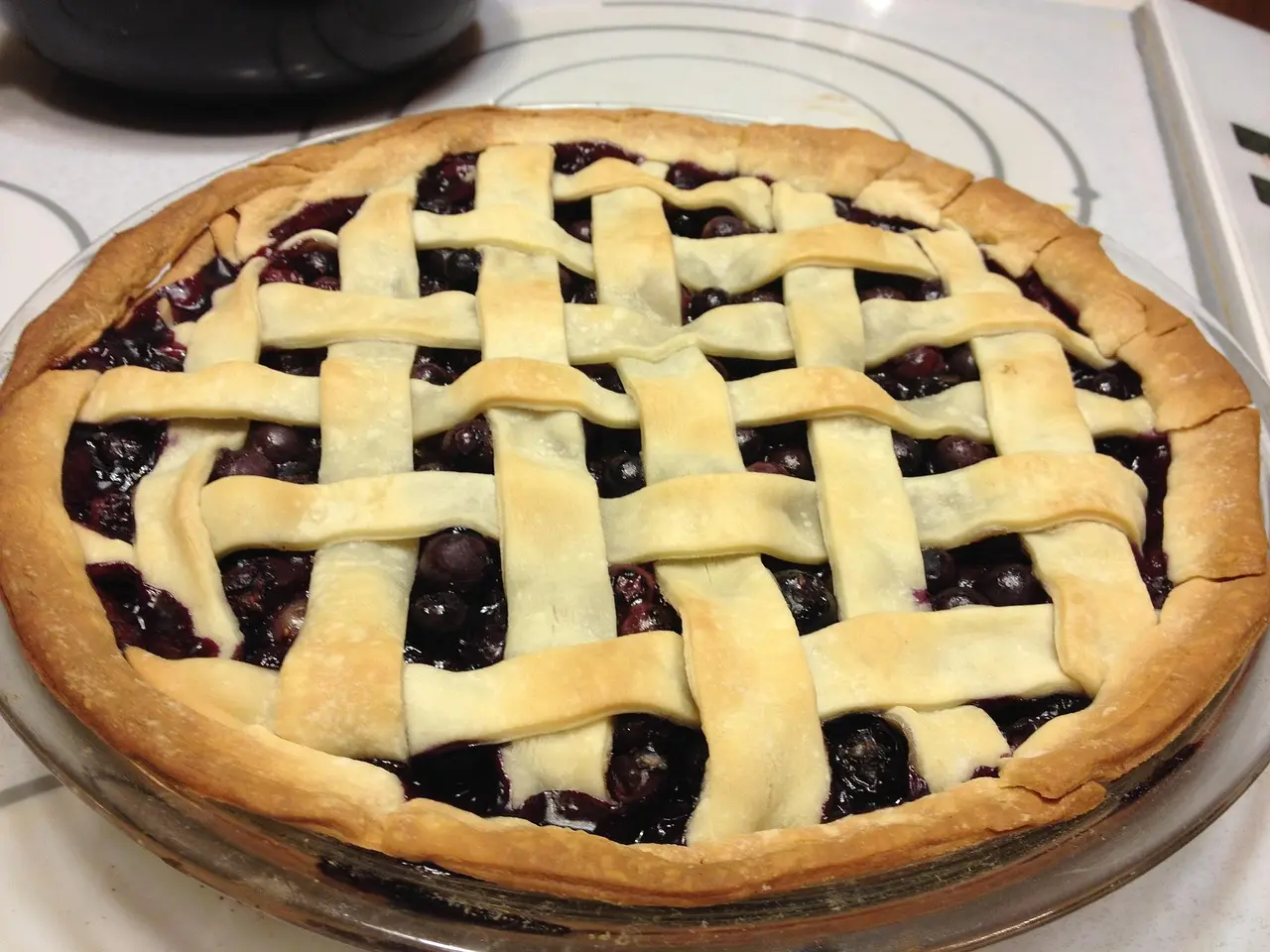
Round dishes and springform pans need a volume check, not just a diameter check. A 9-inch round pie plate can work for quiche and single-crust pies, while a 10-inch round dish or springform pan may suit deeper fillings. The rim depth decides whether the center rises above the edge or stays level.
9-inch and 10-inch round dish uses
A 9-inch round dish is common for pies, quiche, and smaller desserts. A 10-inch round format gives more top area and can suit a larger filling. Because depth varies widely, the same diameter can behave very differently in the oven, especially with custard or fruit filling.
Springform pan conversion by capacity, not diameter
Springform pans often appear in cup-based conversion charts because cheesecake batter is a volume question first. An 8-inch by 2.5-inch springform pan is close to the 9-cup range, so the diameter alone does not tell the full story. Check the stated capacity and usable depth before you swap.
When cheesecake needs a different volume check
Cheesecake batter can rise and then settle, so headroom matters. If the pan is too small, the filling may crowd the rim or leak during baking. If it is too large, the cheesecake may bake too thin and dry at the edges before the center sets.
How do material and oven behavior change the result?
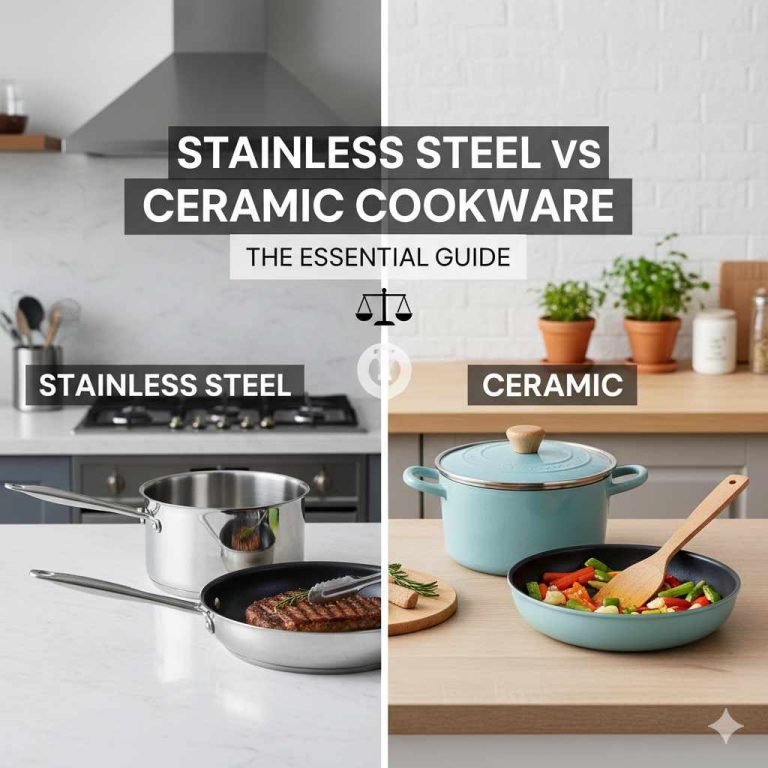
Material changes heat behavior, weight, browning, and oven safety. Glass often bakes differently from metal. Porcelain, ceramic, and stoneware can hold heat well, but they are heavier and can be more fragile when moved hot. Check the manufacturer’s oven-safe rating for the exact model.
Glass versus metal temperature adjustments
Glass bakeware often needs a lower oven temperature than metal. University extension guidance and major food publishers commonly recommend reducing the oven temperature by 25 degrees when substituting glass for metal because glass retains heat longer and can overbrown the edges. Expect more browning on metal and slightly gentler heat transfer in glass, which can change both the top color and the bake time.
Porcelain, ceramic, and stoneware differences
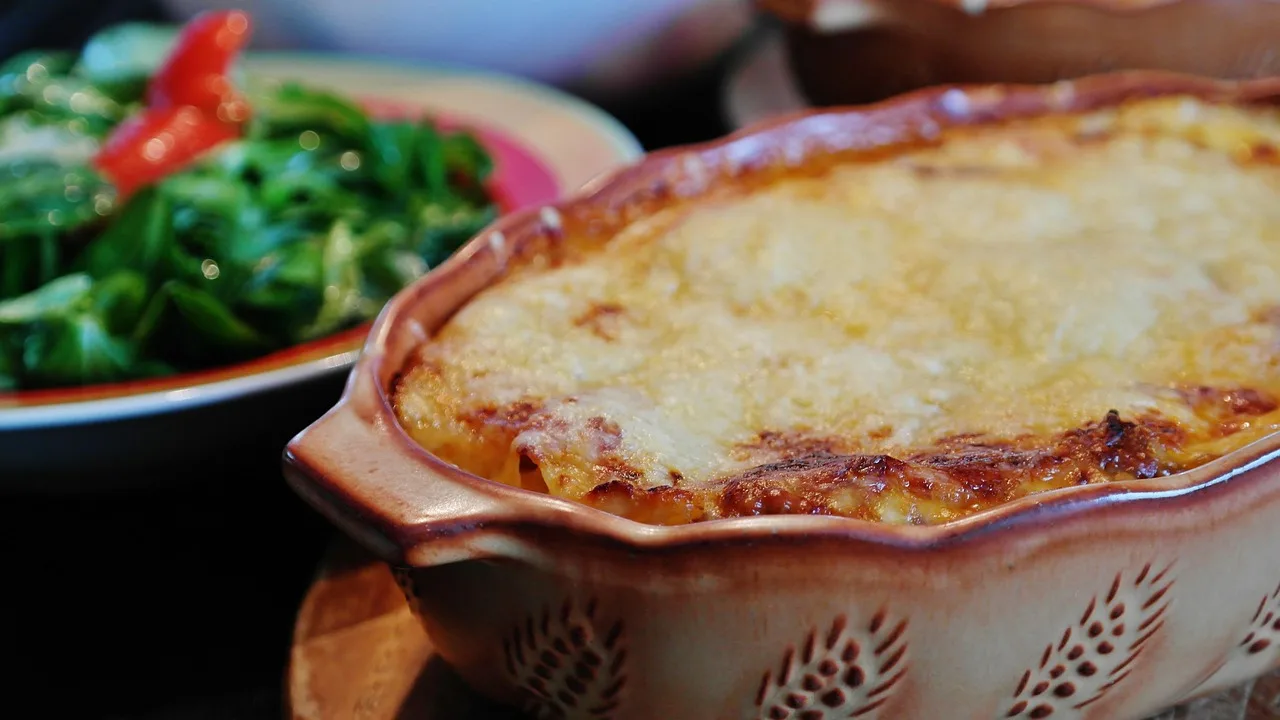
Porcelain, ceramic, and stoneware are popular for oven-to-table use because they retain heat and look presentable at serving time. They can also be heavier than metal and may take longer to come up to temperature. That can help keep a casserole hot after baking, but it can also make handling less forgiving.
Why heavier dishes can change handling and browning
A heavier dish is harder to lift safely when full, especially if it has wide handles or a slick glaze. It may also hold heat longer, which can continue cooking the edges after the pan leaves the oven. For that reason, a recipe that looks done in glass or stoneware may need a closer final check at the center.
How do I substitute one baking dish size for another?
Substitute by capacity first, then check the surface area and depth. A good swap keeps the batter or filling close to the original recipe volume, leaves room for rise, and avoids a pan that is too shallow or too wide. If the new pan changes the thickness, expect a different finish.
Start with equal volume
If you are moving from one pan to another, compare cups or quarts before anything else. A 12-cup baking dish can correspond to a 13-inch by 9-inch by 2-inch metal baking pan. That makes the capacity check more reliable than guessing from the label alone.
Watch for overflow, underfill, and edge overbrowning
Overflow happens when the new dish is smaller than the recipe volume. Underfill happens when the pan is too large, which can dry out thin layers. Edge overbrowning shows up when a shallow or wide pan exposes too much surface to heat before the center is ready.
Use a practical swap order
- Check the recipe volume in cups, quarts, or liters.
- Compare the usable interior dimensions, not the outer measurements.
- Check depth for headroom and spill risk.
- Adjust for material: glass, metal, ceramic, porcelain, or stoneware.
- Watch the bake and stop when the center and edges look done for that pan.
Frequently asked questions
What size baking dish do I need for my recipe?
Match the recipe’s volume to the dish’s usable interior capacity first. Then check surface area and depth so the batter or filling sits at the right level. Serving count is a useful backup, but it cannot replace a volume check when the recipe is close to the rim.
What size is a 10 cup baking dish?
A 10-cup baking dish can take several forms. It can correspond to an 11-3/4-inch by 7-1/2-inch by 1-3/4-inch baking pan. That is why capacity matters more than the label alone.
How many quarts is a 9×13 baking dish?
Usually about 3 to 4 quarts, depending on the model and depth.
What is the difference between inner and outer baking dish dimensions?
Inner dimensions are the usable cooking space inside the rim. Outer dimensions include walls, lips, and handles, so they are larger and less useful for recipe fit. If you are swapping dishes, compare the interior opening and depth, not the outside measurement printed on the package.
What size baking dish should I use for lasagna?
Use the pan size that matches the recipe’s volume and leaves enough headroom for sauce and noodles. A 9 x 13 dish is common for lasagna, but deeper versions can hold more filling. If the recipe was written for 10 cups, confirm the actual capacity before you choose a pan.
What baking dish size is best for casseroles?
For casseroles, the best size is the one that matches the recipe volume and gives even layer depth. A 9 x 13 dish is common for family-size casseroles, while 8 x 8 and 9 x 9 pans suit smaller batches. Depth and surface area both affect browning and doneness.
Products related to this article
Sponsored / affiliate links. As an Amazon Associate I earn from qualifying purchases. I may earn additional commission from eligible campaigns.