Are Stainless Steel Pots And Pans Safe To Use?
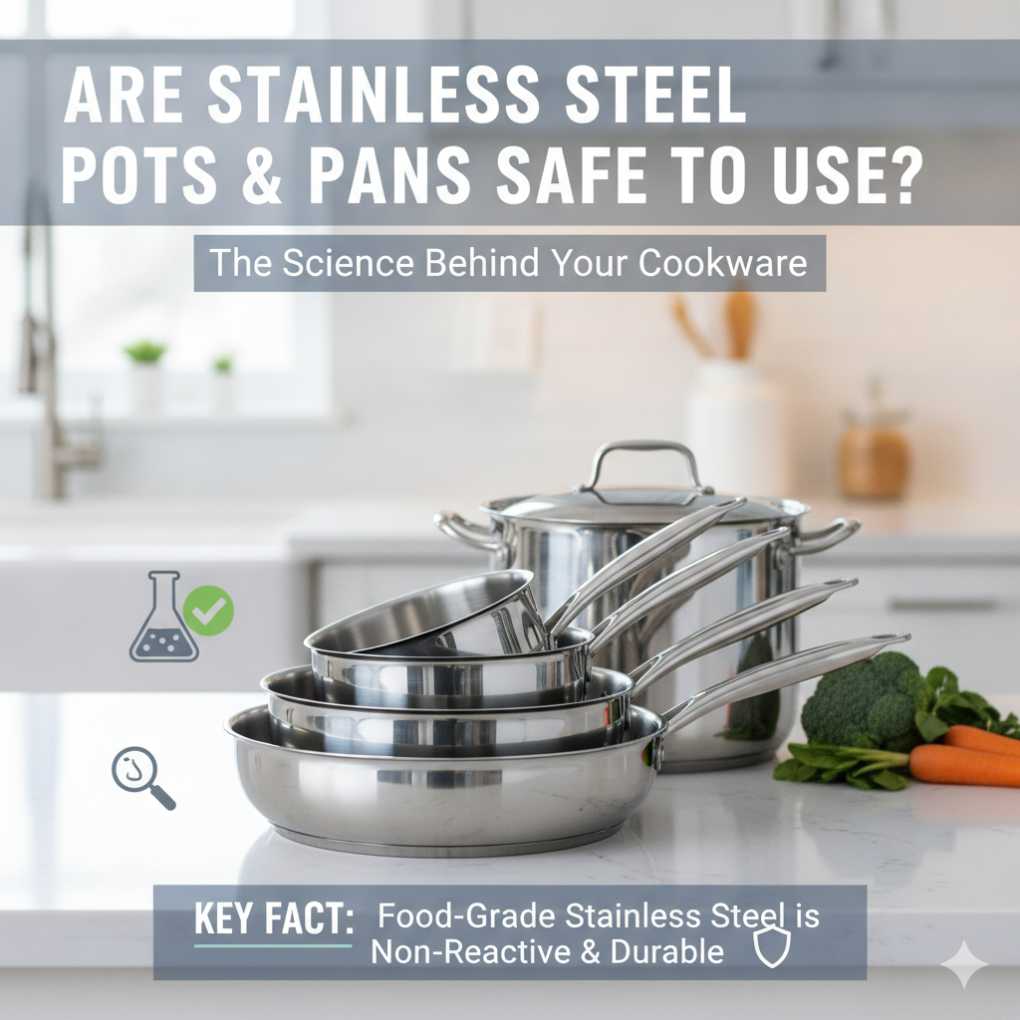
Yes, stainless steel pots and pans are generally considered safe for everyday cooking. They are non-reactive, durable, and don’t leach harmful chemicals into food under normal use. Proper care ensures their longevity and continued safety.

Cuisinart
Cuisinart Chef's Classic 11-Piece Stainless Steel Cookware…
- CONFIDENCE IN EVERYDAY COOKING: This Cuisinart Chef’s Classic stainless steel cookware set brings together pots and pans for seari…
- EVEN HEAT AND MIRROR FINISH — Pure aluminum encapsulated base heats quickly and spreads heat evenly, eliminating hot spots for pre…
- DURABLE PERFORMANCE — Uncoated stainless steel delivers lasting durability and dependable performance, and can go in the dishwashe…
As an Amazon Associate I earn from qualifying purchases.

Understanding Stainless Steel Cookware
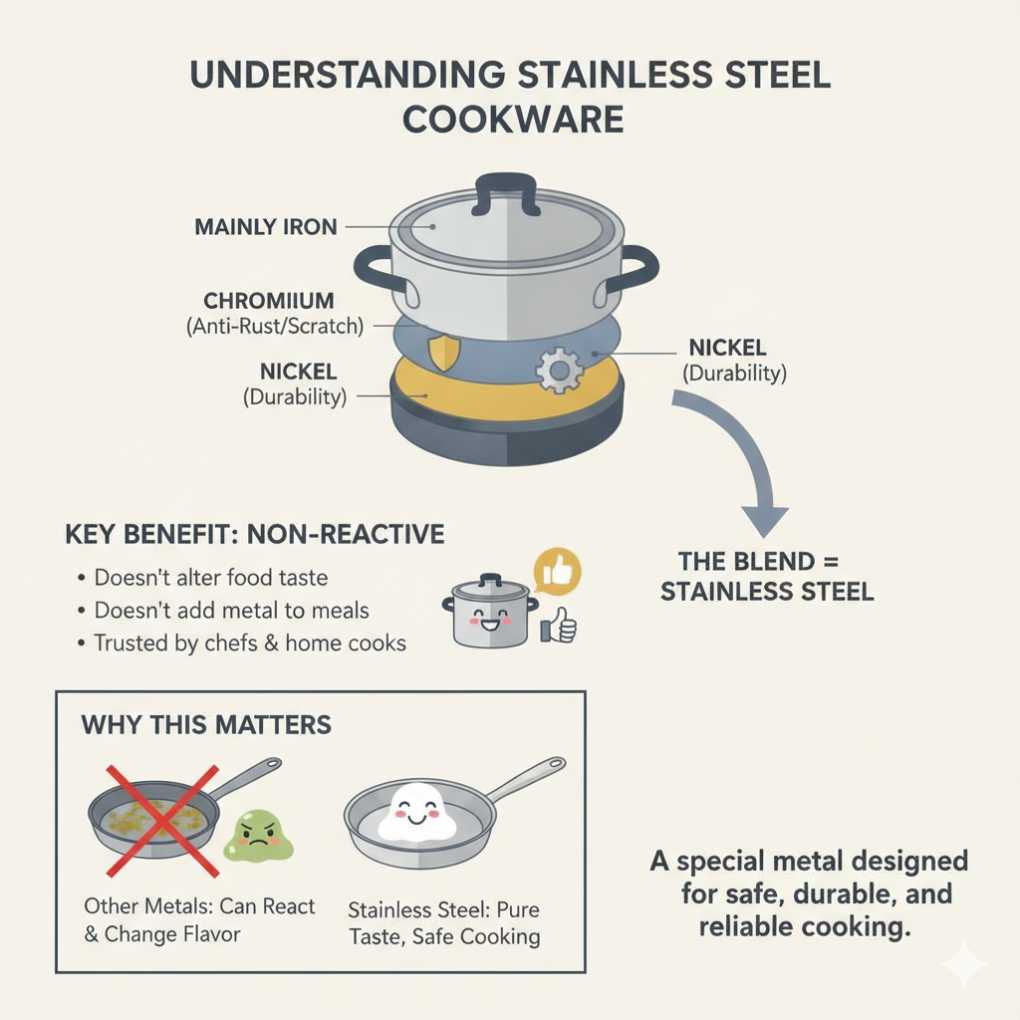
So, what exactly is stainless steel? Think of it as a special kind of metal. It’s mostly iron.
But it has chromium added to it. This makes it resist rust. It also helps it stand up to scratches.
Most cookware uses a mix of iron, chromium, and nickel. The exact amounts can change how the metal acts.
This blend of metals gives stainless steel its name. It also makes it a great material for pots and pans. It doesn’t easily react with foods.
This is a big deal. Many other metals can react. They can change the taste of your food.
They might even add tiny bits of metal to your meal. Stainless steel avoids this problem. This makes it a favorite for busy home cooks and professional chefs alike.
Why Stainless Steel is a Kitchen Staple
There are many good reasons why stainless steel pots and pans are everywhere. Let’s break down the top benefits that make them a go-to choice for so many people.
Durability That Lasts
One of the biggest draws is how tough stainless steel is. These pots and pans don’t dent easily. They don’t warp under heat.
They resist scratches from utensils. If you take care of them, they can last for years. Some people even pass them down through families.
This long lifespan means you buy them once and use them for a very long time.
Non-Reactive Nature
This is a key safety feature. Stainless steel does not react with acidic foods like tomatoes or lemon juice. This means the metal won’t change the flavor of your dishes.
It also means harmful metal particles are less likely to get into your food. You can cook a rich tomato sauce without worrying about a metallic taste. This is great for health and taste.
Easy to Clean
Most of the time, cleaning stainless steel is pretty simple. Food generally doesn’t stick too badly if you use it right. A quick wash with soap and water usually does the trick.
For tougher bits, a gentle scrub works well. They can often handle the dishwasher, too. This saves you time and effort after cooking.
Even Heating (with a catch)
High-quality stainless steel pans often have layers. These layers might include aluminum or copper in the base or sandwiched between steel. This helps to spread heat evenly.
It reduces hot spots. Hot spots can burn food. Even heating means your food cooks more consistently.
Cheaper pans might not have these layers. They can heat unevenly.
The core material itself is not the best at conducting heat. That’s why good pans add other metals. This layered construction is key to their performance.
It balances the durability of steel with the heat-spreading power of other metals.
Aesthetically Pleasing
Let’s be honest, they look good too! The shiny surface of stainless steel adds a professional touch to any kitchen. They look great on the stovetop.
They also look good when guests are over. Their timeless design means they don’t go out of style.
Quality Matters: The Numbers Game
You’ll often see numbers like 18/8 or 18/10 on stainless steel cookware. These numbers tell you the percentages of chromium and nickel in the steel.
- 18% Chromium: This is the key ingredient for rust resistance. It forms a protective layer on the metal.
- 8% or 10% Nickel: Nickel adds shine and helps make the steel more durable and resistant to corrosion. It also makes it more non-reactive.
Higher nickel content (like 18/10) generally means a more premium, durable, and less reactive pan. But even 18/8 is excellent for most home cooking needs.
Potential Concerns and What They Mean
While stainless steel is generally safe, like any material, there are a few things to be aware of. These aren’t usually major issues, but understanding them helps you use your cookware best.
Nickel Content
Some people are allergic to nickel. If you have a nickel allergy, you might need to be more careful. While stainless steel is designed to be non-reactive, trace amounts of nickel could potentially leach into food, especially with very long cooking times or highly acidic foods.
Most people with nickel sensitivities don’t have issues with good quality stainless steel cookware. However, if you have a severe allergy, you might consider cookware made with little to no nickel.
The FDA considers nickel a safe additive in food. But for those with a specific allergy, awareness is key. The U.S.
Food and Drug Administration (FDA) has guidelines for metals used in food contact. Stainless steel meets these standards. So, for the vast majority of people, the nickel in stainless steel is not a health concern.
It’s more about personal sensitivity.
Leaching of Metals
In very rare cases, and usually with damaged or low-quality cookware, small amounts of iron or nickel could leach. This is more likely if the pan is scratched deeply or if you’re cooking something extremely acidic for a very long time. However, the amounts are typically tiny.
They are far below levels that would cause harm for most people. The protective oxide layer on stainless steel is quite effective.
Think about it this way: you’d have to severely damage the pan or cook something like pure lemon juice for days to see any significant leaching. For everyday cooking of most foods, this isn’t a practical worry. The safety of stainless steel pots and pans relies on their excellent material properties.
Myth vs. Reality: Common Stainless Steel Worries
Let’s clear up some common misunderstandings about stainless steel cookware.
Myth: Stainless steel is toxic.
Reality: Stainless steel is a stable alloy. It’s approved for food contact by health agencies. It’s designed not to react with food.
Myth: Food sticks to stainless steel.
Reality: Food sticks if the pan isn’t preheated correctly or if there’s not enough oil. Proper technique prevents sticking.
Myth: You can’t cook acidic foods in stainless steel.
Reality: You absolutely can. High-quality stainless steel is non-reactive. It won’t affect the taste of tomato sauce or citrus dishes.
Myth: All stainless steel cookware is the same.
Reality: Quality varies. Pans with layered bases (aluminum/copper) heat much better than single-layer steel.
My Own Experience with Stainless Steel
I remember when I first started really getting into cooking. My kitchen was stocked with a mix of old non-stick pans. They were scratched and peeling.
I kept reading about how bad they could be. So, I decided to invest in a decent set of stainless steel pots and pans. It was a bit of an investment at first, and I was honestly a little nervous.
My first attempt with my new stainless steel skillet was for scrambled eggs. I’d always made them in non-stick. I used the stainless steel pan without really thinking.
I put the eggs in before the pan was fully hot. Big mistake! They stuck like glue.
I panicked a little, thinking I’d ruined them and the pan. It took a good scrub to get them off.
That day, I learned a crucial lesson about stainless steel. It’s not non-stick by nature. You have to heat the pan properly.
You need a little bit of oil or butter. Once I figured out the preheating trick – waiting for the pan to get warm, adding oil, then letting the oil shimmer – my eggs slid right out. It was a small moment, but it made me realize that understanding the material is key to its safety and performance.
Over time, I’ve cooked everything in them. Soups, stews, seared meats, delicate fish. I’ve even made caramel.
They’ve held up beautifully. I haven’t noticed any weird tastes. They still look shiny after years of heavy use.
The biggest thing I learned is that using the right cooking method for the material unlocks its full potential and safety.
How to Use Stainless Steel Safely and Effectively
The key to enjoying your stainless steel pots and pans for years lies in a few simple habits. These practices ensure safety and also make cooking much more enjoyable. They also help your pans last a very long time.
Preheat Your Pan Properly
This is the number one tip for preventing food from sticking. Don’t just put your food in a cold pan. Heat the pan over medium heat for a few minutes.
You can test if it’s ready by flicking a few drops of water into it. If the water beads up and dances around, it’s hot enough. If it evaporates instantly, it’s too hot.
If it just sits there, it’s not hot enough.
Once the pan is hot, add your oil or butter. Let the oil heat up for a moment until it shimmers. Then, add your food.
This creates a thin layer that stops food from grabbing onto the metal. This step is crucial for non-stick results and safety, as burning food is less likely.
Use the Right Amount of Fat
While stainless steel is non-reactive, a little bit of cooking fat is your best friend. It helps with heat distribution and acts as a barrier. You don’t need a lot, just enough to coat the bottom of the pan lightly.
For most cooking, a teaspoon or two of oil or butter is plenty. This helps food release easily and prevents sticking.
Avoid Extreme Temperature Changes
Don’t plunge a hot pan into cold water. This can cause the metal to warp. It can even crack the pan over time.
Let the pan cool down a bit before washing it. If there are stubborn bits, you can fill it with warm, soapy water and let it soak. This gentle approach protects the material.
Quick Scan: Stainless Steel Care Tips
| What to Do | What to Avoid |
|---|---|
| Preheat pan slowly on medium heat. | Put cold food into a cold pan. |
| Use a small amount of cooking oil or butter. | Use excessive amounts of oil. |
| Let pan cool slightly before washing. | Submerge a hot pan in cold water. |
| Use wooden, silicone, or plastic utensils. | Use sharp metal utensils that can scratch. |
| Wash with soap and warm water. | Use abrasive steel wool or harsh cleaners. |
| Dry thoroughly after washing. | Leave wet to air dry, which can cause spots. |
Choose Your Utensils Wisely
To keep your pans looking their best and free from scratches, use utensils made from wood, silicone, or plastic. These materials are softer and won’t scratch the surface. Metal utensils, especially sharp ones, can scratch the steel over time.
While a scratch might not make the pan unsafe, it can make it harder to clean and less aesthetically pleasing. The goal is to maintain that smooth, non-reactive surface.
Cleaning and Maintenance
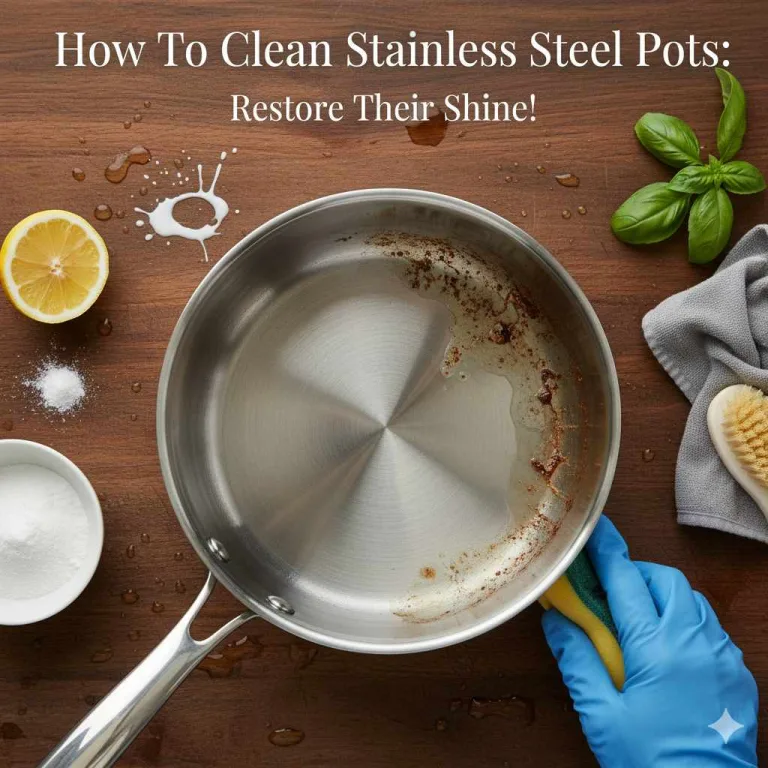
For regular cleaning, soap and warm water are usually enough. If you have tough stuck-on food, a bit of baking soda paste can work wonders. Make a paste with baking soda and water, apply it to the burnt areas, let it sit for a while, then scrub gently.
For stubborn discoloration or stains, you can use a specialized stainless steel cleaner. These cleaners are formulated to restore shine without damaging the metal.
Always dry your pans thoroughly after washing. This prevents water spots. Water spots can dull the shine.
They are generally harmless but affect the look. Keeping your pans dry ensures they maintain their beautiful appearance.
When Is It Normal and When to Worry
Most of the time, using stainless steel cookware is completely worry-free. But knowing what’s normal can save you some stress.
Normal Observations
- Slight Sticking: If you forget to preheat or use too little oil, some sticking might happen. This is usually fixed with proper cleaning.
- Color Changes: Sometimes, pans might develop faint rainbow-like colors. This is often due to minerals in the water or overheating. It’s usually harmless and can often be cleaned off with a stainless steel cleaner or vinegar.
- Minor Scratches: Light scratches from normal use are common. They don’t affect the safety or performance of the pan.
When to Pay More Attention
- Deep Pitting or Rust: If you see actual rust spots (not just discoloration) or deep holes forming, this is unusual. It might indicate a very low-quality pan or damage.
- Warping: If the bottom of the pan is significantly warped and no longer sits flat on the stovetop, it can affect heating and stability.
- Severe Sticking Despite Proper Use: If food consistently sticks even when you preheat and use oil correctly, the pan’s surface might be damaged or compromised.
- Taste Changes: If your food consistently tastes metallic, even after trying different cooking methods, it’s worth investigating the pan.
For the vast majority of users, these “worry” signs are very rare. Good quality stainless steel is built to withstand typical kitchen use for decades. The FDA’s stance is that stainless steel is safe, and this holds true for most products on the market.
Quick Checks for Your Stainless Steel Pans
- Flat Bottom? Ensure the pan sits evenly on your stove.
- Smooth Surface? Run your finger over the inside. Does it feel smooth or are there obvious gouges?
- Shiny Appearance? Does it still have a nice luster, or is it dull and stained?
- No Rust? Check for any reddish-brown spots that look like actual rust.
These simple checks can help you gauge the condition and continued safety of your cookware.
Are There Health Benefits to Using Stainless Steel?
While stainless steel cookware itself doesn’t offer health benefits in terms of added nutrients, its primary advantage is that it doesn’t add anything harmful to your food. This is a significant health consideration.
Unlike some older types of cookware or materials that can degrade and leach chemicals, stainless steel maintains its integrity. It doesn’t react with food, so you’re eating what you cooked, not what leached from the pan. This purity in cooking is a quiet but important health benefit.
It allows you to focus on the nutritional value of your ingredients.
The U.S. Department of Health and Human Services and the Environmental Protection Agency (EPA) do not list stainless steel as a material of significant health concern for cookware. This widespread acceptance among health and safety bodies underscores its safety profile.
Comparing Stainless Steel to Other Cookware
To really appreciate the safety of stainless steel, it helps to see how it stacks up against other popular cookware materials.
Non-Stick Cookware
Non-stick pans, often made with Teflon (PTFE), are convenient because food slides right off. However, when these coatings are scratched or overheated, they can release fumes that are harmful. The PFOA chemical, once used in manufacturing Teflon, has been phased out due to health concerns.
While modern non-stick is safer, it still has a lifespan and can degrade.
Cast Iron Cookware
Cast iron is very durable and can last a lifetime. It also adds small amounts of iron to your food, which can be beneficial for some people (like those with iron deficiency). However, cast iron is reactive with acidic foods.
This can affect the taste. It also requires careful seasoning and maintenance to prevent rust. It’s safe when used correctly but demands more attention than stainless steel.
Copper Cookware
Copper heats incredibly evenly and offers precise temperature control. However, pure copper is reactive and toxic. Therefore, copper cookware is almost always lined with another metal like tin or stainless steel.
If the lining wears away, it can be unsafe. The outer copper is safe, but the lining is crucial for food safety.
Aluminum Cookware
Aluminum heats very quickly and evenly. It’s also lightweight and affordable. However, aluminum can react with acidic foods, which can cause it to leach into food and affect taste.
Anodized aluminum is more durable and less reactive, but raw aluminum cookware can pose concerns for some.
When you look at these options, stainless steel stands out for its balance of durability, safety, and ease of use. Its non-reactive nature is a major plus for consistent food safety.
Stainless Steel vs. Other Pans at a Glance
Stainless Steel
Pros: Durable, non-reactive, safe, easy care, looks good.
Cons: Can stick if not used properly, not as fast to heat as aluminum.
Non-Stick
Pros: Food releases easily, convenient.
Cons: Coatings can degrade, overheat risk, not as durable.
Cast Iron
Pros: Very durable, adds iron, great for searing.
Cons: Heavy, reactive with acids, requires seasoning, can rust.
Copper (lined)
Pros: Excellent heat control, beautiful.
Cons: Expensive, lining is critical for safety, reactive if lining fails.
The Takeaway: Cooking with Confidence
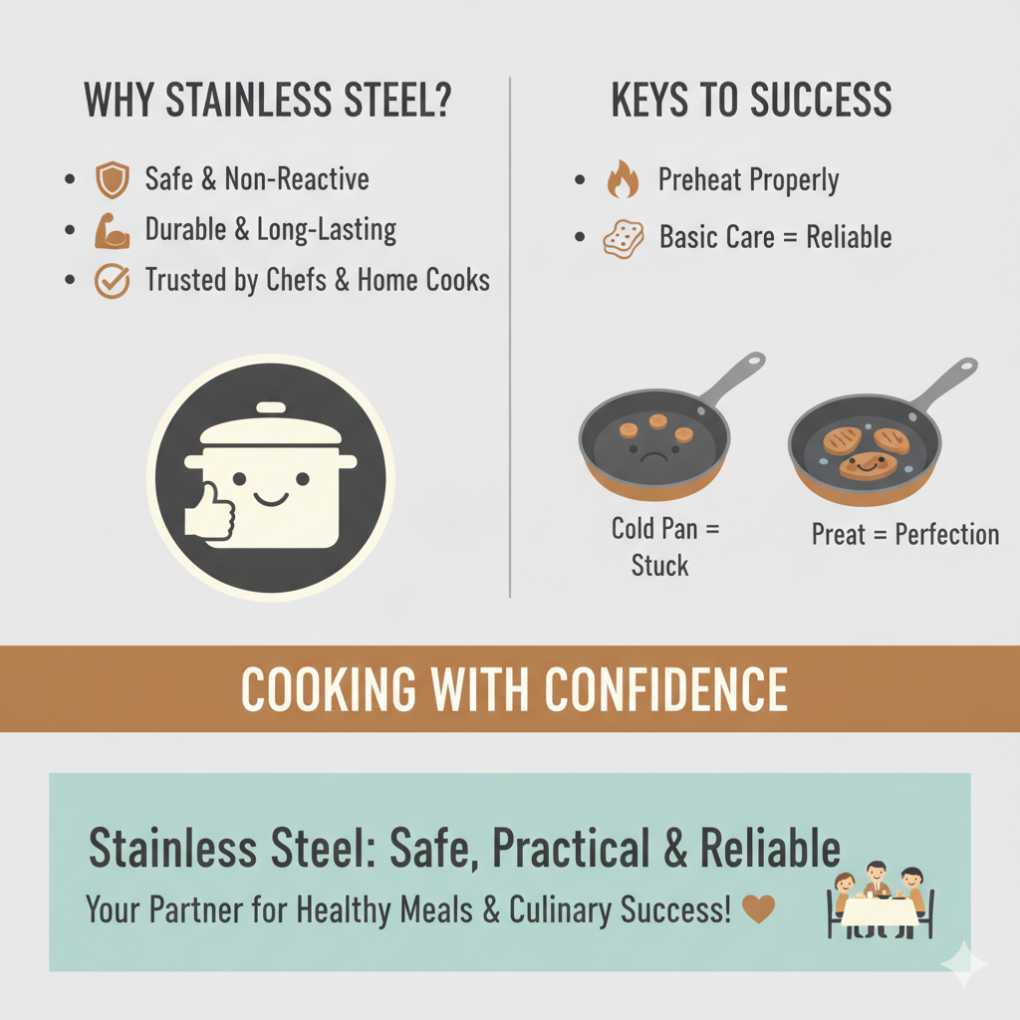
After years of cooking and exploring different kitchen tools, I feel very confident recommending stainless steel pots and pans. They are a cornerstone of safe and effective cooking for good reason. Their durability means they are an investment that pays off over time.
Their non-reactive nature means you can trust what you’re cooking is what you’re eating.
Understanding how to use them, especially the importance of preheating, is the biggest step to success. When treated with basic care, they are incredibly reliable. They don’t break down, they don’t leach unwanted substances, and they make cooking a pleasure rather than a chore.
For everyday home cooks aiming for healthy meals and long-lasting cookware, stainless steel is a top-tier choice.
So, are stainless steel pots and pans safe? Absolutely. They are one of the safest and most practical options available for your kitchen.
Enjoy your cooking!
Frequently Asked Questions About Stainless Steel Cookware Safety
Is it safe to cook acidic foods like tomato sauce in stainless steel?
Yes, it is safe. High-quality stainless steel, especially those with higher nickel content (like 18/10), is non-reactive. It won’t alter the taste of your acidic foods.
Cooking acidic foods for very extended periods might cause minuscule leaching, but it’s well within safe limits for everyday use.
Can stainless steel cookware leach nickel into food? What if I have a nickel allergy?
While stainless steel contains nickel, it’s designed to be non-reactive. Significant leaching is rare and usually happens with damaged pans or very long cooking times of highly acidic foods. If you have a severe nickel allergy, it’s wise to be cautious and monitor for any reactions.
However, most people with nickel sensitivities have no issues with quality stainless steel cookware.
Do scratches in stainless steel pans make them unsafe?
Minor scratches generally do not make stainless steel pans unsafe. The steel itself is durable. Scratches might make food stick a little more or be harder to clean.
If the scratches are very deep or compromise the pan’s structure, it’s good to consider replacing it, but typical cosmetic scratches are fine.
What do the numbers like 18/8 or 18/10 mean on stainless steel cookware?
These numbers refer to the composition of the stainless steel alloy. The first number (18) is the percentage of chromium, which provides rust resistance. The second number (8 or 10) is the percentage of nickel, which adds shine and corrosion resistance.
18/10 is generally considered a higher quality, more durable, and more corrosion-resistant steel than 18/8.
How do I prevent food from sticking to my stainless steel pans?
Proper preheating is key. Heat the pan over medium heat for a few minutes. Then, add a small amount of cooking oil or butter and let it heat up until it shimmers.
Add your food to the shimmering oil. This technique creates a barrier that prevents sticking.
Are cheaper stainless steel pans safe?
Cheaper stainless steel pans can still be safe, but they might not perform as well. They may heat unevenly or be made of lower-grade steel that is more prone to scratching or staining. Look for pans with layered bases (like aluminum or copper) for better heat distribution.
Always check reviews for quality and performance.
What is the best way to clean stubborn food from stainless steel?
For stubborn food, try making a paste of baking soda and water. Apply it to the burnt areas, let it sit for a while (30 minutes to an hour), then scrub gently with a non-abrasive sponge. For very tough stains, you can also try boiling a little water with a tablespoon of vinegar or a specialized stainless steel cleaner.
Conclusion
Stainless steel pots and pans are a safe, reliable choice for your kitchen. They offer durability and a non-reactive surface for healthy cooking. By understanding their properties and using them with proper technique, you can enjoy years of safe and delicious meals.
Embrace your stainless steel cookware with confidence!
Related pick: Check today's price on Amazon
Products related to this article
Sponsored / affiliate links. As an Amazon Associate I earn from qualifying purchases. I may earn additional commission from eligible campaigns.