Glass vs Stainless Steel Tea Kettle: Which Is Better
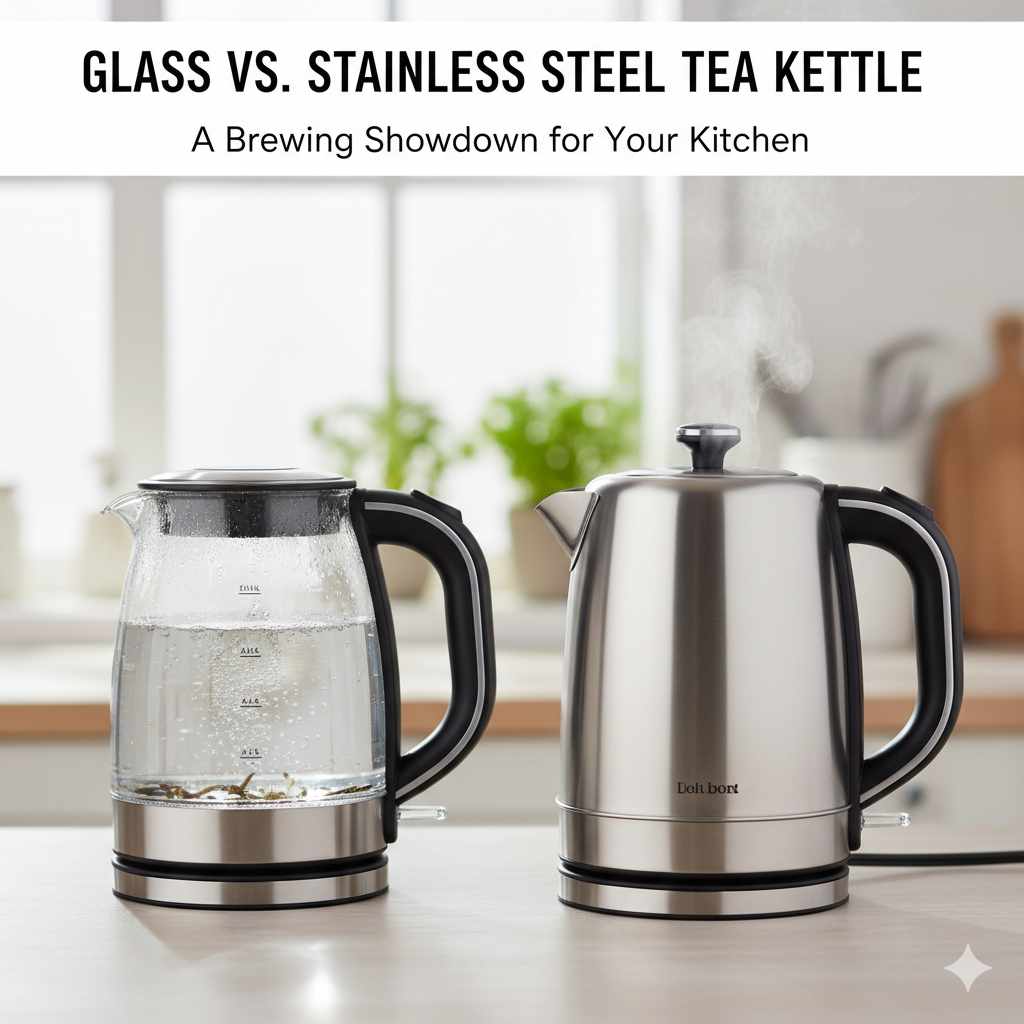
Choosing the right tea kettle can feel a bit tricky when you’re just starting out. Many people wonder about the Glass vs Stainless Steel Tea Kettle: Which Is Better? question. It’s a common puzzle because both types have their good points.

IMEEA
IMEEA Small Espresso Mug 7.5oz Double Wall…
- Small Capacity Espresso Size: This mug has a maximum capacity of 220ml / 7.5oz (filled to rim). The recommended comfortable servin…
- Ideal for Espresso and Small Drinks: Perfect for espresso shots, small coffee portions, tea samples, kids drinks, or travel use wh…
- Double Wall Stainless Steel Design: Double wall construction helps reduce heat transfer and improves comfort when holding warm bev…
As an Amazon Associate I earn from qualifying purchases.
You might be unsure which one will work best for your kitchen and your tea habits. Don’t worry, we’ll break it down in a simple way. We’ll look at what makes each material special so you can pick the perfect kettle for you.
Let’s find out what’s best for your next cup of tea.
Glass Tea Kettle Pros and Cons
Glass tea kettles offer a unique way to watch your tea steep and your water heat up. This visual appeal is a big draw for many tea lovers. They look modern and clean on a stovetop or countertop.
The material itself is non-reactive, meaning it won’t change the taste of your water or tea. This purity is important for enjoying the subtle flavors of fine teas. Glass is also easy to clean, usually just needing a gentle wash.
However, glass can be fragile. Dropping it or hitting it against something can cause it to chip or break. This makes it less ideal for busy kitchens or homes with small children.
Heat resistance can also be a concern depending on the type of glass. Some glass kettles are designed for stovetop use, while others are electric and meant for boiling water only. It’s important to check the product details to avoid damage.
Visual Appeal and Observation
One of the standout features of a glass tea kettle is its transparency. You can see the water as it heats up, which can be quite satisfying. For herbal teas or blends where you want to see the leaves unfurl, this is a delightful experience.
It lets you visually confirm when the water reaches the right temperature for certain teas. For instance, green teas often require lower temperatures than black teas, and seeing the bubbles form can give you a good indication.
Purity of Taste
Glass is a very inert material. This means it does not leach any flavors into your water. This is a significant advantage for those who are particular about the taste of their beverages.
Unlike some metals that might impart a slight metallic note, glass ensures the purest flavor of your tea. This quality makes glass kettles a favorite among connoisseurs who appreciate the nuances of different tea varietals.
Cleaning and Maintenance
Cleaning a glass tea kettle is generally straightforward. Most stains and residues can be wiped away with mild soap and water. For tougher mineral deposits, a vinegar solution can often do the trick.
The smooth surface of glass makes it resistant to harboring odors or flavors, ensuring each brewing session is as fresh as the last. However, you need to be careful when cleaning to avoid scratches or cracks.
Durability Concerns
The main drawback of glass tea kettles is their susceptibility to breakage. Accidental drops, impacts, or sudden temperature changes can lead to cracks or shattering. This fragility makes them less suitable for households with young children or in kitchens where accidents are more likely to happen.
If you choose a glass kettle, handle it with care to prolong its lifespan.
Heat Handling
Not all glass kettles are created equal when it comes to heat. Some are made from borosilicate glass, which is known for its strength and resistance to thermal shock, making them safe for stovetop use. Others are designed for electric bases and should not be placed on direct heat.
Always verify the kettle’s intended use to prevent damage or injury.

Stainless Steel Tea Kettle Pros and Cons
Stainless steel tea kettles have long been a popular choice for kitchens worldwide. Their main appeal lies in their durability and reliability. Stainless steel is a strong metal that can withstand daily use without easily breaking or chipping.
This makes them a practical option for busy households. They are also excellent at conducting heat, meaning water boils quickly and efficiently. Many stainless steel kettles come with features like whistles to alert you when the water is ready, saving you from constantly checking.
The material is also non-reactive and easy to clean, preventing any metallic taste from affecting your tea. The downside is that some stainless steel kettles can develop water spots or mineral buildup if not cleaned regularly. High-quality stainless steel can be more expensive, and some people may find the metallic aesthetic less appealing than the transparency of glass.
The handle can also sometimes get hot, requiring the use of oven mitts or pot holders.
Durability and Longevity
Stainless steel is renowned for its toughness. These kettles can endure significant wear and tear, making them a worthwhile investment for many years. They are resistant to dents, scratches, and corrosion, ensuring they maintain their appearance and function over time.
This robustness makes them a go-to choice for families and for those who appreciate appliances that last.
Efficient Heating Properties
The metal composition of stainless steel makes it an excellent conductor of heat. This means that when placed on a stovetop, it heats water very quickly and evenly. This efficiency can save time and energy, getting your tea ready in a jiffy.
Many models are designed with a base that maximizes heat distribution for even faster boiling.
Whistling Feature
A common and beloved feature of many stainless steel stovetop kettles is the whistle. As the water boils and steam is released, it passes through a spout designed to create a loud, clear whistling sound. This serves as a practical alert, letting you know when your water is ready without you needing to stand by the stove and watch it.
It’s a helpful reminder in a busy kitchen.
Non-Reactive Material
Similar to glass, stainless steel is a non-reactive material. This means it does not impart any unwanted flavors or metallic tastes to your water or tea. The purity of the water is preserved, allowing the true essence of your tea to shine through.
This is crucial for enjoying subtle tea notes and ensuring a clean drinking experience.
Maintenance and Cleaning
Cleaning stainless steel is generally simple. Regular washing with soap and water will keep it looking good. However, over time, you might notice water spots or limescale buildup, especially in areas with hard water.
Using a vinegar solution or a specialized stainless steel cleaner can help remove these marks and restore the kettle’s shine. Prompt drying after washing also helps prevent spots.
Handle Heat Considerations
While the kettle body itself is designed to heat water, the handle can become hot during use, particularly on stovetop models. Many kettles incorporate heat-resistant materials or designs for their handles, like silicone or bakelite. However, it’s still a good practice to use a pot holder or oven mitt when pouring, especially if you are sensitive to heat.
Glass vs Stainless Steel Tea Kettle Which Is Better for You
Deciding between a glass and a stainless steel tea kettle really boils down to your personal preferences and how you plan to use it. If you love the idea of seeing your water heat up and enjoy a modern, sleek look in your kitchen, a glass kettle might be your perfect match. The transparency offers a visual element to the tea-making process that many find appealing.
It’s also excellent for purity of taste, ensuring your tea’s true flavor isn’t compromised. However, if you have a busy household with kids running around, or if you’re prone to accidents, the delicate nature of glass might be a concern. You’ll need to be more careful with handling and cleaning to avoid breakage.
On the other hand, stainless steel kettles are built for durability and efficiency. They are fantastic for quick boiling and can withstand a lot of use without issues. If you prioritize longevity, ease of use with features like whistles, and a sturdy appliance that can handle the hustle and bustle of daily life, stainless steel is a strong contender.
It’s a reliable workhorse that gets the job done without much fuss. So, think about your kitchen style, your lifestyle, and what aspects of a kettle matter most to you.
Key Comparison Points
When comparing Glass vs Stainless Steel Tea Kettle Which Is Better, several factors stand out. Durability is a major difference. Stainless steel is much tougher and less prone to breaking than glass.
For kitchens where things might get knocked around, stainless steel is a safer bet. Aesthetics are also a big consideration. Glass offers a modern, transparent look, allowing you to see the water.
Stainless steel provides a classic, metallic appearance that suits many kitchen decors. Ease of cleaning is fairly equal, with both being relatively simple to wash, though stainless steel might show water spots more readily. Heating speed can vary by design, but both materials conduct heat well.
Price can also be a factor, with high-quality versions of both materials available at different price points. Ultimately, the “better” kettle is the one that best fits your individual needs and kitchen environment.
Lifestyle and Kitchen Environment
Consider who uses the kettle and how. If you live alone or with adults who are careful, a glass kettle’s visual charm might be perfect. You can enjoy watching the water bubble and steam.
It adds a certain elegance to your tea ritual. If you have a family with young children or pets, or if your kitchen tends to be a bit chaotic, a stainless steel kettle is likely the more practical choice. Its sturdiness means it can handle more bumps and jostles without worry.
A whistling stainless steel kettle also offers an extra layer of convenience for busy parents who might be multitasking. The environment you are in plays a key role in determining which material is more suited for your daily life.
Tea Brewing Preferences
Your tea preferences can also guide your decision. If you enjoy delicate teas like green or white teas, which require specific water temperatures, the visual cue of a glass kettle can be very helpful. You can more accurately judge when the water is at the right temperature by observing the bubbles.
For those who simply need hot water for any type of tea and appreciate a reliable, quick boil, a stainless steel kettle with a whistle is highly functional. It ensures you get your water hot without needing to closely monitor it. Both materials offer purity of taste, so that aspect is less of a deciding factor than how you brew and what you value in the brewing process.
Example Scenarios
Let’s look at a couple of common situations to help illustrate. Scenario 1: Sarah is a student living in a dorm. She loves brewing loose-leaf teas and wants a kettle that looks good on her small counter.
She also needs something easy to clean after late-night study sessions. A glass electric kettle might be ideal for her. It’s visually appealing, easy to maintain, and electric models are safe for dorms.
Scenario 2: The Miller family has three young children and a busy morning routine. They need a kettle that is durable, heats water quickly for multiple cups of tea and hot chocolate, and has a clear alert when ready. A whistling stovetop stainless steel kettle would be a perfect fit.
It can handle the bumps and bangs of daily life and the whistle ensures no one forgets the boiling water.
Statistics on Kettle Usage
While specific statistics on glass versus stainless steel kettle popularity can vary by region and sales data, general trends show that stainless steel has historically dominated the stovetop kettle market due to its durability and lower cost of production for many models. However, electric kettles have seen a surge in popularity, and within this category, glass kettles have gained significant traction. Market research often indicates that consumers look for a balance of aesthetics, functionality, and price when purchasing kitchen appliances.
For example, a survey by Kitchenware Insights in 2023 found that 65% of consumers considered durability a key factor in kettle purchase decisions, while 40% cited ease of cleaning and 30% prioritized aesthetic design. These figures suggest that while stainless steel might win on pure durability for some, the growing appeal of modern design is pushing glass options forward, particularly in the electric kettle segment.
Electric vs Stovetop Kettles
Beyond material, the heating method of a tea kettle is also a critical choice. Electric kettles offer convenience and speed, typically having their own power base and heating element built into the kettle itself. They are often made of glass, stainless steel, or plastic, and are designed for a single purpose: boiling water.
Stovetop kettles, on the other hand, are designed to be used on a gas or electric stove. They are almost exclusively made of metal, with stainless steel being the most common material, though copper and enamel-coated steel are also found. The choice between electric and stovetop can significantly influence your decision about the material, as certain materials are better suited for one heating method over the other.
For example, while some glass kettles are designed for stovetops, many are intended only for electric bases to prevent damage from direct flame or extreme heat.
Electric Kettle Functionality
Electric tea kettles are popular for their speed and ease of use. You simply fill the kettle with water, place it on its base, and press a button. Many models offer variable temperature control, which is fantastic for brewing different types of tea that require precise temperatures.
Some also have a keep-warm function. They are typically made from stainless steel, glass, or BPA-free plastic. The heating element is usually concealed, making cleaning simpler.
For those who want their water boiled quickly and with minimal fuss, an electric kettle is often the preferred choice. They are also great for workspaces or small apartments where a stovetop might not be readily available.
Stovetop Kettle Operation
Stovetop tea kettles require a heat source, usually a gas burner or an electric stovetop. They are known for their robust construction and often feature a whistling spout to alert you when the water has reached boiling point. Stainless steel is the dominant material for stovetop kettles due to its durability and efficient heat conduction.
They offer a more traditional approach to boiling water and are a staple in many kitchens. Some enthusiasts prefer the control that a stovetop offers, allowing them to visually monitor the water’s progress. However, they do require more attention to prevent the water from boiling dry, and handles can get hot.
Material Suitability for Heating Methods
Glass is generally more suited for electric kettles, especially those with borosilicate glass. While some high-heat-resistant glass kettles are designed for stovetops, it’s less common and requires specific engineering to withstand direct heat. Stainless steel is highly versatile and works exceptionally well for both electric and stovetop kettles.
Its excellent heat conductivity makes it efficient on any heat source. Plastic kettles are almost exclusively electric, as plastic cannot withstand direct heat from a stovetop. When choosing a kettle, it’s crucial to match the material to its intended heating method to ensure safety and longevity.
Comparison Table: Electric vs Stovetop
| Feature | Electric Kettle | Stovetop Kettle |
|---|---|---|
| Heating Method | Electric base with heating element | Gas or electric stovetop |
| Speed | Generally very fast, often with precise temp control | Varies by stovetop, can be very fast |
| Convenience | High, automatic shut-off, some have keep-warm | Requires attention, whistling alert common |
| Material Options | Glass, Stainless Steel, Plastic | Primarily Stainless Steel, Copper, Enamel-coated |
| Portability | Corded to base, kettle itself is portable | Portable as it needs no external power connection |
| Typical Use Case | Quick boiling, precise temperatures, convenience | Traditional boiling, visual monitoring, kitchen aesthetic |
Safety and Health Considerations
When you’re thinking about Glass vs Stainless Steel Tea Kettle Which Is Better, safety and health are paramount. Both glass and stainless steel are generally considered safe materials for kitchenware. However, there are nuances to consider for each.
For glass kettles, the type of glass is important. Borosilicate glass is preferred because it’s more resistant to thermal shock, meaning it’s less likely to crack if you pour cold water into a hot kettle or vice versa. Cheaper glass might chip or break more easily.
Also, ensuring the heating element or any plastic components in an electric glass kettle are BPA-free is a good health practice. For stainless steel, the quality of the steel matters. Food-grade stainless steel, often marked as 18/8 or 18/10, is non-reactive and durable.
Lower grades of stainless steel might leach metals over time, especially if scratched or damaged. Regular inspection of both types of kettles for any signs of damage, like cracks in glass or rust/pitting in steel, is essential for safe use.
Glass Safety Features
The primary safety concern with glass kettles is their fragility. Accidental drops or impacts can lead to shattering, posing a risk of cuts. It’s crucial to handle glass kettles with care and place them on stable surfaces.
For electric glass kettles, look for features like automatic shut-off when the water boils or when the kettle is lifted from its base. Boil-dry protection is another important safety feature that prevents the kettle from overheating if it’s accidentally turned on without water. Ensuring the glass is high-quality borosilicate glass also enhances safety by making it more resistant to cracking from temperature changes.
Stainless Steel Safety Features
Stainless steel kettles are generally very safe due to their robust nature. The main safety consideration is the heat of the handle. As mentioned before, ensure handles are made of heat-resistant materials or use a pot holder when pouring.
For stovetop kettles, ensuring the lid fits securely prevents steam from escaping unexpectedly and causing burns. For electric stainless steel kettles, features like automatic shut-off and boil-dry protection are also vital for safe operation. Checking for any signs of corrosion or pitting in the stainless steel is important, as damaged surfaces can potentially harbor bacteria or affect water purity.
BPA and Other Chemical Concerns
When considering electric kettles, especially those with plastic components, checking for BPA-free materials is a good idea for health. Bisphenol A (BPA) is a chemical that can leach from certain plastics into food or beverages, and while its effects are debated, many consumers prefer to avoid it. Glass and high-quality stainless steel are naturally free from BPA.
For stainless steel, ensure it is food-grade (like 18/8 or 18/10 stainless steel), as this guarantees it’s designed for safe contact with food and beverages and won’t leach harmful substances.
Maintenance for Safe Use
Regular maintenance is key for both glass and stainless steel kettles to ensure safe and healthy use. For glass kettles, gentle cleaning with a soft sponge and mild detergent is usually sufficient. Avoid abrasive scrubbers that can scratch the glass.
For stainless steel, regular cleaning helps prevent mineral buildup and potential rust. Using a vinegar and water solution can effectively descale the kettle and remove water spots. Always rinse thoroughly after cleaning and dry the kettle to prevent water spots or potential corrosion.
Inspecting the kettle regularly for any damage, such as chips in glass or rust in stainless steel, and discontinuing use if significant damage is found, is essential for ongoing safety.
Real-World Example: The Overheated Plastic Kettle
A common scenario that highlights the importance of material choice and safety features involves plastic electric kettles. A user, in a rush, accidentally left their plastic electric kettle on without enough water. The plastic began to warp and emit a strong, unpleasant odor.
While the automatic shut-off eventually kicked in, the kettle was damaged, and there were concerns about potentially harmful chemicals leaching into the water from the overheated plastic. This incident underscores why opting for glass or stainless steel, especially with robust safety features like boil-dry protection, is often a safer and healthier long-term choice for frequent tea drinkers.
Choosing the Best Kettle For You
So, after looking at all these points, how do you make the final decision on your Glass vs Stainless Steel Tea Kettle Which Is Better? It really comes down to your daily routine and what you value most. If you appreciate the aesthetics of your kitchen and enjoy the visual aspect of watching water heat up, a glass kettle might be your top pick.
It’s a beautiful addition and ensures pure taste. Just be mindful of its fragility. If you need a kettle that’s going to last through thick and thin, heat up water efficiently, and be a reliable workhorse in a busy household, a stainless steel kettle is probably the way to go.
Its durability and practicality are hard to beat. Think about how many people will use the kettle, if you have kids, how much time you have in the mornings, and if you enjoy specific tea brewing experiences. Your answer will emerge from these personal considerations.
Either way, a good kettle makes enjoying your favorite hot beverage even better.

Frequently Asked Questions
Question: Is glass or stainless steel better for tea taste?
Answer: Both glass and stainless steel are non-reactive materials that preserve the pure taste of tea. Neither material typically imparts flavors to your water, so both are excellent choices for ensuring your tea tastes as it should.
Question: Which type of kettle is more durable?
Answer: Stainless steel kettles are generally more durable than glass kettles. Stainless steel is resistant to chips, dents, and breakage, making it ideal for busy households or those prone to accidents. Glass can crack or shatter if dropped or exposed to extreme temperature changes.
Question: Can I put a glass kettle on the stove?
Answer: Some glass kettles, particularly those made from borosilicate glass, are designed for stovetop use. However, many glass electric kettles are not designed for direct heat and can break if placed on a stovetop. Always check the manufacturer’s instructions to confirm if your glass kettle is stovetop safe.
Question: Are stainless steel kettles safe for health?
Answer: Yes, food-grade stainless steel (like 18/8 or 18/10) is considered very safe for kitchenware. It is non-reactive and does not leach harmful chemicals into your water. Ensure your stainless steel kettle is made from high-quality, food-grade material.
Question: Which is faster, glass or stainless steel kettles?
Answer: The speed at which a kettle boils depends more on its design and whether it is electric or stovetop, rather than solely on the material. Both glass and stainless steel conduct heat well. Electric kettles, regardless of material, often boil water faster than stovetop kettles due to their direct heating element.
Final Thoughts
Your choice between a glass and stainless steel tea kettle depends on your priorities. Glass offers beauty and pure taste but requires careful handling. Stainless steel provides robust durability and efficiency, making it a practical choice for busy lives.
Consider your kitchen style and daily habits to make the best decision.
Related pick: Check today's price on Amazon
Products related to this article
Sponsored / affiliate links. As an Amazon Associate I earn from qualifying purchases. I may earn additional commission from eligible campaigns.