Tea Kettle vs Electric Kettle: Which To Buy

Author:

15–22 minutes

Tea Kettle vs Electric Kettle

Deciding between a tea kettle and an electric kettle can feel tricky, especially when you just want a nice hot drink. People often wonder about the differences and which one is the best fit for their kitchen and needs. It seems like a simple choice, but there are a few things to think about.

Don’t worry, we’ll make it super easy to figure out. We’ll walk through everything step by step so you can pick the perfect kettle for you. Ready to find out which one is the winner for your home?

Let’s get started. The question of Tea Kettle vs Electric Kettle: Which Should You Buy? is a common one.

Tea Kettle vs Electric Kettle Which Should You Buy

Choosing between a traditional tea kettle and a modern electric kettle is a common kitchen dilemma. This decision often comes down to personal preference, lifestyle, and how you plan to use it. A tea kettle, often called a stovetop kettle, uses your stove’s heat to boil water.

It’s a classic choice that many people grew up with. On the other hand, an electric kettle plugs into an outlet and boils water all by itself. It’s known for being fast and convenient.

Both have their fans, and the “best” one really depends on what you value most. We’ll explore the details to help you make the right choice for your needs and budget.

Tea Kettle vs Electric Kettle Which Should You Buy

Understanding Traditional Tea Kettles

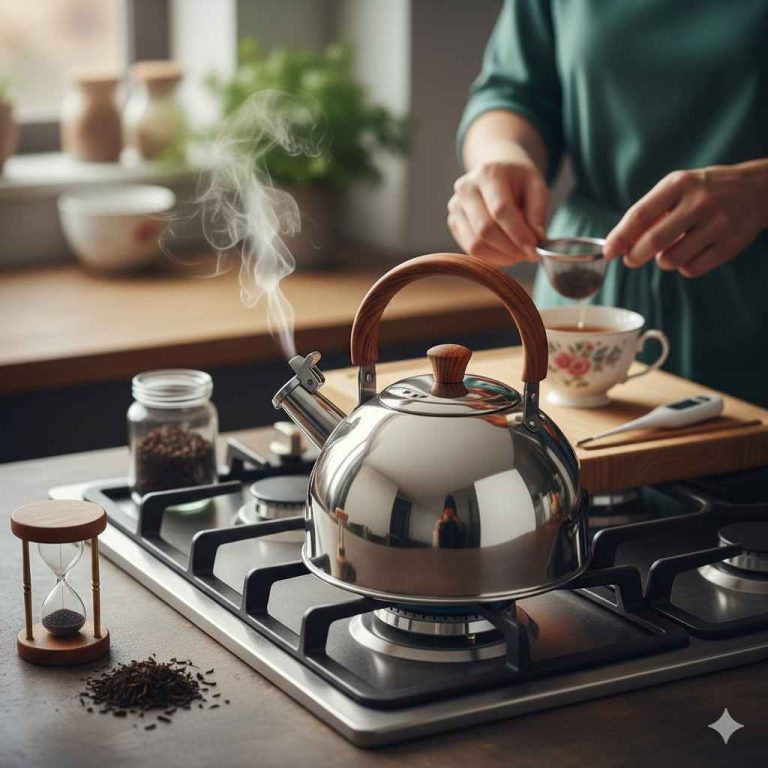
Traditional tea kettles, also known as stovetop kettles, are a familiar sight in many kitchens. They are made from materials like stainless steel, enamel, or copper. You place them on a stove burner, and the heat from the stove boils the water inside.

They often have a whistle that lets you know when the water is ready. This design has been around for a long time and many people love its simplicity and charm.

How They Work

A stovetop tea kettle works by convection and conduction. When you place the kettle on a hot stove burner, heat is transferred to the bottom of the kettle. This heat then warms the water inside.

As the water heats up, it becomes less dense and rises to the top, while cooler, denser water sinks to the bottom. This creates a continuous circulation of water, known as convection currents, which helps to heat the water evenly. The steam that forms inside the kettle builds up pressure.

When the pressure is high enough, it forces its way out through the spout, often making a whistling sound if the lid is designed for it. This whistle is a classic auditory cue that your water is boiling and ready. The material of the kettle also plays a role; metals like copper are excellent heat conductors, meaning they transfer heat quickly, while stainless steel is durable and easy to clean.

Materials and Durability

The materials used in stovetop tea kettles greatly influence their performance, durability, and appearance.

  • Stainless Steel: This is a very popular choice because it’s strong, rust-resistant, and easy to clean. Stainless steel kettles can last for many years if well cared for. They distribute heat fairly well and don’t typically react with water, ensuring the taste of your tea isn’t affected. They are also quite affordable.
  • Enamel-Coated Steel: These kettles have a steel core covered with a layer of enamel. The enamel gives them a beautiful, glossy finish and comes in many colors. They are good at distributing heat and are easy to wipe clean. However, the enamel can chip if dropped, which might expose the steel underneath and potentially lead to rust.
  • Copper: Copper kettles are known for their excellent heat conductivity. This means they heat water very quickly and evenly. They are often considered premium items and can be quite expensive. Copper also develops a unique patina over time, which some people find attractive. They require regular polishing to maintain their shine.
  • Cast Iron: Less common for tea kettles but sometimes used, cast iron kettles are very heavy and retain heat well. They heat up slowly but keep water hot for a long time. They are incredibly durable but can be prone to rust if not seasoned and cared for properly.

The durability of a kettle often depends on the thickness of the material and the quality of construction. A thicker base will usually heat more evenly and be less prone to warping. For most users, stainless steel offers a good balance of durability, ease of use, and cost.

Pros and Cons of Stovetop Kettles

Stovetop kettles have a long history and are loved by many for their simplicity and charm.

  • Pros: They are generally less expensive than electric kettles. They don’t require an electrical outlet, making them suitable for various cooking setups. Many people appreciate the audible whistle that signals boiling water, which can be useful if you’re multitasking in the kitchen. They are also quite durable and can last for a very long time with proper care. Their classic design can add a nice aesthetic to a kitchen.
  • Cons: They are slower to boil water compared to most electric kettles. You need to monitor them to turn off the heat once the water boils, otherwise, the kettle could boil dry, which can damage the kettle and be a safety hazard. They also take up a burner on your stove, which might be an issue if you are cooking other things. Cleaning can sometimes be more involved, especially if they have a whistle that needs to be removed and cleaned.

Electric Kettles: Speed and Convenience

Electric kettles have become very popular because they are incredibly fast and easy to use. They plug into a wall socket and heat water quickly with the push of a button. Many electric kettles have automatic shut-off features, which makes them safer than stovetop models.

They come in many styles and sizes, from simple basic models to ones with advanced temperature controls.

How They Work

An electric kettle uses a heating element located at the base of the kettle. When you plug it in and switch it on, electricity flows through this element. The electrical resistance of the heating element causes it to get very hot.

This heat is then transferred directly to the water that surrounds or is in contact with it. The water heats up rapidly due to this direct transfer of energy. Most modern electric kettles have a thermostat that detects when the water reaches boiling point.

Once the water boils, the thermostat triggers a switch that cuts off the power supply to the heating element, automatically turning the kettle off. This safety feature prevents the water from boiling dry and also saves energy. Some advanced models may have additional sensors for specific temperature settings, like those needed for different types of tea or coffee.

The inner workings are designed for efficiency, aiming to boil water in the shortest possible time.

Features and Settings

Electric kettles offer a range of features that cater to different user needs and preferences.

  • Automatic Shut-off: This is a standard safety feature on almost all electric kettles. It stops the heating process once the water has reached a boil, preventing overheating and potential accidents.
  • Boil-Dry Protection: This is another crucial safety feature. If the kettle is switched on without enough water, this protection mechanism will automatically turn off the heating element to prevent damage to the kettle.
  • Temperature Control: Some high-end electric kettles allow you to select specific water temperatures. This is ideal for tea lovers who know that different teas steep best at precise temperatures (e.g., green tea at lower temperatures than black tea). These often have a dial or digital display for setting the temperature.
  • Keep Warm Function: Certain models include a “keep warm” setting that maintains the water at a set temperature for a period after it has boiled. This is handy if you plan to make multiple cups of tea or coffee over a short time.
  • Cordless Design: Most electric kettles have a base that plugs into the wall, and the kettle itself lifts off the base. This makes pouring easy and eliminates the need to maneuver a cord.
  • Water Level Indicator: A clear window or markings on the side of the kettle show how much water is inside, helping you boil only the amount you need.

These features enhance the user experience, making electric kettles both convenient and versatile.

Pros and Cons of Electric Kettles

Electric kettles bring a lot of convenience to the kitchen, but they also have some drawbacks.

  • Pros: They are significantly faster at boiling water than stovetop kettles. They are very simple to use – just fill, plug in, and switch on. The automatic shut-off feature provides a good level of safety. Many have variable temperature settings, which is great for specific beverages. They are energy efficient for the amount of water they heat quickly. The cordless design makes them easy to handle and pour.
  • Cons: They require an electrical outlet, limiting where you can place them. They can be more expensive than basic stovetop models, especially those with advanced features. Some models can be noisy while boiling. The heating element or interior can be harder to clean thoroughly than a simple metal kettle. They have a lifespan determined by their electrical components, which may eventually wear out.

Tea Kettle vs Electric Kettle Which Is Right For You

Deciding between a tea kettle and an electric kettle really depends on what matters most to you. Think about how much time you have in the morning, how often you make hot drinks, and what kind of kitchen space you have. Both have their own unique advantages.

Speed And Convenience Needs

If speed is your top priority, an electric kettle is the clear winner. It can boil water in just a few minutes, often less than half the time it takes for a stovetop kettle. This is perfect for busy mornings when you need your coffee or tea in a hurry.

For example, someone who needs to quickly make a bottle for a baby or just wants their morning tea without waiting will appreciate the rapid boiling of an electric kettle. It requires minimal effort; you just add water, press a button, and walk away until it’s done.

Stovetop kettles, while charming, require you to be present to turn off the stove. If you’re rushing, you might forget, and the kettle could boil dry. This makes electric kettles a safer and more convenient option for those who value quick results and don’t want to supervise the boiling process closely.

Consider Sarah, a graphic designer who works from home. She makes multiple cups of tea throughout the day. For her, the convenience and speed of an electric kettle mean she can quickly grab a hot drink between tasks without losing much work time.

She also likes that it automatically shuts off if she gets caught up in a project.

Budget Considerations

When thinking about the cost, both types of kettles have options for various budgets.

Basic stovetop tea kettles are generally the most affordable option. You can find simple stainless steel models for a very low price. They don’t have any complex parts, so their initial cost is low.

However, the cost of running your stove to heat the water is also a factor to consider over time.

Electric kettles can range from very inexpensive basic models to pricier ones with advanced features like temperature control. While a simple electric kettle might cost a bit more upfront than a basic stovetop kettle, its efficiency in heating water quickly can sometimes lead to savings on energy in the long run, especially if you boil water frequently. The cost of electricity to run an electric kettle versus the cost of gas or electricity to run your stove needs to be weighed.

Here’s a quick comparison table:

Kettle TypeInitial CostOngoing Cost (Energy)Typical Lifespan
Stovetop Tea KettleLow to MediumDepends on stove efficiencyLong (if well-maintained)
Electric KettleMedium to HighGenerally efficient for boilingMedium (electrical components)

For someone on a very tight budget, a basic stovetop kettle is likely the best starting point. If you plan to use your kettle very often and want speed, investing a bit more in an electric model might be worthwhile.

Kitchen Style and Space

The look and space requirements of your kitchen can also influence your choice.

Traditional tea kettles, especially those made of copper or with attractive enamel finishes, can be decorative pieces that add character to a kitchen. They sit on your stovetop when not in use, so they don’t take up extra counter space. However, if your stovetop is often filled with pots and pans, a kettle might be in the way.

Electric kettles do require counter space for their base and the kettle itself. If you have a small kitchen with limited counter room, this might be a consideration. However, their sleek designs often blend well with modern kitchens.

They are also portable, meaning you can move them easily to fill them up or to place them where you need them, as long as there’s an outlet nearby.

Imagine a small apartment kitchen. A stovetop kettle is great because it doesn’t use counter space. But if the stove is small or always in use, an electric kettle might be better, even if it occupies a bit of counter.

A large, modern kitchen might look great with a stylish electric kettle as a countertop appliance.

Specialty Beverage Needs

If you are a serious tea or coffee enthusiast, you might have specific needs that one type of kettle can meet better than the other.

For fine teas like green tea or white tea, precise water temperature is crucial for optimal flavor. Some high-end electric kettles offer variable temperature control, allowing you to set the exact temperature needed for each type of tea. This takes the guesswork out of brewing and ensures you get the best possible taste.

While you can learn to time and control the heat on a stovetop to get different temperatures, it’s much harder to be exact. You’d have to stop heating the water at the right moment, which takes practice. A temperature-controlled electric kettle is more reliable for consistent results.

For example, a connoisseur of delicate oolong teas might find a variable temperature electric kettle indispensable. They can set it to 175°F (79°C) for a perfect brew every time. Someone who only drinks black tea or makes instant coffee might not need this precision and can be perfectly happy with either kettle type.

Here’s a scenario:

  1. You love a wide variety of teas, from delicate green teas to robust black teas.
  2. You find that when the water is too hot for green tea, it tastes bitter.
  3. You want to ensure every cup is brewed perfectly, maximizing flavor.

In this case, a variable temperature electric kettle would be the best choice. It offers the precision needed to cater to all your beverage preferences without needing constant attention to the stove.

Maintenance and Cleaning Tips

Keeping your kettle clean ensures it works well and your hot drinks taste their best. Both stovetop and electric kettles need regular cleaning.

Cleaning Stovetop Kettles

Cleaning a stovetop kettle is generally straightforward.

  • Regular Wiping: After each use, once it’s cooled, wipe the inside and outside with a damp cloth to remove any water spots or residue.
  • Dish Soap: For more stubborn marks or if you’ve boiled something other than water, use a little dish soap and warm water. Rinse thoroughly.
  • Mineral Deposits (Scale): Over time, hard water can leave white, chalky deposits inside your kettle. To remove these, you can fill the kettle halfway with white vinegar and the rest with water. Let it sit for about an hour, then bring the mixture to a boil on the stove. Let it cool, then discard the mixture and rinse the kettle thoroughly several times to remove the vinegar smell. Alternatively, you can use a commercial kettle descaler.
  • Exterior Cleaning: For stainless steel, use a soft cloth and mild detergent. For enamel, be careful not to scratch the surface; a non-abrasive cleaner is best. Copper kettles may need a special polish to maintain their shine.

Always ensure the kettle is completely dry before storing it to prevent rust, especially if it’s made of cast iron or has exposed metal parts.

Cleaning Electric Kettles

Electric kettles require a bit more care due to their electrical components.

  • Exterior: Wipe the outside with a damp cloth. Never immerse the kettle or its base in water.
  • Interior (Descaling): Similar to stovetop kettles, electric kettles can build up mineral deposits. The vinegar and water method works well here too. Fill the kettle with a mixture of half white vinegar and half water. Let it sit for an hour, then boil the mixture. Let it cool completely, then empty and rinse thoroughly several times. Some manufacturers recommend specific descaling solutions for their kettles.
  • Heating Element: If the heating element is visible at the bottom, you might need a soft brush or sponge to gently scrub away any stubborn residue after descaling. Be careful not to scratch the element.
  • Lid and Filter: Many electric kettles have a removable filter in the spout to catch mineral deposits. This filter should be removed and rinsed regularly under running water. The lid can usually be wiped clean.

Always unplug the kettle and ensure it’s completely cool before cleaning. Never use harsh chemicals or abrasive scouring pads, as they can damage the kettle’s surface or internal components.

Safety Features Compared

Safety is important for any kitchen appliance. Both types of kettles have safety features, but they operate differently.

Stovetop Kettle Safety

The primary safety concern with stovetop kettles is ensuring they don’t boil dry.

  • Boiling Dry: If a stovetop kettle boils dry, the metal can overheat, potentially causing damage to the kettle or even starting a fire. The whistle can also become extremely hot.
  • Handle and Lid: Handles should be heat-resistant to prevent burns. Lids should fit securely but not create a dangerous pressure buildup.
  • Steam: The steam released from the spout is very hot and can cause burns. Always pour carefully, keeping hands and face away from the steam.
  • Placement: Kettles should be placed on stove burners that are the correct size, so the flame or heat doesn’t go beyond the base and damage the handle or sides.

The main safety action required from the user is vigilance – remembering to turn off the stove once the water boils.

Electric Kettle Safety

Electric kettles are designed with several built-in safety features.

  • Automatic Shut-off: This is the most critical safety feature. It turns off the kettle once the water reaches boiling point, preventing it from boiling dry and saving energy.
  • Boil-Dry Protection: If the kettle is accidentally switched on without water, this feature detects the lack of water and automatically shuts off the heating element. This prevents the kettle from overheating and being damaged.
  • Cool-Touch Exterior: Some electric kettles have double-walled construction or a special exterior coating that stays cooler to the touch, reducing the risk of burns when handling.
  • Cord Storage: Many electric bases have a compartment to store excess cord length, keeping the area tidy and reducing tripping hazards.
  • Stable Base: The base is designed to be wide and stable, making it less likely for the kettle to tip over.

Generally, electric kettles are considered safer for everyday use due to their automatic safety mechanisms. They require less user intervention to ensure safe operation.

Electric Kettle Safety

Frequently Asked Questions

Question: How long does it take to boil water in each type of kettle?

Answer: Electric kettles are much faster, typically boiling a full pot in 1-3 minutes. Stovetop kettles can take 5-10 minutes or more, depending on your stove’s heat output.

Question: Which type of kettle is more energy efficient?

Answer: Electric kettles are generally more energy efficient for boiling water because they heat water directly and quickly with minimal heat loss. Stovetops can lose more heat to the surrounding air.

Question: Can I use my electric kettle on a camping trip?

Answer: Only if you have a portable generator or power source. A stovetop kettle is more suitable for camping if you have a gas stove or fire pit.

Question: Which kettle is better for making instant noodles?

Answer: An electric kettle is usually better because it’s faster and you don’t have to monitor it closely while waiting for the noodles to cook.

Question: Is a stovetop kettle a good choice for someone with limited mobility?

Answer: An electric kettle might be easier to use as it requires less physical effort. You don’t need to lift it onto a hot stove, and the automatic shut-off is helpful.

Final Thoughts

The choice between a tea kettle and an electric kettle depends on your priorities. For speed and convenience, an electric kettle shines. If you prefer a simple, classic approach and have a stove, a tea kettle is a reliable option.

Consider your budget, kitchen space, and beverage habits to make the best decision for you.


Hi!
Welcome to Decorguider!

For your kind information, we are discussing different furniture and decor products on this website.
We hope it helps you to make the right decision to choose the right products and also decorate them in a unique way.
We’re here to make your home beautiful.


Newly Arrived: