Microwave vs Kettle for Tea: Which Makes Better Tea
Are you wondering about the best way to make tea? Many people ask if a microwave or a kettle is better for this. It can seem a little tricky to get just right, especially if you are new to brewing tea.
For a related kitchen decision, Glass vs Stainless Steel Tea Kettle: Which Is Better adds another practical detail to check.
But don’t worry, we are here to help. We will walk you through it step by step. Get ready to learn how to make a perfect cup, no matter your equipment.
Understanding How Water Heats for Tea
Heating water is the first step to making any hot drink. The way water gets hot can change how your tea tastes. This section looks at the basics of water heating.
We will talk about what happens to water as it warms up. This will help you see why some methods might be better for tea.
The Science of Boiling Water
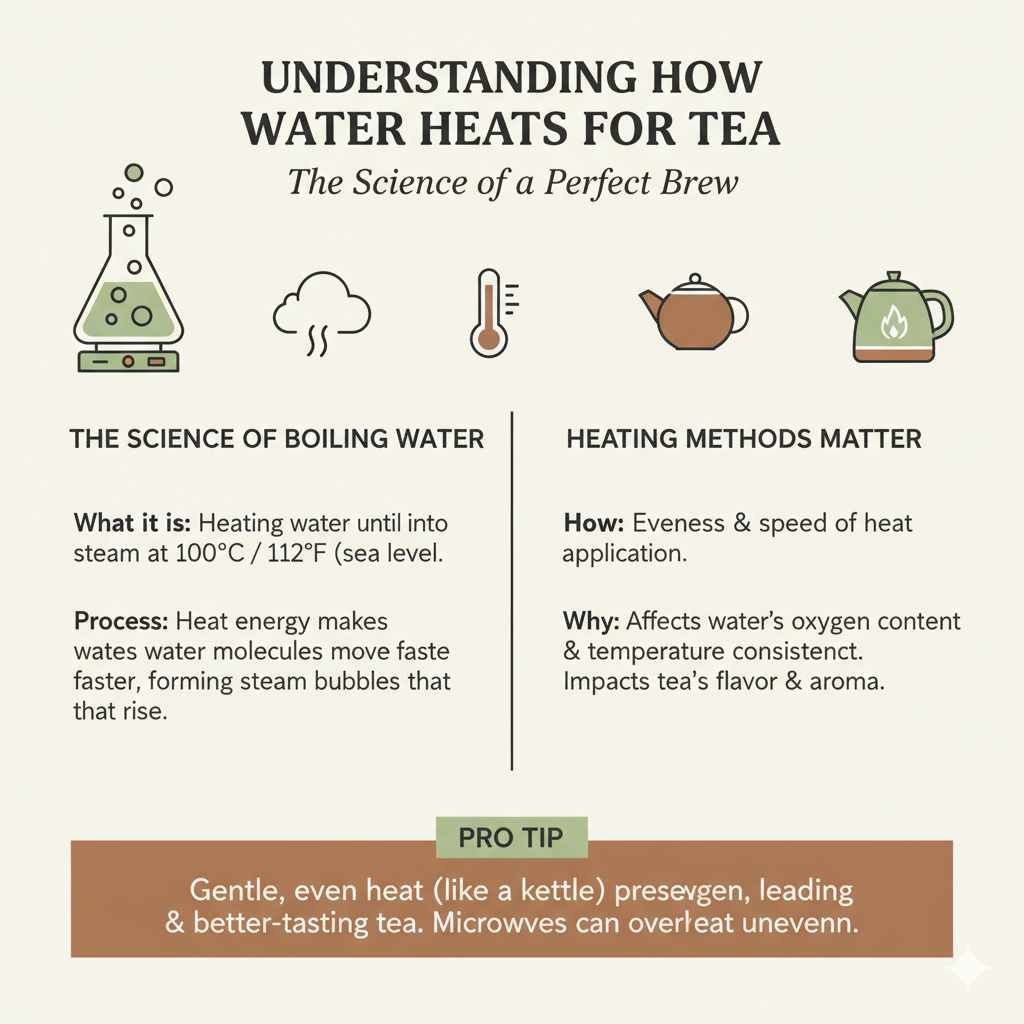
Boiling water means heating it until it turns into steam. This happens at a specific temperature, usually 100 degrees Celsius or 212 degrees Fahrenheit at sea level. When water boils, tiny bubbles form at the bottom of the pot or container and rise to the top.
These bubbles are steam. The heat energy causes the water molecules to move faster and faster until they break free from the liquid and become a gas.
Different ways of heating water can affect how it reaches this boiling point. For example, how evenly the heat is spread and how quickly it is applied matters. Some methods might heat the water more gently, while others can be very fast.
This speed and method can influence the final taste and quality of your brewed beverages. Understanding this helps explain why the debate of Microwave vs Kettle for Tea: Which Makes Better Tea? exists.
What Is Water Temperature?
Water temperature refers to how hot the water is. This is measured in degrees Celsius (°C) or Fahrenheit (°F). For making tea, the exact temperature is quite important.
Different types of tea, like green tea or black tea, need different water temperatures to taste their best. If the water is too hot, it can burn delicate tea leaves, making them taste bitter. If it’s too cool, it might not extract enough flavor, resulting in a weak cup.
How Microwaves Heat Water
Microwaves heat water using electromagnetic waves. These waves cause the water molecules inside the water to vibrate very quickly. This vibration creates friction, and friction generates heat.
Microwaves heat water from the inside out. However, this heating can be uneven. Sometimes, hot spots can form, and other parts might still be cooler.
This uneven heating is a key point when comparing it to other methods for brewing tea.
How Kettles Heat Water
Kettles, whether they are stovetop or electric, heat water from the outside in. In a stovetop kettle, a flame or electric element heats the bottom of the kettle. This heat is then transferred to the water.
In an electric kettle, a heating element at the base directly heats the water. This method tends to heat the water more evenly than a microwave. It brings the water to a consistent temperature across the entire volume.
Why Water Heating Matters for Tea Flavor
The flavor of your tea is deeply connected to how the water was heated. When you steep tea, hot water draws out the flavors and compounds from the tea leaves. If the water is not at the right temperature, these compounds may not be released properly.
For delicate teas like white or green tea, water that is too hot can scald the leaves, releasing bitter tannins. This is why precise temperature control is a key factor in making good tea.
Think about it like cooking. If you cook something too fast on high heat, it might burn on the outside and be undercooked inside. Similarly, if water is heated too quickly and unevenly, it might not prepare the tea leaves for optimal flavor extraction.
A more gentle and consistent heating process helps ensure that the delicate aromas and tastes of the tea can be fully enjoyed.
Microwave vs Kettle for Tea: Which Makes Better Tea?
The question of Microwave vs Kettle for Tea: Which Makes Better Tea? is a common one for tea lovers. People wonder if the method of heating water changes the final cup. Some say kettles offer more control.
Others find microwaves quick and easy. We will explore the pros and cons of each to help you decide.
The Microwave Method For Making Tea
Using a microwave to heat water for tea is a quick option. Many people choose it because it’s fast and convenient. However, it has some drawbacks that can affect the quality of your tea.
This section covers how to use a microwave and what to watch out for.
How to Heat Water for Tea in a Microwave
To heat water in a microwave, pour the desired amount of water into a microwave-safe mug or container. It is very important to use a container that is safe for microwave use. Do not use metal, as it can cause sparks and damage your microwave.
A ceramic mug or a glass measuring cup works well.
Place the mug in the microwave and heat it for about one to two minutes. The exact time depends on the power of your microwave and how much water you are heating. It’s best to heat it in short bursts and check the temperature.
You want the water to be hot, but not necessarily boiling vigorously. Overheating can sometimes cause a problem called superheating, where water gets hotter than its boiling point without actually bubbling.
Preventing Superheating in the Microwave
Superheating is a phenomenon where water heated in a microwave can become hotter than its boiling point. This happens because the smooth surface of the container prevents bubbles from forming easily. When the water is disturbed, such as by adding a tea bag or spoon, it can suddenly and violently boil over.
This is dangerous and can cause burns.
To prevent superheating, you can place a non-metallic object, like a wooden stir stick or a tea bag string, into the water before heating. This provides a surface for bubbles to form. Another tip is to heat the water in shorter intervals and stir it in between.
This helps to break up any potential superheated pockets and ensures more even heating.
Pros of Using a Microwave for Tea
One of the biggest advantages of using a microwave is its speed. You can heat water very quickly, which is great when you are in a rush. It is also very simple; you just put water in a mug and press a button.
Microwaves are also very common in most kitchens. This means you likely already have one available. For someone who needs a quick cup of tea without much fuss, the microwave is a readily accessible tool.
It requires minimal setup and cleaning compared to some other methods.
Cons of Using a Microwave for Tea
The main problem with microwaves is that they often heat water unevenly. This means some parts of the water might be very hot, while others are still cooler. This uneven heating can affect how the tea steeps.
Also, microwaves can cause superheating, which is dangerous. It’s hard to control the exact temperature of the water with a microwave. For teas that need a specific temperature, like green tea, this can be a real issue.
You won’t get the best flavor if the water isn’t at the right heat.
There’s also the argument that microwaved water doesn’t taste as good. Some people feel it has a different quality, though this is often subjective. However, for those who are particular about their tea’s taste, this is a significant point to consider.
Case Study: The Quick Cup Tea Drinker
Sarah is a busy professional who loves a quick cup of tea to start her day. She often uses her microwave because it saves her time in the morning. She pours water into her favorite mug, pops it in the microwave for about 90 seconds, adds a tea bag, and is ready to go.
For Sarah, the convenience and speed are more important than the nuanced differences in tea flavor. She feels that for her everyday tea needs, the microwave is perfectly adequate.
The Kettle Method For Making Tea
Kettles, both stovetop and electric, are often considered the traditional and superior method for heating water for tea. They offer better control over temperature and are generally seen as more effective for brewing a quality cup. Let’s explore why.
Types of Kettles
There are two main types of kettles: stovetop and electric. Stovetop kettles sit on your kitchen stove, and the heat from the burner boils the water. Electric kettles have their own heating element and plug into an outlet.
Both work by heating water from the outside in, providing a more consistent temperature.
Stovetop Kettles
Stovetop kettles have been around for a long time. They are typically made of metal, like stainless steel or aluminum. You fill them with water and place them on a gas or electric stove burner.
As the burner heats up, it transfers heat to the bottom of the kettle. This heat then warms the water inside.
Many stovetop kettles have a whistle that blows when the water reaches boiling point. This is a classic feature that many people enjoy. The downside is that you have to watch the stove to make sure the water doesn’t boil dry, which can damage the kettle.
Also, controlling the exact temperature can be a bit trickier as you rely on the stove’s heat settings.
Electric Kettles
Electric kettles are very popular today. They are fast and convenient. You simply fill the kettle with water, plug it in, and press a button.
The kettle has a hidden heating element that heats the water quickly. Once the water reaches boiling point, it usually switches off automatically.
Some advanced electric kettles even allow you to set a specific temperature. This is a huge benefit for tea lovers, as different teas require different water temperatures. For example, green tea is best brewed around 70-80°C (158-176°F), while black tea needs hotter water, closer to 100°C (212°F).
This precise temperature control is a major reason why many prefer electric kettles for making tea.
Pros of Using a Kettle for Tea
Kettles heat water more evenly than microwaves. This is because the heat source is usually at the bottom and spreads through the water. This consistent heating means the water is at the same temperature throughout, which is crucial for good tea brewing.
Many kettles, especially electric ones, allow for precise temperature control. This means you can heat the water to the exact temperature needed for your specific type of tea. This leads to a much better-tasting cup of tea.
You avoid burning delicate leaves and ensure full flavor extraction.
Kettles also avoid the risk of superheating, which is a safety concern with microwaves. When water boils in a kettle, you see the bubbles forming naturally. This makes the process much safer.
Cons of Using a Kettle for Tea
The main disadvantage of using a kettle is that it can take a bit longer than a microwave, especially stovetop kettles. You also need to have a kettle available, which might not be the case in every situation (like an office or hotel room without one).
Cleaning a kettle can also be a bit more of a chore. You might need to descale it regularly to remove mineral buildup, especially if you have hard water. This is not a major issue, but it’s an extra step in maintenance.
Example: The Enthusiast’s Choice
Mark is a dedicated tea enthusiast. He owns a high-quality electric kettle with variable temperature settings. He uses it daily to brew various types of tea, from delicate white teas to robust black teas.
By setting the precise temperature for each brew, Mark ensures he gets the best possible flavor profile from his tea leaves. He believes that the kettle’s ability to control water temperature is the single most important factor in making a superior cup of tea.
Comparing Heating Methods for Tea Quality
When we talk about Microwave vs Kettle for Tea: Which Makes Better Tea?, the core difference lies in how each method heats water and what that means for your tea’s flavor. This section breaks down the key differences and why they matter.
Impact on Water Temperature Consistency
Consistency in water temperature is vital for brewing tea. Microwaves heat water by agitating water molecules. This process can create hot spots and cooler zones within the same container of water.
Imagine a mug where the top layer is steaming hot, but the bottom is only lukewarm. When you add a tea bag to such water, the tea leaves are exposed to uneven temperatures.
This uneven temperature means some leaves might get too hot and release bitter compounds, while others don’t heat up enough to release their full flavor. Kettles, on the other hand, heat water from the outside. This allows the heat to distribute more evenly throughout the water as it warms.
Whether it’s a stovetop or an electric kettle, the heating process typically results in a more uniform temperature. This uniformity is what helps in extracting the best possible taste from your tea leaves.
Table: Water Heating Consistency Comparison
| Heating Method | Temperature Consistency | Impact on Tea Flavor |
|---|---|---|
| Microwave | Uneven, potential for hot/cold spots | Can lead to bitter or weak tea due to inconsistent extraction. |
| Kettle (Stovetop/Electric) | Even and uniform throughout the water | Promotes consistent flavor extraction, resulting in a better-tasting cup. |
Taste Differences and Perceptions
Many tea drinkers report a noticeable difference in taste between water heated in a microwave and water heated in a kettle. The perception is that kettle-heated water results in a cleaner, more nuanced flavor. This is often attributed to the even heating process and the avoidance of potential “metallic” or “stale” tastes that some people associate with microwaved water.
The vibrations from microwaves might alter the water’s structure in a way that affects taste.
Water heated in a kettle is seen as more “pure” for brewing. It allows the delicate notes of the tea to shine through without interference. For expensive or rare teas, where flavor profiles are complex and subtle, the difference between kettle-heated and microwave-heated water can be quite significant.
This is why connoisseurs almost always advocate for using a kettle.
The Role of Boiling vs Ideal Temperatures
Microwaves tend to heat water until it boils vigorously, often leading to superheating. Kettles, especially electric ones, offer the ability to heat water to specific temperatures that are ideal for different tea types. For instance, green teas are best brewed with water around 70-80°C.
Boiling water (100°C) would scorch the leaves, making the tea bitter.
Black teas and herbal infusions, however, generally benefit from hotter water, closer to boiling. The ability to precisely control the water temperature is a key factor in achieving the desired flavor and aroma for any given tea. A kettle that allows temperature selection eliminates the guesswork and ensures optimal brewing conditions, contributing significantly to the overall quality and enjoyment of the tea.
Scenario: Brewing Green Tea
- Action: You want to brew a delicate Sencha green tea.
- Microwave Attempt: You heat water in a mug until it looks very hot, possibly boiling. You pour it over the Sencha leaves.
- Result: The leaves are scalded by the too-hot water. The tea tastes unpleasantly bitter and astringent.
- Kettle Attempt: You use an electric kettle to heat water to exactly 75°C (167°F), the recommended temperature for Sencha. You pour this water over the leaves.
- Result: The Sencha leaves unfurl gracefully. The tea has a smooth, slightly sweet flavor with pleasant grassy notes, and no bitterness.
Microwave vs Kettle for Tea: Which Makes Better Tea? Summary
Based on temperature consistency and control, kettles generally produce a better-tasting cup of tea. They provide even heating and, with electric models, precise temperature selection. Microwaves offer speed but lack the control needed for optimal tea brewing.
Practical Tips for Better Tea Brewing
No matter which method you choose, there are simple steps you can take to improve your tea-making experience. These tips focus on common issues and how to overcome them. We will share advice for both microwave and kettle users.
When Using a Microwave
If you must use a microwave, follow these tips. Always use a microwave-safe mug. Never use metal containers.
To avoid superheating, place a wooden stir stick or a microwave-safe spoon in the water before heating.
Heat the water in short intervals, like 30 seconds at a time. Stir the water between intervals. This helps to distribute the heat evenly and prevents dangerous superheating.
While it might take a little longer, it’s safer. Do not let the water boil furiously. Aim for very hot water, but watch for vigorous bubbling.
When Using a Kettle
If you have a kettle, use it! For electric kettles, consider one with variable temperature control. This allows you to set the perfect temperature for your specific tea.
If you have a stovetop kettle, listen for the whistle, but try to remove it from the heat soon after it blows to avoid over-boiling.
Regularly descale your kettle to keep it clean. Mineral buildup can affect the taste of your water and, consequently, your tea. Use fresh, cold water each time you brew; don’t re-boil water that has already been heated, as it loses oxygen and can make tea taste flat.
Water Quality and Tea Leaf Quality
The water you use matters a lot. Filtered water or good quality spring water is best. Tap water can sometimes have a taste or odor from chlorine or other minerals that will affect your tea’s flavor.
For example, hard water can make tea taste dull.
Equally important is the quality of your tea leaves or tea bags. Fresh, high-quality tea will always yield a better result. Older tea leaves can lose their aroma and flavor.
Store your tea in an airtight container away from light, heat, and moisture to keep it fresh.
Sample Scenario: Office Tea Break
- Challenge: You are at work and only have access to a communal microwave and a kettle. You want to make a good cup of Earl Grey.
- Option 1 (Microwave): You put water in a mug, add a wooden stirrer, and microwave it. You stop it just before it boils. You add your Earl Grey tea bag. The tea is okay, but a little flat.
- Option 2 (Kettle): You use the electric kettle. You set it to 95°C (203°F), which is ideal for black tea. You pour the hot water over your Earl Grey.
- Result: The tea is fragrant and flavorful, with the bergamot notes shining through. The kettle made a noticeable difference.
Statistics on Tea Consumption and Preferences
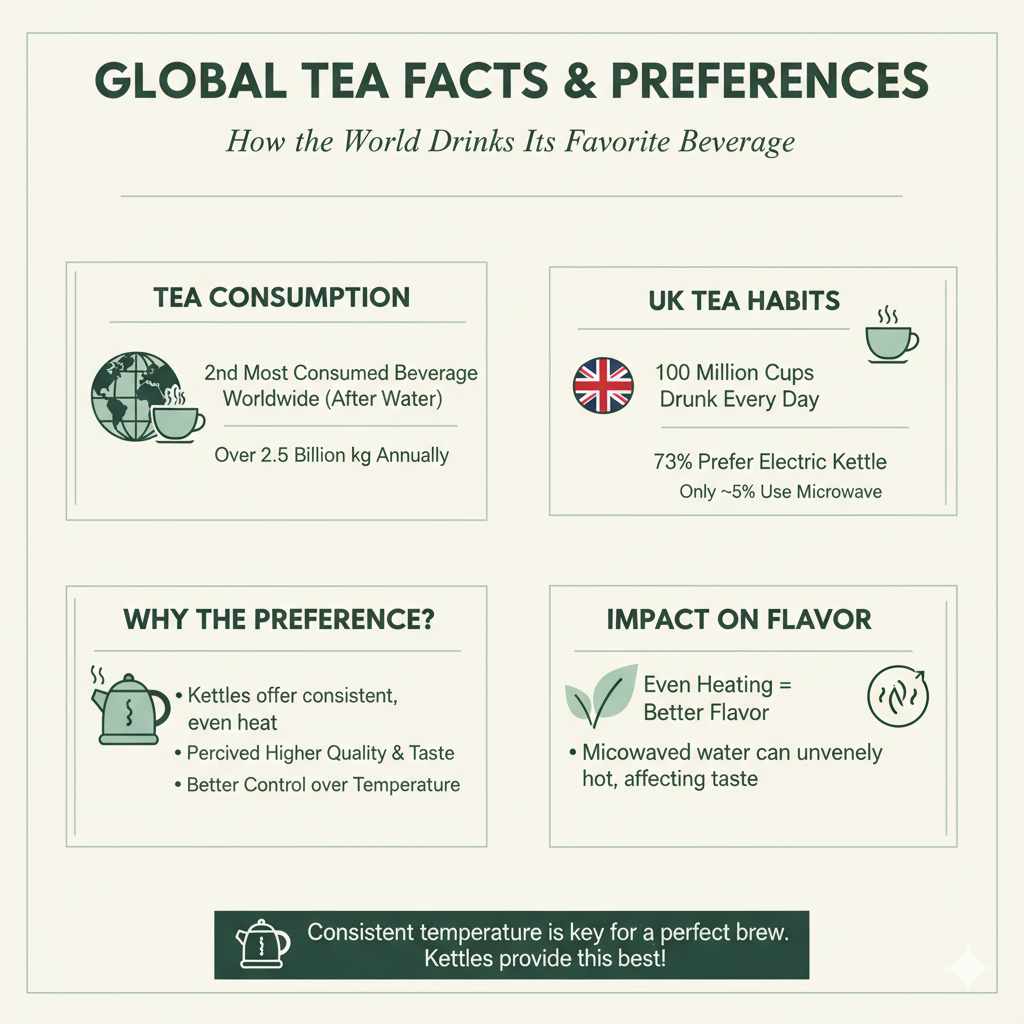
Tea is one of the most consumed beverages worldwide, second only to water. Global tea consumption is estimated to be over 2.5 billion kilograms annually. In the United Kingdom, for instance, around 100 million cups of tea are drunk every day.
Preferences for how tea is made can vary significantly by region and individual taste.
A survey by the UK Tea & Infusions Association found that 73% of British people prefer to make tea using an electric kettle. Only a small percentage (around 5%) reported using a microwave. This preference for kettles is often linked to the perceived quality and taste of the final beverage.
The consistency and control offered by kettles are highly valued by regular tea drinkers.
Frequently Asked Questions
Question: Can I use a microwave to boil water for tea?
Answer: Yes, you can use a microwave to heat water for tea, but it’s important to take precautions against superheating. Using a microwave-safe container and placing a non-metallic object in the water can help prevent dangerous boiling over.
Question: Does microwaved water taste different than kettle-boiled water?
Answer: Some people report that microwaved water can have a slightly different taste compared to kettle-boiled water. This is often attributed to how microwaves heat water unevenly or the possibility of altering water molecules, although scientific consensus on this is debated.
Question: Is it safe to heat water for tea in a microwave?
Answer: It can be safe if you follow proper procedures. The main risk is superheating, where water gets hotter than boiling point without bubbling and can erupt suddenly. Taking steps to prevent superheating, like adding a stirrer, makes it safer.
Question: Which method is better for delicate teas like green tea?
Answer: A kettle is generally better for delicate teas like green tea. Electric kettles with temperature control allow you to heat water to the specific, lower temperatures (around 70-80°C) that green tea requires, preventing it from becoming bitter.
Question: Does the type of tea bag or loose leaf affect the heating method choice?
Answer: Not directly, but the quality and type of tea do influence the ideal water temperature. High-quality loose leaf teas, especially delicate ones, benefit more from the precise temperature control that kettles offer, leading to a superior brew.
Conclusion
When deciding between Microwave vs Kettle for Tea: Which Makes Better Tea?, kettles are the clear winner for quality. They offer even heating and temperature control, which is key for optimal flavor extraction. Microwaves are fast but can lead to uneven heating and potential safety risks.
For the best tasting tea, especially with delicate varieties, a kettle is recommended. Take a moment to heat your water properly and enjoy a truly delicious cup.
Products related to this article
Sponsored / affiliate links. As an Amazon Associate I earn from qualifying purchases. I may earn additional commission from eligible campaigns.