How To Make Tea In A Tea Kettle: Proven Essentials
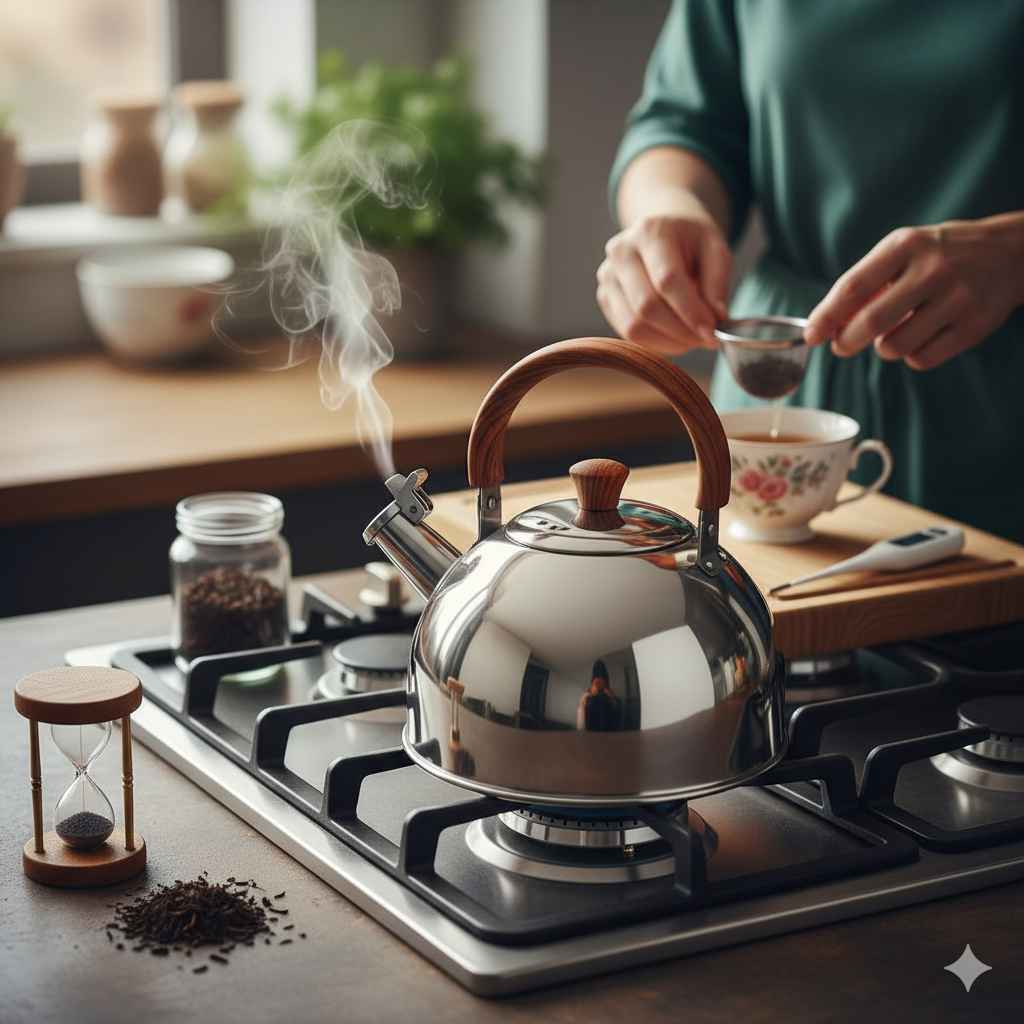
To make tea in a tea kettle correctly, you simply fill the kettle with fresh, cold water, heat it until it boils (or reaches the correct temperature for your tea), and then pour the hot water over your tea leaves or bag in a separate mug or teapot. Using high-quality water and achieving the right temperature are the keys to a perfect, flavorful cup every time.

Chefman
Chefman Electric Kettle with Temperature Control, 5…
- FAST BOILING: Chefman kettles boil water fast. Boil your water for as little as 3 minutes for tea, hot chocolate, pour-over coffee…
- VARIABLE HEAT SETTINGS: Custom temperature control includes seven presets with boiling temps ranging from 160-212°F for the perfec…
- TRI-COLOR LED LIGHTS: Easily see when your glass teapot with infuser is in standby mode (white lights), heating mode (red lights),…
As an Amazon Associate I earn from qualifying purchases.
If you’ve ever felt unsure about the best way to handle your tea kettle—whether to use tap water, how hot is “hot enough,” or if you even need a separate teapot—you are not alone. Many people treat tea making like a simple pour-and-go task, but unlocking the full flavor of your favorite blend starts right here, with the kettle. Getting this basic step right changes your tea from average to absolutely wonderful. This guide pulls back the curtain, offering super simple, step-by-step instructions so you can make the best cup of tea confidently, every single time. Let’s dive into the proven essentials that elevate your brew!
Why the Kettle Matters: It’s More Than Just Boiling Water
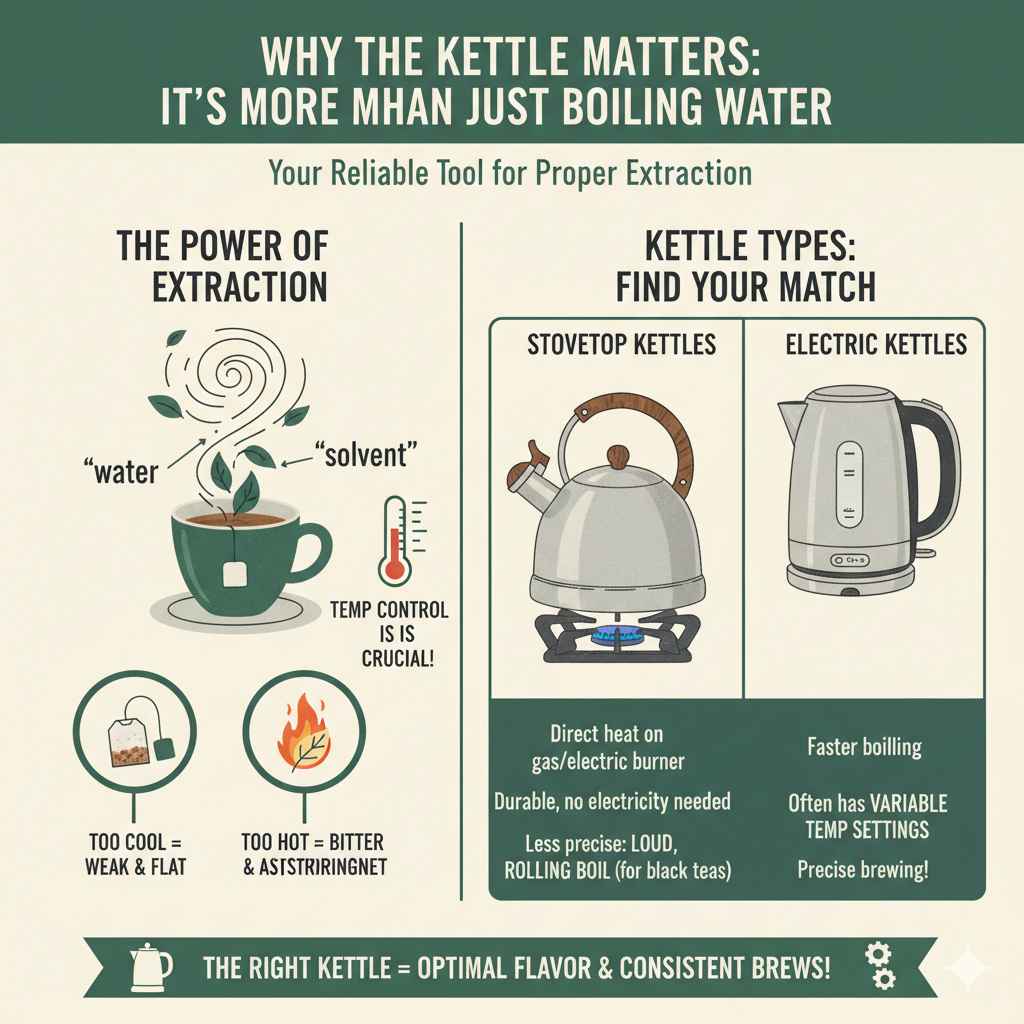
For many of us, especially those who love automotive tasks and practical DIY, we appreciate tools that do their job reliably. Your tea kettle is that reliable tool for your beverage needs. But making tea isn’t just about getting water hot; it’s about proper extraction.
Think of water as the solvent pulling the delicate flavors out of your tea leaves. If the water isn’t hot enough, the tea tastes weak and flat. If it’s too hot (especially for green or white teas), you might burn the leaves, making the tea taste bitter or astringent. The kettle is the starting point for controlling this crucial extraction process.
Understanding Your Tea Kettle Types
Before we start brewing, let’s quickly review the most common kettles you might be working with. Most modern kitchens use one of these two main types:
- Stovetop Kettles: These sit directly on your gas or electric burner. They are durable and don’t require electricity, but they sometimes offer less control over the exact temperature.
- Electric Kettles: These plug into the wall and are much faster at boiling. Many higher-end electric models actually have variable temperature settings, which is fantastic bonus for precise tea making.
If you use a stovetop model, aiming for that loud, rolling boil is usually the way to go for black teas. If you have an electric model with temperature settings, great! We’ll discuss exact temperatures later.
The Proven Essentials: Step-by-Step Guide to Perfect Kettle Tea
Making great tea in a tea kettle is a reliable process once you follow these simple, foundational steps. We are focusing on achieving the right water quality and the right temperature.
Step 1: Start with the Best Water Possible
Just like checking your engine oil before a long drive, starting with the right base ingredient—water—is non-negotiable for great tea.
Why Fresh Water is Crucial
Never re-boil water that has already cooled down. When water boils, it releases dissolved air. Re-boiled water has less air, which results in a flat-tasting cup of tea because the water can’t properly infuse the leaves. Always use fresh, cold water straight from the tap or filter.
Water Quality Considerations
If your home has unusually hard water (lots of mineral content), those minerals can affect the tea’s flavor. If possible, use filtered water. This ensures the pure flavor of the tea shines through.
Step 2: Filling the Kettle Safely
Safety first! Just like checking tire pressure prevents uneven wear, filling your kettle correctly keeps things running smoothly and safely.
- Check the Minimum Fill Line: Most kettles have a ‘MIN’ mark inside. Always add at least this much water to ensure the heating element (in electric kettles) or the bottom of the kettle (on stovetop models) is fully submerged.
- Don’t Overfill: Look for the ‘MAX’ line. Never fill past this point. Overfilling can cause boiling water to spit out of the spout or lid, creating a real burn hazard.
- Secure the Lid: Make sure the lid is firmly closed before heating. This traps the steam necessary for efficient boiling and prevents spitting.
For context, water boils at 212°F (100°C) at sea level. As elevation increases, the boiling point drops. You can check resources like the National Weather Service for an idea of how altitude affects this standard.
Step 3: Heating the Water to the Right Temperature
This is where many beginners miss the mark. Not all tea drinks the same amount of heat. Black tea loves extreme heat, while delicate white tea prefers a gentler approach.
Temperature Guide for Different Tea Types
If you have a variable temperature electric kettle, use these settings. If you have a standard kettle, follow the timing advice below:
| Tea Type | Target Temperature (°F) | Target Temperature (°C) | Stovetop Boiling Cue |
|---|---|---|---|
| Black Tea (Earl Grey, English Breakfast) | 208°F – 212°F | 98°C – 100°C | Full, rolling boil. |
| Herbal Infusions (Rooibos, Mint) | 205°F – 212°F | 96°C – 100°C | Full boil, let sit 30 seconds before pouring. |
| Oolong Tea | 185°F – 205°F | 85°C – 96°C | Boil, then let cool for 1-2 minutes off the heat. |
| Green Tea (Sencha, Genmaicha) | 160°F – 180°F | 71°C – 82°C | Tiny bubbles forming or just before steam rises significantly. |
| White Tea (Silver Needle) | 165°F – 175°F | 74°C – 80°C | Water is very hot, but no significant steaming yet. |
Stovetop Boiling Guide (If You Don’t Have Temperature Control)
If you are using a standard stovetop kettle, you must wait for the boil and then let it rest to cool down slightly for delicate teas:
- For Black/Herbal Tea: Wait until the kettle screams! You want a steady, fast stream of bubbles coming up through the water.
- For Green/White Tea: Once the kettle hits a full boil, immediately remove it from the heat source. Let it sit undisturbed for about 2 to 3 minutes. This drop in temperature is often enough to get you into the sweet spot (around 175°F).
Step 4: Preparing Your Mug or Teapot
While the water heats, take this time to set up your brewing vessel. This step, often skipped, prepares the mug to maintain the heat needed for a proper steep.
The Warm-Up Trick: Pour a small amount of pre-heated or hot tap water into your mug or teapot. Swirl it around for 15 seconds, then dump that water out. This minor step pre-heats the ceramic or glass, ensuring your brewing water stays hot longer, leading to better flavor extraction. It’s like letting your engine warm up before hitting the highway!
Step 5: Adding the Tea
Now it’s time for the star of the show! Whether you use tea bags or loose leaf, proper placement matters.
Using Tea Bags
Place one tea bag per cup (or per established serving size). Do not crush the tea bag against the side of the mug before pouring water; this can release too many tannins too quickly, making the tea bitter.
Using Loose Leaf Tea
For loose leaf, the general rule is one teaspoon of dry leaves per eight ounces of water, plus “one for the pot” if you are using a large teapot. Use a proper infuser basket that allows the leaves plenty of room to expand and circulate. Cramped infusers lead to weak tea.
Step 6: The Pour and The Steep
This is the moment of truth. Pour the heated water carefully over your tea bag or leaves.
- Pour Steadily: Pour the hot water directly onto the tea so that the leaves or bag are fully submerged immediately.
- Cover and Steep: Place a small lid or saucer over your mug or teapot (if you aren’t using one already). Trapping the heat and aroma during the steep is essential for flavor development.
- Time It Right: Do not guess! Use a timer. Over-steeping releases bitter compounds.
Steeping Time Quick Reference
| Tea Type | Recommended Steeping Time |
|---|---|
| Black Tea | 3 – 5 minutes |
| Herbal Infusions | 5 – 7 minutes (They rarely get bitter) |
| Oolong Tea | 2 – 4 minutes |
| Green Tea | 1 – 3 minutes |
| White Tea | 2 – 4 minutes |
Step 7: Finishing Your Brew
Once your timer goes off, remove the tea bag or strain the loose leaves completely. Do not squeeze the tea bag against the side of your mug—this releases bitter flavor concentrate we worked hard to avoid!
If you like milk or sugar, add them now to your black tea. For green, white, or Oolong teas, taste them plain first. You might find they are so perfectly flavored that they need nothing extra, much like a well-tuned engine needs no unnecessary additives.
Troubleshooting Common Kettle and Tea Issues
Even simple tasks can have hiccups. Here are quick fixes for common problems, keeping that DIY confidence high.
Problem: My Tea Tastes Flat or Weak
The Fix: This almost always points to temperature or steep time.
- Did you use fresh, cold water?
- Did you pre-heat your mug?
- If using black tea, were you aggressive enough with the heat? Check your kettle settings or wait for a full boil.
Problem: The Water Takes Forever to Boil
The Fix (Stovetop): Make sure you are operating the burner on its highest setting, and ensure the kettle is centered over the burner element so all heat transfers efficiently, similar to ensuring your car’s cooling system has maximum radiator contact.
The Fix (Electric): Check the cord connection. If it’s loose beneath the base, it might not draw full power. Also, check for excessive limescale buildup inside the kettle, which acts as insulation and slows heating significantly.
Problem: My Electric Kettle Won’t Turn On
The Fix: First, check the power outlet by plugging in a small appliance you know works, like a phone charger. If the outlet is fine, look at the kettle base. There is usually a small button or switch that needs to be fully depressed to start the heating cycle. If it still won’t engage, you may need to descale it or replace it.
Kettle Cleaning and Maintenance: Keeping It Running Like New
Regular maintenance ensures your kettle performs reliably, saving you time and money in the long run. Just like regular fluid changes keep your transmission happy, cleaning your kettle prevents mineral buildup that affects performance.
Descaling Your Kettle (Essential for Hard Water Areas)
Mineral deposits (limescale) from hard water build up on the bottom of the kettle, particularly around the heating element. This slows heating and can sometimes impart a chalky taste.
Descaling Method Using Vinegar
- Fill the kettle about halfway with a 50/50 mix of white vinegar and water.
- Bring this mixture to a boil on the stovetop or via the electric setting.
- Let the mixture sit in the kettle for at least one hour (or even overnight for heavy buildup).
- Carefully pour out the vinegar solution.
- Rinse the kettle thoroughly with fresh water several times until the vinegar smell is gone.
- Run one final cycle with plain, fresh water and discard it to ensure no residue remains.
Regular descaling is one of the easiest things you can do to maintain efficiency. According to consumer reports on home appliances, regular cleaning can reduce energy consumption by keeping elements clear.
Quick Daily Rinse
After every use, simply empty any remaining water and give the inside a quick rinse with cool tap water. Air dry with the lid off, especially if you don’t use the kettle every day.
What to Avoid During Cleaning
- Never submerge an electric kettle base in water.
- Do not use harsh abrasive cleaners or steel wool—this can scratch the heating element or interior finish.
- Avoid strong chemical cleaners like bleach.
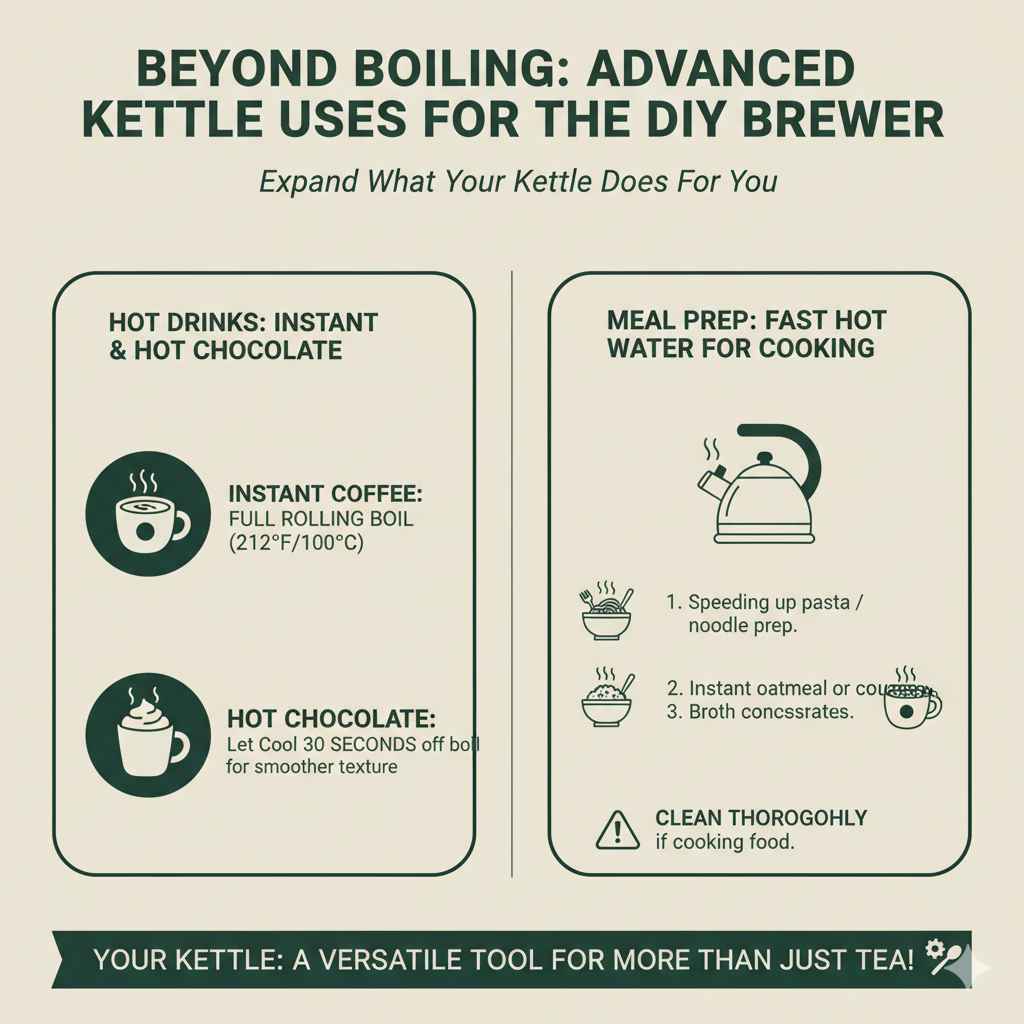
Beyond Boiling: Advanced Kettle Uses for the DIY Brewer
Once you master the basic boil, you can expand what your kettle does for you, especially if you enjoy other hot drinks or need precise water temperatures for specific tasks.
Using the Kettle for Instant Coffee or Hot Chocolate
The process is identical! Use fresh, cold water. If you are making instant coffee, a full rolling boil (212°F/100°C) is generally perfect. For richer hot chocolates or cocoa mixes, sometimes letting it cool for just 30 seconds off the boil yields a smoother texture.
The Kettle for Meal Prep (Beyond Tea)
Don’t forget your kettle is a fast, efficient source of hot water for quick cooking:
- Speeding up pasta or noodle prep by adding boiling water to soak them initially.
- Preparing instant oatmeal or couscous quickly.
- Making broth concentrates for quick soups.
Always ensure that if you are cooking food, the kettle you use is rated for that purpose and is thoroughly cleaned afterwards.
Frequently Asked Questions (FAQ) About Making Tea in a Kettle
Q1: Can I use distilled water in my tea kettle?
A1: While distilled water won’t leave mineral deposits, it lacks the necessary dissolved minerals that help extract and carry the tea’s flavor. Your tea might taste very flat and dull. Filtered or soft tap water is always better.
Q2: Should I leave water in the kettle overnight?
A2: No. It’s best practice to empty the kettle after use. Water sitting overnight loses oxygen, leading to a flat taste if re-boiled, and prolonged sitting can encourage scale buildup.
Q3: My stovetop kettle whistles very loudly. Is this bad?
A3: A loud whistle simply means the steam pressure has built up, which is the kettle’s job! If it’s too loud for your comfort, reduce the heat slightly just as the whistle begins. Just be sure you still reach the required temperature for your specific tea type.
Q4: Do I need to boil the water twice for black tea?
A4: Absolutely not. Boiling water once (using fresh water) is ideal. Re-boiling removes crucial oxygen and results in poor flavor, regardless of the tea type.
Q5: How do I know if my electric kettle is truly “off”?
A5: Most modern electric kettles have an indicator light. If the light is off and the heating element is cool to the touch (after safely removing it from its base), it is off. If you are extremely cautious, unplug it after use.
Q6: Is it okay to boil water twice for a very strong brew?
A6: Even if you want strong black tea, you should still only boil fresh water once. For strength, increase the amount of tea leaves you use or steep for a longer duration (within recommended limits), but avoid re-boiling the water itself.
Conclusion: Your Confidence in the Perfect Cup
Mastering how to make tea in a tea kettle is one of those small, satisfying life skills that pays daily dividends. You’ve learned that success lies in the fundamentals: starting with fresh, cold water, respecting the temperature requirements for your specific tea—whether it’s a full, roaring boil for black tea or a gentler heat for green—timing your steep precisely, and maintaining your equipment through simple descaling.
Think of your kettle now not just as a water heater, but as the essential first step in flavor extraction. Armed with these proven essentials, you can now confidently dial in the perfect settings every morning or afternoon. Every sip will taste better because you controlled the process from the very start. Keep that kettle clean, use that timer, and enjoy the consistently superior cup of tea you deserve—it’s easier than changing your car’s air filter, and just as rewarding!
Related pick: Check today's price on Amazon
Products related to this article
Sponsored / affiliate links. As an Amazon Associate I earn from qualifying purchases. I may earn additional commission from eligible campaigns.
 Golden Home Essentials XXXL Heavy Duty Couch Support for Sagging Cushions - 30in x 68in Extra Wide Sofa Cushion Board - 0.4in Saggy Cushion for Seat Support
 MANIAC LINE MAFRA Insect Remover | Fast Bug and Sap Dissolver | Safe on Paint Glass and Plastics | Pre Wash Pretreatment for Less Scrubbing | For Grilles Mirrors and Windscreens | 500 Milliliters