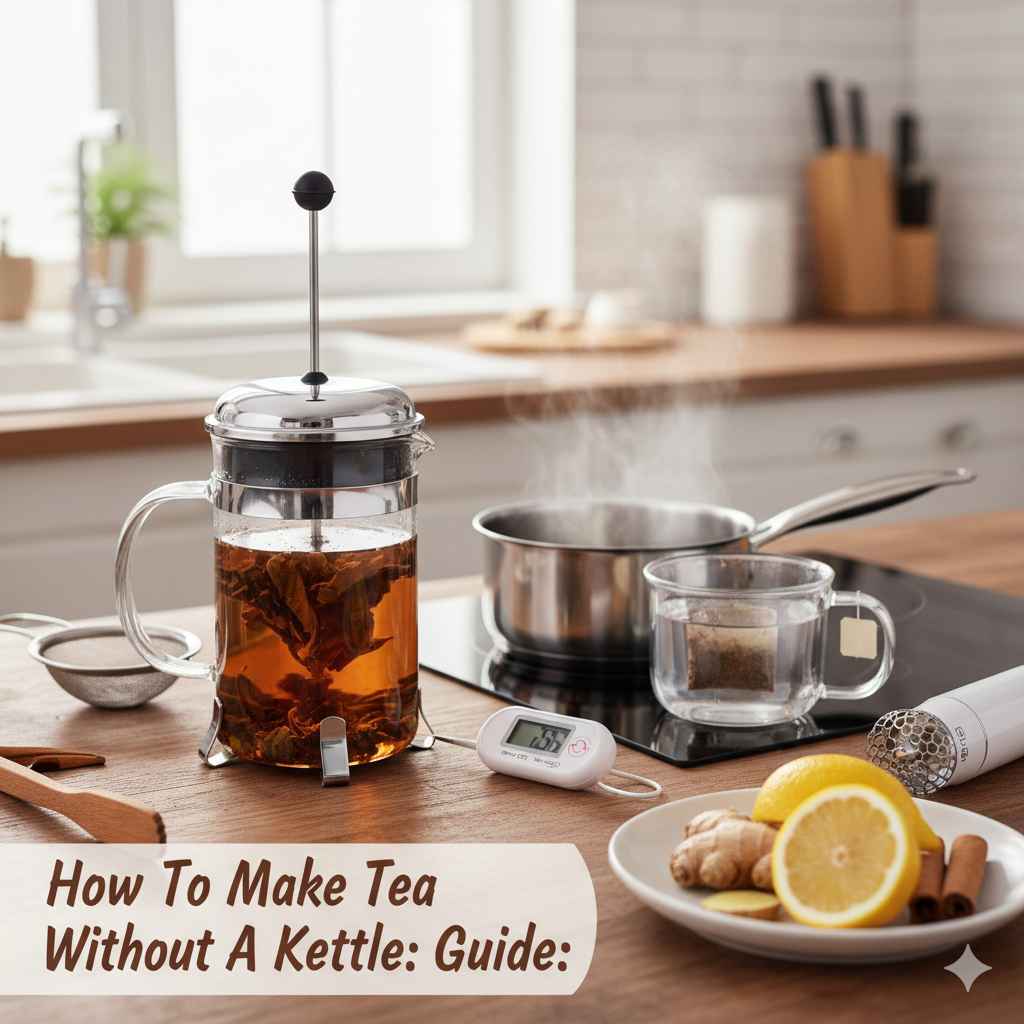
How To Make Tea Without A Kettle: Genius Guide
You can easily make tea without a kettle using a microwave, stovetop pot, or even a coffee maker hot water dispenser. These simple methods heat your water safely, ensuring you still enjoy a perfect, steaming cup anytime, anywhere, even when your usual appliance is unavailable.**

Mr. Coffee
Mr. Coffee Carterton Stainless Steel Whistling Tea…
- Solid stainless steel constructed teakettle
- Whistling teakettle alerts when water is boiling. Cooktop Compatibility: Electric Coil, Electric Smooth Top, Gas
- Flip-up spout cover for safe and easy pouring and a stay cool trigger for safety
As an Amazon Associate I earn from qualifying purchases.
For a related kitchen decision, How to Make Tea Without a Kettle Methods adds another practical detail to check.
For a related kitchen decision, Glass vs Stainless Steel Tea Kettle: Which Is Better adds another practical detail to check.
For a related kitchen decision, How To Clean The Inside Of A Tea Kettle adds another practical detail to check.
Welcome to your easy guide for brewing the perfect cuppa, even when your trusty electric kettle decides to take a vacation! We’ve all been there: you’re craving that warm, comforting mug of tea, but the water heater is missing or broken. Don’t sweat it! Making tea without a kettle is surprisingly simple. We use heat and water for lots of kitchen tasks, so mastering a few backup methods is great know-how. This guide will show you three safe and fast techniques.
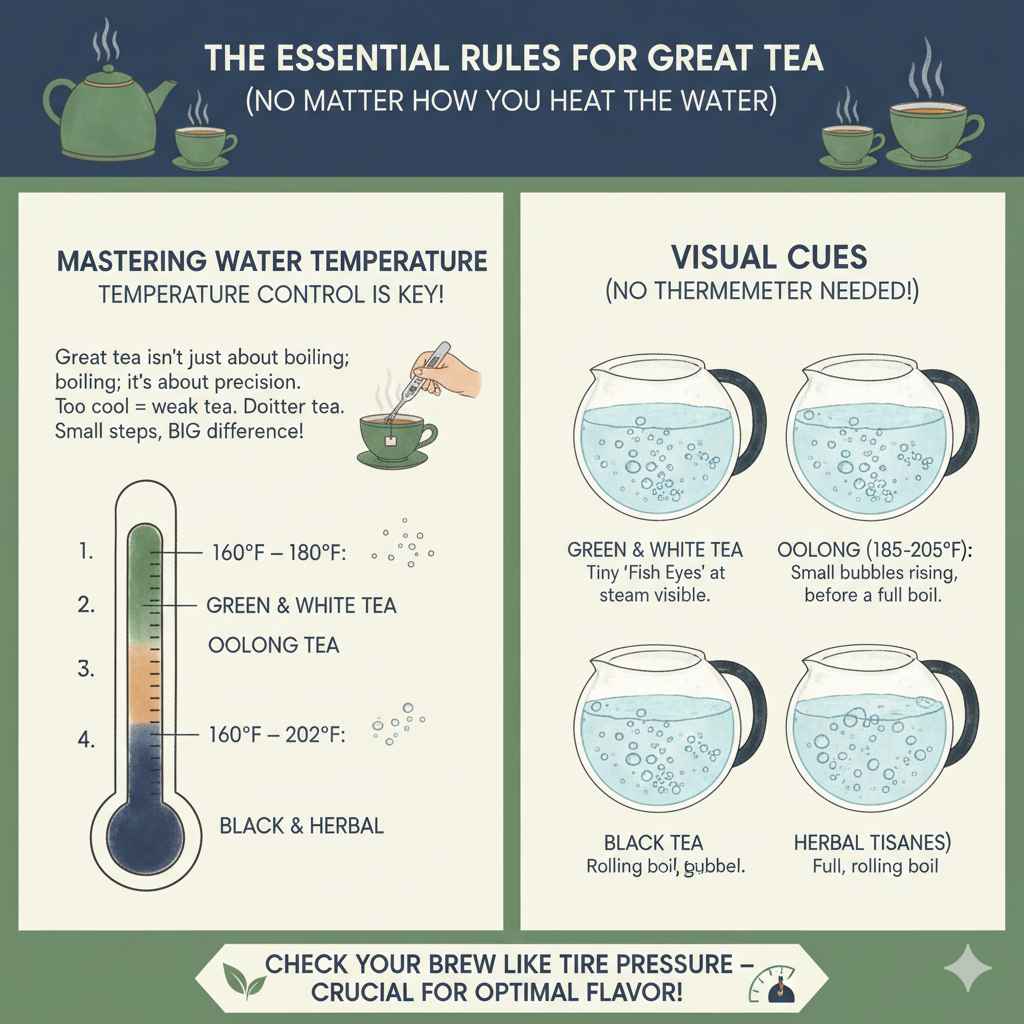
The Essential Rules for Great Tea (No Matter How You Heat the Water)
Before we dive into the heating methods, remember that great tea isn’t just about boiling water; it’s about temperature control. Using water that is too cool leads to weak tea. Water that is too hot can scorch delicate teas, making them bitter. Think of these rules like checking your tire pressure—small steps that make a big difference!
Understanding Water Temperature for Different Teas
Different types of tea leaves release their best flavors at specific temperatures. Using a thermometer is ideal, but if you don’t have one, we’ll give you visual cues later. Here is a quick reference guide:
| Tea Type | Ideal Temperature Range | Visual Cue (Boiling Time) |
|---|---|---|
| Black Tea (English Breakfast, Earl Grey) | 208°F – 212°F (Near Boiling) | Rolling boil, large bubbles. |
| Oolong Tea | 185°F – 205°F | Small bubbles rising, just before a full boil. |
| Green Tea & White Tea | 160°F – 180°F | Steam visible, tiny “fish eyes” bubbles at the bottom. |
| Herbal Tisanes (Mint, Chamomile) | 205°F – 212°F (Full Boil) | Rolling boil. |
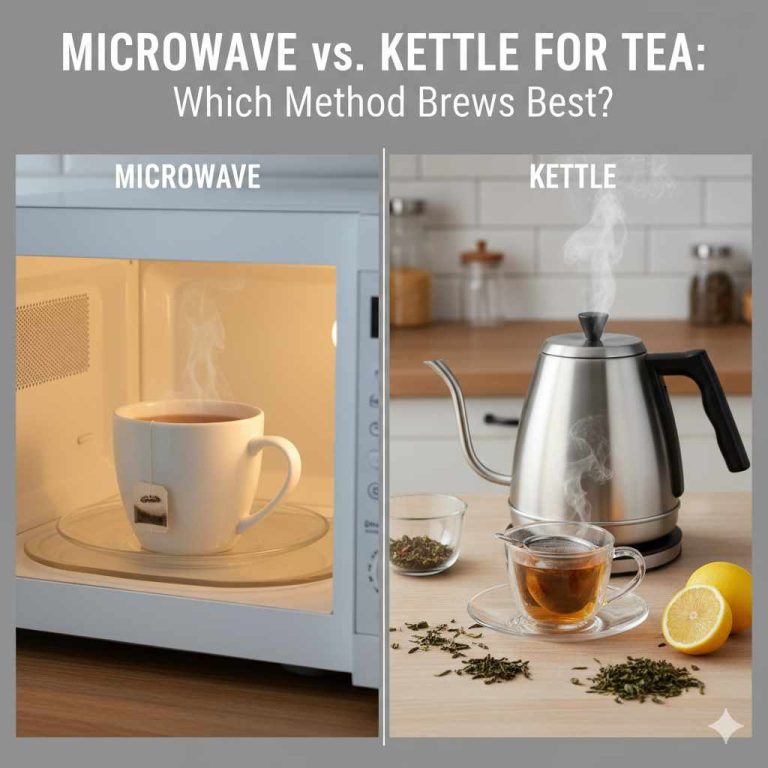
Method 1: The Microwave Method (Fastest and Easiest Backup)
The microwave is your go-to tool when you need hot water fast. It heats the water directly, much like starting a kettle, but you still need to be mindful of safety. This is perfect for one or two cups.
Step-by-Step Guide to Microwave Tea Water
- Choose the Right Container: Select a microwave-safe mug or small glass measuring cup. Never use thin plastic or metal. Check the bottom of your mug if you aren’t sure, or look for the microwave-safe symbol.
- Fill with Water: Pour in the amount of water you need. Remember, water heats up much faster in smaller amounts.
- Microwave in Intervals: Heat the water in short bursts. For one average mug (about 8 oz), start with 1 minute on high power.
- Check and Continue: Carefully remove the mug (it will be hot!). If it’s not hot enough, return it for 30-second intervals. Heating too long can cause superheating (see safety note below).
- Steep Your Tea: Once the water is hot enough for your tea type, place your tea bag or infuser into the water and steep according to the guidelines above.
Safety First: Avoiding Superheating in the Microwave
Superheating is a genuine risk when heating plain water in a very smooth container (like a new mug) in the microwave. The water can get hotter than boiling point without actually bubbling. When you disturb it (like dropping in a tea bag), it can rapidly erupt into a violent boil, causing serious burns. To prevent this, always follow these safety tips:
- Use a Pre-Aged Container: Using a mug that already has tiny scratches or small imperfections provides a nucleation point for bubbles to form safely.
- Use a Non-Smooth Surface: Place a wooden skewer (not a metal fork!) or a non-metal stirring rod into the water before heating. This gives the steam a place to escape safely.
- Use Shorter Bursts: Heating in short, deliberate bursts prevents the water from reaching dangerously high, unstable temperatures.
Method 2: The Stovetop Pot Technique (The Traditional Backup)
If you have access to a stove—be it gas, electric coil, or induction—this is the most reliable way to heat water perfectly. It closely mimics how an electric kettle functions.
Tools You Will Need
- A small saucepan or milk pot (stainless steel or glass is best).
- A stove or hot plate.
- A ladle or heat-safe measuring cup for pouring.
The Safe Stovetop Process
- Select Your Pot: Grab a small saucepan. For safety, aim for a pot that is wide enough to sit stably on your burner.
- Add Water: Fill the pot with the desired amount of water. Do not fill it more than halfway to prevent sloshing and spills when it boils.
- Heat Slowly: Place the pot on the stove burner and turn the heat to medium or medium-high. We encourage medium heat because it gives you more control to stop before a full, vigorous boil if you are making green tea.
- Watch Closely: Stay near the stove! Unlike an automatic kettle, a saucepan won’t turn off by itself. Watch for steam.
- Achieve Target Temperature:
- For Black Tea: Let it reach a strong, rolling boil.
- For Delicate Teas: As soon as you see steam rising steadily and small bubbles start forming on the bottom (the “fish eyes”), turn the heat off immediately.
- Pour Carefully: Turn off the heat entirely. Let the pan rest for 30 seconds if you overshot the temperature. Use a heat-safe ladle or carefully tilt the pot (holding the handle safely away from the heat source) to pour the hot water into your waiting mug.
This method is great because you can easily see when the water is heating. If you are looking for general guidance on safe stovetop practices, resources like the U.S. Fire Administration (USFA) often provide excellent general safety guidelines for kitchen appliances.
Method 3: Using a Coffee Maker (The Underutilized Option)
Many people overlook their standard drip coffee maker. While its main job is brewing coffee, its internal water reservoir is excellent at keeping water hot and ready without needing immersion heating devices.
How to Use Your Drip Coffee Maker for Tea Water
This method works best if your coffee maker has a separate warming plate beneath the carafe.
- Clean the System First: If the reservoir or plate has been used for coffee recently, run a quick cycle of plain water through the machine first to rinse residue.
- Fill the Reservoir: Pour cold, fresh water into the machine’s water reservoir—the amount matching how many cups of hot water you need.
- Bypass the Basket: Crucially, do not put coffee grounds or a tea bag in the filter basket. You only want the hot water.
- Run a Cycle: Turn the machine on as if you were making coffee. The machine will heat the water, and it will drip out the bottom, piping hot and ready to go.
- Transfer Carefully: Use the warm carafe to pour the hot water directly into your mug containing your tea bag or loose leaf infuser.
The Hot Plate Benefit
The warming plate underneath the carafe is a handy feature here. If you are making several cups, you can pour the first two cups, then place the carafe back on the hot plate while you heat more water in the reservoir. This keeps your already brewed tea (or the hot water you are using) at a nice serving temperature.
Alternative & Emergency Methods (When You Have Very Few Tools)
Sometimes you might be in a hotel room, a basement workshop, or somewhere with minimal kitchen access. If the microwave and stove are out, these creative (but still safe) options can save the day.
The Immersion Heater Bag (Travel Essential)
If you travel often, investing in a small, portable electric immersion heater is smart. These devices look like small coils and plug into the wall. You lower the coil directly into a mug of water to heat it up.
- Pros: Very compact, heats water quickly, versatile for use in any container (as long as the heater fits).
- Cons: Requires an outlet, must be used with non-metal mugs if the heater casing is plastic.
The Hot Water Dispenser (e.g., Instant Hot Water Taps)
If you have a specialized faucet installed near your kitchen sink that dispenses near-boiling water on demand, use it! These are often plumbed under the sink and connected to a small heating tank. Remember that these might run slightly cooler than a full kettle boil, so they are best suited for Oolong or Herbal teas.
Comparing the Kettle-Free Methods
To help you decide which method is best for your current situation, here is a quick comparison review based on speed, control, and convenience.
| Method | Heating Speed | Temperature Control | Best For |
|---|---|---|---|
| Microwave | Very Fast (1-2 minutes) | Fair (Requires careful timing) | Single servings in a hurry. |
| Stovetop Pot | Moderate (3-5 minutes) | Excellent (Visual monitoring) | Multiple cups, precise temperature needs. |
| Coffee Maker | Slow (5-7 minutes) | Good (Consistent output) | Batch brewing or when using an existing machine. |
The Art of Steeping: Making the Most of Your Hot Water
Heating the water is only half the battle. Once you have that perfectly heated water, you need to treat your tea leaves right! Think of the tea bag or infuser like a small engine—it needs the right conditions to run smoothly.
Proper Steeping Times
This is where many beginner tea drinkers accidentally create bitter brews. Steeping for too long extracts tannins, which taste dry and harsh. Always use a timer!
- Place your tea bag or infuser directly into your mug.
- Pour the heated water gently over the bag/infuser.
- Start your timer immediately.
- Remove the tea bag/infuser promptly when the time is up. (Do not squeeze the bag against the side of the mug for maximum flavor!
General Steeping Time Chart:
- Black/Herbal: 3 to 5 minutes
- Oolong: 2 to 4 minutes
- Green/White: 1 to 3 minutes (Crucial not to over-steep!)
Water Quality Matters
Just like a car performs best with good fuel, tea tastes best with good water. Heavily chlorinated tap water can mute delicate tea flavors. If you have access to filtered tap water or bottled spring water, use that instead of straight-from-the-tap water for the absolute best results, regardless of how you heat it.
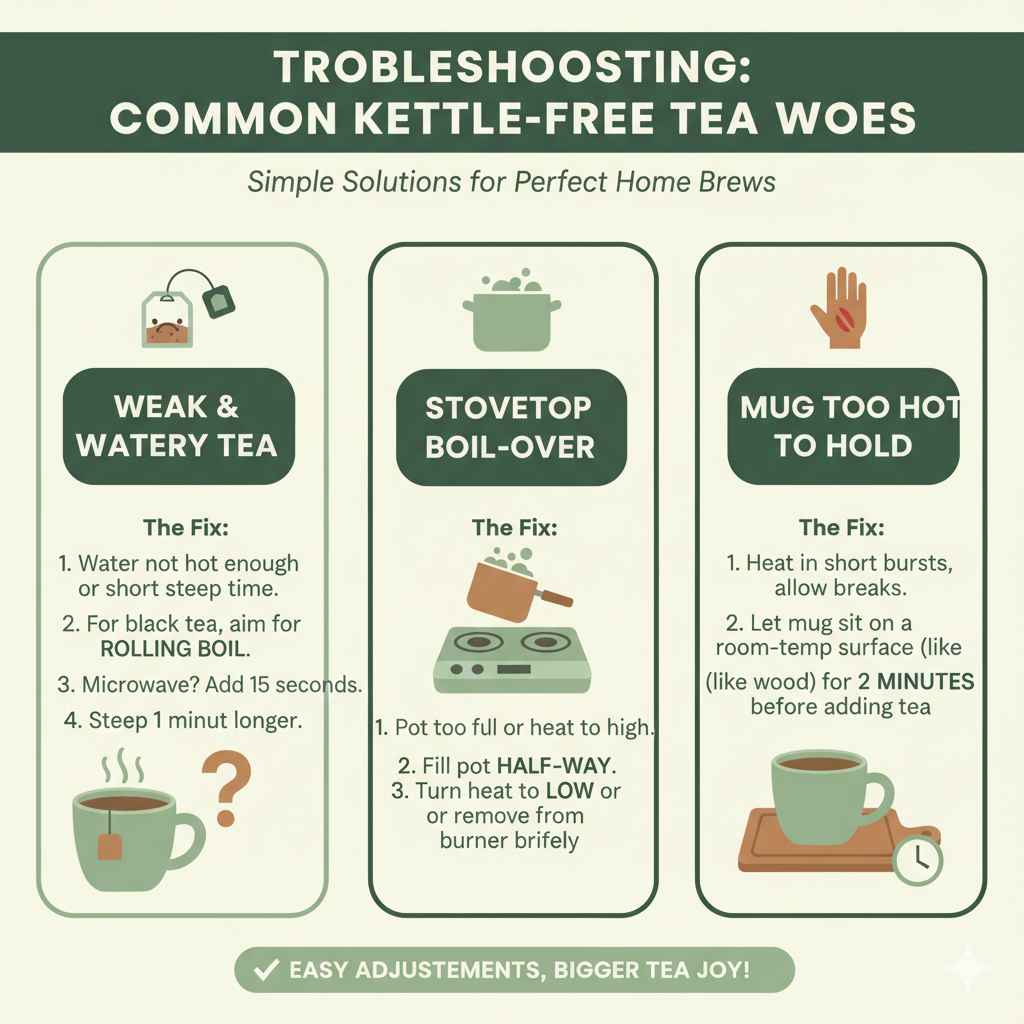
Troubleshooting: Common Kettle-Free Tea Woes
Even when following clear instructions, things can sometimes go sideways. Here are quick fixes for common kettle-free issues, keeping things simple and practical.
Problem 1: My Tea Tastes Weak and Watery
The Fix: Your water likely wasn’t hot enough, or you didn’t steep long enough. For black teas, aim for a full, rolling boil. If using the microwave, try adding 15 seconds to the cycle next time. Also, check your steeping time—maybe give it one extra minute.
Problem 2: The Stovetop Water Boiled Over
The Fix: This happens when the pot is too full or the heat is too high. Next time, only fill the pot halfway. If it starts bubbling up rapidly, immediately turn the heat down to low for 30 seconds, or take the pot off the burner entirely for a moment to let the bubbles settle before continuing to heat.
Problem 3: My Mug is Too Hot to Hold After Microwaving
The Fix: This is why we heat in short bursts and leave time between heating intervals. If the mug is too hot, let it sit on a room-temperature surface (like a wooden cutting board) for two full minutes before adding your tea bag. This allows some surface heat to dissipate safely.
Frequently Asked Questions (FAQ)
Q1: Is it safe to re-boil water that has already been boiled in the microwave or on the stove?
A: Yes, it is safe. However, boiling water multiple times concentrates minerals and reduces dissolved oxygen, which can make the resulting tea taste flat. For the freshest taste, always start with fresh
Q1: Is it safe to re-boil water that has already been boiled in the microwave or on the stove?
Yes, it’s generally safe to re-boil water. However, each time you boil it, you reduce dissolved oxygen and slightly concentrate minerals, which can make your tea taste dull or “flat.” For the best flavor, it’s always recommended to use fresh, cold water each time you prepare tea.
Q2: Can I make tea with cold water instead of heating it?
You can—but it becomes a different method called cold brewing. Instead of heat, you let time extract the flavor:
- Add tea bags or loose leaves to cold water
- Refrigerate for 6–12 hours
- Remove the tea and enjoy a smoother, less bitter drink
This works especially well for green tea and herbal blends, though it won’t give you that instant hot cup you might be craving.
Q3: What’s the best method if I want the closest result to a kettle?
The stovetop pot method is the closest alternative to a kettle. It gives you:
- The most accurate temperature control
- Clear visual cues (bubbles, steam)
- The ability to heat larger amounts of water evenly
If you want that “classic tea experience,” this is your best bet.
Q4: Can I heat water in any mug or container?
No—not all containers are safe for heating. Always follow these guidelines:
- Microwave: Use only microwave-safe glass or ceramic
- Stovetop: Use metal pots (like stainless steel), never glass unless labeled stovetop-safe
- Avoid: Thin plastic, metal in microwaves, or cracked containers
Using the wrong container can cause melting, breakage, or even safety hazards.
Conclusion: No Kettle? No Problem!
Making tea without a kettle is not only possible—it’s easy once you know your options. Whether you use a microwave for speed, a stovetop for control, or a coffee maker for convenience, the key is understanding how to heat water safely and match the right temperature to your tea.
Remember, great tea comes down to a few simple things:
fresh water, proper heat, correct steeping time, and a little patience.
So the next time your kettle is missing, broken, or simply out of reach, you’ll still be able to enjoy a perfect, comforting cup—anytime, anywhere.
Related pick: Check today's price on Amazon
Products related to this article
Sponsored / affiliate links. As an Amazon Associate I earn from qualifying purchases. I may earn additional commission from eligible campaigns.