Legal Size Vs Letter Size File Cabinet
Choosing the right file cabinet is more than a matter of office aesthetics, it’s a strategic decision that impacts productivity, organization, and even legal compliance. The debate between legal size and letter size file cabinets is a classic one, as each format serves distinct storage needs and user preferences. Whether you’re organizing a home office, outfitting a law firm, or modernizing a corporate records room, understanding the nuances of these two cabinet types is essential for making a smart investment.
Many offices discover too late that their chosen cabinet doesn’t fit their most-used documents, resulting in wasted space and daily frustration. On the other hand, selecting the correct cabinet size from the start streamlines workflow, protects important records, and even influences long-term storage costs.
In this comprehensive guide, we’ll compare legal size vs letter size file cabinets across every dimension that matters, dimensions, cost, ergonomics, use cases, industry standards, and real-world scenarios, helping you select the format that best aligns with your unique requirements.
Key Takeaways
- Legal size file cabinets accommodate both legal (8.5″ x 14″) and letter (8.5″ x 11″) documents, while letter size cabinets fit only letter documents.
- Legal cabinets are typically larger, heavier, and more expensive but offer greater versatility for mixed document storage.
- The ideal choice depends on your industry, document types, available space, and budget, law firms and real estate offices often require legal cabinets, while most businesses prefer letter size.
- Mixing cabinet types can optimize storage, but it requires careful planning to avoid confusion and inefficiency.
- Real-world examples show that choosing the wrong size can lead to workflow bottlenecks, so assess your needs before purchasing.
- For compliance and record-keeping, always consult relevant legal and professional guidelines.

Credit: www.youtube.com
Understanding File Cabinet Sizes
Choosing between legal size and letter size file cabinets starts with understanding the physical and functional differences between the two. These differences have direct implications on storage capacity, office layout, and document management efficiency.
What Is A Letter Size File Cabinet?
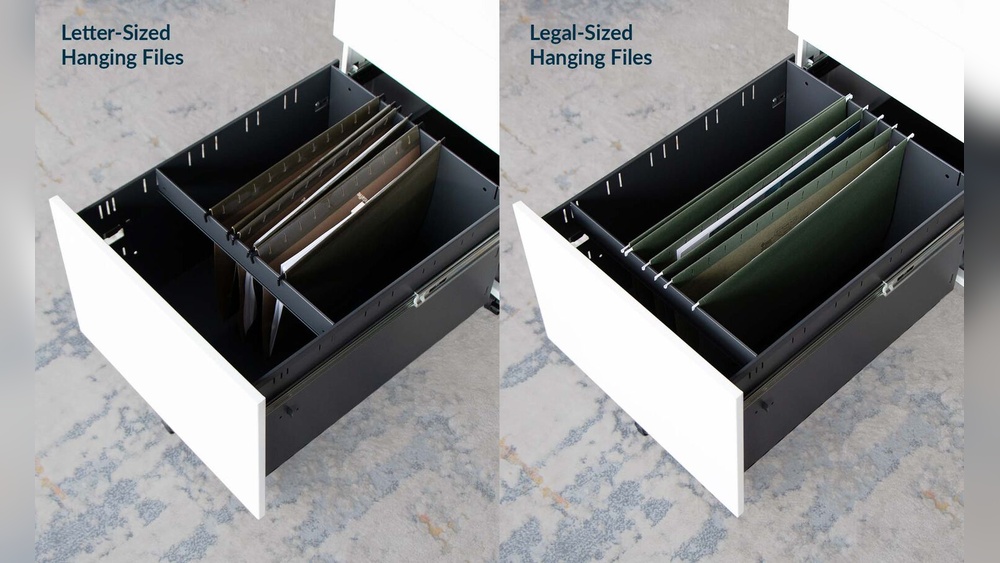
Letter size file cabinets are designed specifically for storing 8.5″ x 11″ documents, the most common paper size in the United States. These cabinets are generally narrower and more compact, which makes them ideal for maximizing space in smaller offices or home workspaces.
Key characteristics:
- Drawer width accommodates letter-size folders and documents only.
- Standard internal drawer width: About 12″ to 13″.
- Typically lighter and easier to move.
- Lower cost compared to legal size cabinets.
What Is A Legal Size File Cabinet?
Legal size file cabinets are built to store 8.5″ x 14″ documents, the preferred format for many legal, real estate, and accounting documents. These cabinets feature a wider drawer and body to accommodate the longer paper size.
Key characteristics:
- Drawer width fits both legal and letter-size folders.
- Standard internal drawer width: About 15″ to 16″.
- Larger footprint; requires more floor space.
- Usually heavier and more costly.
Physical Dimension Comparison
Below is a side-by-side comparison of typical dimensions for both types:
| Cabinet Type | Standard Drawer Width | Standard Drawer Depth | Standard Height (4-drawer) |
|---|---|---|---|
| Letter Size | 12″, 13″ | 15″, 18″ | 52″, 54″ |
| Legal Size | 15″, 16″ | 18″, 20″ | 52″, 54″ |
Pro Tip: Measure your available office space and the volume of documents you need to store before making a purchase decision. Leaving at least 3 feet in front of each cabinet allows drawers to open fully and users to access files comfortably.
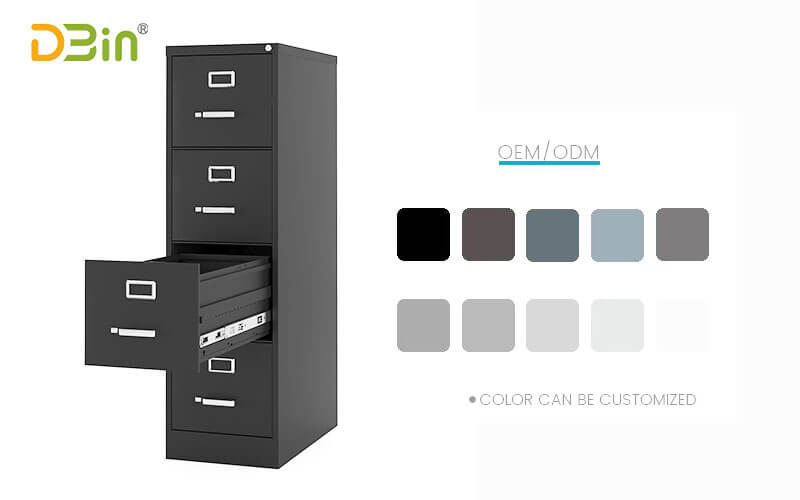
Credit: www.dbinofficefurniture.com
Industry Standards And Document Types
The choice between legal and letter size file cabinets is often dictated by the nature of your documents and industry requirements. Understanding these standards ensures compliance and operational efficiency.
Common Document Sizes In The U.s.
In the United States, two primary paper sizes dominate business and legal correspondence:
- Letter size: 8.5″ x 11″ (most common for business, school, and personal documents)
- Legal size: 8.5″ x 14″ (used for contracts, deeds, and legal filings)
Specialized documents (e. g. , blueprints, ledgers) may require different storage solutions, but most offices deal primarily with the two sizes above.
Industry-specific Needs
- Legal and Law Firms: Legal documents, contracts, and court filings often require legal size storage. Many law offices opt for legal cabinets to accommodate all document types.
- Real Estate: Deeds, property records, and title documents are frequently legal size.
- Accounting and Financial Services: Tax forms and financial statements may be legal or letter size, depending on the institution.
- General Business: Most internal and client-facing documents are letter size, making letter cabinets more prevalent.
Regulatory And Compliance Considerations
Certain industries are subject to regulations around record retention and file accessibility. For example, the Internal Revenue Service (IRS) may require businesses to retain certain tax documents for up to seven years, and these may be legal or letter size. The American Bar Association also recommends secure, organized storage for legal documents.
When in doubt, consult your industry’s professional guidelines or a legal expert to ensure compliance. For additional insights on storage for regulated documents, see the Wikipedia entry on records management.
Pros And Cons Of Legal Size File Cabinets
Legal size file cabinets are valued for their versatility but come with trade-offs in terms of space, cost, and logistics. Understanding their advantages and drawbacks can clarify whether they’re the right choice for your office.
Advantages Of Legal Size Cabinets
- Versatility: Store both legal and letter size documents side by side or with front-to-back rails.
- Future-Proofing: Useful if your document needs may change or expand to legal size in the future.
- Compliance: Essential for industries where legal-size paperwork is common or required.
Drawbacks Of Legal Size Cabinets
- Space Consumption: Their larger size means they take up more floor area, an important consideration in small offices.
- Cost: Legal cabinets are typically 15, 30% more expensive than letter cabinets, depending on brand and construction.
- Weight: Heavier, making them harder to move or reconfigure.
Example: Law Office Storage Overhaul
A mid-sized law firm in Chicago switched from letter-only to legal size file cabinets after merging with another practice. The transition allowed them to consolidate all files in one cabinet type, improving access and reducing confusion. However, they had to remodel their records room to accommodate the larger footprint, sacrificing some workspace in the process.
When Legal Cabinets Make Sense
- Law practices handling a mix of legal and letter documents
- Businesses anticipating future legal document storage needs
- Offices consolidating multiple file types in one system

Credit: www.dzxcabinet.com
Pros And Cons Of Letter Size File Cabinets
Letter size cabinets remain the default for most businesses, schools, and home offices. Their compact form factor and lower cost make them an attractive choice, but they have limitations.
Advantages Of Letter Size Cabinets
- Space Efficiency: Fit comfortably in smaller offices, under desks, or tight storage closets.
- Lower Cost: Usually the most affordable option, with prices 10, 30% lower than legal cabinets.
- Lightweight: Easier to move or rearrange as needs change.
Drawbacks Of Letter Size Cabinets
- Limited Versatility: Cannot accommodate legal-size documents without folding or using special folders (which can damage records).
- Potential for Redundancy: If your organization grows or changes document formats, you may end up needing additional legal-size cabinets.
Example: Startup Office Expansion
A technology startup outfitted its first office with letter size cabinets to maximize limited space and minimize costs. Three years later, after landing contracts requiring legal-size paperwork, they had to purchase new legal cabinets, leaving several letter cabinets unused.
When Letter Cabinets Make Sense
- Organizations dealing almost exclusively with letter-size documents
- Home offices and small businesses with space constraints
- Frequent office movers or reconfigurers
Cost Comparison And Return On Investment
Budget is a deciding factor for many businesses when choosing between legal and letter size file cabinets. Understanding the upfront and long-term costs helps avoid wasteful spending.
Upfront Cost Analysis
While prices vary by brand, material, and security features, legal size cabinets consistently command a premium due to their larger dimensions and increased material usage.
| Cabinet Type | Average Price (4-drawer, steel) | Volume (per drawer) | Price per Cubic Foot |
|---|---|---|---|
| Letter Size | $220, $350 | 1.2 cu ft | $45, $73 |
| Legal Size | $300, $450 | 1.5 cu ft | $50, $80 |
Pro Tip: For bulk orders, suppliers may offer discounts. Always compare price per cubic foot of storage, not just sticker price.
Total Cost Of Ownership
- Maintenance: Heavier legal cabinets may require reinforced flooring or casters for mobility, increasing costs.
- Replacement: If your document needs shift, replacing an entire cabinet system can be far more expensive than planning for versatility upfront.
- Resale Value: Letter cabinets sell faster on the secondary market due to wider demand, but legal cabinets fetch higher prices if you find the right buyer.
Example: Nonprofit Organization’s Budget Dilemma
A nonprofit needed to store both grant documents (letter size) and donor contracts (legal size). After cost analysis, they opted for a mix: 70% letter cabinets for daily use and 30% legal cabinets for contracts, saving 18% over an all-legal cabinet solution.
Ergonomics And Office Layout
The impact of file cabinet size goes beyond document storage, it affects how employees interact with records, how space is used, and even safety in the workplace.
Space Planning
- Legal size cabinets require more floor area. This can reduce walkways or crowd desks if not planned carefully.
- Letter size cabinets fit under counters, in cubicle corners, or along narrow walls, making them more flexible for tight layouts.
Drawer Accessibility
- Wider drawers on legal cabinets may be harder to pull open when fully loaded, especially for shorter users.
- Letter cabinets are easier to handle and fit in more ergonomic locations, such as under desks.
Safety Considerations
- Overloaded legal cabinets can tip if drawers are extended simultaneously; always follow manufacturer instructions for loading and anchoring.
- Ensure at least 36 inches of clearance in front of each cabinet for ADA compliance and safe access.
Example: Office Redesign For Accessibility
A city government office replaced all legal cabinets with a mix of letter cabinets and digital scanning solutions to improve accessibility for employees using wheelchairs. This change improved traffic flow and reduced workplace injuries associated with heavy drawers.
Real-world Use Cases And Case Studies
Understanding how different organizations choose and use file cabinets offers practical insights you can apply to your situation.
Law Firm: Maximizing Flexibility
A multi-partner law firm in New York transitioned from mixed-size cabinets to all-legal size cabinets after a merger. The larger cabinets accommodated both legacy and current files. While they sacrificed 10% of their office space, they reduced misfiling incidents and improved compliance with state record-keeping regulations.
School District: Optimizing For Space
A suburban school district standardized on letter size file cabinets for administrative and student records. The smaller cabinets fit under existing counters and allowed more staff to access files simultaneously, resulting in a 20% increase in filing efficiency.
Real Estate Agency: Dual System Approach
A large real estate firm used both cabinet types: letter cabinets for general correspondence, legal cabinets for property and escrow files. By color-coding cabinet handles and labeling drawers, they minimized confusion and streamlined file retrieval.
First-person Experience: Small Business Owner’s Perspective
In my experience as a small business owner, starting with letter size cabinets made sense when the majority of paperwork was invoices and memos. However, after expanding into contracts and licensing, I had to invest in legal size cabinets. If I could do it again, I’d start with a few legal cabinets for flexibility, even though they cost more and took up extra space.
File Cabinet Materials And Security Features
File cabinets are built from a variety of materials and offer different levels of security, factors that interact with cabinet size in important ways.
Materials
- Steel: Most durable and common for both sizes; resists fire, pests, and impacts.
- Wood: Popular for executive or home offices; may be heavier and more expensive in legal size.
- Plastic: Lightweight and affordable, but best for temporary or low-security storage.
Security Features
- Central locking systems: Standard on most cabinets, but legal cabinets may offer multi-point locking due to higher-value documents.
- Fireproofing: More common (and costlier) in legal size cabinets, as legal documents are often irreplaceable.
- Anti-tip mechanisms: Essential for both sizes but especially important for heavier legal cabinets.
Pro Tip: Security For Sensitive Records
For highly sensitive documents, consider cabinets with UL-rated locks and fireproofing. These features can add $200, $500 to the price but may be required for compliance in legal and healthcare fields. For a deeper look at safe storage and preservation, see National Archives Records Management Policies.
Making The Right Choice: Decision Framework
Selecting the best file cabinet type for your organization requires balancing multiple factors. Here’s a structured approach to guide your decision.
Step 1: Assess Document Types
- Mostly letter size: Choose letter cabinets.
- Mostly legal size or mixed: Choose legal cabinets or a mix.
Step 2: Measure Your Space
- Map out available areas; remember to account for drawer extension.
- Use the dimension tables above to estimate fit.
Step 3: Consider Future Growth
- If you anticipate growth or changes in document types, legal cabinets offer more flexibility.
- Modular or mobile cabinets allow for easier reconfiguration.
Step 4: Analyze Your Budget
- Calculate total costs, including installation, maintenance, and future upgrades.
- Factor in the cost of security features and fireproofing if required.
Step 5: Think About Workflow
- How often are documents accessed?
- Who needs access, and from where?
- Will cabinets be shared between departments?
Example: Nonprofit Decision Matrix
A nonprofit used the following matrix for their decision:
| Criteria | Letter Cabinet | Legal Cabinet |
|---|---|---|
| Fits current documents | ✔️ | ✔️ |
| Fits future documents | ❌ | ✔️ |
| Cost-effective | ✔️ | ❌ |
| Space-efficient | ✔️ | ❌ |
They ultimately purchased a mix, with legal cabinets in the compliance department and letter cabinets elsewhere.
Alternatives And Hybrid Solutions
Sometimes, neither standard legal nor letter size cabinets are a perfect fit. Hybrid solutions and alternative storage systems can bridge the gap.
Mobile File Cabinets
- Designed to fit under desks, available in both letter and legal sizes.
- Ideal for employees who need frequent access to their own files.
Lateral File Cabinets
- Wider than vertical cabinets, store both sizes side by side.
- Easier to access in high-traffic areas.
Digital And Cloud Storage
- Scanning and digitizing records can reduce reliance on physical cabinets altogether.
- Particularly useful for archived records and backup.
Pro Tip: Mixing Cabinet Types
Mixing cabinet types can maximize efficiency but requires clear labeling, color coding, and staff training to prevent misfiling. Consider this approach if your office handles a significant volume of both document sizes.
Example: School Administration Hybrid Approach
A school district digitized old records and used letter cabinets for current student files, freeing up space and improving record security. This hybrid model cut physical storage needs by 40%.
Frequently Asked Questions
What Should I Do If I Have Both Legal And Letter Documents?
If you regularly handle both sizes, legal size file cabinets are more versatile and can accommodate both formats. Alternatively, lateral file cabinets allow you to store both types side by side. For small volumes, consider using adjustable rails or special hanging folders within a letter size cabinet, but this may reduce capacity and accessibility.
Are Fireproof Cabinets Available In Both Sizes?
Yes, fireproof cabinets are manufactured in both letter and legal sizes. Fireproofing adds weight and cost, but is crucial for storing irreplaceable legal, financial, or medical records. Choose a model with a UL rating and verify the protection time (e.
g. , 1 hour at 1700°F). For more on fireproof storage, consult the manufacturer or a facilities security expert.
Can I Convert A Letter Size Cabinet To Store Legal Documents?
It’s generally not recommended. Letter size cabinets are too narrow for legal folders, and forcing larger documents can lead to damage or compliance issues. Some lateral cabinets have adjustable rails, but vertical letter cabinets cannot be safely converted. If you must store legal documents, invest in the correct cabinet type from the start.
How Do I Dispose Of Old File Cabinets Securely?
First, remove all sensitive documents and wipe any identifying information. Metal cabinets can often be recycled, contact local scrap yards or recycling centers. For cabinets with locks, remove them to prevent unauthorized access. If the cabinet contained sensitive or regulated documents, follow your organization’s data destruction policy to document the disposal.
What Are The Best Practices For Labeling And Organizing Files?
Use clear, consistent labels on all drawers and folders. Color coding (e. g. , blue for legal, red for letter) helps staff quickly identify file types. Maintain an up-to-date index or digital log of file locations. For organizations with both cabinet types, post a reference chart nearby to minimize misfiling.
Training staff on the system is essential for long-term efficiency.
Selecting the right file cabinet, legal or letter size, is a decision that echoes through every level of an organization. By weighing your document types, space, budget, and workflow requirements, you can invest in a filing system that supports productivity, compliance, and peace of mind. Whether you’re setting up a new office or upgrading an established workspace, careful planning ensures your records are secure, accessible, and future-proof. For related tips on organizing supplies and maximizing office efficiency, you might also find choosing the right canning jar and freeze-drying vs canning insightful for broader storage strategies.
Products related to this article
Sponsored / affiliate links. As an Amazon Associate I earn from qualifying purchases. I may earn additional commission from eligible campaigns.