How to Make Tea Without a Kettle: 6 Methods That Actually Work
Your kettle just died, or you’re staring at a hotel room coffee maker and a tea bag with zero options. Maybe you moved and haven’t unpacked the box labeled ‘kitchen.’ Whatever the reason, you want a hot cup of tea and the usual tool isn’t there.
Good news: you don’t need a kettle to brew a proper cup. You need hot water and something to hold the leaves. Everything else is technique. This guide walks through six methods, the exact temperatures and steeping times for different tea types, and the safety traps to avoid. You’ll know which method fits your situation and how to get the best flavor from whatever equipment you have.
Cosori
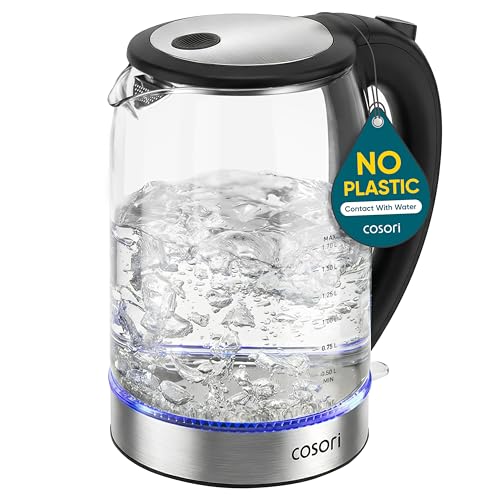
Cosori Electric Kettle, No Plastic Contact with…
- No Plastic Contact with Your Water——With no plastic inside, water never touches plastic, ensuring a pure taste and safer drinking…
- Faster Than a Stovetop Kettle——Heats 0.5L (2 Cups) water in under 3 minutes for less wait time
- Easy to Clean——Wide mouth and large-angle lid lets you reach every corner with ease
As an Amazon Associate I earn from qualifying purchases.
If you’re in the market for a reliable replacement, the Cosori Electric Kettle is worth a look. It heats water fast and keeps plastic away from your water entirely. But first, let’s fix your immediate problem.
Why You Might Need a Kettle-Free Brew
Kettles are convenient, but they’re not the only path to boiling water. People end up kettle-less for all sorts of reasons: a broken appliance, a camping trip, a dorm room with restricted electronics, or a kitchen renovation that packed everything away.
The real challenge isn’t heating water. It’s controlling the temperature and avoiding off-flavors from whatever you’re using. A coffee maker adds coffee notes if not cleaned. A microwave can superheat water if you’re careless. A stovetop pot works fine but takes longer. Each method has trade-offs, and the best choice depends on your tea type and how much time you have.
The Golden Rules of No-Kettle Tea (Water Temp & Steeping)
Before picking a method, understand what the water needs to do. Different teas demand different temperatures. Boiling water (212°F) is correct for black tea and herbal infusions. It’s too harsh for green or white tea, which turn bitter when scalded.
- Green tea: 160–175°F, steep 2–3 minutes
- White tea: 160–175°F, steep 3–4 minutes
- Black tea: 200–212°F, steep 3–5 minutes
- Herbal tea (no caffeine): 212°F, steep 5–7 minutes
- Oolong tea: 185–205°F, steep 3–5 minutes
Without a kettle, you can’t dial in exact temperatures easily. But you can approximate. After boiling, let the water sit for a minute or two. That drop brings it down to roughly 180–190°F, perfect for most green and oolong teas. For black and herbal, use the water right away.
Steeping time matters just as much. Too long and you extract tannins, which make tea bitter and astringent. Set a timer. Your phone works.
Method 1: The Microwave (Fastest, with Safety Warnings)
The microwave is the most accessible option. It’s in almost every kitchen and hotel room. Fill a microwave-safe mug with water, heat it, add your tea. Done in under three minutes.
But there’s a catch: superheating. Water heated in a smooth container can exceed its boiling point without actually bubbling. The moment you disturb it — dropping in a tea bag or lifting the mug — it can erupt violently and cause serious burns.
How to Avoid Superheating Water
Superheating happens because microwaves heat water unevenly and there are no nucleation sites (tiny imperfections or bubbles) for steam to form. Smooth mugs make it worse.
Prevention is simple:
- Use a mug with a rough surface or a wooden chopstick placed inside.
- Heat in 60-second bursts, stirring between each.
- Never heat water alone for more than 2 minutes at full power.
- Let the mug sit for 30 seconds after heating before touching it.
That wooden chopstick trick works because it provides a surface for bubbles to form, breaking the superheat state. I’ve also used a ceramic spoon. Anything non-metal works.
For flavor, microwaved water tastes fine. It’s the same water, just heated differently. Some people claim it tastes flat, but that’s usually stale water or a dirty mug. Use fresh, filtered water and you won’t notice a difference.
One more tip: heat the water first, then add the tea bag. If you add the bag before heating, you’ll overcook the leaves and get a bitter cup.
Method 2: The Stovetop Pot (Most Traditional)
Any pot with a lid can boil water. It’s the oldest method on this list and the most reliable. Fill a saucepan or small pot with the amount of water you need, put it on high heat, and wait. You’ll see small bubbles first (around 180°F), then a rolling boil (212°F).
The advantage is control. You can watch the water and pull it off the heat at the right moment. For green tea, take it off when small bubbles form and let it rest a minute. For black tea, wait for the full boil.
The downside is time. A stovetop pot takes 5–8 minutes to boil a liter, depending on your stove and pot. It also heats up the kitchen, which is fine in winter and annoying in July.
Use a pot that’s clean and doesn’t have residual oil or food flavors. A dedicated tea pot is ideal, but any saucepan works. Pour the hot water into your mug with the tea bag or leaves. Don’t steep directly in the pot unless you want to deal with loose leaves in your cup.
If you’re using loose-leaf tea, a simple tea infuser makes life easier. Drop it in the mug, pour the water, and remove it when the timer goes off.
Method 3: The French Press (Best for Loose Leaf)
The French press isn’t just for coffee. It’s a fantastic tea brewer, especially for loose-leaf tea. The mesh plunger strains the leaves completely, giving you a clean cup without a separate infuser.
Here’s the process:
- Warm the press with hot tap water, then discard.
- Add loose-leaf tea. Use about 1 tablespoon per 8 ounces of water, or follow the tea’s instructions.
- Pour hot water over the leaves, leaving an inch of space at the top.
- Stir gently with a wooden or plastic spoon.
- Set the lid on without pressing the plunger down.
- Steep for the recommended time.
- Press the plunger slowly and pour.
The beauty of the French press is that you can control the steeping time precisely. When the timer goes off, press and pour. The leaves stop steeping immediately because they’re separated from the water.
One caveat: don’t leave the tea sitting in the press after you’ve plunged it. The leaves stay in contact with the water at the bottom, and the tea continues to get stronger. Pour the whole batch into another container or thermos if you’re not drinking it all.
Method 4: The Coffee Maker (Convenient but Tricky)
Drip coffee makers are everywhere, and they’re a decent tea brewer if you’re careful. The machine heats water and drips it over whatever is in the basket. Put tea in the filter instead of coffee, and you get a pot of tea.
The problem is residue. Coffee oils cling to the internal tubing and the carafe. Your tea will taste like yesterday’s coffee unless you clean the machine first.
How to Clean a Coffee Maker for Tea
Run a full cycle with white vinegar (equal parts vinegar and water). Then run two cycles with plain water. That clears most of the coffee oils.
If you’re in a hotel room and can’t do a full vinegar cycle, at least run one cycle with plain hot water before brewing tea. It won’t be perfect, but it’s better than nothing.
For the actual brew, place 2–3 tea bags in the filter basket. Use the machine’s ‘regular’ or ‘small batch’ setting if it has one. The water temperature in most coffee makers is around 195–205°F, which is fine for black and herbal teas. For green tea, let the brewed tea cool for a minute before steeping the leaves — or just accept a slightly more astringent cup.
This method works best for making a full pot, not a single mug. If you only want one cup, the microwave is faster and cleaner.
Method 5: The Thermos & Hot Tap (No Boiling Required)
You don’t always need to boil water yourself. Many offices, cafes, and even some homes have instant hot water taps. If you have access to one, it’s the easiest path to tea. Fill your mug, add the tea bag, and you’re done.
For a thermos, the trick is using hot water from a tap that’s already been boiled elsewhere. Fill a thermos with boiling water from a kettle or pot, seal it, and you have hot water for hours. This is a great option for a day trip, a long drive, or a hotel room where you don’t trust the coffee maker.
One thing to watch: if you fill a thermos with hot water and add tea leaves directly, the tea will over-steep and turn bitter. Instead, bring tea bags separately and steep in a mug with the hot water from the thermos. Or use a travel mug with a built-in infuser basket.
Method 6: Cold Brew & Sun Tea (Zero Heat)
If you don’t have any way to heat water, you can still make tea. Cold brewing and sun tea both extract flavor without heat.
Cold brew is the better of the two. Put 1–2 teaspoons of loose-leaf tea (or one tea bag) in a jar with cold water. Refrigerate for 8–12 hours. Strain and drink. The result is a smooth, low-caffeine tea with almost no bitterness. It’s especially good with green tea or fruity herbal blends.
Sun tea works similarly but uses sunlight instead of refrigeration. Fill a glass jar with water, add tea bags, and leave it on a sunny windowsill for 2–4 hours. The gentle heat steeps the leaves slowly. The downside is the risk of bacterial growth if it sits too long. Drink it within a few hours and refrigerate any leftovers.
Both methods skip the boiling step entirely, which makes them perfect for summer or emergency situations. They’re also forgiving — you can’t over-steep cold brew the way you can with hot water.
Which Method Wins? (Flavor & Convenience Comparison)
Here’s a direct look at how each method stacks up. I’ve ranked them by flavor quality and ease of use, based on my own experience and general tea community consensus.
| Method | Best For | Flavor Quality | Time to Boil | Cleanup Difficulty | Key Risk |
|---|---|---|---|---|---|
| Microwave | Single mug, hotel rooms | Good, neutral | 2–3 minutes | Minimal | Superheating if not careful |
| Stovetop Pot | Multiple cups, full control | Excellent | 5–8 minutes | Medium (pot to wash) | None, just slow |
| French Press | Loose-leaf tea | Excellent, full body | N/A (uses pre-boiled water) | Medium (plunger and carafe) | Over-steeping if left in press |
| Coffee Maker | Full pot, large groups | Fair to good (coffee residue risk) | 3–4 minutes | High (filter, carafe, machine) | Residual coffee flavor |
| Thermos / Hot Tap | On-the-go, office | Good, depends on water source | Instant (if tap) or pre-boiled | Minimal | Over-steeping in thermos |
| Cold Brew / Sun Tea | Summer, no heat available | Very smooth, low bitterness | None (8–12 hours steep) | Low | Bacterial growth if left too long |
For the best flavor-to-effort ratio, the French press wins. It gives you precise control and no off-flavors. The microwave is the fastest and most practical for a single cup. The coffee maker is a last resort, not a first choice.
Frequently Asked Questions
Is it safe to microwave water for tea?
Yes, if you take precautions. The main danger is superheating, where water exceeds its boiling point without bubbling. Prevent it by heating in short bursts, stirring between, and placing a wooden chopstick or non-metal object in the mug. Let the water sit for 30 seconds before removing it.
Can I use a coffee maker to brew tea?
You can, but clean it first. Run a vinegar cycle followed by two water cycles to remove coffee oils. Then put tea bags in the filter basket and brew like you would coffee. The flavor won’t be as clean as a kettle, but it works in a pinch.
What temperature should the water be for green tea without a kettle?
Aim for 160–175°F. If you boil water, let it sit for 2–3 minutes before pouring. Or heat water in the microwave in short bursts until it’s steaming but not boiling. Steep for 2–3 minutes.
How do I make tea without any hot water at all?
Cold brew is your answer. Combine tea leaves and cold water in a jar, refrigerate for 8–12 hours, and strain. You get a smooth, refreshing tea with no heat required. Sun tea is another option, but it needs a sunny windowsill and a few hours of patience.
Does microwaving water ruin the taste of tea?
No. Microwaved water tastes the same as boiled water, provided you use fresh water and a clean mug. Some people notice a difference, but it’s usually due to stale water or residual flavors in the cup, not the microwave itself.
The Final Sip
You have more options than you think. Here’s what to remember:
- Microwave is the fastest for a single cup — just add a wooden chopstick to prevent superheating.
- Stovetop pot gives you full temperature control, just takes longer.
- French press is the best for loose-leaf tea, giving you a clean cup with no bits.
- Clean your coffee maker thoroughly if you use it — coffee residue ruins tea.
- Thermos with pre-boiled water is a smart move for travel or the office.
- Cold brew is the only zero-heat method that delivers great flavor.
- Match the water temperature and steeping time to your tea type — that matters more than the heating method.
No kettle, no problem. Pick the method that fits your tools and your tea, and you’ll get a decent cup every time.
Products related to this article
Sponsored / affiliate links. As an Amazon Associate I earn from qualifying purchases. I may earn additional commission from eligible campaigns.