The Beginner’s Guide: How to Build a Bed Frame with Headboard
The most proven way to build a bed frame with a headboard is by creating a sturdy wooden platform base using simple 2x4s or 4x4s, then attaching pre-cut vertical posts that support a decorative, custom-built headboard panel. This approach ensures stability and allows for full personalization.
For a related kitchen decision, How To Tie Restraints To Bed Frame: Proven adds another practical detail to check.
Welcome! Are you tired of that wobbly bed frame or staring at a bare wall above your mattress? Building your own headboard and frame might sound like a big construction project reserved for expert woodworkers, but I promise it’s not. Many people skip this because they think it involves complex cuts or expensive tools. That leads to headaches later on. We are going to break down this project into simple, easy steps. You can absolutely build a safe, attractive, and rock-solid bed frame with a headboard yourself, saving money and gaining serious DIY confidence. Let’s grab the tools and get started on making that perfect bedroom centerpiece.
Phase 1: Planning and Gathering Your Supplies
Just like checking your tire pressure before a long drive, planning prevents breakdowns later. Getting the right materials for the right bed size is crucial for a stable final product. We are aiming for durability here.

Determine Your Bed Size
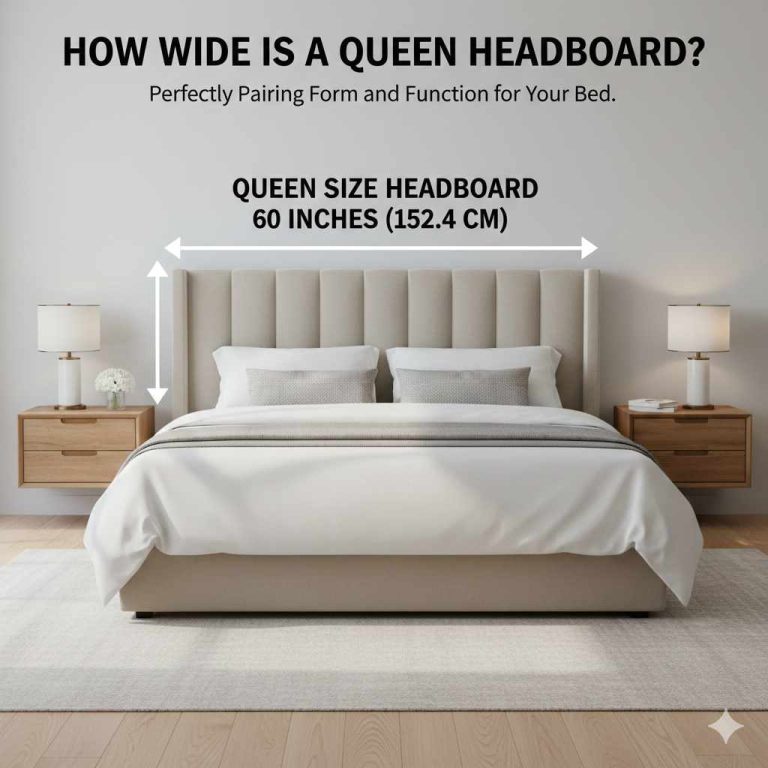
The dimensions of your headboard and platform must match your mattress exactly. A common mistake is building the frame too large, which leaves unsightly gaps. Here are the standard sizes in the US. Double-check your mattress tag or measure it right now!
| Bed Size | Approximate Width (Inches) | Approximate Length (Inches) |
|---|---|---|
| Twin | 38 | 75 |
| Full (Double) | 54 | 75 |
| Queen | 60 | 80 |
| King | 76 | 80 |
Essential Tools Checklist
You don’t need a fully stocked professional workshop. Most modern lumber yards can often cut your boards to length if you bring them your cut list. This is a huge time-saver for beginners!
- Measuring Tape (Accurate one!)
- Pencil or Marker
- Speed Square (To ensure all your corners are perfectly 90 degrees)
- Circular Saw or Hand Saw (If cutting lumber yourself)
- Power Drill/Driver (Cordless is easiest)
- Appropriate Wood Screws (2.5-inch deck screws work well for framing)
- Level
- Optional: Kreg Jig (For super strong, hidden pocket hole joints—highly recommended)
Lumber Selection for Durability
For the actual frame, we need strong wood that resists warping under the weight of a mattress and people. Pressure-treated lumber is for decks; we want standard structural lumber for indoor use.
The best, most cost-effective wood for the frame and internal supports is usually:
- 2x4s (Dimensional Lumber): Perfect for the main perimeter of the frame.
- 4x4s: Excellent for the corner legs that hold the most weight.
- Plywood (3/4 inch): Used for the top surface that the mattress rests on (the platform). Look for sanded pine or birch plywood.
Phase 2: Building the Rock-Solid Platform Frame
This is the foundation. If the base is wobbly, the whole bed fails. We will be creating a rectangular box frame and attaching legs to the corners. We’ll center the entire base around the measurements you took in Phase 1.
Step 1: Cutting the Lumber for the Base Box
You will need two long side pieces and two short end pieces. Remember: the long sides will determine the overall length, and the short sides fit between the long sides to set the width.
If you are building a Queen frame (60″ W x 80″ L):
- Cut two 2x4s for the long sides to 80 inches.
- Cut two 2x4s for the short ends to 57 inches. (Why 57? Because the 60-inch width also includes the thickness of the two 1.5-inch thick 2×4 side pieces: 60 – 1.5 – 1.5 = 57 inches).
Step 2: Assembling the Frame Box
We need strong joints here. If you have a Kreg Jig, use pocket screws for the corners. If you are screwing straight through (butt joints), make sure to drill pilot holes first to prevent the wood from splitting. Pilot holes are small holes drilled just slightly smaller than your screw diameter.
- Lay your four cut pieces into a rectangle on a flat surface.
- Use your speed square at each corner to ensure it is exactly 90 degrees. This is critical!
- Drive at least three strong 2.5-inch screws through the end pieces into the side pieces at each corner post.
Step 3: Attaching the Support Legs
The legs provide the height and prevent sagging in the middle. For maximum stability, place legs at all four corners and one or two extra supports right in the middle of the long sides.
- Cut your 4×4 posts to your desired finished height (e.g., 14 inches).
- Place one 4×4 leg flush inside each corner of the assembled box.
- Use long, heavy-duty screws (3-inch construction screws work well) driven down through the 2×4 frame directly into the top of the 4×4 leg. Use at least two screws per leg.
Step 4: Adding Center Support Rails (Crucial for Queen/King)
For Queen and King sizes (or any bed over 60 inches wide), cross beams are non-negotiable to prevent the plywood platform from eventually bowing. These typically run the width of the bed, spaced every one to two feet.
- Cut 2x4s to span the interior width (e.g., 57 inches for a Queen).
- Install these supports using metal joist hangers (available at any hardware store) or by screwing them directly into ledgers (small wood strips) attached to the long side rails.
- Pro Tip: Many DIY plans call for a center support beam running head-to-foot, attached to perpendicular cross-supports. This distributes weight evenly to the floor.
Step 5: Laying the Platform Decking
This is the surface your mattress sits on. Lay your 3/4-inch plywood sheet over the top of the frame supports. Do not just rest it; you need to secure it.
- Center the plywood on the frame.
- Use 1.5-inch wood screws or construction staples, spaced every 6 to 8 inches along the perimeter and into every center support beam. This prevents the platform from shifting when you make the bed.
Phase 3: Integrating the Headboard Connections
Now we turn a sturdy platform into a complete bed system. We need a secure way for the headboard to attach firmly to the platform base so it won’t wiggle or tip over when leaned against.
Selecting Your Headboard Style
The attachment method depends heavily on your headboard design. We will cover the most beginner-friendly and sturdiest method, which involves building vertical support posts directly onto the frame base.
Headboard styles include:
- Panel Style: A large sheet of wood, sometimes upholstered, attached flat. (Easiest for beginners).
- Slat Style: Multiple vertical or horizontal boards creating a pattern.
- Reclaimed Wood Style: Using pallet wood or barn wood for a rustic look.
Step 6: Installing Headboard Anchor Posts
These posts connect the headboard panel down to the strongest parts of your frame—the corner 4×4 legs.
- Cut two strong 2x4s or 4x4s. These should be tall enough so that when they are attached to the top of the frame, they extend upward to your desired headboard height (usually matching the height of your mattress plus the frame height, plus clearance).
- Determine where the posts should sit: inside the frame walls or flush against the outside rear wall. For maximum strength, mount them inside the frame, aligned perfectly with the existing corner legs.
- Attach these posts securely to the existing 4×4 corner legs using heavy-duty carriage bolts or lag screws, ensuring they run vertically straight up. Use your level frequently!
Step 7: Building the Headboard Panel
This is the creative part! For a simple wooden panel, you might use thinner plywood (1/2 inch) for the backing and then cover it with decorative wood trim, painted boards, or even attach fabric stretched over foam padding.
- Cut your headboard backing panel to the desired width (matching the frame width) and height.
- If adding trim, construct a simple square frame slightly larger than your backing panel and attach it using wood glue and finishing nails (or pocket screws) to create depth.
- If painting or staining, do this step now while the panel is easy to handle. Check out resources from the U.S. Forest Service on proper wood finishing techniques for interior projects.
Step 8: Attaching the Panel to the Posts
This connection must be rock solid. We will use metal strapping or robust mounting brackets, but if you want the cleanest look, direct screwing is effective.
- Stand the headboard panel up against the two vertical anchor posts you installed in Step 6. Ensure it is centered and level.
- From the back side of the headboard panel, drive long wood screws (at least 2 inches) through the panel and deep into the vertical support posts. Use many screws—at least four per side.
- To add extra peace of mind, you can use L-brackets (metal corner braces) connecting the bottom edge of the panel to the top surface of the platform frame.
Phase 4: Finishing Touches and Safety Check
A great DIY project is one that looks professional and lasts for years. This final phase focuses on making everything tight and safe.
Checking Stability and Leveling
Before you put linens on the bed, do a thorough stability check. This is similar to checking your brakes after a brake job.
- Gently try to rock the entire structure side-to-side and front-to-back. Any wobble should be minimal or non-existent. If you feel movement, tighten every single screw and bolt you installed.
- Use a level across the platform surface where the mattress will sit. If it’s slightly off, you can add thin shims (small tapered pieces of wood) under the bottom of the low legs.
- Ensure the bottom of the headboard padding (if applicable) does not scrape the wall or the floor.
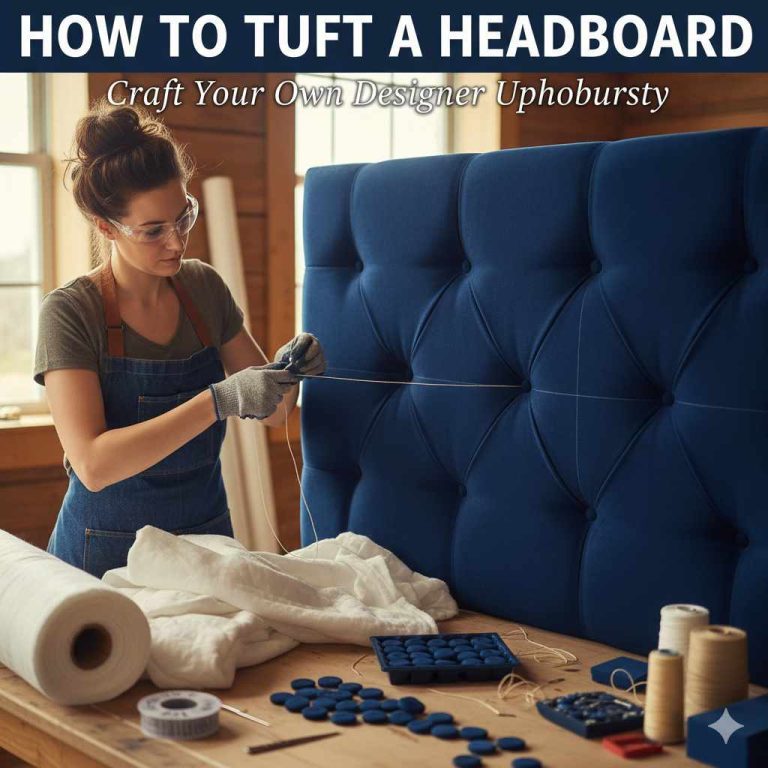
Optional: Upholstery for Comfort
If you prefer a soft touch, upholstering foam is surprisingly simple. This is usually done before Step 8, but you can modify it afterwards.
| Material | Purpose |
|---|---|
| 1-2 Inch Foam Pad (High Density) | Cushioning layer. Cut to match the headboard panel size. |
| Batting (Polyester Wrap) | Softens edges and covers the foam seams neatly. |
| Fabric | Your choice of durable upholstery fabric. |
Wrap the foam tightly around the wooden panel, secure it to the back with heavy-duty staples, then wrap the batting around that, and finally stretch your outer fabric taut over the batting, stapling it firmly to the wood backing. This creates a professional, tufted look!
Materials Cost Comparison: DIY vs Retail
One of the best motivators in DIY is seeing the savings. While prices fluctuate based on wood type and finish, building your own frame typically results in significant savings for a custom, solid wood build, especially compared to buying a pre-made platform bed of similar quality.
| Component | Estimated DIY Cost (Basic Lumber) | Estimated Retail Cost (Similar Quality) |
|---|---|---|
| Platform Frame Lumber (Queen) | $80 – $120 | $300 – $500 |
| Headboard Panel & Attachments | $50 – $100 (depending on trim) | $250 – $600+ |
| Total Estimated Cost | $130 – $220 | $550 – $1100+ |
Remember, this comparison assumes you already own basic power tools. Even factoring in tool rental or purchase, the savings are usually substantial for a high-quality, customized piece.
Troubleshooting Common Beginner Frame Issues
Even the best plans sometimes hit a snag. Don’t sweat it! These are common fixes that keep your project moving forward.
- The Frame is Not Square: If your corners aren’t 90 degrees, your plywood won’t lay flat. If you’ve already screwed it together, measure diagonally from corner to corner. If the two diagonal measurements are not identical, gently push the longer diagonal inward until they match, then immediately add a temporary brace or re-secure that corner tightly.
- Sagging in the Middle: This means your cross-supports aren’t close enough together, especially if you used cheaper plywood. Add another 2×4 support beam perpendicular to the long side rails, reinforcing the middle section.
- Headboard Wiggles Horizontally: This means the connection between the vertical posts and the platform frame legs isn’t deep enough. You need to use long lag bolts driven through the platform frame into the vertical post, not just small screws attaching the headboard panel to the posts.
If you find yourself wrestling with complex joinery, always remember that specialized hardware exists to make things easier. For example, metal connectors designed for bed rails can sometimes replace difficult angle joints, offering robust support designed specifically for dynamic load-bearing.

Frequently Asked Questions (FAQ)
Q1: Do I need a box spring if I build a wooden platform frame?
A: No. The 3/4-inch plywood deck we installed acts as your support system, providing the solid, flat surface that a box spring usually offers. This is why platform beds are so popular!
Q2: How high should my headboard be above the mattress?
A: Most people find that the bottom of the headboard panel should sit right at the top level of the mattress, or slightly below it, with the decorative elements rising about 20 to 30 inches above the mattress top for a good visual balance.
Q3: Can I attach the headboard to my wall instead of the frame?
A: While possible, attaching only to the wall is less safe. Walls are often just drywall over studs that can shift. Attaching anchors directly into the robust frame structure ensures that when you lean back, the force is absorbed by the massive base, which is much more stable.
Q4: What is the simplest, sturdiest joint for beginners?
A: The pocket hole joint, created using a Kreg Tool Company jig, is widely considered the easiest and strongest beginner-friendly joint. It creates tight, durable connections while hiding screws inside the frame.
If you don’t own a pocket hole jig, a basic butt joint reinforced with 2.5-inch deck screws and proper pilot holes works very well. For extra strength, add wood glue before driving the screws. The key is ensuring your corners are square and your screws are long enough to penetrate deeply into the adjoining board.
Final Conclusion: Build Once, Sleep Better for Years
Building your own bed frame with a headboard is more than just a weekend DIY project — it’s a smart investment in strength, comfort, and personalization. Instead of relying on mass-produced furniture that may wobble or wear down over time, you now have the knowledge to construct a sturdy, long-lasting platform tailored exactly to your mattress and bedroom space. By using solid 2×4 framing, reinforced center supports, durable 4×4 legs, and securely mounted headboard posts, you create a structure designed for stability and everyday use.
Beyond durability, the real advantage lies in customization. You control the height, the finish, the style, and the overall presence of the piece. Whether you choose a minimalist wooden panel, a rustic slat design, or a fully upholstered headboard, your bed becomes a statement piece built by your own hands. That sense of craftsmanship adds value no store-bought frame can match.
Most importantly, this project proves that high-quality furniture doesn’t require advanced carpentry skills — just proper planning, accurate measurements, and careful assembly. With patience and the right materials, even beginners can achieve professional-level results. Start building, trust the process, and enjoy the confidence that comes from sleeping on something you built yourself.
Products related to this article
Sponsored / affiliate links. As an Amazon Associate I earn from qualifying purchases. I may earn additional commission from eligible campaigns.