How Wide Is A Queen Headboard? Essential Secrets
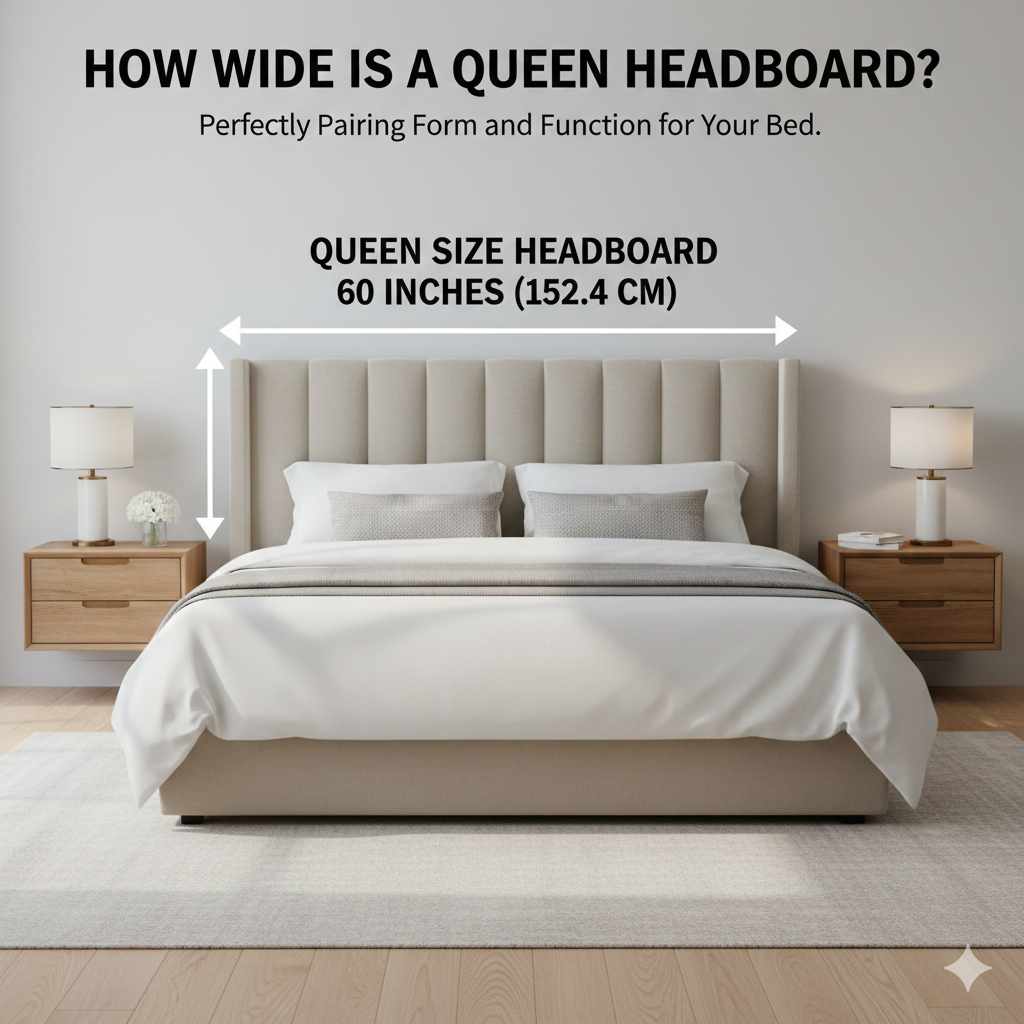
A standard Queen headboard is typically 60 inches wide, matching the width of a Queen mattress. However, several styles, like panel or sleigh beds, can extend past this measurement significantly, often reaching 65 to 75 inches wide. Always measure your frame and mattress first to ensure a perfect fit.

Sasttie
Sasttie Headboard Pillow Queen, Wedge Pillow Headboard,…
- Ultimate Comfort: Filled with 40% 7D silicified fiber and 60% 3D polyester fiber, the 59x20x10 inches headboard pillow queen provi…
- Versatile Use: The pillow headboard is designed to meet your needs in any position. It can be placed on your bed as a reading pill…
- Convenient Design: The wedge headboard pillow's cover made of soft velvet comes with a metal zipper for easy removal and cleaning.…
As an Amazon Associate I earn from qualifying purchases.
Buying a new headboard should be exciting, not confusing! You’ve picked out the perfect mattress, and now you need the stylish finishing touch for your bed. But wait—you run into a snag. You check the box that says “Queen,” but the headboard dimensions look… big. Why is “Queen” not just one set size? It’s a common roadblock, and it trips up many beginners setting up a master bedroom. Don’t worry; we’re going to clear up the confusion right now. Think of me as your trusty friend walking you through this simple measurement check. We will break down the standard sizes, explain where the extra inches come from, and show you exactly how to measure so your new purchase looks great and fits perfectly against your wall. Getting this small detail right makes a huge difference in your room’s look and feel!
The Golden Rule: Standard Queen Mattress Dimensions
Before we look at the headboard, we must know what we are attaching it to: the frame and the mattress. In the world of beds, the mattress size sets the foundation for everything else.
What Size is a Queen Mattress?
A Queen mattress is the most popular standard size in the United States. It offers that sweet spot between a full bed and a king bed—plenty of room for couples without taking over the entire room.
Width: 60 inches (5 feet)
Length (Height): 80 inches (6 feet, 8 inches)
This 60-inch width is your baseline number. When you see a listing for a “Queen Headboard,” the core structure is designed to align with these 60 inches.

How Wide Is A Queen Headboard? The Standard Answer
As mentioned, the simple answer is that a standard Queen headboard is designed to be 60 inches wide. This is because it needs to line up perfectly with the bolts or brackets attached to a standard Queen bed frame.
However, once you start looking at different styles, that 60-inch measurement starts to stretch. This is where the “secrets” come in. These extra inches are intentional design choices, not manufacturing errors.
Understanding “Frame Width” vs “Overall Width”
This is the most important concept for beginners to grasp:
1. Frame Width (or Mounting Width): This is the actual measurement where the headboard is designed to attach to the bed frame. For a Queen, this is almost always 60 inches.
2. Overall Width: This is the total width of the headboard, including any decorative side panels, wings, or extra molding that extends past the mattress.
If you buy a wingback headboard, the wings sticking out might mean the overall width is 72 inches, even though the center section lining up with your mattress is 60 inches.
Decoding Different Queen Headboard Styles and Their Widths
Different styles dictate how much extra width you can expect. Knowing these common designs helps you shop smarter and avoid surprises when the delivery truck arrives.
1. Platform and Simple Panel Headboards (The Closest Fit)
These are the most straightforward types of headboards. They are usually just a flat panel or a padded piece of upholstery.
Typical Overall Width: 60 inches to 62 inches.
Why the extra 0–2 inches? Often, this small overhang is just the finished edge or slight padding that slightly exceeds the frame edge. This is the safest bet if you have very limited wall space next to your bed.
2. Wingback Headboards (The Widest Option)
Wingback chairs are popular, and the headboard version mimics that cozy, enveloping look. The “wings” project forward slightly or stick out to the sides.
Typical Overall Width: 65 inches to 78 inches.
Design Note: If the wings point straight outward, the overall width can be substantial. Make sure you check the full advertised width, especially if the wings are deep. Because these are so much wider, they often look best in larger bedrooms.
3. Sleigh and Footboard Matching Sets
Sleigh beds have distinct, rolled ends that wrap around the corners. Sometimes, the headboard echoes this curved, substantial look.
Typical Overall Width: 63 inches to 68 inches.
Consideration: These often require more room on either side because the curve takes up space visually and structurally.
4. Headboards with Integrated Nightstands
Some modern or modular headboard systems come with built-in shelving or small tables attached directly to the sides.
Typical Overall Width: Often starts at 100 inches or more, as they are essentially two headboards connected by a central panel, designed to replace traditional nightstands.
Warning: Read the description carefully! If it says “Queen System Headboard,” the 60-inch center is still for the Queen mattress, but the total unit is much wider.
Table: Width Guide for Common Queen Headboard Types
For quick reference, here is a comparison of the expected measuring differences. Remember, these are guides; always trust the specific product specifications.
| Headboard Style | Standard Mattress Width (for Reference) | Typical Overall Width Range | Key Consideration |
|---|---|---|---|
| Simple Panel / Upholstered | 60 inches | 60 to 62 inches | Minimal extra space needed. |
| Slightly Framed / Moulded | 60 inches | 62 to 64 inches | Small trim extends past the mattress edge. |
| Wingback (Wings Flush to Wall) | 60 inches | 65 to 72 inches | Wings add significant width; measure side-to-side clearance. |
| Integrated System (with Shelves) | 60 inches | 90 to 120 inches | Treat this as a full wall unit, not just a headboard. |
Step-by-Step Guide: How to Measure for Your Queen Headboard
You wouldn’t buy tires without knowing your car’s bolt pattern, right? The same detail applies here! Proper measurement ensures a stress-free setup and a beautiful look. This process is simple, even if you’ve never measured furniture before.
Tools You Will Need
Gather these simple tools before you start:
A reliable tape measure (the flexible kind works best for soft furniture, but a standard metal one is fine).
A friend to help hold the tape measure steady (optional, but helpful).
A notepad and pen, or your phone’s notes app.
Phase 1: Measuring the Existing Mattress and Frame
First, we confirm the space you must fit into.
1. Measure the Mattress Width: Measure directly across the top edge of your Queen mattress from the left side seam to the right side seam. Confirm it is 60 inches.
2. Measure the Bed Frame Width: If your mattress has a thick border or pillow-top cover, the frame might be slightly narrower. Measure the actual metal or wood frame where the headboard mounting brackets attach. This confirms the 60-inch mounting point.
3. Check Mounting Holes (If keeping the frame): If you are reusing an existing Queen frame, check where the headboard attachment holes are located. These holes are traditionally set for 60 inches apart, but older or non-standard frames can vary slightly. You can find general standards for bed frame attachment points from organizations that help standardize furniture manufacturing, promoting interchangeability between brands.
Phase 2: Measuring Your Available Wall Space
This is crucial, especially for wider styles like wingbacks.
1. Measure Total Clear Wall Space: Measure the distance between any permanent fixtures on either side of where the bed sits. This might be a window frame, a closet door edge, or a wall corner. This is your absolute maximum width limit.
2. Account for Side Clearance: Do you need space next to the bed for a nightstand? If your nightstand is 18 inches wide, you need at least 18 inches of clear space on the wall pastthe edge of the headboard.
3. Measure Headboard Height (Bonus Tip): While we are focused on width, check the height too. Standard headboard heights often range from 48 to 60 inches. Make sure it clears any lower windowsills or picture rails you have installed high on the wall above your bed.
Phase 3: Comparing Product Specs to Your Space
When you look at a headboard online or in a store, you need to look past the title “Queen Headboard.”
1. Find the Specification Sheet: Always locate the exact product dimensions. They are often listed near the Q&A section or in the detailed description.
2. Compare: If your room can only handle 65 inches wide wall-to-wall, you must choose a headboard explicitly listed as 65 inches overallor less. If you love a wingback that is 75 inches wide, but you only have 70 inches of space, sadly, it won’t fit the way you want it to.
This careful measuring process takes ten minutes, but it saves you the headache of returns and frustration later!
Why Do Headboard Widths Vary So Much? The Expert Insight
As someone who has looked at thousands of pieces of furniture and frames, I can tell you the variance isn’t random; it serves specific design and functional purposes.
1. Form Follows Function (Ergonomics and Comfort)
The primary reason for extra width is increased comfort and visual presence. A 60-inch wide mattress looks a bit small against a massive wall. Designers add slight flares or padding to make the headboard look proportional to the large scale of a Queen mattress. It creates a more grounded, luxurious feel.
2. Defining the Sleep Zone (Wingbacks)
Wingback designs originated in old English furniture meant to shield occupants from drafts near a fireplace. Today, they offer psychological comfort. The wings create a cozy “nook” around the sleeper. To properly create this nook, the wings must extend past the edge of the mattress. This pushing outward naturally increases the overall foot-print width.
3. Integration with Furniture Sets
When a headboard is part of a larger bedroom collection (like a storage wall or a matching entertainment center setup), the manufacturer needs the piece to integrate smoothly with the other components. If the adjoining piece is 70 inches wide, the headboard must match that width, even if the mattress is only 60 inches.
When to Choose a Wider Headboard
You should opt for a wider headboard (65+ inches) if:
You have a very large master bedroom where a standard 60-inch piece might look lost.
You prefer the deep, enveloping look of a wingback design.
You plan to use the headboard to visually incorporate side tables or shelving.
Do All Queen Headboards Have to Mount to the Frame?
This is another common question for beginners. The old-school way was always bolting the headboard directly to the metal bed frame using standard slots. Now, many options offer more flexibility.
Mounting Methods Explained
| Mounting Method | Description | Flexibility in Width | Suitability for Beginners |
| :— | :— | :— | :— |
| Direct Bolt-On | Headboard attaches directly to pre-drilled holes on the bed frame rails. | Low. Width is fixed by frame holes (usually 60″). | High, if the frame is standard. |
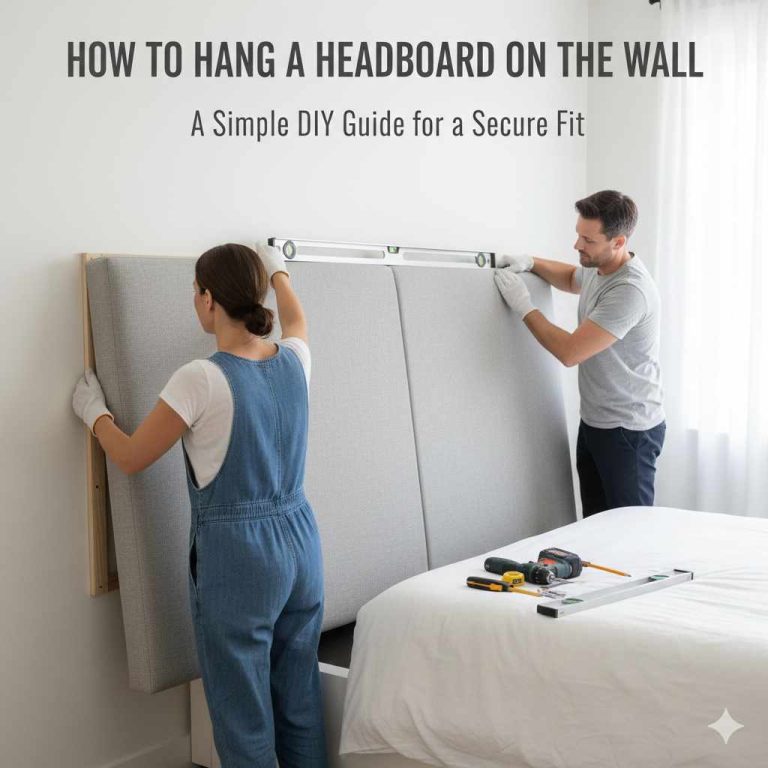
| Wall-Mounted | Headboard attaches directly to studs behind the wall; the frame slides underneath later. | High. You decide exactly where the center point is. | Medium. Requires drilling into studs for safety. |
| Floor-Standing | A large panel rests on the floor and is secured to the frame, or it simply stands securely due to its weight and backing braces. | Medium. The structure itself may be wider than 60″. | High. Simplest installation, little alignment needed. |
If you choose a wall-mounted option, you gain complete control over the centering and the overall width appearance. For example, you can center a 66-inch headboard over a 60-inch mattress, leaving the extra 3 inches on each side to frame the mattress perfectly.
Practical Purchase Advice: What to Do If You Are Between Sizes
Sometimes, you fall in love with a headboard advertised as a “Full/Queen” option. Full mattresses are skinnier (54 inches wide). A Full/Queen combination headboard is usually 60 inches wide to accommodate the Queen, but it might have slightly off-center mounting points or look odd with the narrower Full frame.
Tip 1: Prioritize the Queen Frame
If you own a Queen mattress, always buy a headboard explicitly labeled “Queen.” The mounting hardware and bracket system are engineered for the 60-inch spacing.
Tip 2: The Appearance of Overhang
If you have a 60-inch mattress and a 64-inch headboard, leaving 2 inches of the headboard showing on either side of the mattress can look quite stylish and intentional. It mirrors high-end hotel styling. The key is that this 4-inch overhang (2 inches on each side) must fit within your total available wall space. If your wall is tight, stick strictly to 60 inches or 61 inches overall width.
Tip 3: Look for Adjustable Legs
Many manufacturers include metal legs that slide into the base of the headboard. These legs often allow for minor adjustments in height and sometimes allow the mounting bolts to shift slightly, which can help bridge small gaps if your frame isn’t perfectly standard. Check reliable sources like the [National Institute of Standards and Technology (NIST)] for general construction measurements, though actual furniture mounting can vary more widely.

Frequently Asked Questions (FAQ) About Queen Headboards
Here are quick, easy answers to the questions most beginners have when shopping for size:
Q1: If my mattress is 60 inches wide, can I buy a 70-inch wide headboard?
Yes, you can, provided you have at least 70 inches of clear wall space between any obstructions. The extra 10 inches will be the part of the headboard that extends past your mattress edges, which can look very grand!
Q2: What is the standard center-to-center mounting width for a Queen headboard?
The standard center-to-center distance for the mounting slots on most Queen headboards is 60 inches, lining up perfectly with the 60-inch width of the Queen frame.
Q3: Is a “Full/Queen” headboard the same as a Queen headboard?
Usually, a Full/Queen headboard is 60 inches wide, making it the correct width for the Queen mattress. However, the mounting holes might be designed to accommodate the slightly different frame structure of a Full bed too, so always verify the final width.
Q4: How much smaller than the mattress can the headboard be?
It is highly recommended that the headboard is no smaller than 58 inches wide. Anything too much smaller than the 60-inch mattress starts to look unfinished or like a piece is missing.
Q5: Do wider headboards require a different size bed frame?
No. The headboard width only affects the overall appearance and the required wall space. It does not change the size of the Queen mattress or the Queen frame it bolts onto, which remains 60 inches wide.
Q6: What if my existing bed frame doesn’t line up with the headboard holes?
If you have an older or custom frame, the holes might not match the 60-inch standard. You can often safely drill new, matching holes into the wooden backer board of the headboard, provided you drill neatly and securely. Alternatively, consider a floor-standing headboard that doesn’t rely on frame bolts.
Conclusion: Confidence in Measurement
You are now officially equipped with the essential secrets to buying the right Queen headboard! The key takeaway is simple: while the Queen mattress dictates the 60-inch mounting standard, the style you choose—whether a cozy wingback or a sleek platform—determines the overall visual width. Never assume all Queen headboards look the same width.
By taking those few minutes to measure your available wall space against the stated overall dimensions of the product, you ensure a seamless purchase. You’ve got the right tools, you understand the terminology (Frame Width vs. Overall Width), and you know what to look for in the specs. Go ahead and shop for that stunning centerpiece for your bedroom with total confidence. Happy decorating!
Related pick: Check today's price on Amazon
Products related to this article
Sponsored / affiliate links. As an Amazon Associate I earn from qualifying purchases. I may earn additional commission from eligible campaigns.