How to Anchor a Dresser When You Rent
Anchor a dresser in a rental with the least-damaging hardware that still fits the wall type: a stud-mounted anti-tip strap or bracket is commonly the first choice, and temporary removable fasteners are not a verified substitute for tip-over restraint on a dresser. A loose dresser can tip, scar the wall, and put children or pets at risk.
What you’ll need
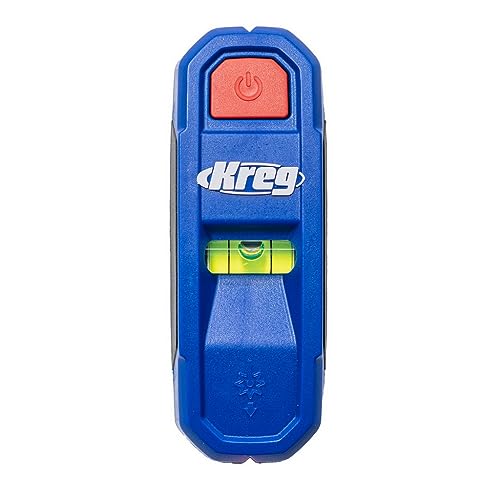


- Dresser anti-tip kit with a wall strap or bracket and screw-in attachment points
- Included hardware, plus separate screws or anchors only if the kit does not cover your wall type
- Stud finder
- Screwdriver or drill
- Drywall anchors, plaster anchors, or toggle bolts matched to the wall
- Masonry fasteners if the rental wall is brick, concrete, or block
- Tape measure and level
- Pencil and painter’s tape
- Optional small-hole patch kit for move-out repairs
How do you choose the safest renter-safe anchor?
Start with the lease, then match the fastener to the wall and the risk. If drilling is allowed, a stud-mounted strap is usually the strongest option. If drilling is limited, use the least-invasive fastening method the lease allows, but treat that as a compromise, not equal protection. Check the manufacturer’s stated load rating for the strap, bracket, and anchor, and do not assume an unmarked removable adhesive product is rated to restrain tip-over loads.
How dressers tip in real use
Tip-over risk rises when drawers are extended, especially on tall or top-heavy dressers. The risk also rises in bedrooms shared with children or pets, or anywhere drawers tend to stay open while someone sorts clothes. Even a level dresser can move if the load shifts forward.
Suppose a tall wardrobe sits in a narrow bedroom alcove near a window. If two drawers are open at once, the center of mass moves forward fast. That is the kind of setup where a wall strap and a solid wall fastener matter more than a decorative choice.
Dresser anchor decision table
| Wall type | Lease tolerance for drilling | Dresser risk | Safest practical option |
|---|---|---|---|
| Drywall | No drilling | Low | Temporary renter-safe fastener with removable strap or bracket |
| Drywall | Small holes only | Medium | Stud-mounted strap if a stud is available; otherwise a drywall anchor rated for the load |
| Drywall | Permanent mounting allowed | High | Stud-mounted fastener with anti-tip strap or bracket |
| Plaster | No drilling | Low | Temporary renter-safe fastener only, with a move-out plan |
| Plaster | Small holes only | Medium | Plaster anchor or stud-mounted fastener, depending on stud location |
| Plaster | Permanent mounting allowed | High | Stud-mounted fastener first; plaster anchor only when no stud is available |
| Masonry | Small holes only | Medium | Masonry fastener or approved temporary option, based on lease rules |
| Masonry | Permanent mounting allowed | High | Proper masonry fastener or stud-equivalent anchor system |
Wall material matters. Load ratings change with drywall, plaster, or masonry, so the same screw can behave very differently from one apartment to the next. A stud finder helps because a wall stud is commonly the strongest anchoring substrate, and centerline alignment can matter for holding power. No-drill options may reduce damage, but they are still compromised solutions for a dresser compared with a stud-backed strap.
What kind of wall anchors can I use in an apartment?
Use the anchor that matches the wall material and the lease. Drywall anchors, plaster anchors, stud-mounted fasteners, and toggle bolts all exist for different walls, but their holding strength varies by substrate. A stud is best when you can reach one; hollow-wall anchors are the fallback.
Anchor types and tradeoffs
- Stud-mounted fasteners: strongest option when a stud is available and the strap or bracket can land on centerline.
- Drywall anchors: useful when no stud is available, but their holding strength depends on the anchor style and drywall thickness.
- Plaster anchors: better suited to plaster than drywall anchors, since plaster can crack if hardware is mismatched.
- Toggle bolts: strong in hollow walls, but they create larger holes and are less move-out friendly.
If the lease allows only small holes, favor a stud-mounted strap or a compact drywall or plaster anchor. If the lease forbids drilling, do not improvise with oversized hardware just to chase strength; use the least invasive fastening method the lease allows and lower the load in the top drawers.
How do you anchor the dresser?
Attach the strap or bracket to the dresser first, then locate the wall stud or anchor point, and finally fasten the wall side. Keep the dresser level before tightening, because a crooked cabinet can shift after the strap is snug and put extra force on one screw or anchor.
Step-by-step installation
- Check the dresser kit and confirm the hardware matches your wall type before buying extras.
- Attach the strap or bracket to the dresser’s screw-in points. If the dresser has no obvious anti-tip mounting points, use the manufacturer-drilled holes or other solid structural parts specified in the assembly instructions, not thin backer panels or decorative trim.
- Use a stud finder and mark the stud centerline, not just the edge.
- Set the dresser level against the wall.
- Drill only if the lease allows it, then install the wall fastener sized for drywall, plaster, or masonry.
- Connect the strap or bracket to the wall piece and tighten until firm.
- Open and close drawers one at a time, then add load back into the dresser and recheck for movement after each addition.
Suppose a 29 1/2-inch-tall dresser sits in a bedroom with a toddler and a cat. That is a medium-to-high risk setup even if the dresser feels steady by hand. In that case, a stud-mounted anchor is worth the extra effort, because open drawers change the balance faster than most renters expect.
How do you handle an IKEA STORKLINTA?
The STORKLINTA line includes an Anchor and Open safety feature, and IKEA says a wall-anchoring kit is included for the chest of drawers. The 6-drawer version measures 140x48x75 cm, also listed as 55 1/8×18 7/8×29 1/2 inches, and the dresser must be anchored to the wall to open more than one drawer at a time.
STORKLINTA-specific checks
- Use the included wall-anchoring kit before replacing it with separate hardware.
- Confirm the exact attachment points in the assembly instructions.
- Keep the dresser level before final tightening.
- Follow the anchor-and-open requirement before opening more than one drawer at a time.
The 3-drawer STORKLINTA is designed to meet the US Federal Stability Standard, and IKEA warns that the product must be securely anchored to prevent tipping. Before the chest of drawers is anchored, only one drawer can be opened at a time. That rule matters in rental use because the drawer behavior is part of the safety design.
What if my landlord does not allow permanent wall mounting?
If permanent mounting is off-limits, use the least invasive option the lease still allows, then reduce the dresser’s tip risk by loading heavy items in lower drawers and keeping the top clear. Temporary removable fasteners are better than nothing, but they should not be treated as equal to a stud-mounted install or as a verified anti-tip system for a dresser.
Lease-friendly choices
Read the lease for drilling permission, damage and restoration language, and any move-out patch requirement. Security deposits can be affected if holes are larger than allowed or if repairs are sloppy.
New Jersey’s ANCHOR program is a property tax relief program for residents who own or rent property in New Jersey as their main home. That is unrelated to dresser anchoring, but the autocomplete term can mislead searchers. For furniture safety, stay focused on wall type, lease limits, and tip-over risk. (NJ)
Common mistakes
- Skipping the stud when one is available. A stud usually gives the strongest hold and the cleanest repair path.
- Using a drywall anchor in plaster without checking compatibility. Plaster can fail differently and may crack around the fastener.
- Anchoring after loading the top drawers. The dresser is harder to level and the wall fastener gets extra strain.
- Ignoring lease rules. Drilling without permission can affect restoration obligations and the security deposit.
- Leaving the dresser unlevel. A tilt changes the way the anchor carries load.
- Assuming a temporary fastener replaces true tip-over protection. It may reduce damage, but it does not equal a stud-backed strap in a high-risk setup.
How do you hide or repair small anchor holes when you move out?
Remove the strap or bracket, fill the hole with lightweight spackle or wall filler, let it dry, sand it flush, and touch up paint if needed under the lease. The goal is a clean, flat repair that does not draw attention in a move-out inspection.
Dresser repair checklist
- Clear dust from the hole with a dry cloth.
- Press in lightweight spackle until the hole is level with the wall surface.
- Let the filler dry fully.
- Sand flush with fine-grit sandpaper.
- Touch up paint if the lease requires color matching.
- Check the wall from arm’s length and under side light for raised filler or dents.
Before handing back the keys, confirm that the wall is clean enough for the lease standard and that no anchor hardware is left behind. If the hole is larger than expected, a mesh patch or drywall repair may be needed instead of simple filler.
Frequently asked questions
How do you anchor a dresser to the wall as a renter?
Use a dresser anti-tip kit with a wall strap or bracket, then anchor it to a stud whenever possible. If drilling is restricted, choose the least invasive fastening method the lease allows and still follows the lease. Always keep heavy items in lower drawers.
Can I mount a dresser to drywall without drilling big holes?
Yes, but only if the anchor system is rated for the load and the lease allows the fastener style. Smaller drywall anchors or compact temporary straps create less damage than toggle bolts, yet they still need a proper wall attachment point and should not be treated like a stud.
What is the safest anti-tip option for a rental dresser?
A stud-mounted anti-tip strap or bracket is the safest option when your lease allows it and a stud is available. If the lease forbids that, use the least invasive fastening method the lease allows, then reduce top-drawer weight and keep the dresser level.
How do I anchor an IKEA dresser when I rent?
Use the included wall-anchoring kit if IKEA supplies one, verify the exact attachment points in the assembly steps, and anchor before loading the top drawers. For STORKLINTA, the dresser must be anchored to open more than one drawer at a time, and the anchor-and-open feature depends on that setup.
What should I hang above a dresser after anchoring it?
Keep anything above the dresser clear of the anchor path, drawer travel, and top access. Light decor is fine if it does not block the wall strap, but avoid objects that could fall onto an open dresser or make repair access harder during a move-out inspection.
Products related to this article
Sponsored / affiliate links. As an Amazon Associate I earn from qualifying purchases. I may earn additional commission from eligible campaigns.
 Large Picture Hanging Strips Heavy Duty, 32-Pairs(64 Strips) Sticky Picture Hangers for Walls No Damage Wall Picture Hangers Without Nails Refill Adhesive Poster Strips
 APWOJY No Drill Furniture Anchors (4 Pack), Anti-Tip Adhesive Wall Anchors for Baby Proofing, Heavy Duty Furniture Straps for Securing Dresser, Bookshelf, Cabinet (Home Safety Kit)