How Long Should A Sofa Table Be
Choosing the right size for a sofa table can dramatically enhance the look and function of your living space. The sofa table, sometimes called a console table, is more than just a decorative accent, it bridges your sofa and the rest of the room, offering both style and utility. Too short, and it looks awkward; too long, and it overwhelms your seating area. With open-plan homes and multi-purpose spaces on the rise, understanding the ideal dimensions for a sofa table is more important than ever for homeowners and designers aiming to create a harmonious, functional layout.
Whether you’re seeking a place for lighting, storage, or simply to display cherished décor, the length of your sofa table is the foundational decision. This comprehensive guide breaks down industry standards, design principles, and real-world examples to help you choose the perfect sofa table length for your space. We’ll compare options, analyze proportions, offer expert tips, and answer common questions, ensuring you make a confident, informed purchase that elevates both aesthetics and practicality in your home.
Key Takeaways
- Sofa table length should typically be 2 to 6 inches shorter than your sofa for optimal balance.
- Standard sofa tables range from 48 to 72 inches in length, but customization is possible.
- Factors influencing ideal length include sofa size, room layout, and intended use.
- Both modern and traditional interiors benefit from proper sofa table sizing for improved flow and style.
- Measuring accurately and considering clearance behind the sofa are essential for a functional fit.
What Is A Sofa Table? Definitions And Functions
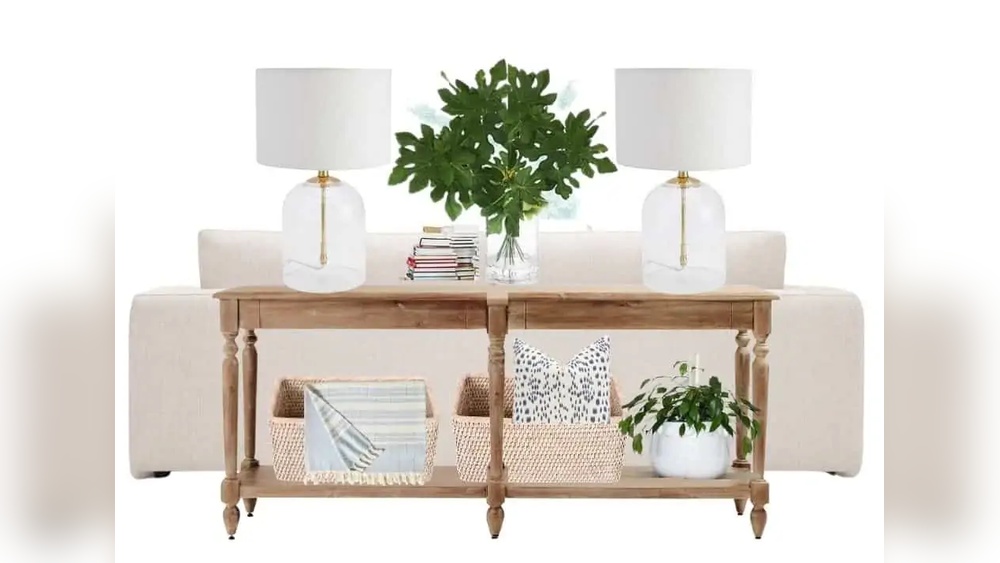
A sofa table is a narrow, long table placed directly behind a sofa or against its back. Unlike a coffee table, which sits in front of the seating, sofa tables are designed to complement the sofa’s rear profile and often serve as a transitional piece between living and dining spaces, or between the sofa and a wall.
Primary Uses Of Sofa Tables
- Display: Show off artwork, books, family photos, or decorative objects.
- Lighting: Provide a surface for lamps to add ambient or task lighting.
- Storage: House baskets, trays, or drawers for remotes, magazines, or blankets.
- Division: Subtly separate open-plan rooms, such as living and dining areas, without blocking sightlines.
- Additional Seating: In larger layouts, barstools can be tucked under for casual dining or homework.
How Sofa Tables Differ From Console Tables
While the terms sofa table and console table are sometimes used interchangeably, there are subtle differences:
- Sofa tables are specifically sized to run parallel to the back of a sofa and are typically similar in height.
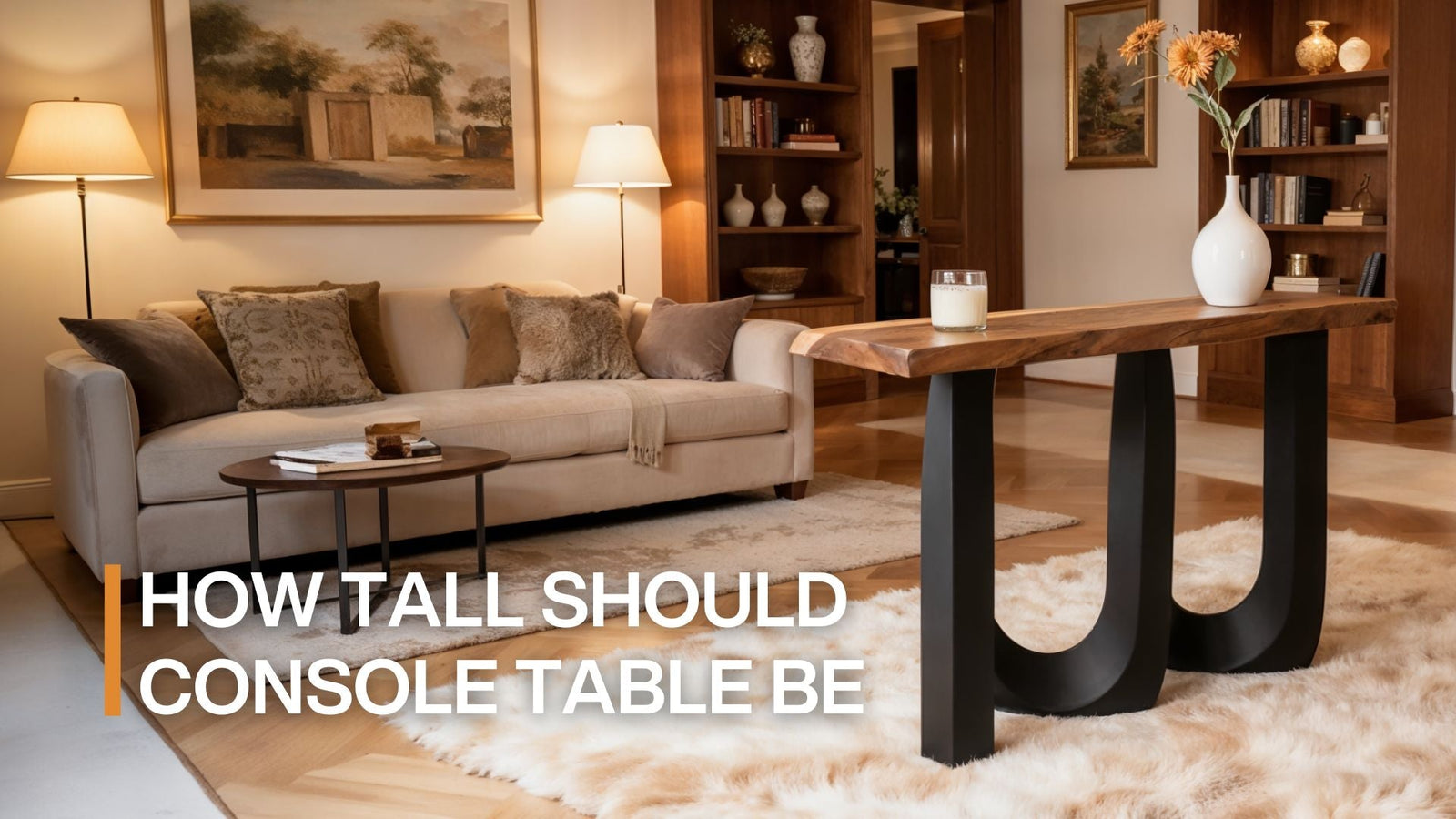
- Console tables may sit against a wall or entryway and are often taller and sometimes narrower.
Typical Sofa Table Dimensions
Standard sofa tables are:
- Height: 28 to 32 inches (matches or slightly below sofa back)
- Depth: 12 to 18 inches (narrow to avoid obstructing walkways)
- Length: 48 to 72 inches (dependent on sofa size)
Pro Tip: Always check the manufacturer’s specifications for both your sofa and table before purchasing, as designs can vary widely.
Credit: flowyline.com
Standard Sofa Table Lengths: Industry Guidelines & Recommendations
Selecting the ideal sofa table length depends on both industry standards and your unique sofa. Let’s explore the most common lengths and how they relate to typical sofa sizes.
Industry Standards For Sofa Table Length
The most widely recommended guideline is:
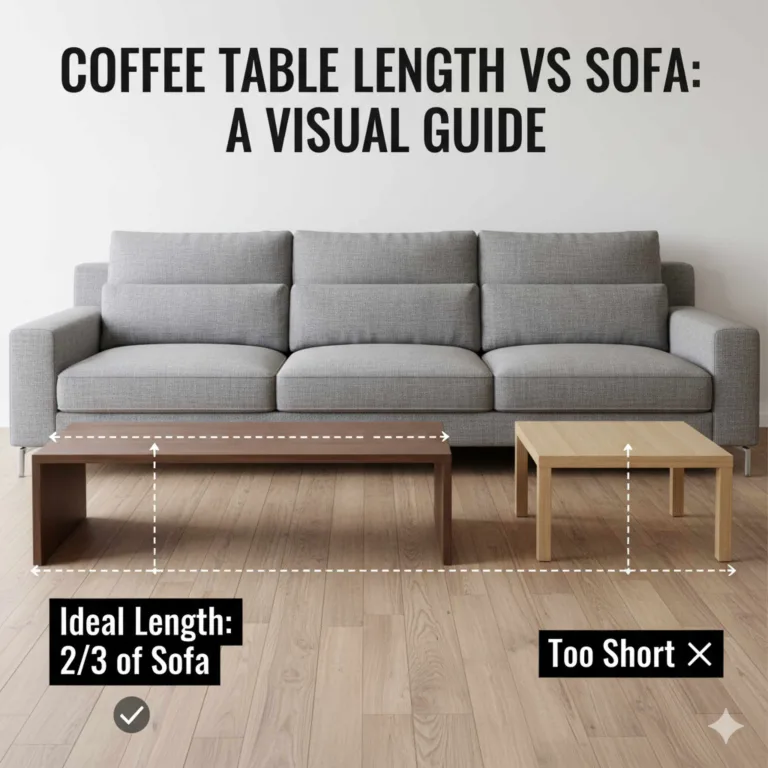
- The sofa table should be approximately 2 to 6 inches shorter than the total length of your sofa.
This keeps the table visually anchored without sticking out past the sofa’s edges, which can look unbalanced and create tripping hazards.
Typical Sofa Table Lengths
| Sofa Length | Recommended Table Length | Common Table Options |
|---|---|---|
| 60 inches (loveseat) | 54 to 58 inches | 48″, 54″ |
| 72 inches (small sofa) | 66 to 70 inches | 60″, 66″ |
| 84 inches (standard sofa) | 78 to 82 inches | 72″, 78″ |
| 96 inches (large sofa/sectional) | 90 to 94 inches | 84″, 90″ |
Why Not Use The Exact Sofa Length?
Designers generally recommend a slightly shorter table for several reasons:
- Visual Framing: A small gap on each end creates a framed look, emphasizing the sofa.
- Safety: Reduces the chance of bumping into sharp corners.
- Versatility: Allows for side tables or floor lamps at the sofa’s end.
When To Deviate From The Standard
There are exceptions:
- Custom Sofas: For non-standard or curved sofas, custom tables may be required.
- Sectionals: Sectionals with a chaise or L-shape may need a shorter, centered table.
- Small Spaces: If space is tight, a much shorter table may be used solely for décor.
Example: In my experience designing a compact studio, I chose a 48-inch sofa table behind a 72-inch loveseat to allow for walking space on both ends, perfect for tight quarters.
Measuring For The Perfect Sofa Table Length
Achieving the ideal sofa table length starts with precise measurement and a clear understanding of your space.
Step-by-step Measurement Process
- Measure the Sofa: Record the overall width of your sofa from outer arm to arm. For sectionals, measure only the straight back portion.
- Determine Table Length: Subtract 4, 6 inches from the sofa width to find your maximum table length.
- Check Room Layout: Ensure at least 24, 36 inches of clearance behind the table for comfortable passage, especially in high-traffic areas.
- Consider Table Ends: If you plan to add side tables or lamps at the sofa’s end, reduce the table length further.
Pro Tip: Use painter’s tape on the floor to outline the proposed table length before buying, to visualize the fit.
Accounting For Architectural Features
- Radiators/Vents: Avoid blocking vents with your table or décor.
- Baseboards/Trim: Measure from the wall or the back of the sofa, whichever is your intended placement.
- Open Floor Plans: Center the table behind the seating area, not necessarily the entire room.
Height And Depth Considerations
While length is crucial, height and depth matter too:
- Height: Ideally matches or is 1, 2 inches shorter than the sofa back.
- Depth: 12, 16 inches is standard; deeper tables (18″+) may suit large rooms but can impede traffic.
Example: In a recent project, I installed a 14-inch deep table behind a plush 36-inch deep sofa, keeping walkways open and surfaces functional.
Measuring For Unique Sofa Shapes
- Curved Sofas: Choose a shorter, straight table centered on the main curve.
- Reclining Sofas: Allow extra clearance for full reclining motion.
Matching Sofa Table Length To Sofa Size And Room Proportion
A well-proportioned sofa table enhances your design, while mismatched sizes can throw off the entire room’s balance.
Proportion Rules For Sofa Tables
- Length: ⅘ (80%) the length of the sofa is a classic designer ratio.
- Height: Within 2 inches of the sofa’s back.
- Depth: Should not protrude more than halfway into the walkway behind the sofa.
Visual Balance & Design Principles
- Symmetry: Centering the sofa table aligns the focal point in living spaces.
- Negative Space: Leaving small gaps on each end draws the eye to the sofa, not just the table.
- Layering: Use the table as a backdrop for art or lamps, adding depth to your décor.
Room Size And Table Length
| Room Size | Recommended Table Length | Considerations |
|---|---|---|
| Small Room (<150 sq. ft.) | 48, 54 inches | Leave plenty of walkway space |
| Medium Room (150, 300 sq. ft.) | 60, 72 inches | Table can nearly match sofa length |
| Large Room (>300 sq. ft.) | 72, 90 inches | Consider custom or oversized tables |
How Interior Styles Affect Table Length Choices
- Modern/Minimalist: Shorter, sleeker tables highlight clean lines.
- Traditional: Longer tables with ornate details suit classic sofas.
- Eclectic/Bohemian: Mismatched or repurposed tables add character, but ensure they don’t overpower the sofa.
Pro Tip: If your sofa has dramatic arms or a sculptural back, choose a table that doesn’t compete visually, sometimes shorter is better.
Real-world Example
A designer in New York selected a 60-inch, glass-topped table for a 72-inch velvet Chesterfield sofa in a 200-square-foot apartment, maintaining ample negative space and letting both pieces shine.
Custom Vs. Ready-made Sofa Tables: Which Should You Choose?
When standard lengths don’t fit your needs, you may consider custom sofa tables. Here’s how to decide if custom or ready-made is best for you.
Advantages Of Ready-made Sofa Tables
- Affordability: Mass-produced tables are often less expensive.
- Availability: Immediate purchase, no waiting for fabrication.
- Standard Sizes: Fit most sofas, especially popular widths (48″, 60″, 72″).
Benefits Of Custom Sofa Tables
- Tailored Fit: Perfect for unique sofa sizes, curves, or tight spaces.
- Material and Finish Choice: Match existing décor exactly.
- Special Features: Add drawers, shelves, or outlets as needed.
Cost Comparison: Custom Vs. Ready-made
| Table Type | Average Price Range | Lead Time |
|---|---|---|
| Ready-Made (48, 72″) | $150, $800 | Immediate to 2 weeks |
| Custom (any length) | $500, $2,500+ | 4, 12 weeks |
*Source: Data compiled from top US furniture retailers and custom woodworking shops.*
When To Opt For Custom
- Non-standard sofa length
- Curved or sectional backs
- Specific material or finish needs
- Integrated technology (charging ports, lighting)
When Ready-made Works Best
- Standard sofa sizes
- Budget constraints
- Quick room refresh
Example: One client with a 90-inch mid-century sofa found no ready-made tables long enough, so a local carpenter built an 86-inch walnut table with hidden cable management, a perfect fit.
How Table Length Influences Functionality And Traffic Flow
Getting sofa table length right isn’t just about looks, it’s also about how easily people can move and use the space.
Table Length And Walkways
- Minimum Clearance: Leave at least 24 inches between table and wall or other furniture for easy passage.
- High-Traffic Areas: In open layouts, a shorter table can improve flow.
- Behind-the-Sofa Seating: For barstools, choose a table length that allows 24, 30 inches per seat.
Accessibility For Storage And Decor
A longer table provides:
- More Storage: Greater surface area for baskets, trays, or bins.
- Ample Display Space: Room for multiple lamps, books, or seasonal décor.
But too long can:
- Block Outlets: If a table covers wall outlets, it limits lamp placement.
- Interrupt Sightlines: Especially important in spaces with views or open layouts.
Table Length And Multi-functionality
Longer tables can double as:
- Workspaces: Add a power strip for laptops or homework.
- Buffet Stations: In open-concept homes, use the table for serving during parties.
Shorter tables are ideal when:
- Space is at a premium
- Only decorative use is needed
Pro Tip: If you plan to use your sofa table as a workspace, opt for a length of at least 60 inches to comfortably accommodate a laptop, lamp, and writing materials.
Safety And Child-friendly Design
- Rounded Corners: Especially on longer tables in homes with children.
- Sturdy Construction: Prevent tipping, particularly on tables over 72 inches.
Example: In a busy family room, a 54-inch table with rounded corners and a sturdy metal frame provided storage without protruding dangerously into play areas.
Sofa Table Length In Different Room Layouts And Styles
The optimal sofa table length can change based on where and how you use it.
Open Plan Living/dining Rooms
- Longer tables (72″+) can visually anchor the sofa and subtly divide living and dining zones.
- Use the table for both décor and practical storage, like serving trays or tableware.
Against A Wall Vs. Floating Sofa
- Against a Wall: Table length can match or be shorter than the sofa, depending on wall length.
- Floating Sofa: Table should never extend beyond the sofa edges, to avoid awkward sightlines.
Sectional Sofas
- Only place the table behind the straight back, not the chaise or angled sections.
- Shorter tables (48, 60″) centered behind the main seating are best.
Small Living Rooms
- Opt for tables as short as 36, 48 inches, especially behind loveseats.
- Choose lighter, open-frame designs to prevent a cramped feel.
Large Living Rooms
- Don’t be afraid of oversized tables (up to 90 inches) if your sofa and room are both large.
- Consider two matching tables spaced apart for a modular look.
Example: A designer in Austin paired two 48-inch tables behind a 110-inch sectional, allowing for both display and hidden storage, and easy movement between the pieces.
Styling Your Sofa Table: Décor, Lighting, And Accessories
Choosing the right length sets the foundation, but styling brings your sofa table to life.
Ideal Placement For Lighting
- Lamps: Leave at least 6, 8 inches from table ends for lamp bases.
- Cords: Ensure the table length aligns with nearby outlets for easy access.
Decorative Groupings
- Odd Numbers: Group accessories in threes or fives for visual interest.
- Height Variation: Mix tall lamps or vases with low trays or books for depth.
Functional Accessories
- Baskets: Use the full length of the table for storage baskets or bins.
- Charging Stations: Integrate a charging pad or hidden outlet for devices.
Seasonal Rotations
- Leave enough open surface (12, 18 inches in the center) for rotating seasonal displays, pumpkins in fall, garlands in winter, vases in spring.
Example Styling Plan
For a 72-inch sofa table:
- 1 table lamp (left end)
- 2 stacked art books (right end)
- 1 low tray with succulents (center)
- Small basket underneath for remotes
Pro Tip: Limit the total number of items to prevent clutter. The longer the table, the more negative space you should leave for a clean look.
Integrating With Other Furniture
- Side Tables: Shorter sofa tables allow for matching side tables at each sofa end.
- Ottomans: Store small ottomans underneath longer tables for extra seating.
Real-world Examples And Case Studies
Let’s look at how homeowners and designers have chosen sofa table lengths for various needs and spaces.
Example 1: Compact Urban Apartment
- Sofa: 72-inch tufted velvet
- Table: 54-inch glass and chrome
- Reasoning: Left 9 inches on each side for floor lamps and ensured enough space to walk behind the sofa to balcony doors.
Example 2: Suburban Family Room
- Sofa: 90-inch sectional
- Table: Custom 84-inch walnut with built-in outlets
- Reasoning: Needed ample surface for lamps, kid storage, and charging, but didn’t want the table to extend beyond the sofa’s arms.
Example 3: Open-concept Entertaining Space
- Sofa: 84-inch leather
- Table: 72-inch reclaimed wood
- Reasoning: Used as both a display for art objects and a buffet station during parties. Left 6 inches on each end for barstools.
Example 4: Historic Home With Odd Layout
- Sofa: 60-inch antique settee
- Table: 48-inch marble-topped iron
- Reasoning: Table is significantly shorter than sofa to fit a narrow walkway in a historic hallway conversion.
Example 5: Multi-functional Loft
- Sofa: 80-inch modular
- Table: Two 36-inch lacquered consoles side by side
- Reasoning: Allowed for rearranging or separating the tables for different needs, and made moving easier in a rental space.
For more on choosing functional home furniture, see Choosing the right canning jar makes preserving food easier.
Common Mistakes To Avoid When Choosing Sofa Table Length
Avoiding these pitfalls will save you time, money, and design regrets.
Buying Too Long
- A table longer than your sofa’s back looks awkward and can impede traffic flow.
Ignoring Clearance
- Not leaving enough space behind the table for walking can make the room feel cramped.
Overcrowding With Décor
- A long table does not mean you should fill every inch. Leave gaps for an airy look.
Mismatched Heights
- A table much taller or shorter than your sofa’s back disrupts visual flow.
Overlooking Outlet Access
- A long table may cover necessary wall outlets, limiting your lighting or device options.
Pro Tip: Always double-check room layout after placing the sofa and before purchasing your table, using tape or cardboard cutouts to simulate the dimensions.
Frequently Asked Questions
How Does The Depth Of A Sofa Table Affect Its Length Choice?
The depth of a sofa table, which typically ranges from 12 to 18 inches, can influence the perceived length and overall footprint of the piece. Deeper tables provide more surface area but can dominate the space, especially in smaller rooms. If you opt for a deeper table, consider choosing a slightly shorter length to maintain balance and avoid overwhelming the sofa or narrowing walkways. Conversely, very narrow tables can be a bit longer without visually crowding the space.
Can A Sofa Table Be Used With A Sectional, And How Should Length Be Determined?
Yes, a sofa table can be used with a sectional, but the table should only run behind the straight portion of the sectional, not along any chaise or angled segment. Measure the straight back of the sectional and apply the same rule: select a table 2, 6 inches shorter than that length. For unusually shaped sectionals, a custom or modular sofa table may be necessary for a seamless fit.
Is It Okay For A Sofa Table To Be Shorter Than Recommended?
Absolutely. A shorter sofa table can still look stylish and provide useful surface area, particularly in smaller rooms or with smaller sofas. If you prefer a minimalist look or need extra clearance for walkways, a table as short as half the sofa’s length can work well. Just ensure the placement is centered and balanced with the rest of the furniture.
What Materials Are Best For Longer Sofa Tables?
For longer tables (over 72 inches), sturdier materials like solid wood, metal frames, or reinforced glass are recommended to prevent sagging and ensure stability. Longer tables made of particleboard or MDF may warp under weight. For maximum durability, opt for hardwoods such as oak, walnut, or maple, or heavy-duty steel construction. Reinforced joints and center supports are also helpful for maintaining longevity.
How Do I Coordinate A Sofa Table With Other Tables In The Room?
To create a cohesive look, match or complement your sofa table with your coffee and side tables using similar finishes, colors, or styles. For example, if you have a walnut coffee table, a walnut or black metal sofa table will create harmony. If mixing materials, keep one element consistent (e.g., all tables with glass tops or similar metal legs). Avoid using too many contrasting styles, which can create visual clutter. For more on pairing different functional pieces, see Canning salt vs kosher salt: What’s the difference.
References
A well-chosen sofa table length enhances both the beauty and utility of your living space. By following the guidelines in this guide, measuring carefully, considering room layout, and prioritizing proportion, you can select a table that not
Products related to this article
Sponsored / affiliate links. As an Amazon Associate I earn from qualifying purchases. I may earn additional commission from eligible campaigns.