Best Shipping Supplies for Kitchenware (2026): we compared
The best shipping supplies for kitchenware are a dish pack box, packing paper, bubble wrap, and a double-wall outer box for fragile pieces. I have seen the wrong mix lead to chips, cracks, stained finishes, and costly returns. This guide shows exactly which supplies to use for plates, bowls, mugs, glassware, and cookware, plus how to pack each material safely.
Quick comparison
| Product | Badge | Best for | Price | ||
|---|---|---|---|---|---|
![Pacific Mailer 2-Pack Anti-Static Bubble Cushioning Wrap Rolls, 3/16" x 17" x 72' ft Total [2 Rolls of 36 Feet] Perforat](https://m.media-amazon.com/images/I/51CuCuwB3rL._SL500_.jpg) |
Pacific Mailer 2-Pack Anti-Static Bubble Cushioning WrapPacific Mailer | Our pick | 2 rolls · 3/16" bubble · Perforated | $21.99
Price as of 30 Sep 2026
|
View |
 |
SWEET DOLPHIN 8 Pack 200LB Heavy-Duty Moving Bags withSWEET DOLPHIN | Pair with it | 8 bags · 24 gal · 180GSM PE | $21.99
Price as of 30 Sep 2026
|
View |
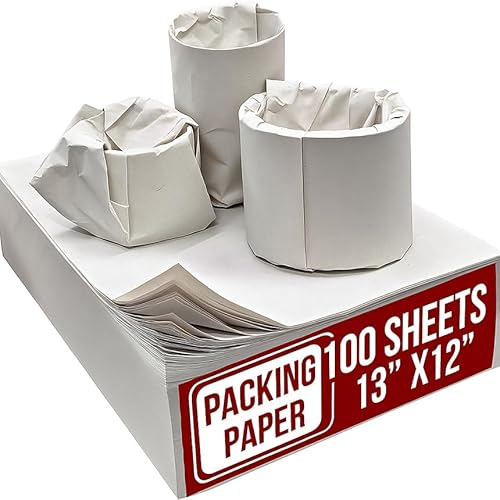 |
13 * 12 inch 100 Small Sheets White Packing Paper SheetsPurple Papers | Budget pick | 100 sheets · 13" x 12" · Unprinted | $5.69
Price as of 30 Sep 2026
|
View |
 |
4 Rolls x 18" x 1500 Feet x 80 Gauge Clear Commercial GradeLifetime Supplies | Upgrade pick | 4 rolls · 18" width · 80 gauge | $57.85
Price as of 30 Sep 2026
|
View |
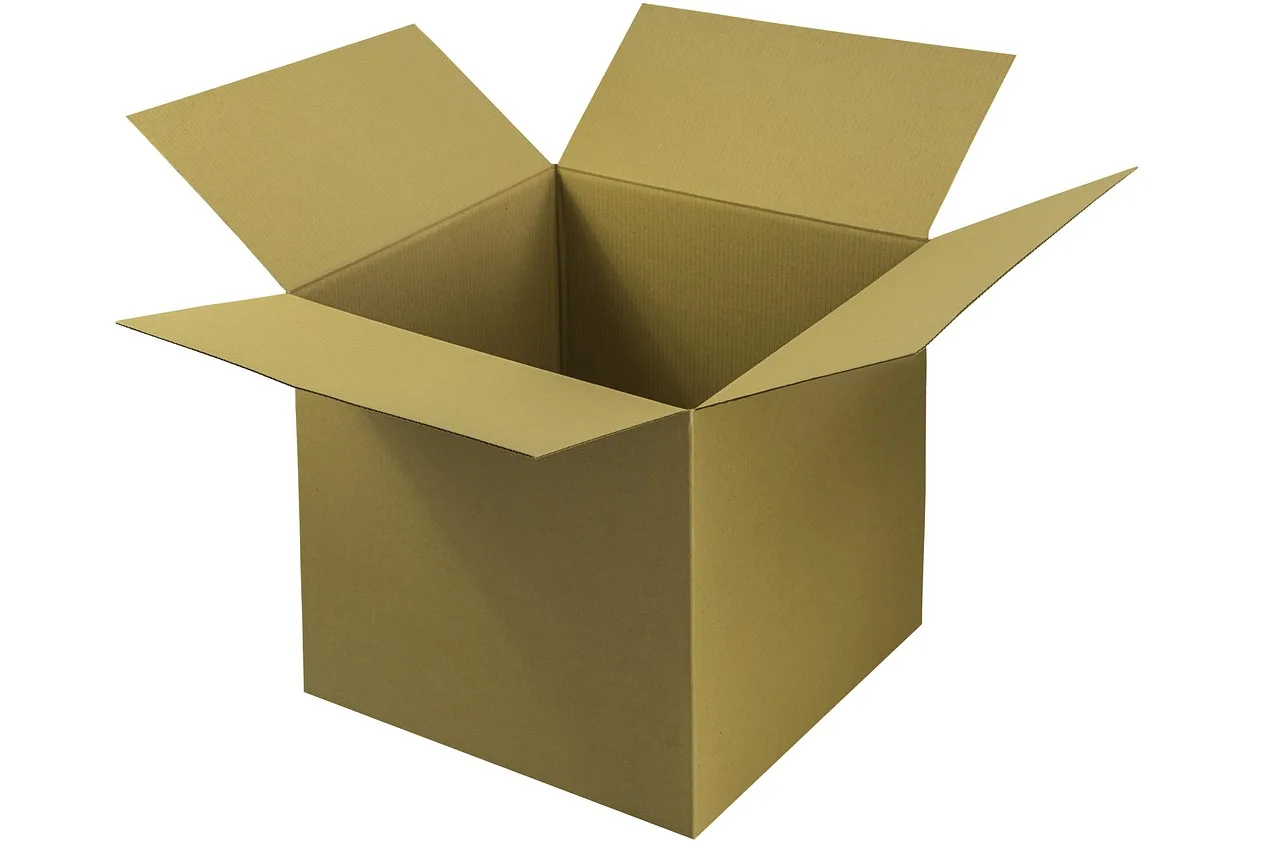
For most breakable kitchenware, the dish pack box is the safest starting point because it gives plates, bowls, mugs, and glassware a carton made for extra padding and cleaner stacking. Bubble wrap and packing paper do different jobs; the best result usually comes from using both in the right order.
How we chose
The shortlist is built around fit, crush resistance, and how well each supply fixes a real packing failure. I also weighed whether a supply helps with reuse, whether it suits repeat shippers, and whether it makes sense for parcel shipping, LTL freight, or white glove handling.
The main filter was material-specific use. Ceramic does not fail like cast iron, and a stemmed glass does not need the same treatment as a wooden lid or a mixed-material sauté pan.
I also looked at practicality. A supply can be good and still be the wrong buy if it is too bulky for a small move or too expensive to use on every low-value carton.

Dish pack box and the core packing system
A dish pack box is the best overall choice for fragile kitchenware because it gives plates, bowls, mugs, and glassware the right carton size, better crush resistance, and cleaner double-boxing. TSI recommends a special box designed specifically for dishes, and it suggests a 16 x 16 x 16 inch box for dish shipping.
That size works because it leaves room for packing paper, dividers, and edge padding without forcing pieces to rub against the carton wall. TSI also says dishes can be packed into a larger 18 x 18 x 18 inch box, which can help when the set is bulky or when you need more void fill around unusually shaped items.
For fragile ceramic and glass items, the dish pack box is the carton that makes the rest of the system work. It is especially useful when you plan to double-box valuable or antique dishware inside a double-wall outer box.
Bubble wrap: best for impact protection
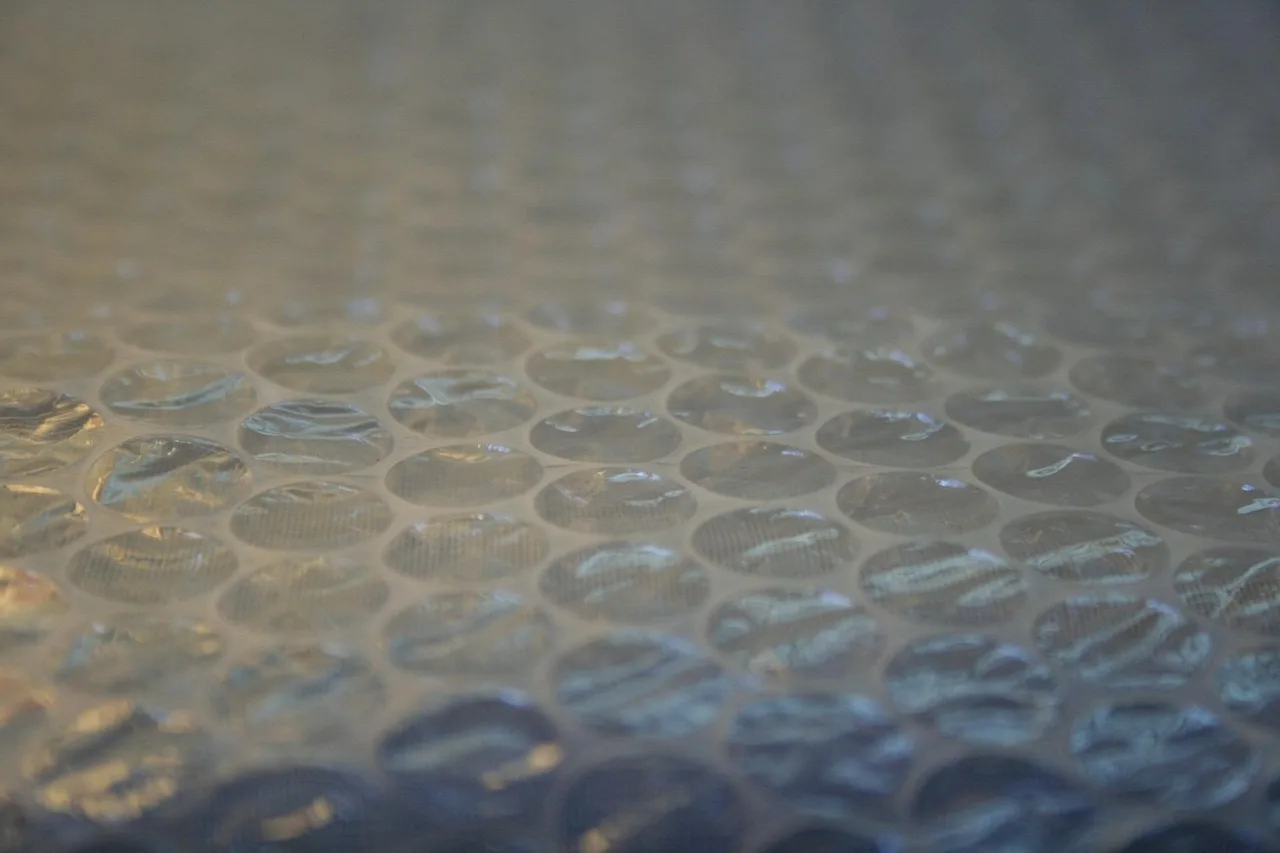
Bubble wrap is best when a piece needs impact protection after it has already been wrapped in paper. It cushions handles, stems, rims, and lids, but it should not sit directly against delicate surfaces on its own. TSI warns that bubble wrap can leave marks if it is placed directly against the dish.
For kitchenware, bubble wrap belongs after the first paper layer. That order matters. Paper keeps surfaces from scuffing and helps stop dye transfer, while bubble wrap takes the hit from bumps and drops that would otherwise chip a corner or crack a stem.
It is most useful for mugs with handles, glass stems, lid knobs, and cookware lids. It is also a smart add-on for oddly shaped pieces that do not stack neatly in a box.
Packing paper: best for wrapping and void filling
Packing paper is the better default for most kitchenware because it separates items cleanly and fills voids without staining surfaces. TSI warns against using newsprint because it can transfer dye to dishes, so unprinted packing paper is the safer choice for plates, bowls, and glassware.
Use multiple small wraps rather than one loose bundle. A plate should be wrapped so the rim and face are both protected, and a bowl should be padded inside and out before it goes into a carton. For nested pieces, paper keeps one item from grinding into the next.
Packing paper is the first material to reach for in a kitchenware box. It does the quiet work that prevents scratches, trapped grit, and edge contact.
When should you use a double-wall outer box?
Use a double-wall outer box when the kitchenware is valuable, antique, unusually heavy, or going a long distance. Double-boxing adds another layer of crush resistance and gives the inner carton room to float inside a buffered shell. TSI says valuable or antique dishes should be insured for their full value.
This is the right move for heirloom china, stemware, fragile serving pieces, and anything with a high replacement cost. It is also the safer choice when a shipment will change hands more than once or when the route includes rough sorting.
Combine the outer box with individual wraps, a stabilized inner carton, and insurance based on full replacement value. If the piece is rare, that extra carton is not excess. It is the difference between a scuffed box and a saved set.
Packing matrix for kitchenware by material
This matrix maps the item, the best supply mix, the box type, padding level, and the main failure risk. It is the fastest way to stop using one-size-fits-all packing for everything in the kitchen.
| Item type | Exact supplies | Recommended box type | Padding level | Main risk notes |
|---|---|---|---|---|
| Ceramic plates | Packing paper, light bubble wrap at edges, cardboard dividers, strong tape | Dish pack box; double-wall outer box for antiques | High | Stacked plates chip at rims and corners if they are packed flat with no divider. |
| Porcelain bowls | Packing paper, small paper wraps inside each bowl, void fill | Dish pack box | High | Nested bowls grind against one another unless each bowl has its own paper barrier. |
| Mugs | Packing paper, bubble wrap over the handle, foam pouch for premium pieces | Dish pack box or small sturdy carton | Medium to high | Handles break first; do not let the handle touch the carton wall. |
| Glassware and stemware | Packing paper, bubble wrap over the paper, dividers, void fill | Dish pack box; double-box for fragile stems | High | Glass stems fail from side pressure and vertical movement in the box. |
| Cast iron cookware | Thick paper wrap, stretch film to hold paper in place, strong tape | Heavy-duty box or reusable moving bag for short moves | Medium | Weight can blow out a weak carton; protect the base and keep weight low per box. |
| Wood, bamboo, and mixed-material items | Packing paper, light bubble wrap only where needed, stretch film for bundling | Sturdy carton sized to the item shape | Medium | Wood dents and scuffs easily; mixed materials can split if one part is over-tightened. |
| Lids | Packing paper, bubble wrap, tape to keep the wrap closed | Small carton or shared carton with dividers | Medium | Loose lids rattle and chip cookware rims, especially on glass and ceramic. |
Which shipping supplies should you buy?
For a small kitchenware move, buy packing paper, bubble wrap, a dish pack box, and a stronger outer box for the most fragile pieces. That setup covers plates, bowls, mugs, and glassware without wasting money on specialty materials that only matter for a narrow slice of items.
If you ship often, the better setup adds reusable supplies. The SWEET DOLPHIN moving bags can work for heavy cookware or non-fragile kitchen textiles, but they are not a replacement for rigid cartons when the load includes breakables. The drawback is simple: bags save storage space, yet they do not give dishes the same crush protection as a box.
For repeat sellers, the Pacific Mailer bubble wrap is practical because it is perforated every 12 inches and uses anti-static nylon. The drawback is that bubble wrap still needs paper against delicate surfaces, so it should be part of a layered system rather than the only cushion.
The Purple Papers packing paper is the clean default for routine packing. It is unprinted, which helps avoid dye transfer, but the small 13 x 12 inch sheets mean larger platters and deep bowls may need extra sheets per item.
The Lifetime Supplies stretch film is most useful for bundling paper-wrapped cookware, securing lids, or keeping loose pieces together inside a carton. The downside is that film is a stabilizer, not a shock absorber, so it should never replace paper or bubble wrap.
Choose parcel shipping for smaller, well-wrapped loads that stay within sensible box weight. TSI recommends several smaller, lighter boxes with a maximum weight of 10 lbs each, and it says a standard set of dishes typically requires 3-4 boxes.
Choose LTL freight when the shipment is part of a larger household move or when you have several heavy cartons that are better palletized. TSI recommends LTL shipping for dishes as part of a larger household move. White Glove shipping is the highest-care option and can include professional packing, which makes sense for valuable or antique kitchenware.
Which one should you buy
If you are packing one mixed kitchen set, start with the dish pack box and packing paper. That pairing solves the most common failure points for ceramic and glass before you spend money on specialty add-ons.
If your load includes mugs, stemware, or anything with a handle or narrow neck, add bubble wrap. Use it over paper, not against the surface.
If you ship antique dishware, buy a double-wall outer box, extra packing paper, bubble wrap, and insurance for full replacement value. That is the combination that gives a fragile item the best chance of arriving intact.
If most of the shipment is heavy cookware rather than fragile dinnerware, use sturdy cartons, paper, and stretch film. For a larger household move with many cartons, compare parcel shipping with LTL freight before you buy more supplies than you need.
Frequently asked questions
What is the best shipping supplies for kitchenware?
The best shipping supplies for kitchenware are a dish pack box, packing paper, bubble wrap, and a double-wall outer box for fragile items. That mix works because paper separates surfaces, bubble wrap cushions impacts, and the dish pack box gives plates, bowls, mugs, and glassware a carton built for packing density.
What supplies do I need to ship dishes safely?
To ship dishes safely, use packing paper for each piece, a dish pack box, tape, and void fill to keep items from moving. For fragile sets, add bubble wrap around the paper layer and use a double-wall outer box when the dishes are valuable or antique.
How do I pack kitchenware so it does not break?
Wrap each item individually, keep surfaces from touching, and fill every empty space so the load cannot shift. Plates and bowls should be separated by paper, mugs need handle protection, and glassware needs both paper and bubble wrap. Heavy pieces should sit in smaller boxes rather than one overloaded carton.
Should I use bubble wrap or packing paper for kitchenware?
Use packing paper first and bubble wrap second. Paper is better for separating plates, bowls, and glasses without leaving marks, while bubble wrap adds impact protection around handles, stems, and lids. TSI warns that bubble wrap can leave marks if it sits directly against the dish.
Do I need a dish pack box for shipping kitchenware?
Yes, for fragile dishes and glassware. TSI recommends a special box designed specifically for dishes, and a 16 x 16 x 16 inch box is a common fit for dinnerware packing. It is especially helpful when you need cleaner double-boxing or when the set includes multiple breakable pieces.
When should kitchenware be double-boxed?
Double-box kitchenware when the items are valuable, antique, especially fragile, or traveling a long distance through several handling points. The outer box should be double-wall for better crush resistance, and the inner box should be fully cushioned so it does not touch the outer carton. Insurance should reflect full replacement value.
Products related to this article
Sponsored / affiliate links. As an Amazon Associate I earn from qualifying purchases. I may earn additional commission from eligible campaigns.