Sofa Cushion Problems and Easy Fixes
Fix sofa cushions by matching the problem to the cause: sliding needs grip, flattening needs loft restoration or replacement, and sagging usually means failed support or worn foam. Using the wrong fix wastes time and can leave seats lumpy, unstable, or hard to sit on. This guide breaks down the three failure modes and shows the best fix for each based on sofa material and cushion construction.
Why are your sofa cushions sliding?



Sliding usually comes from a smooth cushion base, a slick sofa surface, loose covers, or a cushion that is too light for the seat. On leather and some slick fabrics, friction is low, so the cushion shifts before it compresses evenly. If the cushion also sinks, you likely have a support problem too.
Smooth leather and slick fabric surfaces
Leather or silk-like upholstery gives cushions very little grip, so the cushion skates rather than staying planted. Costco groups sofas by material, including leather and fabric, and RoyalComport identifies leather or silk as smooth fabrics with little grip. That means the fix should add friction first, not add more fill.
Loose covers, light cushions, and worn bottoms
Removable cushions can move more than fixed ones, especially on deep seating or tufted sofas with a loose fit. Costco notes many couches have removable cushions for added comfort, and deep seating changes how far a cushion can travel before it catches. A cushion with a worn underside can also slide because the bottom fabric no longer grips well.
When sliding is really a fit problem
If the cushion is the wrong size, the wrong shape, or the cover is too loose, grip fixes only mask the issue. The clue is repeated shifting even after cleaning and adding friction. In that case, a better-fitting cover, cushion, or support change matters more than another adhesive layer.
What fixes keep cushions in place?
For sliding, start with the least aggressive grip fix that matches the sofa surface. Non-slip pads and shelf liner work well for mild movement, Velcro gives a firmer hold, and tape or rubberized grips are better as temporary or light-duty options. Choose the method based on how much the cushion moves, not on appearance alone.
Non-slip pads and anti-slip shelf liner
Non-slip pads are a low-cost DIY fix that is often available at hardware stores or online, and they may help with mild sliding on many fabric or leather couches. RoyalComport says they can be cut to cushion size if needed, and it also recommends cut shelf liner pieces under each cushion. These thin layers add friction without changing the cushion shape much.
- Measure the cushion base. Cut the pad or liner so it sits under the usable footprint of the cushion, not beyond it. A full-size match reduces bunching at the edges.
- Place the friction layer flat. Lay one piece under each cushion and smooth out folds before resetting the cushion. The flatter the layer, the less likely it is to wrinkle or roll.
- Test for movement. Sit down and shift side to side. If the cushion still slides a lot, move to a stronger hold such as Velcro.
Velcro strips for a firmer hold
Velcro strips create a stronger cushion-to-frame hold and still allow cushion removal for cleaning. The same source recommends sew-on or adhesive Velcro strips. Sew-on versions suit fabric covers better, while adhesive versions are faster on smooth, clean surfaces.
- Clean the contact points. Wipe dust from the frame and cushion underside first. Adhesive bonds poorly to lint and debris.
- Attach aligned strips. Place one side on the sofa frame and the matching side on the cushion base. Keep the strips straight so the cushion settles evenly.
- Press and cure fully. Press firmly for several seconds and let adhesive versions set before heavy use. That reduces peeling at the corners.
Double-sided tape and rubberized grips
Double-sided tape is a fast temporary grip fix for short-term use on smooth surfaces, but the wrong tape can leave marks or residue. Rubberized grips are small pads or strips that add friction under cushions and work on most couch materials. Both help when you need a quick fix before a larger repair.
Suppose a leather sofa cushion slides forward an inch every time someone sits down. A thin anti-slip pad may stop mild movement. If the cushion still drifts after that, Velcro is the better next step because it anchors the cushion instead of only increasing friction.
How do you fix flat couch cushions?
Flat cushions need loft restored, not more grip. If the cushion feels soft but still sits level, start with fill redistribution and fluffing. If the cushion remains low after that, the foam or fill is probably worn out and needs replacement rather than a surface fix.
Fluffing and redistribution of fill
RoyalComport advises fluffing cushions daily or weekly, and that routine helps loose fill stay evenly spread. It is useful when the cushion is compressing unevenly rather than collapsing. Cleaning dust first also helps, because debris can reduce the grip between cushion and cover.
- Remove the cushion cover. If the zipper opens, take the insert out and shake the fill toward the corners. This helps restore shape where the foam or fiber has shifted.
- Fluff on a schedule. Beat, massage, or rotate the cushion weekly if it softens unevenly. Routine redistribution slows the return of flat spots.
- Check the fill shape. If the cushion still feels low in the center after fluffing, the fill is no longer recovering enough for daily use.
Foam replacement for permanently soft cushions
Cushion fill or foam replacement is the right move when a cushion is permanently flat or too soft. It restores firmness better than any surface fix and is the more direct answer when the insert has broken down. This may require opening zippers or replacing foam inside the cover.
When a cushion insert is the better choice
Use a replacement insert when the cover still fits but the seat feels dead or bottomed out. A new foam core fixes the support inside the cushion, which is different from correcting slide on the outside. If the cushion bottoms out quickly after you sit, replacement is usually the better path.
What helps a sagging sofa seat?
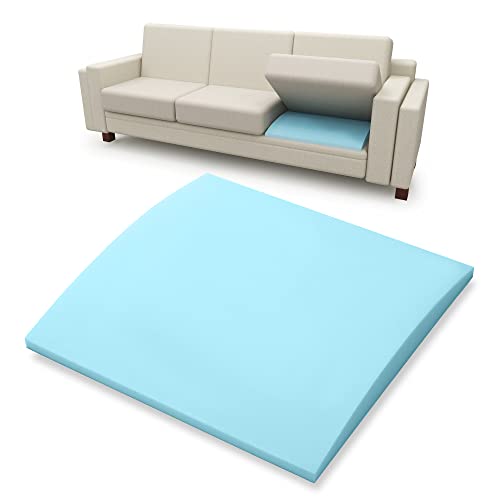
Sagging usually means the support beneath the cushion has weakened, not that the cushion is merely slipping. Sagging cushion support inserts help when the seat has sunk in, while wooden slats help older sofas with loose support. If the frame is broken or the springs have failed, DIY surface fixes will not solve it.
Sagging cushion support inserts
Sagging cushion support inserts are under-cushion boards or panels that add instant lift and firmness. They are more appropriate for sunk-in seats than sliding cushions, and they come in multiple sizes. Use them when the sofa structure is still intact but the seat feels too low.
Wooden slats for older frames
The same source says wooden slats should be attached horizontally across the sofa frame. This is a structural fix for older sofas with loose support, not a cover-up for flat foam. Use screws for stability so the slats do not shift under load.
- Inspect the frame span. Check where the seat drops most and measure the open space beneath the cushions. That tells you how many slats or what size insert will fit.
- Install the support firmly. Fasten wooden slats horizontally across the frame with screws. Loose fastening can create noise and uneven support.
- Recheck seat height. Replace the cushions and sit through the center and edge areas. If the frame still dips sharply, the support system may need repair beyond a slat add-on.
A common first-timer mistake is treating a sagging seat like a sliding cushion. A 3-seat sofa can feel low in the middle even when the cushions stay put, and a friction pad may have limited effect. A support insert or frame repair is the correct path in that case.
Sofa cushion decision table
| Problem type | Sofa material | Cushion type | Best fix | Cost tier | Install difficulty | Reversibility | Expected lifespan | Stop DIY and replace foam/support when |
|---|---|---|---|---|---|---|---|---|
| Mild sliding | Fabric or leather | Removable cushion | Non-slip pads or anti-slip shelf liner | Low | Easy | High | Short to moderate | The cushion still shifts after cleaning and friction layers |
| Frequent sliding | Fabric | Heavier removable cushion | Velcro strips | Low to moderate | Easy to moderate | Moderate | Moderate | The cushion is loose-fitting or the cover no longer fits tightly |
| Temporary grip need | Smooth leather or slick fabric | Light cushion | Double-sided tape or rubberized grips | Low | Easy | Low to moderate | Short | Residue appears, or movement returns quickly |
| Flat cushion | Fabric or leather | Removable cushion | Fluffing, then foam replacement | Low to high | Easy to moderate | Moderate | Moderate to long | The cushion stays soft after fluffing or never regains height |
| Sagging seat | Older sofa frame | Fixed or removable cushion | Sagging cushion support insert or wooden slats | Moderate | Moderate | Moderate | Moderate to long | The frame flexes, springs fail, or the seat still sinks after support is added |
Which fix matches your sofa material?
The sofa material matters because friction and residue risk change from one surface to another. Fabric sofas often accept liner, Velcro, or textured covers well. Leather sofas usually need cleaner, removable solutions with less chance of marking the surface.
Fabric sofas
Fabric sofas can use non-slip pads, shelf liner, Velcro, or textured cushion covers without much trouble. The same source recommends cut shelf liner pieces under each cushion, and textured covers in cotton, linen, or velvet can add friction. Avoid silky or overly smooth fabrics if the goal is to reduce slipping.
The sofa repair page says custom cushion covers are measured and designed to fit the sofa, and poor stitching or improper measurements can cause loose covers. A poorly fitted cover can create the same slide problem you were trying to solve.
Leather sofas
Leather needs a solution that grips without chewing up the finish. Non-slip pads, rubberized grips, and some Velcro setups work well if the surface is clean and dry. Double-sided tape can work on smooth surfaces, but it should be used carefully because the wrong tape can leave marks.
Removable versus non-removable cushions
Removable cushions are easier to fit with pads, liners, or Velcro because you can access both sides. Non-removable cushions usually need under-cushion solutions or frame-based fixes. If the cushion cannot be removed, avoid anything that requires wrapping or sewing around the entire seat.
How do you keep cushions from slipping again?
Long-term stability starts with cleaning and the right fabric choice. Dust, lint, and crumbs reduce grip under cushions, while worn covers and flattened inserts bring the slide problem back. If the materials are worn out, reworking them will only buy a little time.
Cleaning dust from the seat and cushion base
The same source says cleaning with a vacuum cleaner removes dust from cushions and sofa fabric. Follow with a damp cloth on the exposed base if the material allows it. This is maintenance, not a repair, but it improves grip and helps other fixes last longer.
- Vacuum the contact zone. Clean both the sofa seat and the cushion underside before adding pads or tape. Dust acts like ball bearings under pressure.
- Wipe with a damp cloth. Use a lightly damp cloth on safe surfaces to remove fine debris. Let the area dry fully before reattaching adhesive products.
- Reset and test movement. Put the cushion back in place and sit normally. If it still slides, move to a stronger hold or a fit correction.
Cover care and friction-friendly fabrics
Textured cushion covers in cotton, linen, or velvet can add friction and may also change the feel of the seat. They work best when the current cover is too smooth or stretched out. If a cover is silky or overly smooth, it can make sliding worse instead of better.
When to replace worn parts instead of reworking them
Stop DIY when the cushion no longer regains shape, the support beneath it is broken, or the cover no longer fits well enough to stay in place. At that point, replacement is more efficient than adding another layer of friction. That applies especially to cushions that are both sliding and sinking.
Frequently asked questions
How to fix sofa cushions going flat
Fluffing helps if the fill has shifted, especially in removable cushions. If the cushion stays soft or bottoms out quickly, replace the foam or fill. A flat cushion that never rebounds is usually worn out rather than merely compressed.
Products related to this article
Sponsored / affiliate links. As an Amazon Associate I earn from qualifying purchases. I may earn additional commission from eligible campaigns.