Silicone Loofah Versus Pouf: Which Is Better
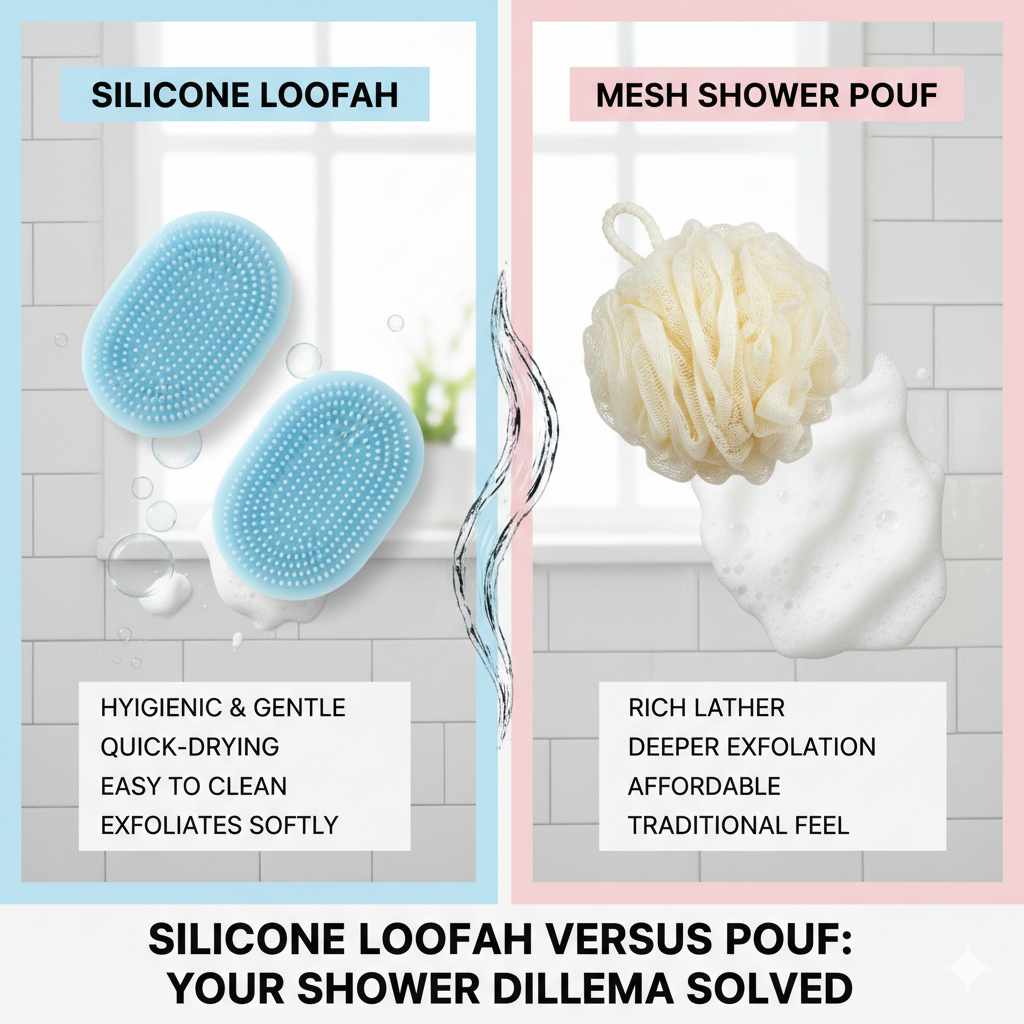
Picking a new shower scrubber can be a little tricky, especially when you see two main choices: the silicone loofah and the pouf. Many people wonder, Silicone Loofah vs Pouf: Which Is Better? It’s a common question for anyone wanting a cleaner, fresher shower experience. Don’t worry, we’ll make it easy.
Boie USA
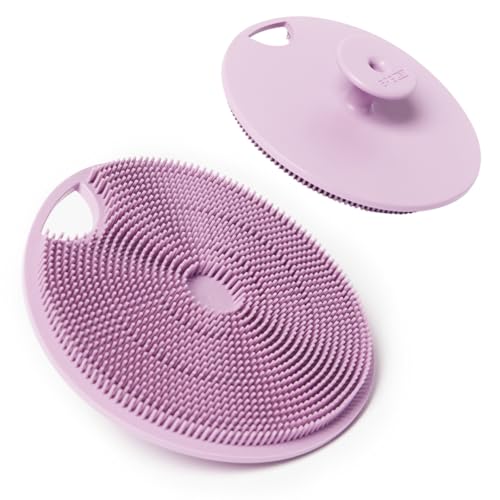
Boie USA Body Scrubber with Handle -…
- Hygienic & Easy to Clean: Ditch the germy traditional loofah pouf that traps and holds impurities. Our hygienic Body Scrubber has…
- Gentle on Sensitive Skin: Designed for all skin types, this feels like silicone body scrubber provides a gentle yet effective clea…
- Fights Flakes & Smooths Skin: Bacne be gone! This exfoliating body scrubber removes dirt, oil, and dead skin, and helps unclog por…
As an Amazon Associate I earn from qualifying purchases.
We’ll walk through everything you need to know, step by step, so you can pick the perfect one for you. Get ready to find out what makes each one special.
Silicone Loofah Advantages
Silicone loofahs offer a unique set of benefits for your daily shower routine. They are known for their hygienic properties and durability, making them a popular choice for many. This section will explore why a silicone loofah might be the right option for you, covering its cleanliness, longevity, and how it feels on your skin.
We will also look at how easy they are to care for.
Hygiene and Germs
One of the biggest pluses of a silicone loofah is how clean it stays. Unlike traditional poufs that can trap moisture and bacteria, silicone is non-porous. This means germs have a much harder time growing on it.
You won’t have to worry about that musty smell or visible mold that can sometimes appear on older loofahs.
Think about it: traditional poufs are made of mesh, which has a lot of tiny spaces. These spaces are perfect homes for soap residue, dead skin cells, and water. All of these can lead to a breeding ground for bacteria and mold.
Over time, this can actually spread germs onto your clean skin, defeating the purpose of scrubbing.
Silicone, on the other hand, is a very smooth material. It doesn’t have the same nooks and crannies where things can get stuck. A quick rinse under the water washes away soap and dirt easily.
This makes it a much more sanitary option for your bathroom. You can feel more confident that your scrubber is actually helping you get clean, not making you dirtier.
Durability and Longevity
Silicone loofahs are built to last. They don’t break down easily like fabric or plastic mesh. This means you can use the same silicone loofah for a very long time without needing to replace it.
This is great for your wallet and also for the environment because you’ll be throwing away less trash.
Many poufs start to look worn out after just a few months. They can become stretched, thin, or even start to unravel. This is because the materials they are made from are not as strong.
They might get snagged on things or simply wear down with repeated use and washing.
A silicone loofah, however, can withstand daily use without showing much wear. It won’t get misshapen or start to fall apart. This long lifespan means you save money in the long run, as you won’t be constantly buying new shower scrubbers.
It’s a one-time purchase that keeps giving.
Gentle Exfoliation
Silicone loofahs are designed to be gentle on your skin while still providing effective exfoliation. The material and its textured surface work together to remove dead skin cells without causing irritation or redness. This makes them suitable for people with sensitive skin who might find other scrubbers too harsh.
The tiny nubs or ridges on a silicone loofah are carefully spaced. They provide just enough friction to lift away dull skin. This process helps to reveal brighter, smoother skin underneath.
It’s like a mini spa treatment every time you shower.
Unlike some scratchy natural loofahs or abrasive brushes, silicone offers a balanced touch. It cleanses thoroughly without stripping your skin of its natural oils. This can help maintain your skin’s moisture barrier, leaving it feeling soft and hydrated after every wash.
Ease of Cleaning and Drying
Keeping your silicone loofah clean is incredibly simple. A quick rinse under running water is usually all it takes to remove soap and dead skin. Because the material is non-porous, it dries very quickly.
This prevents the growth of mold and mildew, keeping your scrubber fresh and hygienic.
After your shower, just hold your silicone loofah under the tap. Most of the soap suds and debris will wash right off. Then, give it a gentle squeeze.
Since it dries so fast, you can hang it up, and it will be ready for your next shower without retaining moisture.
This fast-drying nature is a major advantage over fabric poufs, which can stay damp for hours. Dampness is what allows bacteria and mold to flourish. With a silicone loofah, you minimize that risk.
This means a cleaner tool for a cleaner body.
Traditional Pouf Benefits
The traditional pouf, often made from nylon mesh, has been a shower staple for decades. Its popularity stems from its ability to create a rich lather and its gentle exfoliation. This section will explore why many people still prefer poufs, focusing on their lathering capabilities, affordability, and the pleasant sensory experience they offer.
We will also touch upon their variety and ease of use.
Rich Lather Creation
One of the main reasons people love traditional poufs is their incredible ability to create a thick, luxurious lather. The fine mesh material traps air and soap together, generating mounds of suds. This can make your shower feel more indulgent and satisfying.
When you work a bit of body wash or soap into a pouf, it quickly expands and produces a lot of foam. This airy lather feels soft and fluffy against your skin. For many, this sensation is a key part of a relaxing shower experience.
It feels like you are really getting clean with all those bubbles.
This abundant lather also helps to spread the soap evenly across your body. This means you might use less product overall, which can save you money on body wash. The visual and tactile experience of a foamy lather is something many users find irreplaceable.
Affordability and Variety
Traditional poufs are generally very inexpensive. You can find them at almost any store that sells bath products for just a few dollars. This makes them an easily accessible option for almost everyone.
They are a budget-friendly way to enhance your shower routine.
Beyond being cheap, poufs come in an enormous variety of colors, sizes, and textures. You can find them in bright, fun colors, elegant pastels, or simple neutrals. This allows you to choose one that matches your bathroom decor or simply your mood.
There’s a pouf out there for every personal style preference.
This wide selection means you can easily switch to a new pouf if you want a change of color or a different feel. It’s a low-cost way to refresh your bathroom accessories. For many, the ability to customize their shower with colorful accessories is a big draw.
Gentle Scrubbing Action
While some might think mesh is abrasive, a well-made pouf provides a surprisingly gentle scrubbing action. The soft, flexible mesh glides over your skin, helping to cleanse and exfoliate without being harsh. This makes them a good choice for everyday use for most people.
The way a pouf works is by creating friction with soft, looped strands of nylon. These strands lift away dirt and dead skin cells without scratching or irritating the skin. It’s a mild exfoliation that leaves skin feeling smooth.
This gentle approach is often preferred by those who don’t need deep exfoliation or have skin that reacts easily to rougher materials. The soft texture can feel comforting and relaxing as you wash. It provides a pleasant, cleansing feel.
Sensory Experience
Many people have a strong emotional connection to traditional poufs. The familiar feel of the soft mesh, the smell of their favorite body wash amplified by the rich lather, and the visual appeal of a colorful pouf all contribute to a comforting and routine experience. It’s a sensory comfort that’s hard to replicate.
For years, the pouf has been a fixture in bathrooms. This familiarity can bring a sense of calm and relaxation to the daily routine of showering. It’s a small pleasure that can make a big difference in how you feel.
The act of creating a large amount of lather with a pouf can feel almost therapeutic. It’s a tactile experience that many people enjoy. The soft, airy suds washing over the skin can be very soothing.
This makes the shower a more enjoyable and less purely functional part of the day.
Silicone Loofah vs Pouf Which Is Better For You
Deciding between a silicone loofah and a traditional pouf really depends on what you value most in your shower routine. If hygiene and longevity are your top priorities, a silicone loofah shines. If you prefer a rich lather, variety, and a familiar sensory experience, the pouf might be your go-to.
Let’s break down the key differences to help you make the best choice for your needs.
Hygiene Comparison
When it comes to staying clean, the silicone loofah has a clear advantage. Its non-porous surface resists germ growth much better than the mesh of a traditional pouf. Poufs can harbor bacteria and mold over time, even with regular rinsing and drying.
This is a significant concern for many users.
A silicone loofah is much easier to keep clean and dry. You can rinse off soap residue quickly, and it dries fast, preventing microbial growth. This means a more hygienic scrubbing tool for your skin.
For those concerned about cleanliness and potential skin infections, silicone is the safer bet.
For example, studies have shown that traditional bath poufs can carry a significant amount of bacteria. These bacteria can include E. coli and Staphylococcus.
While not all bacteria are harmful, the presence of these can be worrying. A silicone scrubber avoids these issues.
Lathering and Exfoliation
If you love a super foamy, bubbly shower, a traditional pouf is hard to beat. The nylon mesh is specifically designed to trap air and soap, creating a dense lather that many find satisfying. This rich foam can make your body wash feel more luxurious and spread further.
Silicone loofahs do create lather, but it’s often less voluminous and a bit thinner. They still get the job done for cleaning, but if maximum bubbles are your goal, a pouf wins. However, silicone often offers a more controlled and potentially deeper exfoliation.
The nubs can provide a more targeted scrub.
Consider your skin type and preferences. If you have very dry or sensitive skin, the gentler, more controlled exfoliation of silicone might be better. If you enjoy a vigorous scrub and lots of suds, a pouf is likely your preference.
Cost and Lifespan
The initial cost of a traditional pouf is typically much lower than a silicone loofah. You can buy a pack of poufs for the price of a single silicone scrubber. However, poufs need to be replaced more often due to wear and tear and hygiene concerns, usually every 1-3 months.
A silicone loofah is a more significant upfront investment, but its lifespan is considerably longer, often lasting a year or more with proper care. This long-term durability means you’ll spend less over time by not needing to buy replacements as frequently. This makes it more economical in the long run.
Let’s look at a quick comparison over two years:
| Item | Initial Cost | Replacement Frequency | Total Cost (2 Years) |
|---|---|---|---|
| Traditional Pouf | $2 | Every 2 months (12 per year) | $48 ($2 x 24) |
| Silicone Loofah | $15 | Every 12 months (2 per year) | $30 ($15 x 2) |
As you can see from the table, despite the higher initial cost, the silicone loofah proves to be more cost-effective over a longer period due to its extended lifespan.
Environmental Impact
The environmental footprint of each scrubber is also worth considering. Traditional poufs are often made from plastic materials like nylon. When they are thrown away, they contribute to plastic waste, which can take hundreds of years to decompose.
Frequent replacements mean more waste generated.
Silicone loofahs are also made from synthetic materials, but their extended lifespan significantly reduces waste. By using one silicone loofah for a year or more, you are replacing many poufs. This cuts down on the frequency of manufacturing and disposal.
Some silicone products are also recyclable, though this depends on local facilities.
For example, if a typical person uses 6 poufs per year, over 10 years that’s 60 poufs contributing to landfill. If they use one silicone loofah per year, that’s only 10 items over 10 years. This reduction in waste is a major benefit for the environment.
Ease of Use and Care
Both silicone loofahs and poufs are generally easy to use. You apply your body wash, create lather, and scrub. However, care is where they differ.
Silicone loofahs are exceptionally easy to clean and dry. A quick rinse under the tap is usually sufficient, and they dry very fast.
Poufs require a bit more attention. While rinsing is easy, they retain moisture for longer, making them more prone to mold and mildew. Proper drying is crucial, often requiring them to be hung in a well-ventilated area to dry completely.
Some people also choose to sanitize their poufs regularly.
Scenario 1: Sarah dislikes fuss. She wants a shower tool that’s easy to clean and doesn’t require special drying attention. She can just rinse her silicone loofah and hang it, knowing it will be dry and clean for her next shower.
Scenario 2: Mark enjoys the feeling of a lot of suds. He uses a small amount of body wash and loves how his pouf creates a mountain of foam. He doesn’t mind rinsing it well and hanging it to dry properly each day.
Frequently Asked Questions
Question: Are silicone loofahs truly more hygienic than poufs?
Answer: Yes, silicone loofahs are generally considered more hygienic because their non-porous surface resists the growth of bacteria and mold much better than the mesh of traditional poufs.
Question: Can a silicone loofah exfoliate my skin effectively?
Answer: Yes, silicone loofahs are designed with textured surfaces that provide effective exfoliation, removing dead skin cells without being too harsh for most skin types.
Question: How often should I replace a traditional pouf?
Answer: Traditional poufs should typically be replaced every 1 to 3 months, or sooner if they start to look worn, discolored, or develop an odor, due to hygiene concerns.
Question: Do silicone loofahs create a good lather?
Answer: Silicone loofahs do create lather, but it is usually less voluminous and airy than the lather produced by a traditional pouf, which is designed to maximize suds.
Question: Which option is better for the environment?
Answer: Silicone loofahs are generally better for the environment due to their extended lifespan, which significantly reduces waste compared to the frequent replacement of traditional poufs.
Conclusion
When deciding between a silicone loofah and a pouf, consider your priorities. For a more hygienic and long-lasting option that’s easy to clean, the silicone loofah stands out. If you love lots of suds, variety, and a familiar feel, the traditional pouf is a great choice.
Both can help you get clean, but they offer different benefits. Pick the one that fits your lifestyle best.
Related pick: Check today's price on Amazon
Products related to this article
Sponsored / affiliate links. As an Amazon Associate I earn from qualifying purchases. I may earn additional commission from eligible campaigns.