Pouf Stuffing Problems and How to Fix Them
Fix pouf stuffing problems by matching the repair to the failure: add 10% to 20% fill for mild sagging, replace flattened foam or fiber when the core no longer rebounds, and stop before the cover feels drum-tight. If you ignore the issue, a bad refill can stretch seams, warp the shape, and make the pouf sit unevenly or fail sooner. This guide shows how to diagnose flat, lumpy, and underfilled poufs, then choose repair, restuffing, or replacement based on shell and fill type.
How to spot the stuffing problem



Identify the failure mode before you add fill. A flat pouf usually lacks volume everywhere, a lumpy pouf shows raised pockets or hard spots, a sagging center keeps the edges higher than the middle, and seam strain shows puckering, pulled stitches, or stress near the zipper or bottom seam.
Check the shell, seams, and closure before you open anything. A pouf shell should match the insert dimensions closely enough to support the cover without forcing it. Zippered styles are easiest to adjust, tie closures usually allow some access, and sewn-shut covers often need a hidden opening or a replacement insert.
Shell fabric changes the repair strategy. Knit shells stretch more and can hide minor lumpiness, while woven shells hold shape better but show uneven fill sooner. Thicker fabric can mask coarse fill, but weak fabric needs a gentler refill plan because stuffing density puts direct stress on the seam lines.
Decide whether the issue is fill loss or shell failure
If the pouf springs back after a short sit and then settles flat again, the fill has likely compacted. If the cover stays wrinkled, the insert has shifted, or stitches are pulling apart, the shell or closure may be the real problem. In that case, restuffing alone may not hold.
What you’ll need
- Tape measure for shell and insert sizing
- Funnel or cardboard tube for guiding fill into the opening
- Scissors for trimming foam chunks or opening packaging
- Polyester fiberfill for soft volume
- Foam chunks cut from upholstery foam for structure
- Memory foam scraps for denser support
- Polyfill batting for wrapping coarse fill and smoothing the surface
- Optional vacuum bag for compressing fill before transfer
How much stuffing does a pouf need?
Use the pouf size and current shape to estimate the fill increase, then add in measured increments. A common rule of thumb is to start with about 10% to 20% more fill for mild sagging, then recheck the seat height and seam tension. Soft, plush poufs need less dense packing than sit-heavy poufs.
Stuffing density controls firmness, sink depth, seat height, and shape retention. Too little fill makes the pouf collapse and wrinkle. Too much fill raises seam stress, especially at the bottom seam and zipper area. The goal is a firm shell that still compresses without feeling rigid.
Use shell size to set the target
Measure the pouf diameter or width, then compare it with the insert or opening size. If the insert is visibly smaller than the shell, you will need more fill or a replacement insert. If the cover is already tight and the seams are under tension, stop short of a full top-up and fix the support layer instead.
Say your 18-inch pouf feels flat in the center but the zipper still closes easily. That usually points to fill loss, not shell failure, so a measured top-up of fiberfill and foam scraps is the right first move. If the same pouf has strained stitching near the zipper, add less fill and repair the seam first.
Stuffing fix table
| Failure mode | Best fill blend | Approximate fill increase | Best action |
|---|---|---|---|
| Flat | Polyester fiberfill with a light foam core | 10% to 20% | Restuff |
| Lumpy | Foam chunks wrapped in polyfill batting | 5% to 15% | Restuff and smooth |
| Sagging center | Memory foam scraps blended with fiberfill | 15% to 25% | Restuff, then recheck support |
| Seam strain | Reduce bulk; use batting only where needed | 0% to 10% | Repair first, then restuff or replace |
If the failure is seam strain, do not treat it like a normal refill job. Bottom seams and the zipper area are often the most vulnerable points. Adding more fill before repairing a stressed seam can turn a small split into a full tear.
How do you restuff a pouf?
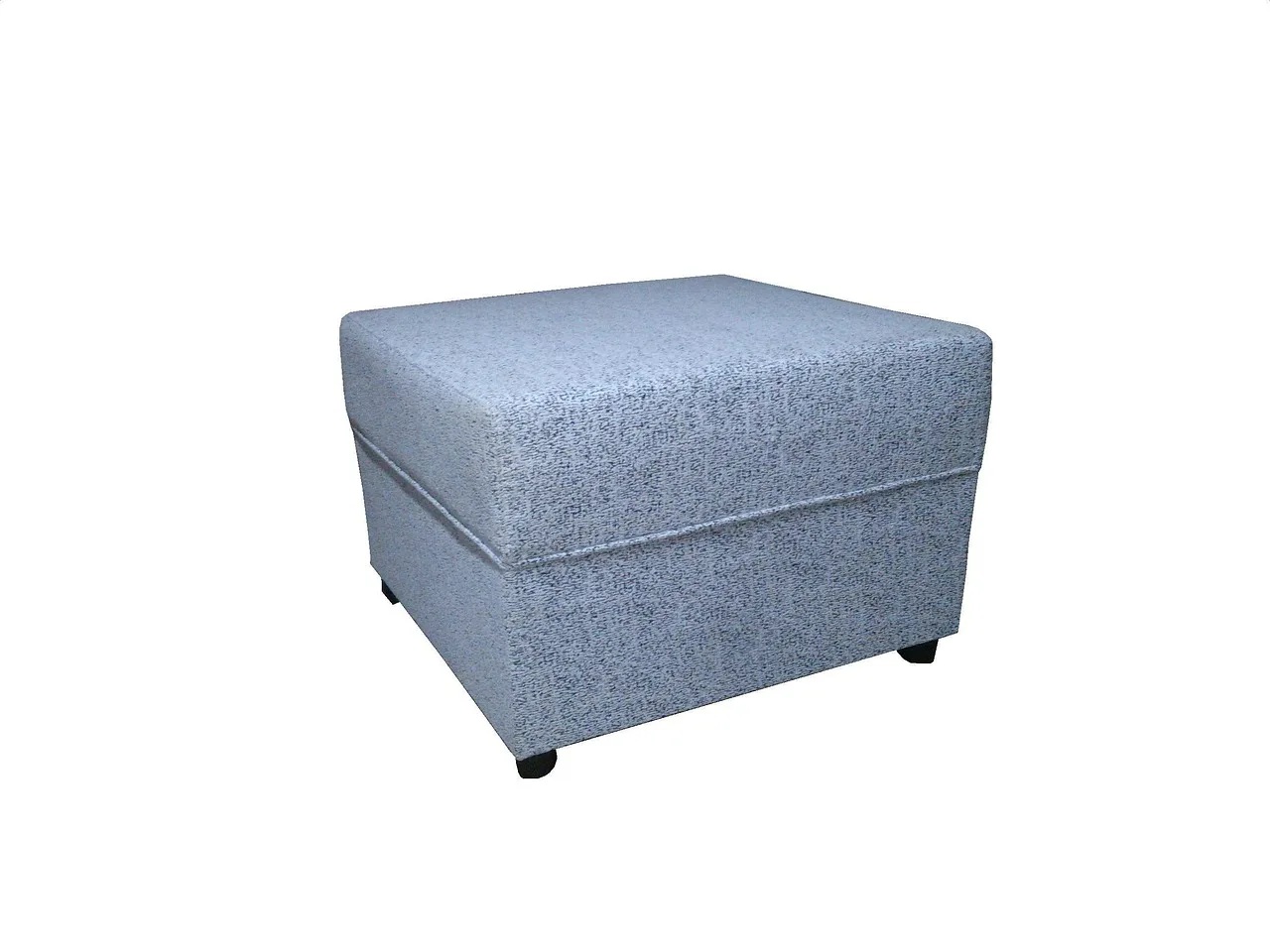
Restuff from the closure side, not by forcing fill through the shell fabric. Open the zipper, tie closure, or access point, inspect the interior, and add fill in layers. Use firmer material first for structure, then finish with batting so the surface stays even and the shell does not show hard edges.
- Measure the shell opening and confirm the closure type.
- Open the zipper, untie the closure, or access the sewn opening carefully.
- Inspect the interior for flat spots, broken clumps, or torn seams.
- Add foam chunks or memory foam scraps first if support is weak.
- Top with polyester fiberfill to fill voids and restore volume.
- Wrap coarse fill with polyfill batting to reduce lump transfer.
- Shape the pouf by hand, then recheck seam tension before closing.
- Add another 10% fill only if the shell still collapses, then test again.
Use a funnel or a cardboard tube to guide fill into tight openings. A vacuum bag can help compress loose fill for transfer, but it should not be used to force an already strained shell tighter than the stitching can handle.
Suppose a zippered pouf has a soft rim but a hollow middle. A blended refill works better than a single material: foam scraps restore the center, fiberfill fills the edges, and batting smooths the transition so the middle does not sink again as quickly.
If that didn’t work, try this next
If the pouf still sags after a first refill, open it again and redistribute the existing fill before adding more. Move dense material away from the center and into the lower corners. If the shell still wrinkles or the zipper fights closure, the insert size may be wrong and replacement is the better fix.
- Open the closure and pull fill away from the most compressed area.
- Shift material toward corners, edges, and the underside.
- Replace broken clumps with fresher fill instead of packing them tighter.
- Close the pouf and test the seat height before adding more material.
What stuffing is best for a pouf?
Choose the fill for the feel you want. Polyester fiberfill is lightweight synthetic stuffing that gives a soft, plush feel, but it compresses over time and often needs overfilling to prevent sagging. Foam chunks add structure and springback. Memory foam scraps give denser support. Polyfill batting finishes the surface and helps the fill sit evenly.
Match the fill to the shell
For a knit shell, a softer blend often works because the fabric stretches and hides minor shifts. For a woven shell, use a more stable core because the fabric shows shape changes sooner. Thicker fabric hides lumpiness better, but it does not fix a weak insert or a failed seam.
Memory foam scraps work best in layered or blended fill, not as a lone core in most poufs. Used by themselves, they can create uneven pressure points. Mixed with fiberfill, they improve support without making the top feel hard.
Polyfill batting is the finishing layer, not the whole solution. It wraps coarse fill, reduces lump transfer, and helps corners and edges hold shape. That matters most when the pouf has a zippered opening and the fill needs to stay smooth after repeated use.
Common mistakes
The most common error is overstuffing. A pouf that feels firm at the moment of closure may be too tight for the seams after a few uses, especially around the zipper area. Stop when the shell holds shape without pulling hard at the stitching.
- Do not stuff a lumpy pouf with only loose fiberfill; it usually settles back into the same uneven shape.
- Do not add coarse foam without batting; the lumps transfer straight to the shell.
- Do not ignore shell fabric stretch; knit and woven covers behave differently under the same fill load.
- Do not reuse fill that is torn, musty, or permanently flattened.
- Do not force more fill into a stressed seam; repair first, then restuff.
Can you reuse old filling? Yes, if it is clean, dry, and still springs back after compression. Toss fill that has lost loft, clumps badly, or carries odor. Reusing damaged fill usually saves little and can make the next refill lumpy from the start.
How do I fix a pouf that sank in the middle?
A center dip usually means the support core has compressed faster than the outer shell. Add firmer fill to the middle first, then surround it with fiberfill so the seat spreads pressure outward. If the pouf still caves in after that, the insert is too small or the core has failed and needs replacement.
Start by opening the closure and removing fill from the perimeter. Rebuild the center with foam chunks or memory foam scraps, then use batting to smooth the transition to the edges. This keeps the middle from acting like a hollow pocket under seated weight.
Why does my pouf keep going flat?
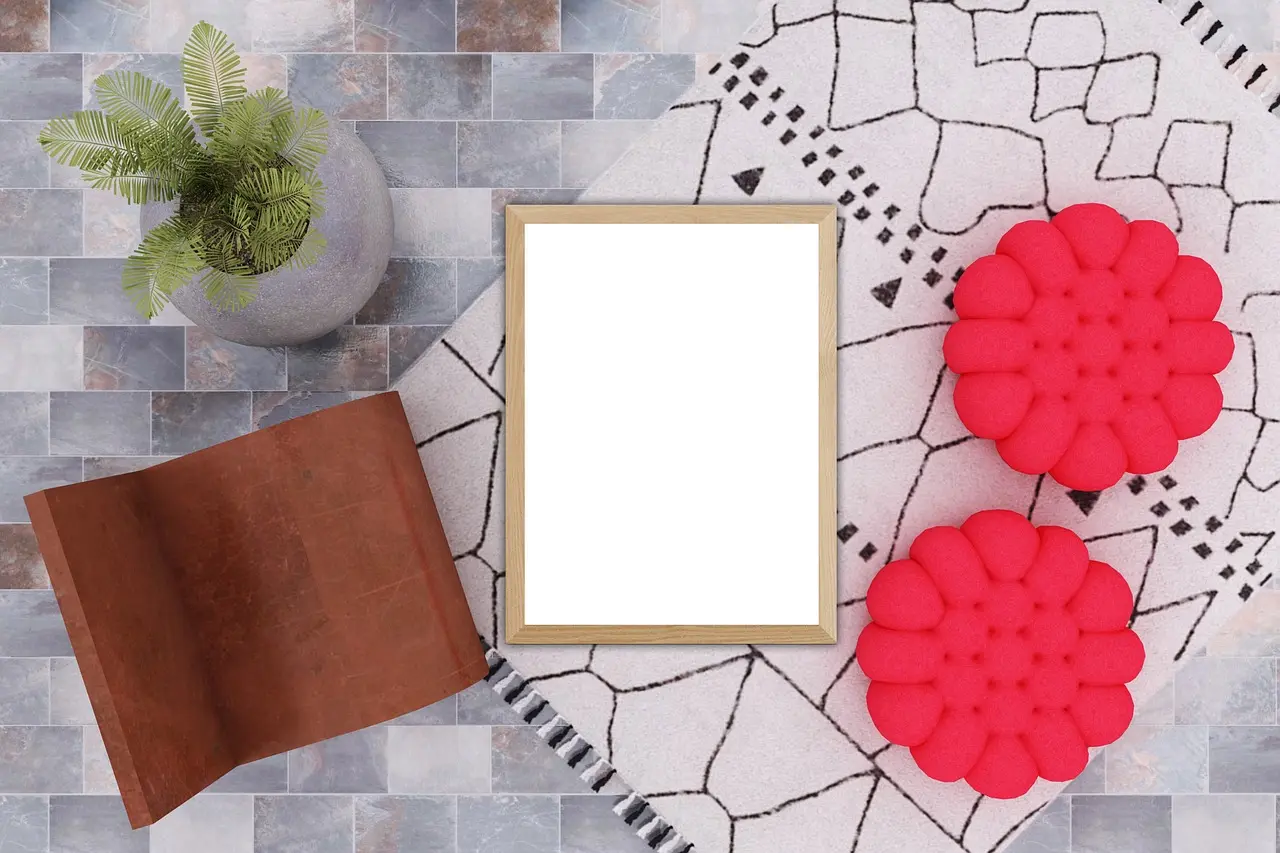
A pouf keeps going flat when the fill compresses, the insert is undersized, or the shell cannot hold the load. Polyester fiberfill is the most likely material to settle over time. If the shell is too loose or the closure leaks fill, the shape will drop again even after restuffing.
Check whether the fill has migrated toward the bottom seam or zipper. If the cover is larger than the insert, the pouf will never feel full for long. In that case, a larger insert or a denser blended core is more effective than repeated top-ups.
Frequently asked questions
Can I reuse old filling to restuff a pouf?
Yes, if the old fill is dry, clean, and still rebounds after being squeezed by hand. Replace any material that feels flat, clumpy, or dirty. Mixing usable old fill with fresh batting or foam often gives a better result than reusing everything unchanged.
Products related to this article
Sponsored / affiliate links. As an Amazon Associate I earn from qualifying purchases. I may earn additional commission from eligible campaigns.