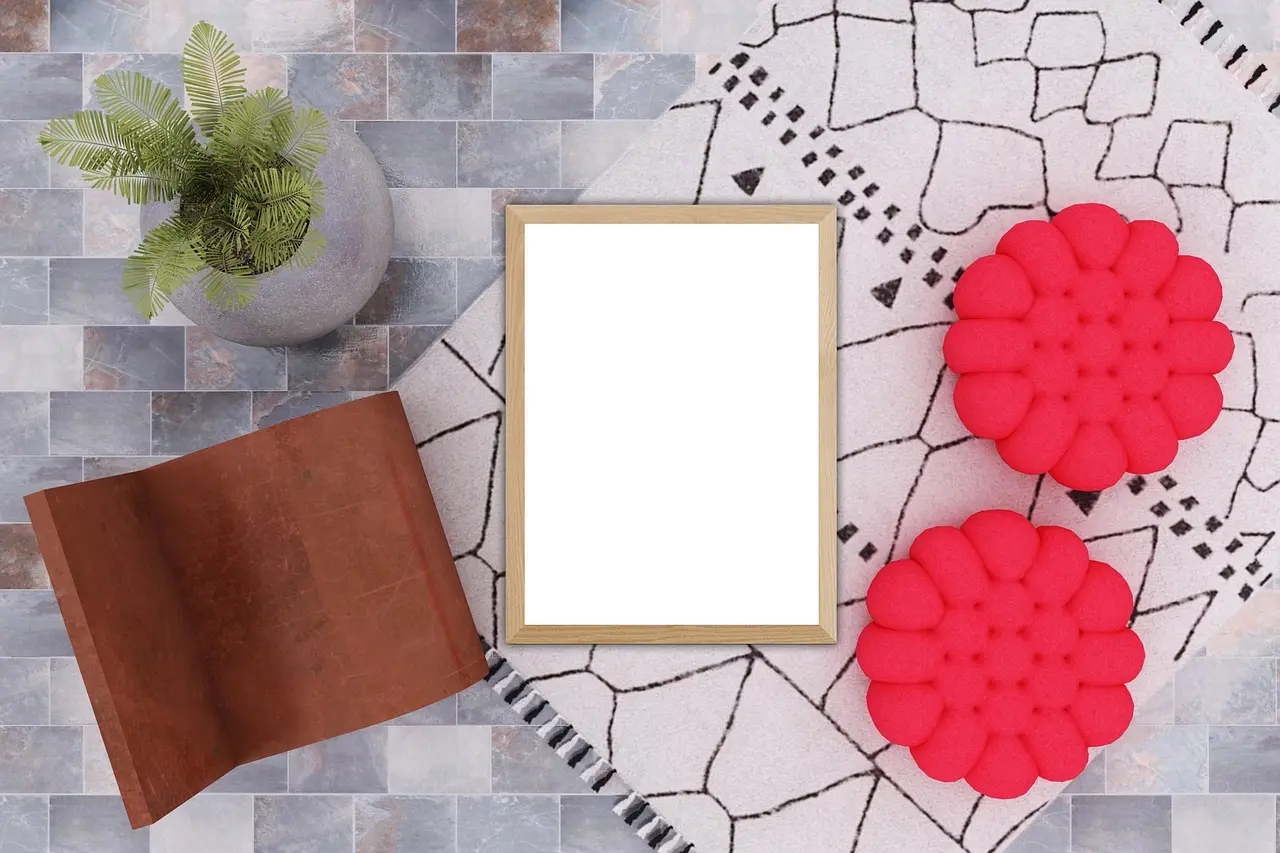
Pouf vs Floor Cushion: Which Fits Your Room?
Choose a pouf for firmer, higher seating and occasional foot support; choose a floor cushion for lower, softer sit-on-the-floor comfort; use both only if you need one upright perch and one casual lounge spot. Pick the wrong one and people sit too low, sink too much, or stop using the piece entirely. I use this split every time I plan a room. This guide compares structure, fill, size, sit height, and the rooms each option fits best.
This guide is part of our Pouf furniture guide: types, uses, and styles series.
Pouf vs floor cushion: the real trade-off

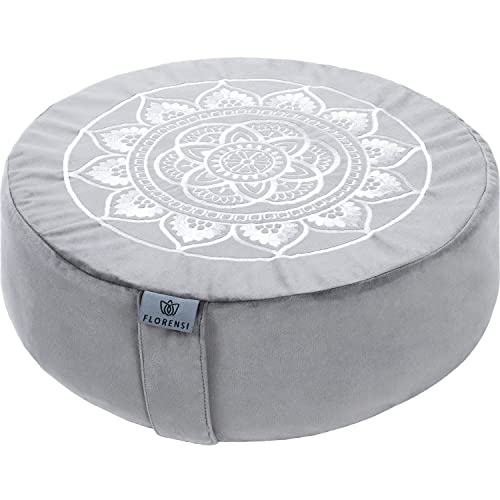
The core difference is structural. A pouf has more height and body, so it can work as a footrest, seat, or accent piece. A floor cushion stays flatter and suits low seating or back support. That change affects how each one feels under bare feet, hips, and lower back.
In practice, a pouf behaves like a small upholstered object. A floor cushion behaves like a padded layer on the floor. The same cover or fill can feel very different once someone sits down.
According to 12 Best Floor Poufs of 2026 – Lilyfield Furniture — One competitor lists a floor pouf with a 15-inch height.
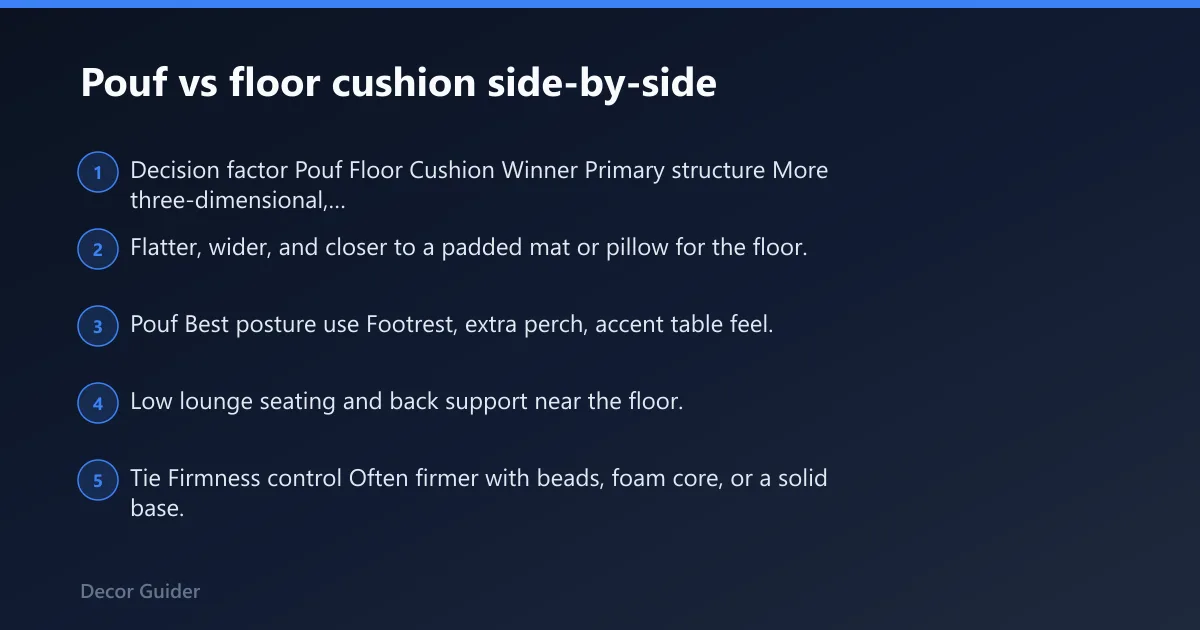
Pouf vs floor cushion side-by-side
| Decision factor | Pouf | Floor Cushion | Winner |
|---|---|---|---|
| Primary structure | More three-dimensional, often round or square, with clearer height and body. | Flatter, wider, and closer to a padded mat or pillow for the floor. | Pouf |
| Best posture use | Footrest, extra perch, accent table feel. | Low lounge seating and back support near the floor. | Tie |
| Firmness control | Often firmer with beads, foam core, or a solid base. | Often softer or flatter, with more spread under load. | Pouf |
| Floor-level comfort | Can feel hard under bare feet if underfilled or too firm. | Usually better for long sitting because pressure spreads out. | Floor Cushion |
| Shape retention | Usually better, especially with foam core or solid base builds. | More likely to sag, slide, or flatten over time. | Pouf |
| Small-room behavior | Often easier to move and tuck aside. | Uses more floor area, especially when oversized. | Pouf |
Primary structure
The pouf wins on structure because it reads as a distinct object instead of a padded surface. That matters when a room needs a footrest, a low side table, or a piece that keeps its outline. A floor cushion works better when the goal is to stay low and spread out.
Best posture use
Neither piece fits every posture. A pouf supports the feet and gives short, upright seating; a floor cushion supports lounging, leaning back, and shifting positions on the floor. The winner depends on whether the room needs lift or softness.
Firmness control
Fill type drives the feel more than the label does. Polystyrene beads can create more give and movement; a high-resiliency foam core tends to add steadier support; a solid wood base is a different build and can make the piece feel more stable under weight. For daily use, shape retention usually favors the pouf.
Floor-level comfort
Floor cushions usually win for long contact with the body because the surface area is larger and the profile is lower. That spreads pressure across hips and lower back. A firm pouf can feel fine under shoes, but under bare feet it can feel hard if the cover is stiff or the fill is packed too tightly.
Is a pouf more comfortable than a floor cushion?
A pouf is more comfortable when the job is foot support, quick seating, or a short rest with some height under the legs. A floor cushion is more comfortable when the body needs a lower, softer place to sit for longer stretches. Comfort follows posture, not the label on the tag.
Bare-foot footrest comfort
Under bare feet, a softer pouf fill matters. Polystyrene beads move easily but can feel too loose; foam core gives a steadier top but can feel firmer; plush fiber or a softer upholstered build usually feels better for bare feet. If the cover is seagrass, the texture may hold shape well, but it can feel rougher.
Seat comfort for adults and kids
For sitting, weight and height matter more than looks. A pouf with a lower listed weight capacity may suit light use, while one with a higher listed capacity is generally more convincing for extra seating. A floor cushion is better when the sitter wants to sit cross-legged or lounge low without being propped upright.
When firmness helps more than softness
Firmness helps when the piece must stay in place, resist collapse, or support a tray, feet, or repeated use. Softness helps when the goal is lounging or play. Too much softness often turns a pouf into a sinking seat, which is where many buyers become disappointed.
How size, thickness, and weight capacity change the answer
Height matters for footrests. Thickness matters for seats. Footprint matters for small rooms and for how easily the piece moves out of the way. Those three dimensions tell more truth than a style label ever will.
Minimum height for a footrest
For a footrest, a pouf around the low-to-mid teens is usually the useful zone. Competitor examples include a 15-inch height, a 16-inch pouf height, and a 14-inch plush pouf height. That range gives enough lift to support the legs without forcing the knees too high.
Minimum thickness for a seat
For sitting, a floor cushion needs enough thickness to avoid bottoming out. A flatter cushion works if the fill stays put and the top surface does not collapse too fast. If the piece is too thin, it becomes decoration that people avoid using.
What published weight limits tell you
Weight capacity is not a decorative detail. A 200-pound limit signals light-use expectations; a 400-pound limit suggests a stronger build and wider use range. That matters for kids, occasional guests, and any room where the same piece switches between feet, seats, and casual perch.
Use-case decision table: when pouf wins and when floor cushion wins
| Use case | Pick | Recommended fill | Minimum size | Risk note |
|---|---|---|---|---|
| Under-14-inch footrest | Pouf | Foam core or firm bead fill | 14 inches high minimum | Too soft and it sinks below knee level. |
| Extra guest seating | Pouf | Foam core with solid base or high-density fill | 16 inches wide minimum | Check published weight capacity before using it as a seat. |
| Kid play area | Floor Cushion | Soft foam or plush fiber | 24 inches wide minimum | Light fills shift and can migrate at the seams. |
| Reading nook | Floor Cushion | Foam or layered upholstery | 4 to 6 inches thick minimum | Too little support strains the lower back. |
| Boho styling | Pouf | Beads, braided cotton, or seagrass with firm insert | 14 to 16 inches tall | Natural fibers can feel rough or dry indoors. |
| Small-space storage | Pouf | Light foam or hollow bead fill | Compact footprint, under 20 inches across | Compressed builds may need time to recover shape. |
| Outdoor-covered use | Floor Cushion | Quick-dry foam or removable upholstered fill | Large enough to stay put, 24 inches across minimum | Wind and moisture can move or trap in lighter poufs. |
| Lounge-back support | Floor Cushion | Foam or layered fiberfill | Thick, wide, and slightly oversized | Too round a pouf slides away from the back. |
How thick is cushion flooring
“Cushion flooring” is not a single standard thickness, so the real answer depends on whether the piece is meant for sitting, kneeling, or light lounging. For a floor cushion in a living room, thickness usually needs enough body to resist flattening, while a pouf depends more on height than pad depth.
If the piece is too thin, it stops functioning as seating and becomes a mat. If it is too thick without structure, it can feel unstable or slide. The best thickness is the one that keeps the body supported without making the floor feel hard.
How to make a floor cushion read more like a pouf
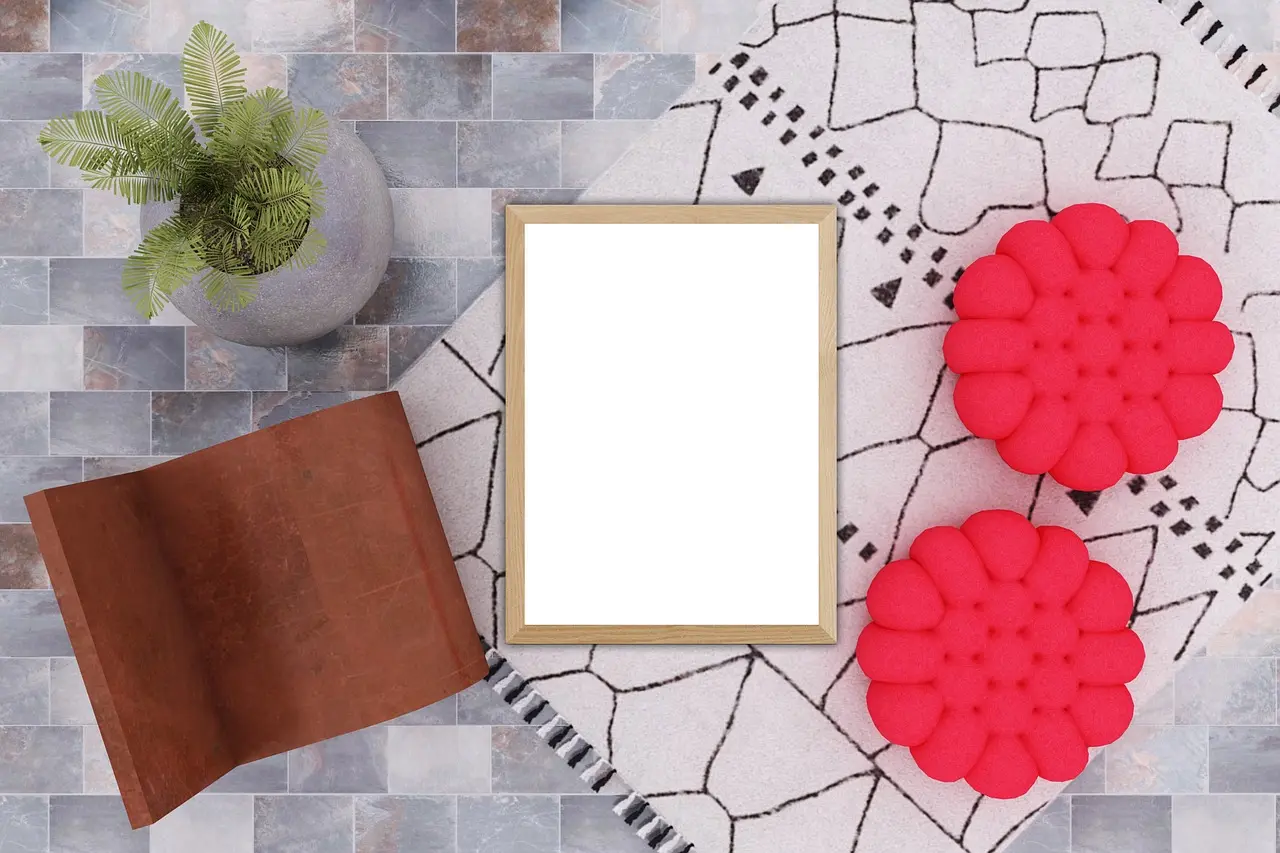
A floor cushion can look more like a pouf, but that change is visual more than structural. The goal is to add height, a clearer edge, and a more self-contained shape. It will still behave like a floor cushion unless the fill and inner form change too.
Choose the right fill and insert shape
Start with a firmer insert or layered foam rather than loose stuffing. A rounder or square insert that holds its outline will make the piece stand up visually. Vacuum-packed or compressed shipping can delay the final shape, and some poufs arrive needing days to expand.
Add structure with a firmer core
A high-resiliency foam core or a solid base changes both look and use. That keeps the top from slumping into a pancake shape. It also reduces seam strain and fill migration, which are common failure points in softer builds.
Use cover texture and edge treatment to change the look
Cotton, corduroy, and plush fiber covers read softer and more upholstered. Seagrass and braided cotton read more textural and object-like. One competitor notes a braided cotton pouf uses 100% cotton, and another lists a lightweight boho option, which shows how much the outer shell changes the visual effect.
- Pick a firmer insert if the floor cushion sags when lifted.
- Choose a cover with cleaner edges instead of a floppy shell.
- Raise the profile slightly with layered fill, not extra bulk alone.
- Use a denser weave or upholstery so the outline stays clear.
- Accept the limit: it may look like a pouf without acting like one.
Choose Pouf if… / Choose Floor Cushion if…
Choose a pouf if the room needs a footrest with visible height, a movable perch for guests, or a compact object that can double as an accent piece. It also makes sense when the priority is shape retention, quick repositioning, and a stronger read in a small living room.
Choose a floor cushion if the room is built around lounging on the floor, reading low, supporting the back, or giving kids a softer sit-down spot. It is the better choice when a flatter profile, wider landing area, and more relaxed posture matter more than height.
If both roles are needed, owning both can be the cleaner answer. A pouf handles feet and short seating. A floor cushion handles long, low lounging.
Frequently asked questions
What is the difference between a pouf and a floor cushion?
A pouf is usually taller, more three-dimensional, and built to work as a footrest, seat, or small accent piece. A floor cushion is flatter and wider, meant for low seating or back support. The difference is structural first, decorative second.
Can a floor cushion be used as a pouf?
Sometimes, yes, but only for light use. A floor cushion can act like a pouf if it has enough height and firmness to hold feet or support short sitting. It will not usually match a true pouf for shape retention or lift.
Which is better for a small living room: pouf or floor cushion?
A pouf usually fits a small living room better because it has a smaller footprint and can move out of the way faster. A floor cushion makes sense only if the room is built for low lounging. In tight rooms, height and portability matter more than softness alone.
How do you make a floor cushion look more like a pouf?
Use a firmer insert, a rounder or more structured shape, and a cover that holds edges cleanly. Braided cotton, corduroy, or upholstered shells read more like a pouf than a floppy pillow. The look changes faster than the function does.
What fill makes a pouf softer under bare feet?
Plush fiber and softer foam layers usually feel gentler under bare feet than very firm bead fills. Polystyrene beads move and can feel lively, but they do not always feel cushioned. If the cover is rough, like some seagrass builds, the fill alone will not fix the feel.
Products related to this article
Sponsored / affiliate links. As an Amazon Associate I earn from qualifying purchases. I may earn additional commission from eligible campaigns.