Pouf vs Floor Pillow: Which Works Best for Casual Seating?
Choose a Pouf if you want firmer support, easier lifting, and a surface that can work as a footrest or side table. Choose a Floor Pillow if you want lower, softer lounge seating with more give under the body. Pick the wrong one and you get poor posture, clogged circulation, or cushions that are awkward to move and clean. This guide compares both by comfort, room flow, age fit, and maintenance.
| Factor | Pouf | Floor Pillow | Winner |
|---|---|---|---|
| Support and posture | Compact, dense cushion with more lift | Soft, low cushion that encourages lounging | Pouf |
| Typical size | Usually 30 to 45 cm tall | Usually 5 cm to 15 cm thick and often 60 cm to 100 cm wide | Pouf |
| Room flow | Smaller footprint in many layouts | Needs more clear floor space for legs and movement | Pouf |
| Storage | Usually stays in place because of structure | Easier to stack or tuck away | Floor Pillow |
| Multi-use function | Works as footrest, extra seat, or side table with a tray | Mainly a lounge seat or floor cushion | Pouf |
| Maintenance burden | Depends on cover and fill, but structure can hide wear longer | Often easier to move, but more exposed to floor abrasion and spills | Tie |
Pouf vs floor pillow: the core trade-off
The real choice is between lift and lounge comfort. A pouf is a structured three-dimensional seat that sits directly on the floor, while a floor pillow is a softer, lower cushion made for laid-back seating and cross-legged posture.
That difference matters because height changes how easy it is to rise, how much room the seat occupies, and how stable it feels under weight. A pouf usually gives more support. A floor pillow usually gives more sink.
What a pouf
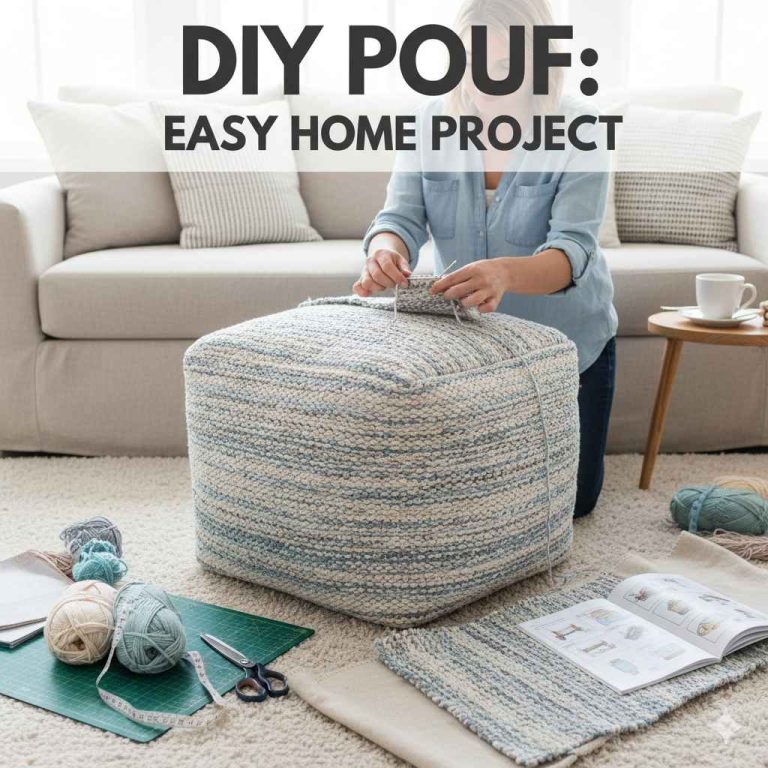
A pouf is a compact, dense cushion that rests directly on the floor. It is typically 30 to 45 cm tall and is often used as a firm extra seat, footrest, temporary side table, or design accessory.
Common fills include polystyrene beads, shredded foam, or dense fabric scraps. Those fills help a pouf keep a more structured shape than a soft lounge cushion.
What a floor pillow
A floor pillow puts comfort first and sits low to the ground. Floor cushions are often 5 cm to 15 cm thick and 60 cm to 100 cm wide, so they spread weight over a larger area and suit relaxed sitting.
That lower profile works well for lounging, reading, and cross-legged sitting. It can also be harder to get up from, especially for anyone who prefers more hip and knee height.
Pouf and floor pillow at a glance
Use a pouf for compact, structured seating. Use a floor pillow for low, soft lounging. If the room needs a perch that can double as a footrest or tray base, the pouf wins. If the goal is a casual sprawl spot, the floor pillow wins.
Structure and support
Poufs hold their shape better, so they usually feel steadier when someone sits down or shifts position. Floor pillows compress more, which feels softer but can let the sitter sink too low.
Typical size and footprint
Poufs are usually taller and often easier to place beside a sofa or chair without eating into as much leg room. Floor pillows can cover more floor area, especially when they are large enough for adults, so they need more planning around walkways and coffee tables.
Best-use summary
Think of a pouf as a compact helper piece. Think of a floor pillow as a ground-level lounge piece. The use case should drive the pick more than style.
Which is better for your room flow?
A pouf is usually better when the room has narrow paths, door swings, or a coffee table that needs clearance. A floor pillow is better when you can spare more open floor and want a seat that can move out of the way after use.
Clear floor space and walkways
Clear floor space matters because both seats need room not only for the cushion itself, but also for legs and movement around it. That concern is more critical for floor pillows, since their footprint is broader and they spread farther when used.
Picture a small living room with about a 90 cm path between a sofa and a media console. A wide floor pillow placed in that path can force a sidestep every time someone walks through; a compact pouf is less likely to do that.
Coffee tables, sofas, and door clearance
If the seat sits near a coffee table, measure the gap from table edge to the nearest wall or sofa front. You need enough room for knees to bend and feet to land without trapping traffic. A pouf usually fits that setup more easily because it keeps a tighter footprint.
Small rooms versus open rooms
In a small room, a pouf is often the safer bet when the floor also has baskets, a side table, or a walking route. In an open room, a floor pillow can work well because the layout can absorb its larger footprint without blocking circulation.


Which works better for lounging and support?
For lounging, the floor pillow usually wins. For support, the pouf usually wins. If the sitter wants to recline, sprawl, or sit cross-legged close to the floor, a floor pillow feels more natural. If the sitter wants help rising or changing position, a pouf is easier to live with.
Cross-legged sitting
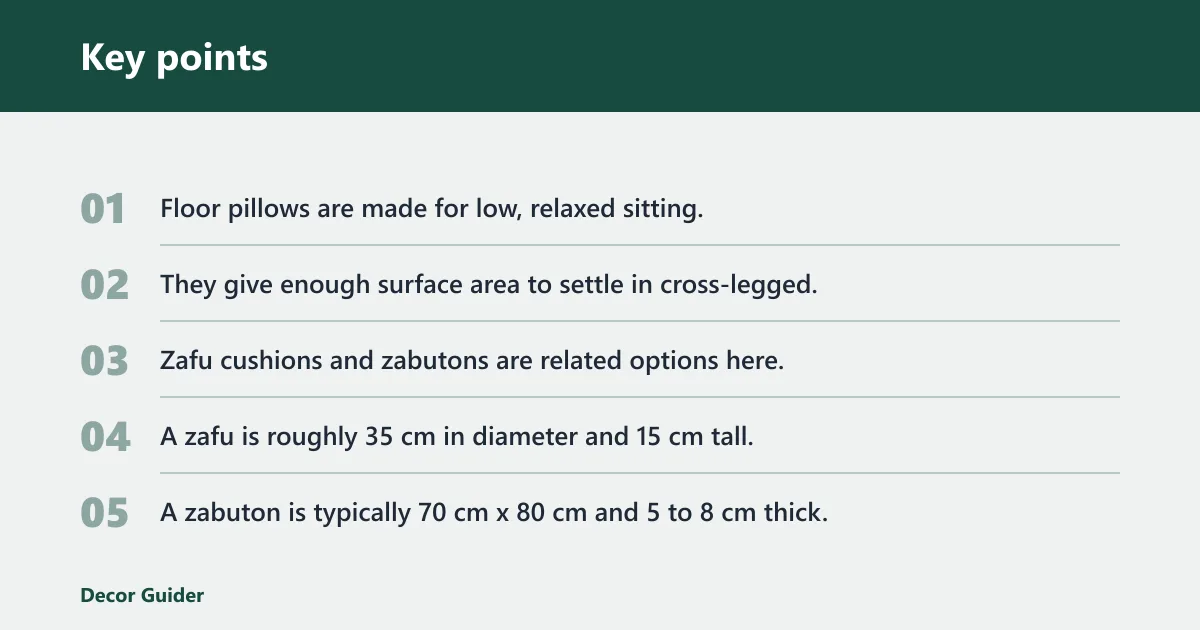
Floor pillows are made for low, relaxed sitting. They give enough surface area to settle in cross-legged, and larger versions can spread pressure across the hips more evenly than a small pouf.
Zafu cushions and zabutons are related options here. A zafu is roughly 35 cm in diameter and 15 cm tall, and it supports cross-legged sitting by tilting the pelvis forward. A zabuton is typically 70 cm x 80 cm and 5 to 8 cm thick, and it cushions knees and ankles under the zafu or on its own.
Guest seating
For occasional guests, a pouf is usually the more controlled seat because it gives firmer lift and behaves more like a small chair without legs. A floor cushion can also work for guests, but it suits short stays better when the group is comfortable sitting low.
Older adults and low seating
Older adults often do better with more height and less sink. That makes a pouf the safer default in many homes, because a seat that sits lower to the floor can be hard to rise from and may increase strain on knees and hips.
A common first-timer mistake is buying a deep floor pillow for a mixed-age den because it looks relaxed in photos. The first problem appears when someone has to stand up from a cushion that compresses too far, especially after a long movie.
Pouf fill, floor pillow fill, and what fails first
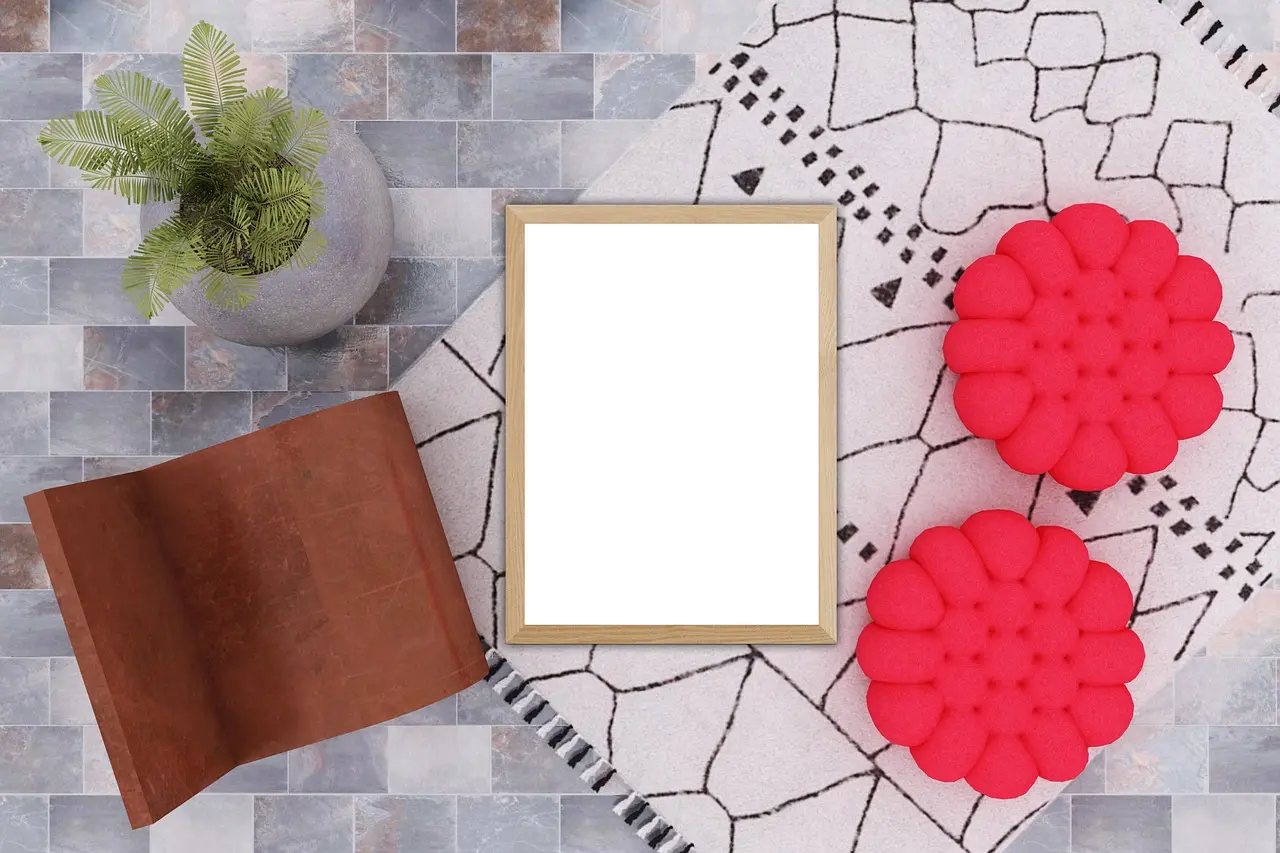
Fill matters because it controls rebound, sinking, wobble, and how often the seat needs attention. Bead fill, foam, and fiber each fail differently, so the right choice depends on whether you value shape, softness, or easy replacement.
Polystyrene bead fill
Polystyrene bead fill is common in poufs and bean-bag-style seats. It molds to the body, which makes the seat feel adaptable, but it also compresses over time and may need top-up fills every 6 to 12 months.
That top-up cycle changes cost per use. A low-cost pouf can become less useful if it starts feeling flat or uneven sooner than expected, especially when the cover still looks fine but the support is gone.
Memory foam insert and foam blends
Memory foam inserts give better support and rebound, so they hold shape better than basic fiber fill. They are a strong choice for larger floor pillows and some poufs when the goal is comfort without fast collapse.
Foam blends usually reduce wobble and help the seat recover after use. That matters when the cushion must handle repeated sitting through a family night or a steady stream of guests.
Fiber fill, compression, and shape loss
Basic fiber fill is soft and can feel pleasant at first, but it often loses structure faster than foam. Once that happens, a floor pillow may flatten and a pouf may stop giving enough lift to feel like a real seat.
Say your floor pillow is 100 cm wide and used nightly for movie sessions. If the center starts bottoming out while the edges stay lofty, the cushion becomes harder to sit on and harder to get up from, even though the cover still looks presentable.
Pouf and floor pillow decision table
Use the rows below as a quick match test. The better choice changes with the sitter, the room, and how much upkeep you can handle.
| Scenario | Buyer type | Room size | Use case | Maintenance tolerance | Better choice | Reason and tradeoff |
|---|---|---|---|---|---|---|
| 1 | Older adult | Small living room | Extra seat near sofa | Low to moderate | Pouf | More lift makes standing easier, but it still needs enough clearance beside the sofa. |
| 2 | Kids’ playroom | Open room | Lounging and reading | Moderate | Floor Pillow | Soft, low seating suits floor play, but it can spread across more floor and collect crumbs. |
| 3 | Small-space renter | Studio apartment | Footrest and extra seat | Low | Pouf | One piece can do several jobs, but the tray surface must stay stable and level. |
| 4 | Mixed-age household | Medium family room | Occasional guests | Moderate | Pouf | It is easier for different ages to use, though it gives less lounge stretch than a pillow. |
| 5 | Movie-night household | Open den | Low lounging | High | Floor Pillow | It supports laid-back posture better, but it needs more floor room and more frequent cleaning. |
| 6 | Pet owner | Any | Daily casual seating | Low | Pouf | A removable washable cover is easier to manage on a more structured seat, but hair and claws still matter. |
| 7 | Frequent host | Living room with coffee table | Temporary side table | Moderate | Pouf | It can hold a tray better than a soft pillow, though a very soft fill can make the tray wobble. |
| 8 | Meditation or floor-sitting user | Quiet corner | Cross-legged sitting | Moderate | Floor Pillow | Lower seating supports relaxed floor posture, but a zafu and zabuton may work better for long sessions. |
Choose Pouf if… / Choose Floor Pillow if…
Choose Pouf if you need more lift, easier rising, or a seat that can also act as a footrest or side table with a tray. It is also the safer pick for older adults and mixed-age households when the room has tight circulation paths.
Choose Floor Pillow if you want low lounging, cross-legged comfort, or a cushion that stacks and tucks away more easily. It suits open rooms, movie nights, and floor-based sitting, as long as you can spare the space and accept more sink.
Sizing and clearance before you buy
Measure before you choose, or the seat can fail the room even if it looks right online. Seat height, footprint, and clearance all matter more than style.
- Measure the seat height you want from floor to top of cushion. Compare that with the sofa seat height nearby so the new seat does not feel too low or too tall.
- Measure the footprint of the cushion, not just the advertised diameter or width. Leave room for knees, feet, and the part of the cushion that compresses during use.
- Check clear floor space around walkways, coffee tables, and door swings. A floor pillow needs more room than a pouf because its usable area spreads farther once someone sits down.
- Think about where the cushion will go when nobody is using it. If it must move daily, storage and weight matter as much as comfort.
A practical way to judge clearance is to place painter’s tape on the floor in the outline of the cushion and then step around it. If the taped area interrupts a doorway or path, the cushion is too large for that spot.
Cleaning and maintenance considerations
Removable washable covers are often a good fit for homes with kids, pets, crumbs, or frequent entertaining. They do not solve every problem, but they make upkeep simpler and help protect the fill from damage.
Floor abrasion is another issue. Cushions dragged across hard flooring pick up grime and wear faster, so a tougher cover and a habit of lifting instead of sliding can extend useful life. Bead fill can also need periodic top-ups, while foam and fiber usually age by losing shape rather than by needing refills.
Frequently asked questions
What is the difference between a pouf and a floor pillow?
A pouf is a structured, denser seat that gives more lift and often works as a footrest or small table. A floor pillow is softer, lower, and better for lounging or sitting cross-legged. The difference is less about style and more about posture, height, and room flow.
Which is better for extra living room seating, a pouf or a floor pillow?
For extra living room seating, a pouf is usually the better pick because it gives firmer support and is easier for most adults to use. A floor pillow works if guests are comfortable sitting low, but it can feel too soft for repeated sit-down-and-rise-up use.
Are poufs or floor pillows better for older adults to sit on?
Poufs are usually better for older adults because they provide more height and support, which makes standing easier. A low floor pillow can be hard on knees and hips, especially if it compresses deeply or sits too close to the ground for comfortable rising.
Which is easier to store, a pouf or a floor pillow?
Floor pillows are usually easier to stack or tuck away because they flatten more than poufs. A pouf often keeps its shape, which is useful for support but less convenient if you need the seat to disappear after use.
Can a pouf be used as a footrest or side table
Yes. A pouf is often used as a footrest, extra seat, or temporary side table with a tray. The catch is stability: softer fills can wobble under a tray, so a denser pouf works better when the top needs to stay level.
Which fill is better for a pouf or floor pillow: foam, beads, or fiber?
Memory foam inserts are the best choice when you want better support and rebound. Polystyrene bead fill molds to the body but compresses over time and may need top-up fills every 6 to 12 months. Fiber fill is soft, but it usually loses shape faster than foam.
What size pouf or floor pillow should I buy for adults?
For adults, a pouf usually works best in the 30 to 45 cm tall range. For floor pillows, larger options are easier to sit on, and floor cushions commonly run 60 cm to 100 cm wide and 5 cm to 15 cm thick. Match the size to how high you want the body off the floor.
Products related to this article
Sponsored / affiliate links. As an Amazon Associate I earn from qualifying purchases. I may earn additional commission from eligible campaigns.