Tylenol 3 Urine Detection Time: A Precise, Hour-by-Hour Guide
You took a Tylenol 3 for a bad toothache on Saturday. Now it’s Tuesday, and your employer just handed you a urine drug test cup. Your stomach drops. Will that codeine show up?
This is a common worry, and most online advice doesn’t help. It gives you vague ranges like “1 to 3 days” without explaining why. The truth is more specific. Codeine’s detection window depends on your genetics, how often you take it, the test’s cutoff level, and your urine pH. This guide breaks down each factor so you can predict your own window with reasonable accuracy.
You’ll walk away knowing the difference between how acetaminophen and codeine are screened, what the lab’s cutoff numbers actually mean, and how to interpret a negative result even if you still feel the drug’s effects.
What Is Tylenol 3 and How Does It Work?
Tylenol 3 combines two active ingredients: 300 mg of acetaminophen and 30 mg of codeine. The acetaminophen handles pain and fever. The codeine works on your central nervous system to dull pain perception.
Codeine is an opioid, but it’s a prodrug. That means it’s mostly inactive until your liver converts it into morphine. The enzyme responsible for this conversion is CYP2D6. About 7% of people carry a genetic variant that makes this enzyme sluggish, so they get little to no pain relief from codeine. Others are “extensive metabolizers” and convert it rapidly, feeling strong effects from a single tablet.
This metabolic difference matters for drug testing. A fast metabolizer will clear codeine faster, but they’ll also produce more morphine, which some labs screen for separately.
The Two Substances: Acetaminophen vs. Codeine Detection
Here’s where most articles go wrong. They treat Tylenol 3 as a single drug, but urine drug screens don’t work that way. Standard 5-panel and 10-panel tests look for specific drug classes, not brand-name products.
Acetaminophen is not part of any standard urine drug screen. It’s a common over-the-counter medication, so testing for it would create endless false positives. You could take 4 grams of acetaminophen and your urine drug test would still come back negative for it. The lab simply isn’t looking.
Codeine is different. It belongs to the opiate class, and most tests screen for opiates using an immunoassay. This initial screen is designed to catch morphine and codeine. If the screen is positive, the lab confirms it with a more precise method called GC-MS (gas chromatography-mass spectrometry). The confirmation test identifies the exact drug molecule, so there’s no confusion between codeine and, say, heroin, which also breaks down into morphine.
Standard Urine Detection Windows for Codeine
Let’s get to the numbers you actually need. These are general ranges based on clinical studies, but your personal window can shift by several hours.
- Single dose (30 mg): detectable for 24 to 48 hours
- Short-term use (2-3 days): detectable for 2 to 3 days after last dose
- Chronic use (weeks or more): detectable for 4 to 7 days, sometimes longer
- Heavy, long-term abuse: up to 10 days in rare cases
These windows assume a standard cutoff level of 300 ng/mL, which is common for employer drug screens. Here’s a more detailed breakdown:
| Usage Pattern | Detection Window (300 ng/mL cutoff) | Detection Window (2026 ng/mL cutoff) |
|---|---|---|
| Single 30 mg dose | 24-48 hours | 12-24 hours |
| 2-3 days of use | 2-3 days | 1-2 days |
| Chronic use (daily for 2+ weeks) | 4-7 days | 2-4 days |
| Heavy abuse (high doses, long duration) | 7-10 days | 3-5 days |
Single-Use vs. Chronic Use Timelines
A single Tylenol 3 tablet is usually gone from urine within 48 hours, often sooner. Codeine has a half-life of about 3 hours, meaning your body clears half of it every 3 hours. After 6 hours, you have a quarter left. After 12 hours, an eighth. By the 48-hour mark, less than 1% of the original dose remains—usually below the detection threshold.
Chronic use changes everything. When you take codeine daily, it accumulates in fatty tissues. Your body releases it slowly over time, so the elimination curve flattens. Someone who’s taken codeine for a month might test positive for a full week after their last dose. The half-life effectively lengthens because the drug is being redistributed from tissue stores back into the bloodstream.
Cutoff Levels and How They Affect Results
The cutoff level is the concentration threshold a lab uses to call a sample positive. It’s not a fixed number. Different labs and different testing purposes use different cutoffs.
The Department of Transportation (DOT) uses a 2026 ng/mL cutoff for the initial opiate screen. That’s a high bar. You’d need a fairly recent dose to trip it. Many private employers use 300 ng/mL, which catches lower concentrations and extends the detection window. Some pain management clinics use 100 ng/mL, which can detect codeine for up to a week after a single dose.
This is why you can’t get one universal answer for “how long does Tylenol 3 stay in urine.” The honest answer is: it depends on which test you’re taking. If you know the cutoff, you can estimate your window more precisely using the table above.
Factors That Speed Up or Slow Down Elimination
Your body isn’t a textbook. Several variables change how quickly codeine leaves your system.
Genetics (CYP2D6 Metabolizer Status)
Your liver’s CYP2D6 enzyme does the heavy lifting of converting codeine to morphine. But not everyone has the same version of this enzyme. Genetic testing can classify you as a poor, intermediate, extensive, or ultra-rapid metabolizer.
Poor metabolizers (about 7-10% of people) convert very little codeine into morphine. They clear the parent drug more slowly, so codeine itself lingers longer in urine. However, they produce less morphine, which is the primary target of most opiate screens. This creates a strange situation: a poor metabolizer might test negative for opiates even while still feeling the drug’s effects, because the active metabolite (morphine) is present in low concentrations.
Ultra-rapid metabolizers are the opposite. They convert codeine to morphine quickly and completely. Their urine will contain high morphine levels shortly after dosing, but the drug clears faster overall. Their detection window is usually shorter.
Hydration, pH, and Urine Dilution
Urine concentration matters more than you’d think. Codeine is a weak base, and your kidneys handle it differently depending on urine pH. Acidic urine (pH below 6) promotes faster excretion of basic drugs like codeine. Alkaline urine (pH above 7) slows it down.
What makes urine more acidic? High-protein diets, cranberry juice, and vitamin C supplementation. What makes it more alkaline? Vegetarian diets, citrus fruits, and certain antacids. These dietary factors can shift your detection window by 12 to 24 hours.
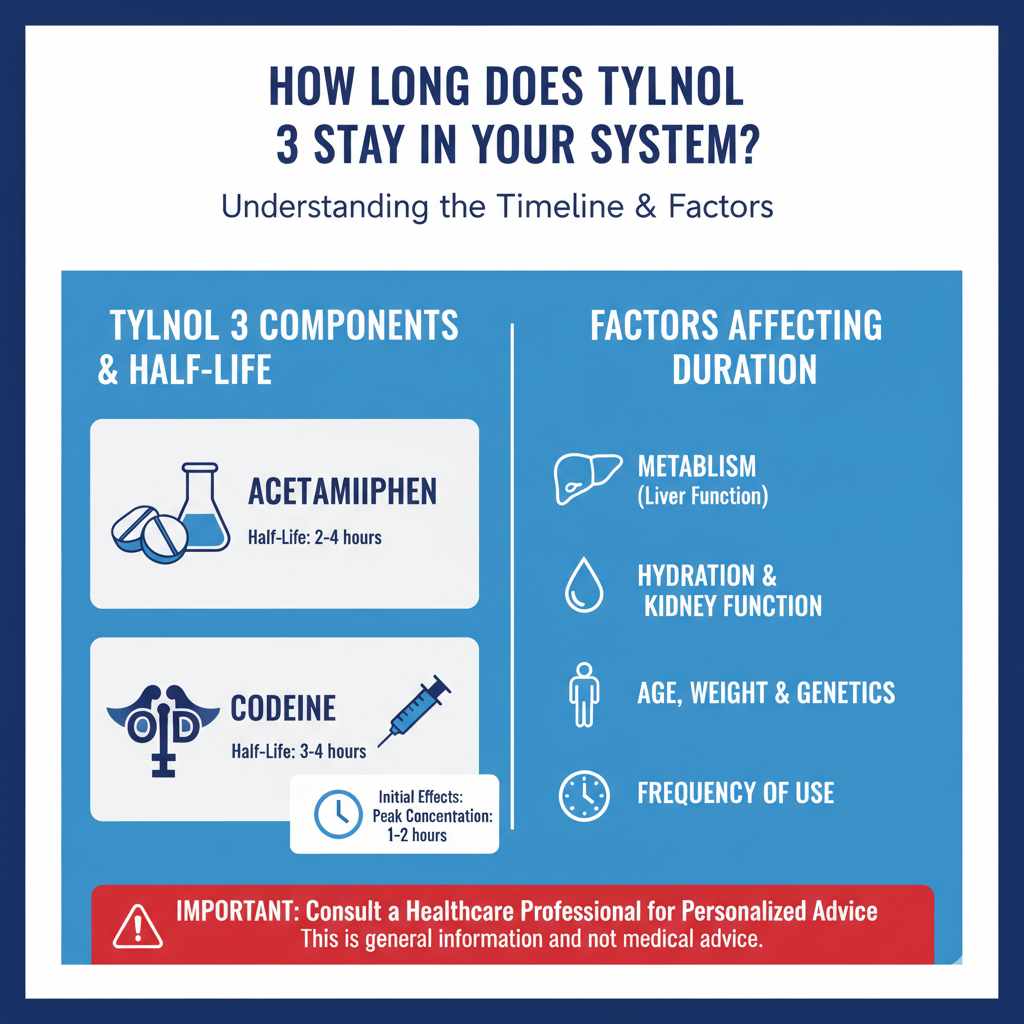
Hydration is a separate issue. Drinking lots of water dilutes your urine, which lowers the concentration of codeine metabolites. This can push a borderline sample below the cutoff. But labs check for dilution using creatinine levels. If your sample is too dilute, they’ll flag it as invalid and make you retest. So chugging water to beat a test isn’t a reliable strategy—it just buys you a retest.
Types of Urine Drug Tests and Their Accuracy
You’ll encounter two main types of urine tests: immunoassay screens and GC-MS confirmation.
The immunoassay is the first step. It uses antibodies that bind to opiate molecules. It’s fast, cheap, and good at detecting recent use. But it’s not perfect. It can cross-react with other substances, including poppy seeds, some cold medications, and even certain antibiotics. That’s why a positive immunoassay is always followed by GC-MS.
GC-MS is the gold standard. It separates molecules by mass and identifies them precisely. If GC-MS confirms codeine, you can trust the result. False positives are extremely rare with this method. The downside is that GC-MS takes longer and costs more, so labs only use it when the initial screen is positive.
For Tylenol 3 specifically, the immunoassay will typically detect codeine and morphine. It won’t detect acetaminophen, as mentioned earlier. So a urine test for Tylenol 3 is really a test for codeine and its metabolites.
How to Read Your Test Results (Negative vs. Positive)
You got your results back. Here’s how to interpret them.
A negative result means the codeine concentration in your urine fell below the cutoff level at the time of testing. It doesn’t mean there’s no codeine in your body—just that there’s not enough to trigger a positive. If you still feel the drug’s effects, that’s because the active morphine is binding to receptors in your brain, not because it’s showing up in high concentrations in your urine. Feeling effects and testing negative can happen simultaneously, especially if you’re a poor CYP2D6 metabolizer or if you took a small dose.
A positive result means the lab detected codeine above the cutoff, and the confirmation test verified it. There’s no gray area here. If you have a prescription for Tylenol 3, you can provide proof to your employer’s medical review officer (MRO). If you don’t have a prescription, you’ll need to be honest about what happened.
Legal and Employment Consequences of a Positive Result
Let’s be straight about the stakes. A positive codeine result on an employment drug test can cost you a job offer or get you fired, depending on your company’s policy. For safety-sensitive positions governed by the DOT, a positive opiate result leads to suspension and mandatory evaluation by a substance abuse professional.
Here’s the important nuance: codeine is a Schedule II controlled substance in the US, but it’s legally prescribed every day. If you have a valid prescription, you have legal protection. The Americans with Disabilities Act (ADA) doesn’t explicitly cover prescription drug use, but many states have laws prohibiting discrimination against employees who use legally prescribed medications. In practice, you should disclose your prescription to the MRO before the test, not after a positive result appears.
If you took Tylenol 3 without a prescription, that’s a different story. A positive result is treated as illegal opioid use. You could face termination, loss of professional licensure, or legal consequences if the test was part of a criminal proceeding.
Frequently Asked Questions
Can I pass a urine drug test 24 hours after taking Tylenol 3?
It’s possible but not guaranteed. With a 2026 ng/mL cutoff, a single 30 mg dose is usually below the threshold after 24 hours. With a 300 ng/mL cutoff, you’re right at the edge. Your hydration status, urine pH, and metabolic rate all play a role. Don’t assume you’ll pass—it’s a coin flip at best.
Will drinking cranberry juice help me pass a codeine test?
Cranberry juice acidifies your urine, which can speed up codeine excretion. But the effect is modest—maybe a 10-20% reduction in detection time. It won’t turn a positive into a negative if you took the drug within the last day. It’s not a reliable strategy, and the dilution from drinking lots of juice can trigger an invalid sample.
Does Tylenol 3 show up as morphine or codeine on a drug test?
Both, potentially. The initial immunoassay screen detects the opiate class, which includes both molecules. The GC-MS confirmation identifies them separately. If you took Tylenol 3, your urine will contain codeine and its metabolite, norcodeine, plus morphine and its metabolites. The lab will report the specific substances found.
How long does codeine stay in urine for a heavy user?
For someone taking codeine daily for weeks or months, urine tests can stay positive for 7 to 10 days after the last dose. This is due to accumulation in fatty tissue and slow release. Some chronic users report positive tests up to two weeks later, especially if they have impaired kidney function or alkaline urine.
Can a urine test detect Tylenol 3 if I only took it once?
Yes, if the test happens within 24-48 hours and uses a standard 300 ng/mL cutoff. A single 30 mg dose produces a peak urine concentration well above 2026 ng/mL within the first 6-12 hours. After that, it drops quickly. By day two, most single-dose users will be negative, but it’s not guaranteed.
Final Verdict: What You Need to Remember
- Tylenol 3’s urine detection time is really about codeine—acetaminophen isn’t screened for.
- A single dose clears in 24-48 hours; chronic use extends the window to 4-7 days or more.
- Test cutoff levels change everything: 2026 ng/mL catches recent use only, while 100 ng/mL catches older use.
- Your CYP2D6 genetics determine how quickly you convert codeine to morphine, which directly affects detection.
- Acidic urine and high fluid intake shorten the window, but labs flag diluted samples.
- A negative result doesn’t mean you’re sober—it means the concentration fell below the lab’s threshold.
- If you have a valid prescription, disclose it to the medical review officer before testing to protect yourself.
For more details on how long codeine lingers in your system, check out this urine detection guide. If you’re worried about a specific test scenario, this codeine detection timeline offers additional context. And for general questions about what your urine sample might reveal, this urine analysis resource covers the basics.
The bottom line: know your test’s cutoff, be honest about your usage, and don’t rely on home remedies to beat a lab test. Your best strategy is always time—the longer you wait, the lower your concentration drops.
Products related to this article
Sponsored / affiliate links. As an Amazon Associate I earn from qualifying purchases. I may earn additional commission from eligible campaigns.