How to Remove a Bathroom Light Fixture in 9 Safe Steps
Removing a bathroom light fixture safely takes 9 steps: cut the power, verify it’s off with a voltage tester, then disconnect the fixture and wiring in order. Skip the voltage check and even a “dead” circuit can still shock you if the wrong breaker got flipped. This guide covers every step, plus the removal quirks for vanity, flush-mount, and no-screw fixture covers.
Why You Might Need to Remove a Bathroom Light Fixture
There are several exciting reasons why you might be looking to remove your current bathroom light fixture. Perhaps you’ve found the perfect new fixture that better suits your style, or maybe the old one is simply outdated and no longer functional. Sometimes, during a bathroom renovation or a simple refresh, a new light fixture is key to achieving the desired aesthetic. Whatever your motivation, knowing how to safely and effectively remove the old fixture is the essential first step in bringing your vision to life. It’s a common home improvement task that opens the door to countless design possibilities!

Best Pick For Removing A Bathroom Light Fixture
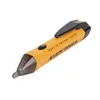
Klein Tools Non-Contact Voltage Tester Pen – $16.94
This guide’s Step 2 says to verify the power is actually off before touching any wires — this pen does that with a simple touch, no multimeter setup required.
- Best for: Step 2 in this guide, confirming the breaker actually killed power before you touch a wire
- Why we picked it: Audible and flashing alerts mean you don’t have to watch a display while your hands are near the fixture
- Main drawback: Detects voltage through insulation, so it can occasionally false-alarm near other live wiring nearby
Compare more options
 Option 1 Klein Tools Insulated Screwdriver Set, 3-Piece – $22.98
|
 Option 2 Wire Nut Connector Assortment, 350-Pack – $9.99
|
 Option 3 Delxo Folding Step Stool, 13 Inch – $17.99
|
As an Amazon Associate we earn from qualifying purchases.
Gathering Your Essential Tools and Safety Gear
Before we dive into the removal process, let’s make sure you have everything you need. Having the right tools on hand will make the job much smoother and safer. Safety is always our top priority when working with electricity, so don’t skip this crucial step!
Must-Have Tools for Fixture Removal
- Screwdrivers: A Phillips head and a flathead screwdriver are usually all you’ll need. Make sure they have insulated handles for added safety.
- Wire Strippers/Cutters: These are useful for cleanly cutting or stripping wires if necessary, though often you’ll just need to disconnect them.
- Voltage Tester: This is your most important safety tool. A non-contact voltage tester or a multimeter will confirm that the power is truly off.
- Pliers: Needle-nose pliers can be very helpful for gripping and manipulating wires.
- Safety Glasses: Protect your eyes from dust, debris, or any accidental wire spring-backs.
- Ladder or Sturdy Step Stool: To safely reach the light fixture, especially if it’s on the ceiling. Ensure it’s stable and placed on a level surface.
- Work Gloves: For a better grip and to protect your hands.
- A Friend (Optional, but helpful!): An extra pair of hands can be useful for holding parts or steadying a ladder.
Knowing your tools will make you feel more confident. Think of them as your design sidekicks for this project!
Step-by-Step Guide: How to Remove a Bathroom Light Fixture
Now that you’re prepped with your tools, let’s get to the exciting part – removing that old fixture! We’ll break it down into easy-to-follow steps. Remember, patience and attention to detail are your best friends here.
Step 1: Turn Off the Power at the Source
This is the most critical step. Before you touch anything electrical, you must cut off the power to the bathroom light. Go to your home’s main electrical panel (often called a breaker box or fuse box). Find the breaker that controls the bathroom lighting. Flip the switch to the “off” position for that specific circuit. If your panel isn’t labeled clearly, you might need to flip breakers one by one, checking if the light you intend to work on is off. It’s better to be safe than sorry!
Tip: To be absolutely sure, you can also turn off the main breaker for the entire house if you’re unsure which breaker controls the bathroom light feed. Once the breaker is off, head to the bathroom and try to switch on the light. If it doesn’t turn on, the power is successfully cut.
Step 2: Verify the Power is OFF with a Voltage Tester
Even after flipping the breaker, it’s essential to double-check. Use your non-contact voltage tester. Carefully hold the tip of the tester near the light fixture’s switch and then near the fixture itself (if accessible). If the tester lights up or beeps, the power is still on! Go back to the breaker box and find the correct breaker again. Once the tester indicates no voltage, you can proceed with confidence. A reliable source for understanding electrical safety is the U.S. Consumer Product Safety Commission (CPSC), which offers excellent advice on household electrical safety.
Step 3: Remove Light Globes or Shades
Most bathroom light fixtures have glass globes, shades, or covers that protect the bulbs. These are usually attached with clips, screws, or a threaded collar.
- For clip-on shades: Gently pull the shade away from the fixture. They might have small clips that release when you apply gentle pressure.
- For screw-on shades: You’ll typically find small screws around the base of the shade. Loosen these with your screwdriver until the shade is free. Keep these screws in a safe place, perhaps in a small container or a plastic baggie taped to the fixture.
- For threaded shades: Gently twist the shade counter-clockwise. It should unscrew from the fixture base.
Be careful as these can be fragile. If you’re unsure, look for small screws or clips that might be securing them.
Step 4: Unscrew the Light Bulbs
Once the globes are off, you’ll have direct access to the light bulbs. Carefully unscrew each bulb by turning it counter-clockwise, just as you would when changing a burnt-out bulb. Place the bulbs aside in a safe spot where they won’t roll away or get broken.
Step 5: Expose the Fixture Mounting Hardware
Now comes the part where you actually detach the fixture from the wall or ceiling. The mounting hardware will vary depending on the type of fixture.
- Vanity Lights (typically on the wall): These often have a decorative base plate that screws directly to the electrical box. You might need to remove small screws on the top or bottom of this plate to allow it to swing down or detach completely.
- Ceiling Fixtures: Many ceiling fixtures are held up by a mounting bracket, often attached to the electrical box above. You might need to remove a decorative canopy or trim piece first. Look for screws or a threaded rod with a decorative nut holding it in place.
Sometimes, there’s just a central screw or a few screws holding the entire fixture base to the electrical box.
Step 6: Carefully Disconnect the Wiring
This is the stage where you’ll see how the fixture is connected electrically. Your fixture will be attached to wires coming out of the electrical box in the wall or ceiling. These wires are usually connected using wire nuts (small plastic caps).
- Identify the wires: You’ll typically see three types of wires:
- Black (Hot): Usually the power supply wire.
- White (Neutral): Completes the circuit.
- Green or Bare Copper (Ground): A safety wire.
- Remove the wire nuts: Once you’ve identified the connections, carefully twist each wire nut counter-clockwise to remove it. If a wire nut is stubborn, you can gently wiggle it or use pliers to help.
- Separate the wires: After removing the nuts, the fixture’s wires will be free from the house wiring. Gently pull them apart.
Important Note: If you encounter any discoloration, melting, or frayed wires, stop and consider calling a qualified electrician. This could indicate a more serious electrical issue. For more information on standard wiring colors, you can refer to resources from the Electrical Safety Foundation International (ESFI).
Step 7: Remove the Old Fixture from the Mounting Bracket
With the wires disconnected, the fixture should be loose. It’s often held to a mounting bracket or directly to the electrical box by screws.
- Wall fixtures: The mounting plate might be held by two screws. Remove these screws, and the fixture should detach.
- Ceiling fixtures: The fixture may hang from a central threaded rod or be attached to a mounting plate with screws. Remove any securing nuts or screws.
You might want to have your friend steady the fixture as you remove the last screw, or be prepared to support its weight yourself. Once all screws are out, gently pull the fixture away from the wall or ceiling.
Step 8: Cap Off the Exposed Wires (Temporarily)
After the old fixture is completely removed, you’ll see wires protruding from the electrical box. To prevent accidental contact and ensure safety, you must cap these wires. Use new wire nuts (or reuse the old ones if they are in good condition and fit snugly) and twist them securely onto the ends of each individual wire (black, white, and ground). This is a crucial safety step, especially if you won’t be immediately installing a new fixture.
Step 9: Clean the Area and Prepare for New Installation
Take a moment to clean up the area where the old fixture was. Dust and debris can accumulate behind fixtures. Wipe down the wall or ceiling surface. If you’re installing a new fixture right away, ensure the electrical box is secure and ready. If not, you can temporarily cover the opening with a blank cover plate for a clean look until your new fixture arrives.
Working on plumbing at the same time? How To Remove A Drain Stopper covers that separate fix.
Types of Bathroom Light Fixtures and Their Removal Nuances
While the general steps remain the same, different types of bathroom light fixtures can have slight variations in their removal process. Understanding these can save you time and prevent confusion.
Table: Common Bathroom Light Fixture Types & Considerations
| Fixture Type | Typical Mounting | Removal Considerations |
|---|---|---|
| Vanity Bar Lights (Horizontal, over mirror) | Screwed directly to electrical box or through a decorative plate. | May have a long frosted glass shade that needs to be removed first. Look for screws along the bottom edge of the bar. |
| Sconce Lights (Vertical, on either side of mirror) | Screwed to a mounting bracket attached to the electrical box. | Often involves removing a decorative cover or glass shade, then unscrewing the main fixture arm from the bracket. |
| Pendant Lights (Hanging style) | Suspended from a ceiling box via a wire or rod. | Requires removing a canopy that hides the electrical connections. Support the weight of the fixture as wiring is disconnected. |
| Flush Mount / Semi-Flush Mount Ceiling Lights | Attached directly to a ceiling box or mounting bracket. | Usually secured by screws that go through the fixture’s trim. The trim may need to be removed first to access these screws. |
| Recessed Lights / Can Lights | Installed within the ceiling structure. | Removal involves releasing spring clips from inside the ceiling or a twist-and-lock mechanism. More complex and often requires tools like a drywall saw if replacing the entire can. |
Troubleshooting Common Issues
Even with the best preparation, you might run into a small snag. Here are a few common issues and how to tackle them:
- Stubborn Wire Nuts: If a wire nut won’t budge, try gently wiggling it while twisting counter-clockwise. Pliers can sometimes provide a better grip, but be careful not to damage the wires.
- Fixture is Stuck: Make sure you’ve removed all visible screws. Sometimes, a thin layer of paint can seal the fixture to the wall or ceiling. Gently try to pry it away with a putty knife (being careful not to damage the surface), or check for hidden clips or tabs.
- Unlabeled Breaker Box: If your breaker box isn’t labeled, you can do a quick DIY labeling project. With the light on, flip breakers until the bathroom light turns off, then label that breaker with a piece of tape and a marker.
- Old or Damaged Wiring: If you see brittle, discolored, or frayed wires, it’s a sign that the wiring might be old and potentially unsafe. This is a good time to consult a professional electrician. They can assess the situation and ensure everything is up to code and safe.

Frequently Asked Questions (FAQ)
Here are some common questions beginner DIYers have about removing bathroom light fixtures:
Q1: How long does it take to remove a bathroom light fixture?
A1: For most simple fixtures, removing them can take anywhere from 15 to 45 minutes. This includes gathering tools, turning off power, and disconnecting the fixture. More complex fixtures or unexpected issues might take a bit longer.
Q2: Do I need to hire an electrician to remove a light fixture?
A2: If you are comfortable and confident with basic electrical safety steps, especially turning off power and using a voltage tester, you can likely remove a light fixture yourself. However, if you have any doubts or encounter problems like old wiring, it’s always best to call a qualified electrician.
Q3: What should I do if I can’t find the right breaker?
A3: If your breaker box is unlabelled, you can test breakers one by one. Turn off a breaker, then go to the bathroom and try to turn on the light. If it doesn’t work, you’ve found the right one. Turn it back on, and try the next breaker until you confirm which one controls the light. For safety, it’s recommended to turn off the main breaker if you’re unsure.
Q4: Can I just cut the wires?
A4: Absolutely not! You should never cut wires unless you are certain the power is off and you know how to properly cap them afterwards. Always disconnect by removing wire nuts. Cutting wires without proper knowledge can be dangerous and can lead to electrical hazards and future problems.
Q5: What is a “wire nut” and how do I use it?
A5: A wire nut is a conical-shaped connector used to join electrical wires together. To remove one, you simply twist it counter-clockwise. To use one (like when capping wires temporarily), you push the exposed ends of wires into the nut and twist clockwise until it’s snug.
Q6: Where can I learn more about electrical safety at home?
A6: Reputable sources like the National Fire Protection Association (NFPA) and the Centers for Disease Control and Prevention (CDC) offer valuable information and tips on maintaining electrical safety in your home.
Once the new fixture is up, How To Clean Brushed Nickel Bathroom Fixtures keeps it looking new.
Conclusion: Your Bright New Beginning Awaits!
Congratulations! You’ve successfully navigated the steps to remove your bathroom light fixture. See? It wasn’t so scary after all. By following these guidelines, prioritizing safety, and taking your time, you’ve not only completed a DIY project but also opened the door to a beautifully updated bathroom space. Whether you’re installing a brand-new vanity light that casts a flattering glow or a statement ceiling fixture that wows, the foundation for your new look is now perfectly in place. Embrace the satisfaction of a job well done, and enjoy the fresh ambiance your new lighting will bring!
Products related to this article
Sponsored / affiliate links. As an Amazon Associate I earn from qualifying purchases. I may earn additional commission from eligible campaigns.