Difference Between Box Spring and Platform: Essential Choice
The main difference between a box spring and a platform bed is support: a box spring uses springs and fabric shielding to cushion a mattress, while a platform bed offers solid or slatted horizontal support directly underneath. Choosing correctly impacts mattress longevity, feel, and overall bed height.
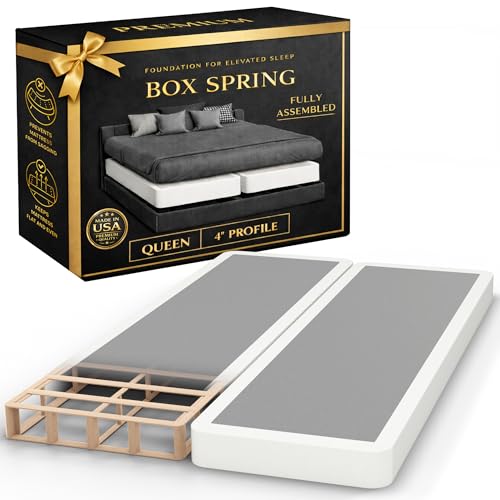
Spring Sleep
Spring Sleep, Box Spring Bed Base Queen…
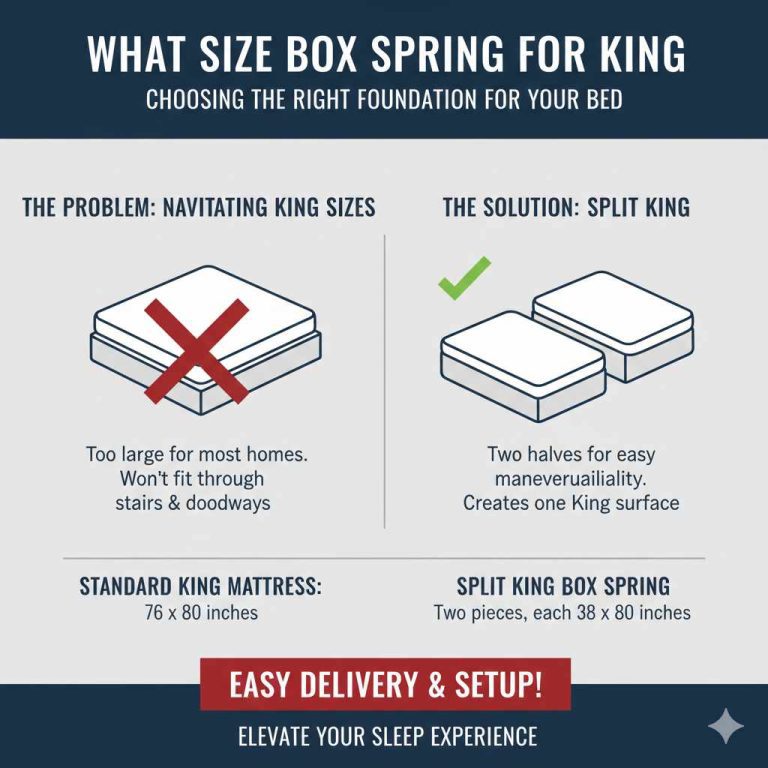
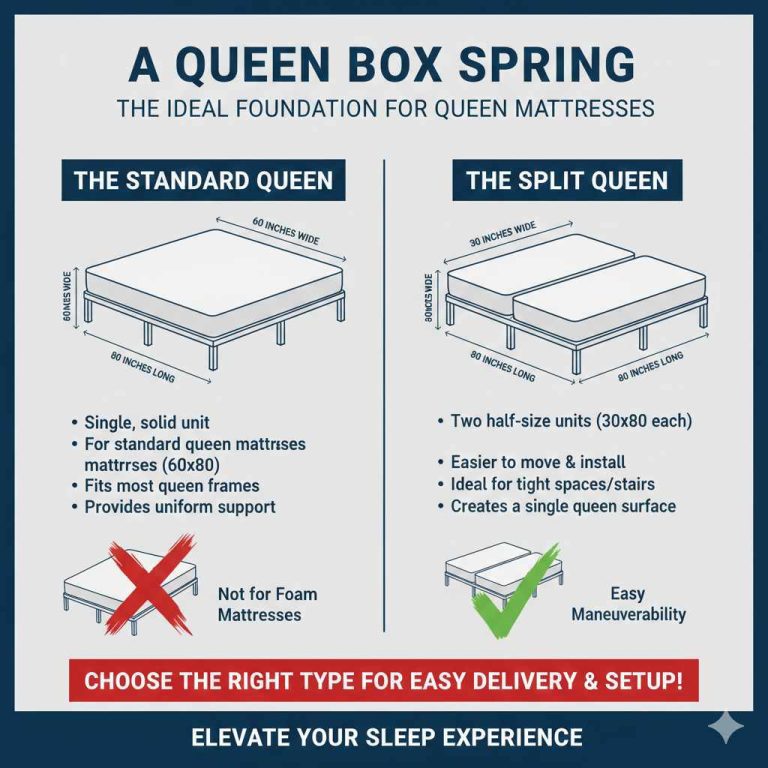
- FULLY ASSEMBLED & COMPACT – This queen bed box spring is fully assembled and 2-pieces to make it easier to move and reduce the cha…
- FITS THROUGH TIGHT SPACES – Narrow hallways and stairwells are no problem for this queen boxspring. Each piece fits easily through…
- QUIET, NOISELESS & COMFORTABLE – This queen size box spring is made from solid wood and snug-fitting joints that stay quiet withou…
As an Amazon Associate I earn from qualifying purchases.
Deciding on the right foundation for your new mattress can feel confusing. Should you get that traditional, bouncy box spring, or are you better off with a modern platform bed frame? It’s a common sticking point for new homeowners and apartment renters alike. Getting this choice wrong can affect how comfortable you sleep and even shorten the life of your expensive new mattress. Don’t worry! This guide will break down the core differences in simple terms. We are going to look at what each option does, why you might pick one over the other, and how to make the best choice for your bedroom setup.
Understanding Bed Foundations: Why Do You Need Support?
Whether you realize it or not, your mattress needs a solid partner underneath it. This partner is called the “bed foundation.” Think of it like the chassis on a dependable car—it provides the necessary structure and support so the main component (the mattress) can do its job correctly.
Using the wrong foundation is like putting cheap tires on a high-performance vehicle; it wears things out faster and doesn’t deliver the ride quality you paid for. Modern mattresses, especially foam and hybrid types, have very specific needs regarding airflow and firmness beneath them. Knowing the difference between the two most popular options—the box spring and the platform—is the first step to a great night’s sleep.

What is a Box Spring? The Classic Foundation
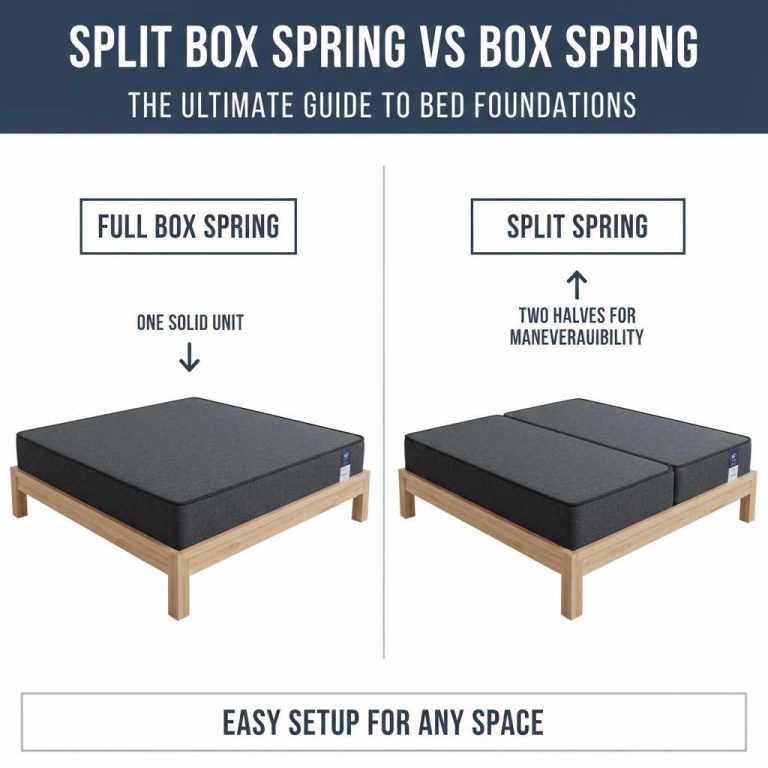
The box spring is the traditional choice you likely grew up with. It’s a rectangular frame, usually made of wood, wrapped in fabric, and filled with steel coils or metal grids.
How a Box Spring Works
Its core job is to absorb shock and provide flexible support. When you press down on a mattress resting on a box spring, the internal springs compress, which cushions the impact. This was especially necessary for older innerspring mattresses that needed extra give.
Here are the key characteristics of a standard box spring:
- Structure: Wood or metal frame filled with springs or metal wires.
- Function: Offers a slight bounce and shock absorption.
- Height: Adds significant height to the overall bed structure (often 7 to 10 inches).
- Compatibility: Best paired with traditional innerspring mattresses.
Pros and Cons of Using a Box Spring
Like any component, the box spring has specific advantages and disadvantages you need to weigh:
Pros of a Box Spring
- Familiar Feel: If you like a slightly bouncier, higher-sitting bed, this provides that classic feel.
- Shock Absorption: It protects the actual mattress coils from wearing out prematurely due to repeated impact.
- Easy to Find: They have been the standard for decades, so they are widely available in matching sets.
Cons of a Box Spring
- Modern Mattress Issues: Many new foam mattresses (memory foam, latex) say a box spring will void their warranty because the springs allow too much movement and don’t provide uniform support.
- Added Height: If you are shorter or prefer a lower-profile bed, a box spring makes climbing into bed much harder.
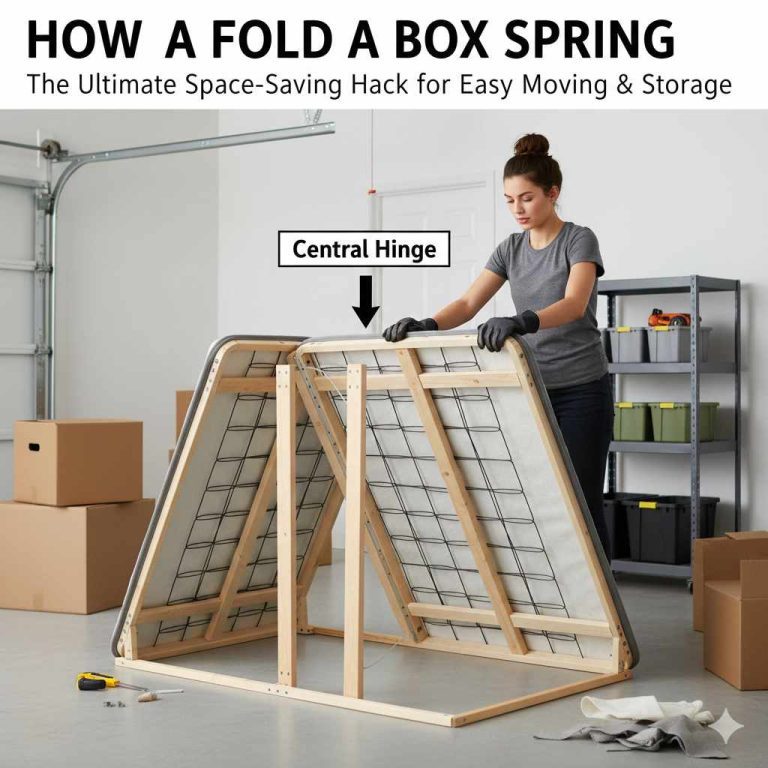
- Weight: They add substantial weight to your overall setup, making moving tricky.
What is a Platform Bed? The Modern Solution
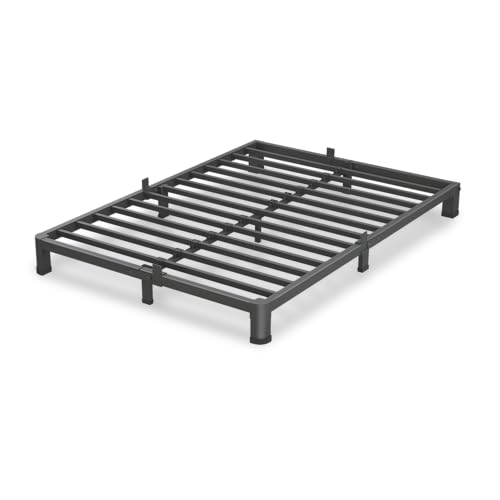
A platform bed is a type of bed frame that features a solid or slatted base built directly into the frame. It does not require a separate box spring.
How a Platform Bed Works
The platform provides a firm, flat surface across the entire area where the mattress rests. The support comes from the built-in structure itself. This eliminates the need for that extra, often bulky, foundation layer.
There are generally two types of platform support systems:
- Solid Surface: A plywood or solid wood deck covers the base. This needs to be covered with a thin piece of fabric or placed directly under the mattress.
- Slatted Surface: This is the most common type. Wooden or metal slats run across the frame, offering support while allowing excellent airflow underneath the mattress core.
For proper slat spacing—a crucial factor for modern mattress warranties—many manufacturers recommend the gaps between them not exceed 2 to 3 inches. Check your mattress warranty documents! For example, guidelines often reference the recommendations set by organizations related to mattress safety and construction standards, such as those outlined by groups promoting best building practices for bedroom furniture (A resource for building standards often references structural requirements).
Pros and Cons of Using a Platform Bed
Platform beds have become wildly popular for several good reasons, but they aren’t perfect for every situation.
Pros of a Platform Bed
- Perfect for Foam: They offer the firm, uniform support that memory foam, latex, and many hybrid mattresses require to function correctly and maintain their warranty.
- Lower Profile: They sit much closer to the ground, which is safer and easier to access, especially in rooms with lower ceilings.
- Built-in Storage: Many platform frames come with built-in drawers or offer significant clearance underneath for storage bins.
- No Extra Cost: Since the foundation is built-in, you don’t have to purchase an expensive box spring separately.
Cons of a Platform Bed
- Firmness: While excellent for foam, some find the extremely firm support less comfortable if they are used to the extra softness a box spring provides underneath an innerspring.
- Airflow (Solid Decks): If you choose a solid platform deck instead of slats, moisture can get trapped, leading to potential mildew issues if you have a cheap mattress cover.
- Assembly: Platform frames often require more extensive assembly since you are building the entire base structure.
The Key Difference: Structure and Feel
The most crucial takeaway when understanding the difference between box spring and platform is how they handle impact and support the mattress.
Think of it this way:
- Box Spring: Acts like a cushion or a soft shock absorber. It moves with the mattress.
- Platform: Acts like a solid table or shelf. It provides a static, unmoving surface for the mattress to rest upon.
This difference directly impacts the feel of your bed. A platform tends to give a firmer, more responsive feel because the pressure you exert stays localized. A box spring disperses that pressure slightly, creating a softer initial feel.
Comparison Table: Box Spring vs. Platform
To make the decision even clearer, let’s look at how these two foundations stack up side-by-side:
| Feature | Box Spring Foundation | Platform Bed Frame |
|---|---|---|
| Primary Support Mechanism | Internal springs or coils | Solid deck or supportive slats |
| Required Mattress Type | Traditional innerspring | Memory foam, latex, hybrid |
| Added Height | High (adds 7–10 inches) | Low (minimal added height) |
| Airflow | Generally good, depending on construction | Excellent (with slatted designs) |
| Overall Cost (Foundation Only) | Moderate to High (must buy separately) | Low (foundation is built-in) |
Matching the Foundation to Your Mattress Type
This is where many first-time buyers make mistakes. Your mattress manufacturer dictates what foundation is safe to use if you want your warranty to stay valid. Using the wrong foundation can cause premature sagging that the company won’t cover.
Innerspring Mattresses
These heavier, older style mattresses often rely on the slight give and support of a traditional box spring, particularly if they are older models.
- If your innerspring mattress is new, check the manual. Many modern ones can use a platform or even a sturdy metal roll-out foundation.
- If the manual says ‘Use Box Spring,’ stick to that for maximum support and longevity.
Memory Foam and Latex Mattresses
Foam mattresses need sheer, even support. They do not like springs or gaps beneath them that allow the foam to sag into the empty space.
Platform beds with closely spaced slats or solid wood decks are the gold standard here. The firm surface keeps the expensive foam layers stable and prevents premature breakdown. Trying to use a box spring with memory foam is a recipe for heat retention (because the springs trap air) and uneven support.
Hybrid Mattresses
Hybrids combine foam comfort layers with an underlying coil system. They are often flexible, but manufacturers usually lean toward platform support.
Ensure the slats are closely placed (usually less than 3 inches apart). If you insist on a box spring, you must find a “low-profile” or “Bunkie Board” style foundation, which offers rigidity rather than coil springiness. A Bunkie board is essentially a thin sheet of wood or composite material placed on top of a regular frame to create a uniform, hard surface.
Practical Considerations: Budget, Height, and Style
Choosing a foundation isn’t just about technical compatibility—it’s also about making your bedroom look and feel right.
1. Budget Matters
A box spring often seems cheaper initially if you are just buying the foundation piece. However, you usually need to buy the separate frame and the box spring. A platform bed frame is an all-in-one purchase where the support structure is included, often saving you money in the long run.
2. Bed Height and Accessibility
Consider who will be sleeping in the bed. Older adults or those with mobility issues often find very high beds difficult to get in and out of. Since platform beds sit lower to the ground, they are generally easier on the knees and hips.
For example, if you have standard 8-foot ceilings, a lower profile bed prevents the room from feeling visually squashed. According to many interior design guides, lower furniture tends to make spaces feel larger and airier (Reputable design sources often discuss furniture scale and ceiling height).
3. Aesthetics and Style
Platform beds dominate modern, minimalist, and mid-century modern décor. They have clean lines and often sit low, exposing more of the floor, which creates a sleek look.
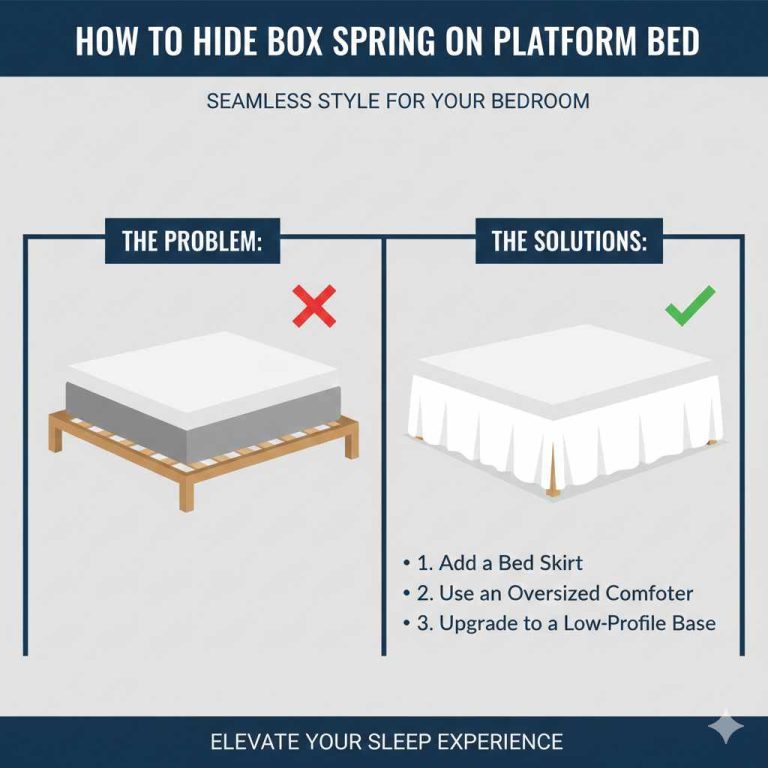
Box springs are often hidden entirely by thick comforters or bed skirts. You might need a bed frame that specifically accommodates a box spring (a metal frame with side rails, for example), which can look bulkier than a streamlined platform frame.
Choosing the Right Support: A Step-by-Step Guide
To make the best, most confident choice, follow these simple steps. Follow these steps just like you would check the oil and tire pressure on your vehicle—routine checks lead to longevity!
Step 1: Read Your Mattress Warranty Documentation
This is non-negotiable. Find the paperwork that came with your mattress. Look for sections titled “Warranty,” “Foundation Requirements,” or “Support Specifications.”
- If it explicitly states “Must use a traditional box spring,” then that is your answer.
- If it states “Use a solid or slatted foundation with slats no more than X inches apart” or “Void if used on a box spring,” then you need a platform or slat system.
Step 2: Assess Your Current Mattress Technology
Take inventory:
- Is it 100% memory foam, gel foam, or soft latex? –> Platform/Slats Required.
- Is it a traditional mattress where you can visibly see or feel the coils without peeling back the fabric? –> Box Spring is likely best, but check the label.
- Is it a Hybrid? –> Platform/Slats with closer spacing are usually the required choice.
Step 3: Determine Desired Bed Height
Measure the height of your current setup (if you have one) or visualize how high you want the top of your mattress to be off the floor.
Calculation Example:
- Mattress Thickness: 12 inches
- Desired Box Spring Height: 9 inches
- Total Bed Height: 21 inches
If you choose a platform, you only add the mattress thickness (12 inches), resulting in a much lower profile.
Step 4: Consider Airflow and Climate
If you live in a humid, warm climate (think the Deep South or coastal areas), airflow beneath the mattress is critical to prevent moisture buildup.
Platform beds, especially slat systems, naturally promote fantastic airflow, helping keep the foam or gel layers cool. Box springs, designed to cushion, can sometimes hinder this necessary exchange.
Step 5: Assess the Frame Style You Prefer
Do you want a bed that looks sleek, modern, and low to the ground? Go Platform.
Do you prefer a more traditional look where the foundation hides the support structure, or do you need the extra height for ease of getting in and out? A Box Spring setup might fit better aesthetically.
Can You Use Both a Box Spring and a Platform? (The Bunkie Board Solution)
Sometimes you inherit a sturdy platform frame but have a new innerspring mattress that needs a bit of cushioning, or you buy a platform frame with widely spaced slats that won’t satisfy your foam mattress warranty.
In these cases, the answer is often the Bunkie Board, or sometimes a very thin, low-profile foundation designed specifically for platform use.
What is a Bunkie Board?
A Bunkie board is essentially a thin, rigid foundation (usually about 2–3 inches thick). It’s made of sturdy plywood or composite material covered in fabric. You place it directly onto the slats of your platform bed frame.
Why use it?
- It bridges the gaps between wide slats, creating a smooth, continuous surface.
- It adds minimal height to the overall setup.
- It gives the necessary firmness required by many memory foam mattresses, even when using a platform frame.
Important Note: You should almost never place a standard box spring on top of a platform bed frame. The combined structure would be far too high, incredibly heavy, and the separate springs in the box spring fighting against the slats of the platform would create an uneven, unstable sleeping surface.

FAQ Section: Quick Answers for Beginners
Q1: If I have a platform bed, do I need anything else under my mattress?
A: Usually, no. The platform itself (slats or solid deck) is the foundation. However, if the slats are wide apart (more than 3 inches), you will need a thin Bunkie board to ensure even support and satisfy most warranties.
Q2: Will using a box spring with a memory foam mattress void the warranty?
A: Yes, almost certainly. Memory foam requires firm, uniform support. The springs in a box spring are too flexible and allow the foam to sink unevenly, which causes wear and tear that manufacturers will not cover.
Q3: Which option is better for preventing my bed from sinking in the middle?
A: Platform frames, especially rigid slatted designs, are generally better at preventing the dreaded middle dip over time because the support structure is fixed and sturdy, unlike the internal springs in a box spring which degrade faster.
Q4: Can I save money by just putting my mattress directly on the floor instead of buying a foundation?
A: It’s not recommended for safety or hygiene. Putting any mattress directly on the floor traps moisture and severely restricts airflow. This quickly leads to mold, mildew, and mattress material breakdown. It also voids almost every warranty.
Q5: How high should my finished bed (mattress + foundation) be?
A: There is no set rule, but most people find comfortable heights range between 22 and 30 inches from the floor to the top of the mattress. Measure from the floor to your hip when standing—that’s a good target height for easy mounting and dismounting.
Q6: Do platform beds require a specific type of frame construction?
A: Yes. If you are buying a platform frame for a foam or hybrid mattress, confirm it has center support legs running down the middle, especially for Queen, King, and California King sizes.
Final Verdict: Box Spring or Platform Bed?
Choosing between a box spring and a platform bed isn’t about which one is “better” overall — it’s about which one is better for your mattress, your comfort preferences, and your bedroom setup.
A box spring represents the traditional route. It adds height, offers a bit of bounce, and works well with classic innerspring mattresses that were designed to rely on flexible coil support. If you prefer a taller bed and a slightly cushioned feel underneath, it can still be a solid option — as long as your mattress manufacturer approves it.
A platform bed, on the other hand, reflects how modern sleep systems are built today. With its firm, uniform surface and lower profile, it’s the ideal partner for memory foam, latex, and most hybrid mattresses. It promotes airflow, maintains structural stability, and typically protects your warranty without requiring extra foundation pieces.
Related pick: Check today's price on Amazon
Products related to this article
Sponsored / affiliate links. As an Amazon Associate I earn from qualifying purchases. I may earn additional commission from eligible campaigns.