How To Fold A Box Spring: Essential Guide
Yes, you can fold a standard box spring! Folding a box spring for moving or disposal usually involves carefully cutting the outer fabric layer down the middle and folding the internal frame in half. Always check if your specific box spring model allows this first, as some modern or specialized units may not be foldable.

Yarfyk
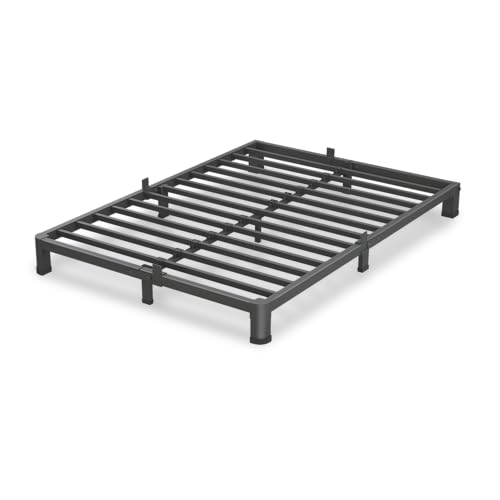
Yarfyk Folding Box Spring,Queen Bed Support,Full 74"x…
- BUNKIE BOARD adds extra support under the mattress to help prevent the mattress from sagging bringing life to an old uncomfortable…
- BED BOARD FOR UNDER MATTRESS provides a low profile solution to keep the mattress firm without the added bulk or height of a tradi…
- MATTRESS SUPPORT is foldable to conveniently store and pack away and is lightweight enough for travel
As an Amazon Associate I earn from qualifying purchases.
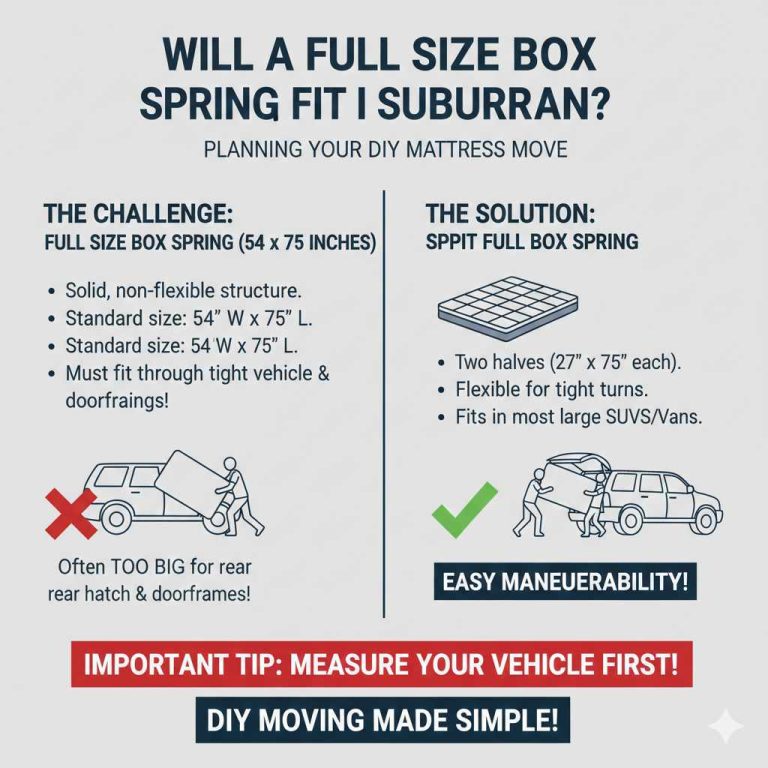
Moving day or that big bedroom remodel can bring a huge headache: what do you do with that giant, awkward box spring? They never seem to fit through doors or up stairwells! It feels like you need a whole moving crew just to navigate that one piece of furniture. Don’t let that bulky old box spring stress you out. You absolutely can make it smaller, often by folding it right in half, saving you time, money, and your back.
This guide is here to walk you through exactly how to fold a box spring safely and effectively. We’ll use simple terms and clear steps so you can tackle this task with total confidence. Ready to shrink that giant box spring down to size? Let’s get started so you can clear out that room!
Why Would You Need to Fold a Box Spring?
It might seem strange to fold something that looked permanently rigid when you bought it, but there are many practical reasons folks look into folding a box spring:
- Moving Cost Savings: Large furniture takes up a lot of space in moving trucks or rental vans. Making a box spring half its size can save you money on moving fees.
- Tight Spaces: Sometimes the box spring simply won’t fit through a narrow hallway, a tight staircase turnaround, or a small apartment door.
- Disposal: Getting rid of large items can be tricky. Folding it makes it easier to carry to the curb or load into a donation truck.
- Storage: If you’re short on space in a garage or storage unit, a folded box spring takes up far less room.

Important Warning: Is Your Box Spring Actually Foldable?
Before you grab the scissors, remember that not all box springs are built the same way. The ability to fold depends heavily on the construction and age of the unit. Knowing this upfront saves you material and frustration.
Traditional vs Modern Box Springs
Historically, box springs were made of a sturdy wood frame covered in fabric. These are the ones that are generally safest to attempt folding. Modern beds, on the other hand, often use metal frames or tightly packed synthetic materials.
Here is a quick cheat sheet to help you identify what you likely have:
| Type of Box Spring | Typical Construction | Foldability Likelihood |
|---|---|---|
| Traditional Wood Frame | Wooden slats or planks covered in canvas/fabric. Lighter weight. | High (Best candidate for folding) |
| Metal Frame/Foundation | Welded metal grid or heavy metal slats. Often bolted together. | Very Low (Do not attempt to cut or fold metal) |
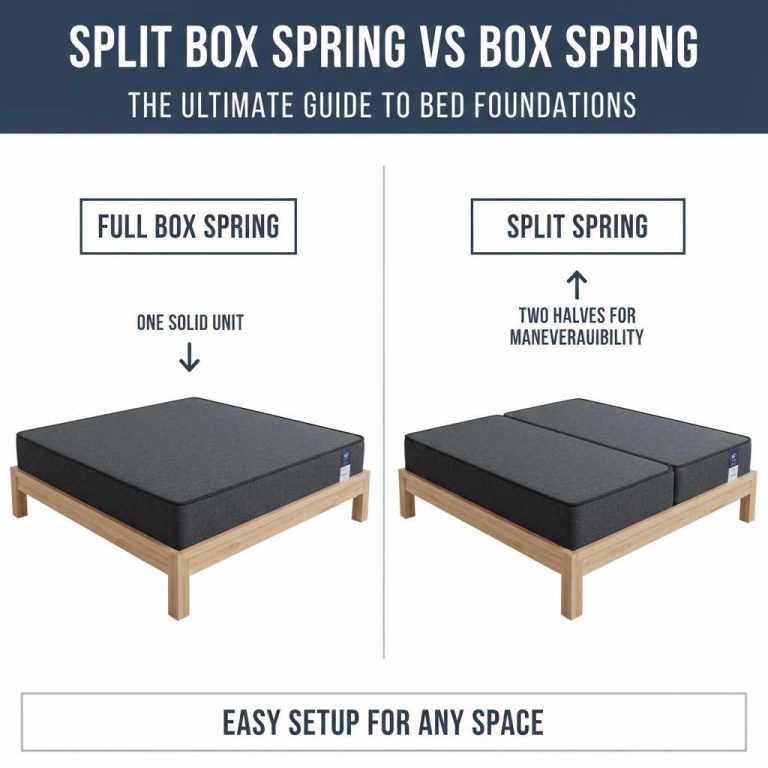
| Split King/Queen | Two separate, identical halves. | N/A (Already half the size, no folding needed) |
| Platform Bed Frames | Support usually comes directly from the platform slats, not a deep box. | Zero (Not a traditional box spring) |
If you have a metal foundation, stop right there! Trying to fold or cut a metal frame is dangerous and ineffective. If you are dealing with metal, your best bet is to disassemble it, which usually means looking for bolts or screws where the frame pieces connect.
Gathering Your Tools: What You Need
You don’t need a full mechanic’s toolbox for this job, but having the right setup makes the process safe and easy. Remember, we are turning a big job into a simple DIY task!
Here are the essentials you should gather before you begin:
- Heavy-Duty Utility Knife or Carpet Cutter: This needs to be sharp enough to slice through thick fabric and perhaps light staples. Safety first—keep your fingers clear!
- Work Gloves: Essential for protecting your hands from sharp edges, dust, and splinters inside the box spring.
- Safety Glasses: To keep fabric shards or staples out of your eyes.
- Measuring Tape: To ensure you are cutting exactly in the center.
- Duct Tape or Heavy Clear Packing Tape: For securing the fabric back together after the fold, or for general repairs.
- Heavy-Duty Staple Remover or Flathead Screwdriver: Useful if the fabric is tightly stapled to the base.
The Step-by-Step Guide: How to Fold A Box Spring
This process works best with two people, especially when maneuvering the box spring afterward. Take your time and follow these steps closely. We are aiming for neatness, not speed!
Step 1: Prepare the Area and Gather Supplies
Clear out the room where the box spring currently sits. You need plenty of space to work around the entire perimeter. Lay down a drop cloth or old sheet if you are worried about dust or debris, as cutting the fabric can release some old material.
Step 2: Locate the Center Point
This is the most crucial measurement step. You need to find the exact middle point along the longest side of the box spring. Use your measuring tape to measure the total length.
Example: If your full-size box spring is 75 inches long, the center point is 37.5 inches from either end.
Mark this center point lightly with a piece of chalk or a pencil on the fabric edge running along the side.
Step 3: Cut the Outer Fabric Along One Edge
This is where you gain access to the inner structure. You must expose the internal support system (usually wood or light metal bracing).
- Start at the center mark you just made on the long side of the box spring.
- Carefully use your utility knife to slice the fabric siding open. You only need to slice down the length of one long side.
- Go slowly! You are cutting only the top layer of fabric, not deep into the wood or support beams inside.
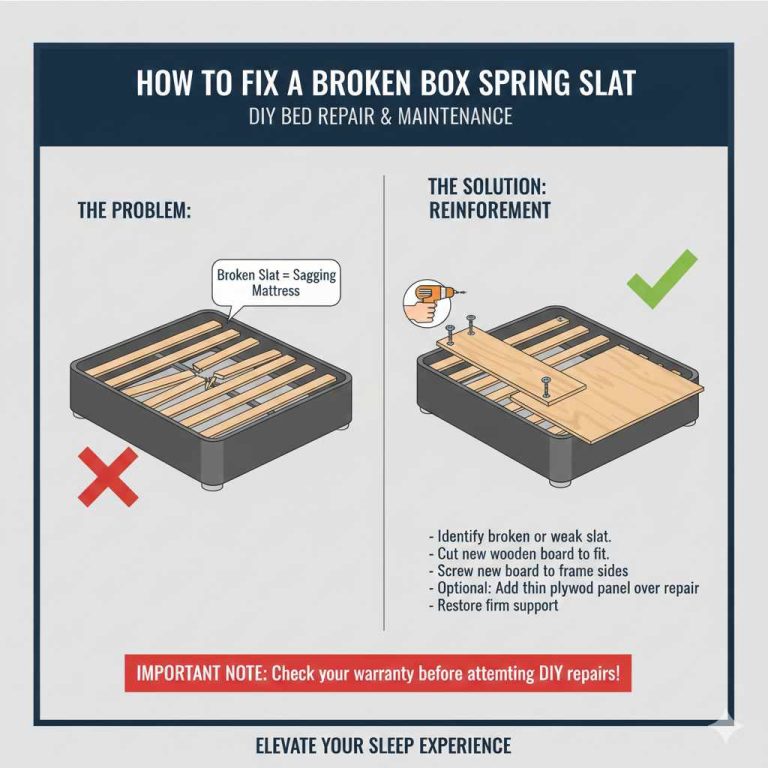
- If the fabric is stapled tightly to the wooden frame underneath, use your staple remover or screwdriver to carefully peel back the outer seam staples along that one long edge so the fabric flap opens easily.
Step 4: Expose and Check the Internal Structure
Once you have a clear flap of fabric open along one side, gently lift it. You will see the internal supports. In most traditional box springs, these supports are connected vertically and often have some flexibility at the center point.
Safety Check: If you see solid, thick wood planks or heavy metal pieces running uninterrupted across the center line, you cannot fold this unit easily. Stop here and consider contacting a junk removal service if disassembly isn’t an option.
If you see lighter slats or a design that appears designed to bend (often with visible hinges or lighter tension pieces at the center), proceed to the next step.
Step 5: Creating the Fold
This step requires firm but controlled pressure.
- With the fabric flap open, position yourself at the center mark.
- Gently begin pushing the two halves toward each other, causing the frame to hinge or bend at the middle.
- It might take a small bit of force to get the initial crease started, but once it starts moving, it should fold relatively easily into a neat L-shape (or a flat fold, depending on the interior design).
- Ensure the interior components line up properly so the folded unit is flat and stable. You want the two halves to sit flush against one another.
Step 6: Securing the Fold
Once folded, the unit is unstable. You must secure it immediately to prevent it from springing open during transport.
- Use heavy-duty duct tape or several robust straps to tightly secure the box spring. Apply the tape or straps perpendicular to the fold line and along the cut edge you created in Step 3.
- If you had to remove many staples, use your heavy-duty tape to re-secure the fabric flap you lifted in Step 3, sealing the original cut, especially where the staples were removed. This helps keep dust and debris contained.
Step 7: Re-covering (If Necessary)
If you plan to use the box spring again, you must protect the exposed interior. While the tape might hold it for a short move, it’s best practice to cover the damaged fabric.
You can purchase heavy-duty moving blankets or even inexpensive black canvas/felt material from a hardware store. Wrap the newly folded unit tightly and secure the new covering with more duct tape or strong packing tape. This reduces abrasion and keeps stray material contained, which is important if you need to transport it inside a nice car interior.
Disassembling Metal or Bolt-Together Box Springs
As mentioned, if you have a metal frame, folding is not the way to go. These are usually designed to be taken apart. This process is often easier than cutting and is usually recommended by manufacturers for moving.
Here are general steps for metal foundations, though you should always consult the manufacturer’s instructions if you have them:
- Inspect for Joints: Look along the frame. You will typically find screws, bolts, or locking mechanisms where the corners meet or where the center support spans the length.
- Use the Right Tool: Use a socket set or wrench that perfectly fits the hardware. Using the wrong tool can strip the bolt heads.
- Systematic Removal: Always remove the center support hardware first, if present. Then, work on the corners. Keep all bolts and screws in a clearly labeled plastic bag. Do not lose them!
- Stack and Secure: Once disassembled, the metal pieces usually stack neatly and can be tied together securely with rope or heavy-duty straps for much easier transport.
For reliable information on appliance and furniture disposal and recycling, checking local municipality guidelines is always a smart move. You can often find local tips through your city’s public works department website, like those managed by local government services (check your local city/county government website for specific regulations).
Tips for Safe Transport After Folding
Once your box spring is folded, it’s much more manageable—but still bulky! Here are a few tips for safe moving:
- Use Moving Straps: Load straps or ratchet straps are fantastic for securing the folded unit to the side of a truck or inside an SUV, preventing it from shifting while driving.
- Mind the Weight Distribution: Even though it’s smaller, the unit is still heavy. Lift with your legs, not your back. If you feel strain, ask for help.
- Protect the Edges: The exposed corners, especially after cutting, can snag on things. Wrap the newly folded edges heavily in moving blankets or thick cardboard secured with tape before loading it onto the truck.

FAQ: Quick Answers About Folding Box Springs
Q1: Can I fold a queen size box spring?
A: Yes, most queen or full-size box springs made with wood internal structures can be folded in half lengthwise, provided they are not heavy metal foundations.
Q2: Do I have to cut the fabric to fold it?
A: Generally, yes. The fabric casing holds the internal wooden or wire supports in place. Cutting one long seam is usually necessary to allow the internal frame to bend at the center point.
Q3: Will folding ruin my box spring for later use?
A: If you fold it correctly and secure the interior structure well, it should be reusable for moving again. However, the structural integrity might be slightly compromised compared to new. For long-term use, consider buying a new foundation or getting a modern split foundation next time.
Q4: What if my box spring is made of metal?
A: If it is a solid metal frame foundation, do not attempt to fold it. You must look for bolts or screws to systematically disassemble the frame instead.
Q5: How do I cover the cut area after I fold it?
A: Use heavy-duty duct tape or clear packing tape over the cut seam to keep dust in and prevent snagging. If you are moving it far, wrapping the entire folded unit in moving blankets and taping them securely is the best option.
Q6: Are split box springs heavy?
A: Split box springs (common for queen and king beds) are usually not heavy because they are simply two separate standard foundations. They are already “folded” in a sense, making them easier to maneuver, though they are still bulky.
Conclusion: You Tackled the Big Task!
See? That giant piece of furniture that was intimidating you moments ago is now much more manageable. Mastering how to fold a box spring is a fantastic, budget-friendly skill for any DIY mover. By carefully identifying the construction, marking your center point, and using the right tools, you’ve successfully reduced its size for easier transport or disposal.
Remember the key takeaways: check for metal frames first, measure precisely, and secure that fold tightly with good tape or straps. You used your know-how to solve a common moving headache, saving time and potential rental fees. Now that the box spring is handled, you can focus on the rest of the move with extra confidence. Great job tackling this big DIY challenge!
Related pick: Check today's price on Amazon
Products related to this article
Sponsored / affiliate links. As an Amazon Associate I earn from qualifying purchases. I may earn additional commission from eligible campaigns.