How To Break A Box Spring: Proven Essential
Breaking down an old box spring for disposal is achievable with basic tools like a reciprocating saw or heavy-duty cutters. Always wear protective gear, clear the area, and work carefully to safely dismantle the wooden frame and metal springs into manageable pieces that fit local recycling or trash guidelines.
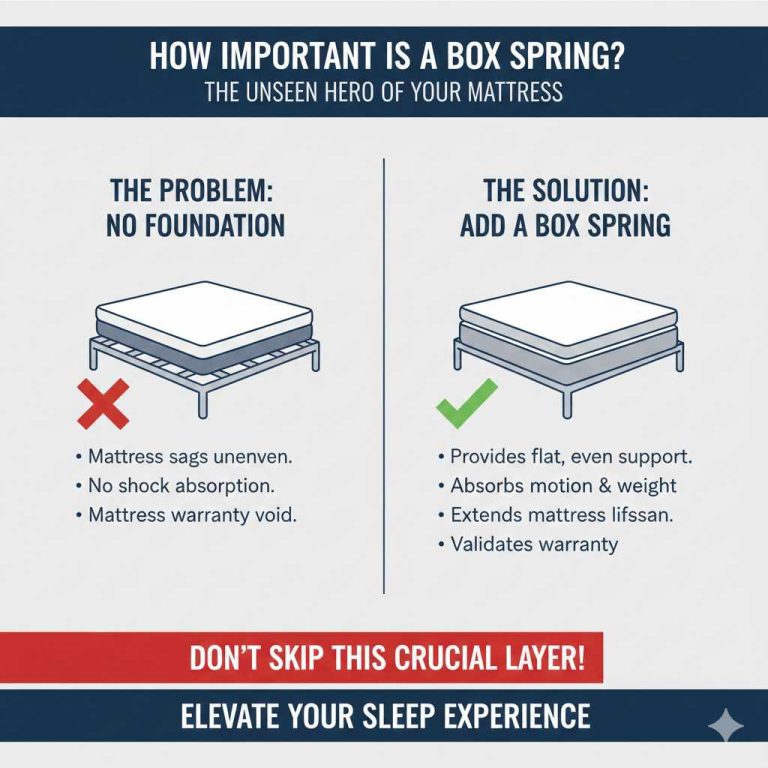
For a closely related home or decor topic, How Important Is A Box Spring? gives readers a useful next step.
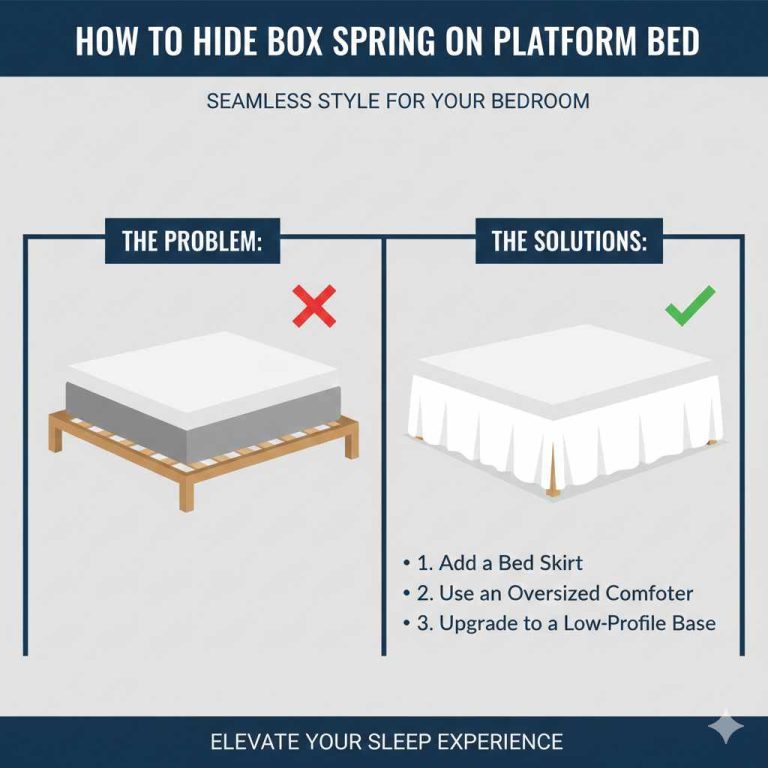
For a related kitchen decision, How To Hide Box Spring On Platform Bed adds another practical detail to check.
For a related kitchen decision, How Much Are Vanities: Proven Essential Costs adds another practical detail to check.
Hey there! Dustin Hall here. We’ve all been there: you finally get that amazing new mattress, but now you’re left staring at the old, bulky box spring. Getting rid of large furniture like a box spring can be a real headache. They don’t fit in the car, and many trash services won’t take them whole. Trying to move a full box spring is heavy work!
Why Breaking Down a Box Spring is Essential
When it comes time for disposal, simply tossing an entire box spring on the curb often isn’t an option. Many areas have strict rules about large items, and even if they do allow bulky pickup, you still have to get that heavy thing to the curb!
Understanding why you need to break it down is the first step to success.
Understanding Box Spring Construction
A box spring isn’t just a flat, springy surface. It’s a sturdy rectangular frame, usually made of wood (sometimes metal), covered in fabric Ticking. Inside that frame, you might find coiled springs, or more modern versions use strong wooden slats or tightly stretched webbing. The key takeaway is that once you remove the outer fabric, you are left with a solid, often heavy, wooden skeleton.
Disposal Roadblocks
Why can’t you just leave it whole?
- Landfill Restrictions: Many municipal solid waste facilities (landfills) limit the size of items they accept without a special appointment or extra fee.
- Bulk Pickup Limits: If your city offers bulk pickup, they often require items to be broken down into sections under a certain size (e.g., 4 feet long).
- Moving Logistics: Even if you plan to take it to a donation center, getting a full box spring up stairs or around tight corners is nearly impossible alone.
By dismantling it, you turn one giant, awkward piece into several smaller, manageable chunks perfect for standard trash collection or drop-off. Plus, breaking it down helps separate materials (wood, metal) for cleaner recycling, which is always a big plus for our environment!

Safety First: Gathering Your Tools and Gear
Before you cut into anything, safety is job number one. Box springs can have sharp staples, splintered wood, and occasionally rusty springs poking out once you start dismantling them. Treating this like a small demolition project ensures you stay safe and sound.
Essential Safety Gear
Never skip this list. A small scrape or eye injury is not worth saving five minutes.
- Safety Glasses/Goggles: Absolutely crucial. Small pieces of wood or metal shards can fly when cutting.
- Work Gloves (Heavy-Duty): Protect your hands from splinters, sharp edges, and staples hidden under the fabric.
- Long Sleeves and Pants: Even on a warm day, physical barriers protect your skin.
- Dust Mask (Optional but Recommended): If you are sawing through old, dusty wood, a simple mask keeps debris out of your lungs.
Tools Needed for the Job
The tools you choose largely depend on what you have available and how tough the box spring is built. Modern box springs are often just wood frames, making them easier to handle than older coil-spring types.
| Tool Option | Best For | Why It Works |
|---|---|---|
| Reciprocating Saw (Sawzall) | Quickly cutting through wood frames and sometimes metal springs. | Provides powerful, targeted cutting action, ideal for wood framing. |
| Heavy-Duty Wire Cutters or Bolt Cutters | Dealing with metal springs or securing wires inside the frame. | Excellent for shearing metal without excessive noise or vibration. |
| Pry Bar or Flathead Screwdriver | Peeling back the fabric covering and separating wood joints. | Leverage is key for removal of staples and separating upholstered sections. |
| Hammer and Nails/Screws | Disassembling stapled corners if you prefer not to saw the edges. | Good for gentle disassembly if the structure relies more on stapling than gluing. |
Step-by-Step Guide: How to Break A Box Spring
Okay, you’re geared up and ready to go. We’re going to tackle this in three main phases: Preparation, Deconstruction (the fun part!), and Cleanup. Remember, take your time and focus on safety.
Phase 1: Preparation and Clearing the Area
First things first, you need plenty of room to work. Trying to dismantle a box spring in a tight bedroom corner is frustrating and dangerous.
- Move It Out of the Bedroom: If possible, move the entire box spring to an area with good ventilation and plenty of space, like a garage, driveway, or backyard. This prevents dust and debris from settling in your living space.
- Protect the Floor: Lay down old blankets, a heavy plastic tarp, or even flattened cardboard boxes where you plan to work. This protects your flooring from scratches or debris from the cuts.
- Examine the Construction: Look closely at the fabric. See where the corners are stapled. If it’s a solid wood frame, the biggest challenge will be cutting the wood. If it looks like it has coils (common on older, taller box springs), you’ll tackle the metal later.
Phase 2: Deconstruction – Removing the Outer Shell
This is where you reveal the skeletal structure inside. We need to get to the wood frame.
- Locate the Staples: The entire fabric covering (Ticking) is held to the wooden frame primarily by staples. Start at one corner, or along a long edge.
- Use the Pry Bar: Take your pry bar or flathead screwdriver. Work it carefully under the fabric lip. You want to lift upwards gently to expose the staples holding the fabric securely to the wood underneath.
- Peel and Cut: As you pry, use your heavy-duty gloves to pull the fabric away. If the fabric resists a clean pull, use sharp scissors or a utility knife to cut along the edges where the fabric meets the frame to free large sections. Many people successfully roll or fold up the fabric once freed—this part is usually trash (check local rules first!).
- Expose the Frame: Keep peeling until you have fully exposed the internal wood framing. This is what you need to cut down to size.
Phase 3: Dismantling the Wooden Frame and Springs
This is the heavy lifting part, and where your saw comes into play.
Option A: Cutting the Wood Frame
If you have clear access to the wooden frame rails, a reciprocating saw makes quick work of this.
- Mark Your Cuts: Decide on the maximum length pieces your local waste service accepts (often 3–4 feet). Use a pencil to mark where you want to cut the longer sides of the frame.
- Secure the Frame: Wood can grab the saw teeth unexpectedly. If possible, clamp one end of the frame down to a workbench or have a helper securely hold the piece steady while you cut the other end. If you can’t clamp it, support the entire piece firmly on the ground.
- Saw Through the Wood: Equip your reciprocating saw with a good wood-cutting blade. Start the cut slowly, letting the saw do the work rather than forcing it. Cut straight through the wood rails at your marked points.
- Separate the Corners: Once the long sides are cut down, the short end pieces will often come apart easily, or you may need another quick saw cut to separate the corners where the frame pieces meet.
Option B: Dealing with Metal Springs (Coil Box Springs)
Older box springs often contain dozens of metal coils packed inside the wooden frame. If you see metal poking through or hear scraping when you move it, you’ll need to address this.
- Warning About Coils: Old metal springs can be rusty or wildly unpredictable when cut. Use extra caution and heavy gloves.
- Use Bolt Cutters: For any visible spring wires connecting the coils, use heavy-duty bolt cutters to snip them.
- Cutting the Frame Around Springs: If the springs are embedded deep, you might need to cut the wood frame around the springs in manageable sections. Try to avoid cutting directly into clustered metal coils if possible, as this dulls blades quickly and creates sharp metal debris.
- Bending Metal: For smaller, thin springs that have come loose, you might be able to bend them tightly with pliers until they snap, reducing the hazard.
If you find yourself dealing with heavy-duty metal springs that refuse to yield, consider taking the whole wooden frame (once the fabric is off) to a local scrap metal recycler, as they often accept the metal components separately. For more technical standards on home demolition and material handling, organizations like the Occupational Safety and Health Administration (OSHA) provide clear guidelines on safe cutting practices, even for DIY projects.
Organizing Materials for Easy Disposal
Once everything is broken down, the final step is sorting. This makes your trip to the recycling center or your curbside placement much easier.
Sorting Your Debris
Separate the remaining materials into these groups:
| Material Type | Recommended Disposal Method | Notes |
|---|---|---|
| Fabric/Upholstery (Ticking) | General Trash Bag | Must be tightly bagged, as this material is usually not recyclable curbside. |
| Untreated Wood (Frame Pieces) | Yard Waste or Wood Recycling | Check if your local program accepts clean, untreated wood for chipping. |
| Metal Springs/Wire | Scrap Metal Recycling | Metals are highly valuable for recycling. Keep these separate and bundled. |
| Staples/Fasteners | General Trash (Small Amounts) | It’s too tedious to remove every tiny staple; toss them with the fabric. |
Boxing Up the Pieces
To handle the resulting pile:
- Use sturdy contractor bags for the fabric and smaller wood scraps.
- Keep the longer wood planks bundled together with old rope or tape so they don’t fall apart when carried.
- Place all metal components in a separate bucket or bag, clearly labeled, if you plan to take them to be recycled separately.
By sorting now, you save time later when you are ready to haul it away. You’ve done the hardest part—reducing the size!
Alternative Methods for Removing Box Springs
While breaking it down yourself offers the most control and potentially saves the most money, it requires physical effort and the right tools. Maybe you lack the tools or the time. Here are alternatives to consider before you start cutting.
Donation and Resale
If the box spring is relatively new and in excellent, clean condition (no stains or odors), you might get lucky.
- Local Non-Profits: Some thrift stores or organizations that help furnish homes for veterans or low-income families might accept them. Always call ahead**, as many no longer accept used bedding due to sanitation concerns.
- Online Listings: Places like Facebook Marketplace or Craigslist sometimes have takers, but be prepared for people to want it for free or very cheap.
Professional Junk Removal Services
If budget allows, professional services are the easiest physical option. Companies like 1-800-GOT-JUNK or local haulers will come in and remove everything, often including light dismantling if needed, for a fee. This is best if you have multiple large items to clear out.
Mattress Recycling Programs
Several states and cities now mandate or encourage specialized recycling programs for mattresses and box springs, as they contain large amounts of reusable material like steel, foam, and wood.
A great resource to find local options is the Mattress Recycling Council (MRC). They offer information on drop-off centers that specifically manage bulky items responsibly. You can often find locations near you by searching the MRC website, which is supported by states that have passed legislation regarding bulky waste management. This is often the most environmentally friendly choice, even though it might require driving the whole unit somewhere specific.

Frequently Asked Questions (FAQ) for Box Spring Dismantling
Q1: Is it safe to use a chainsaw to break down a box spring?
A: While a chainsaw is powerful, it is generally not recommended for box springs because the wood structure is usually thin and surrounded by fabric, staples, and perhaps metal springs. A reciprocating saw offers more control and is much safer for this type of close-quarters cutting. Chainsaws can bind easily on thin wood or hit unseen metal, kicking back dangerously.
Q2: Do I need to remove every single staple from the wood frame?
A: No, you definitely do not need to remove every staple. Once you have separated the main wooden components (the top and bottom perimeter pieces), you can leave the small staples embedded in the wood pieces you are disposing of. Just ensure that no sharp staples are sticking out of the final pieces you plan to move or leave curbside.
Q3: What if my box spring is a “split” king or queen size?
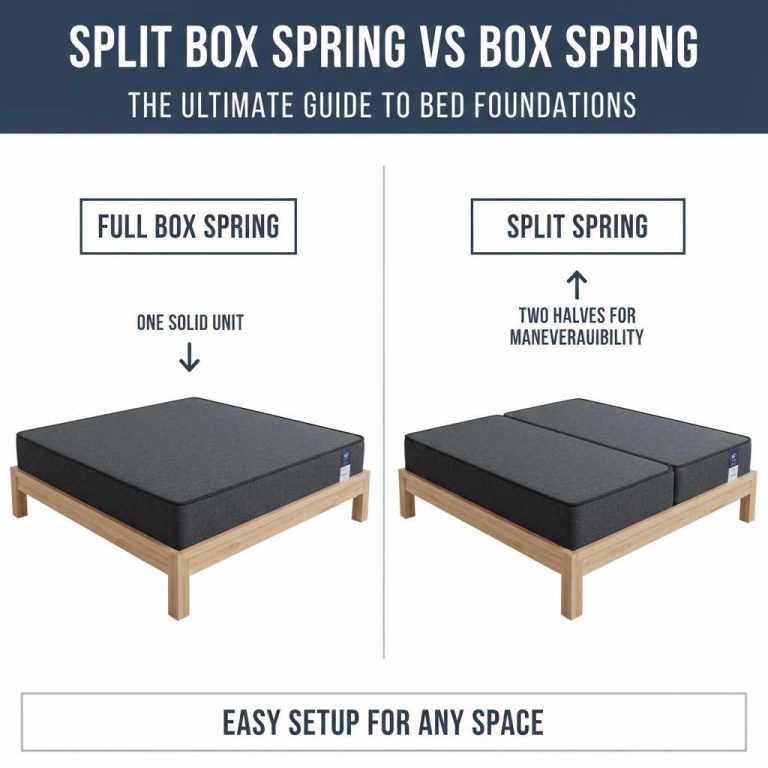
A: Split box springs come in two separate halves that look like two twin XL or two full/queen sections pushed together. The good news is that you can break down each half individually, just as described in this guide. Treating each half as a separate standard box spring will make the process twice as easy to manage.
Q4: Can I just burn the box spring frame?
A: In almost all residential areas, burning upholstered furniture or wood frames is illegal and unsafe. The chemicals in the fabric treatments, glues, and foams release toxic smoke. Always check with your local fire department or waste management authority before considering burning any household item.
Q5: What is the easiest way to get the fabric off the frame?
A: The easiest way is to start at an exterior corner, use a sturdy flathead screwdriver or a small pry bar to lift up the edge of the fabric where it is stapled, and then pull firmly. Work slowly along the perimeter, cutting any stubborn fabric with a utility knife as you go. Patience here saves frustration later!
Q6: Will breaking down the box spring save me money?
A: Yes, breaking it down often does save money! If your town charges a flat fee for bulky item pickup (e.g., $25 per item), dismantling it might allow you to fit the pieces into standard, unlimited trash bags instead, avoiding the fee entirely. If you haul it yourself, smaller loads are often easier and cheaper to drop off at transfer stations.
Conclusion: You Can Handle This Bulky Task
See? You’ve got this! Taking apart a box spring might seem like a major job, but by breaking it down into manageable steps—safety first, peeling the fabric, and then cutting the wood frame—you turn a massive disposal headache into a straightforward afternoon project.
Remember, the goal isn’t perfection; the goal is safe disassembly so that the materials can be properly recycled or hauled away by your local service. Grab your safety glasses, find that reciprocating saw, and give yourself a hand for tackling this often-overlooked piece of home maintenance. When you’re done, you’ll have conquered that bulky furniture, cleared space, and gained a little bit of DIY confidence. Happy hauling!
Products related to this article
Sponsored / affiliate links. As an Amazon Associate I earn from qualifying purchases. I may earn additional commission from eligible campaigns.