Ceiling Fan Cost: How Much You’ll Really Pay
A ceiling fan usually costs about $50 to $300 for the fan itself and about $150 to $900 installed; added wiring, a fan-rated ceiling box, or a switch run can increase the total. Skip those extras, and a cheap fan can become a much bigger bill or an unsafe install. This guide breaks down fan price, labor, and upgrade costs by room and wiring scenario.
This guide is part of our Home lighting and ceiling fan guide series.
Ceiling fan cost at a glance


The total cost has three parts: the fan unit, the install labor, and any upgrades to the box, wiring, controls, or ceiling access. Ceiling fan installation costs range from $134 to $352, with Bob Vila listing $247 as the national average installation cost, but that figure assumes a fairly ordinary job rather than a full wiring change.
For a quick budget read, replacing an existing fan is the cheapest path. Converting a light fixture costs more because the box may need replacement and the wiring must support a motor. A new fan location costs the most because wire runs, switch work, and patching can stack up fast.
| Cost layer | Common range | What it covers |
|---|---|---|
| Fan unit | $50 to $1,400 | Residential models, with-light or without-light, basic remote or wall-control options |
| Labor | $50 to $200 | Removal, mounting, wiring, test run, and basic control setup |
| Upgrade costs | $100 to $2,000 | Fan-rated box, new wiring, switches, patching, or harder access |
What does a ceiling fan cost?
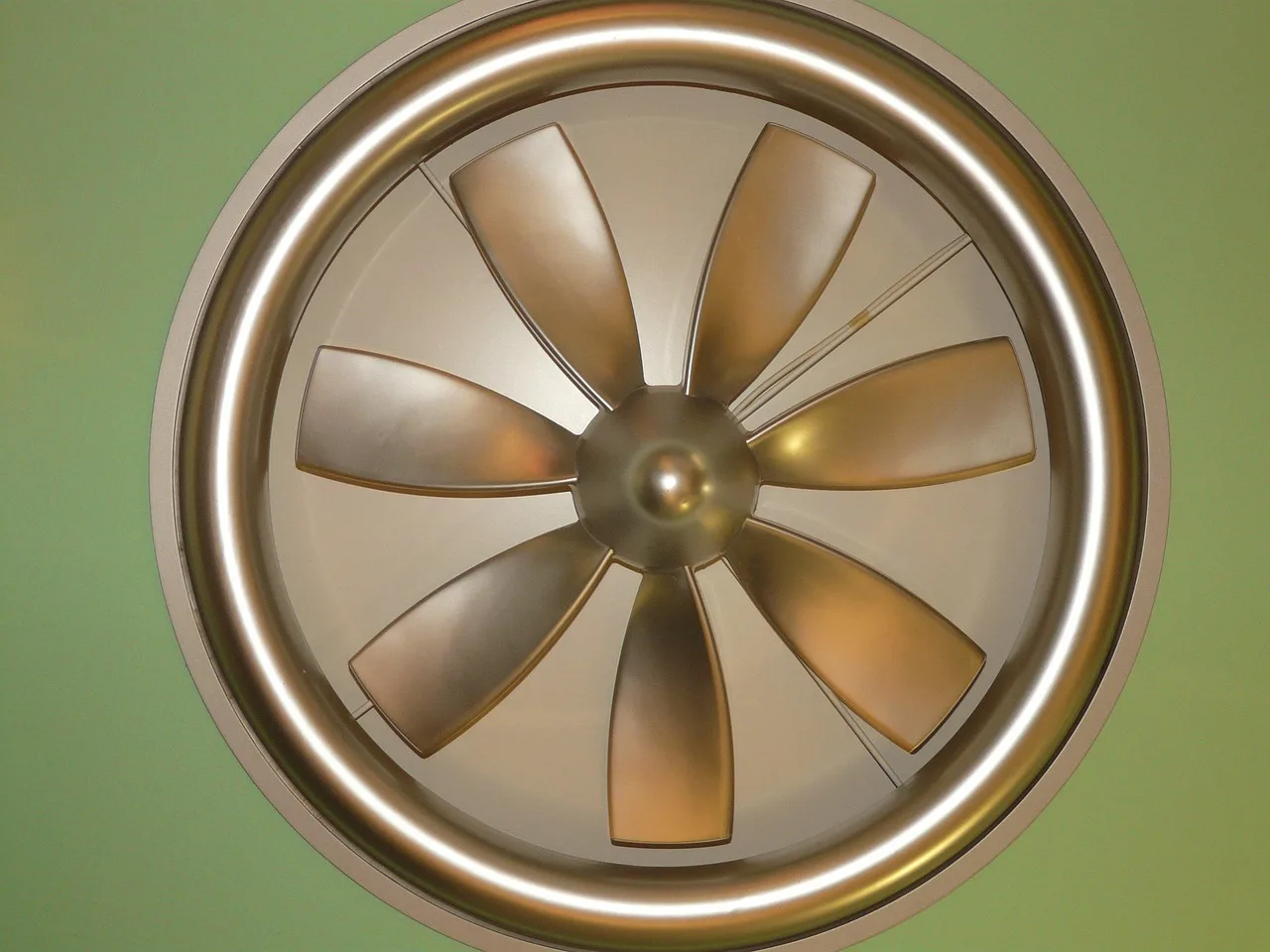
A residential ceiling fan can cost between $50 and $1,400, depending on size, finish, motor quality, and control type. Commercial models can cost $3,500 or more. For a normal home project, most shoppers start with basic residential fans, then add cost for lighting, remote control, or a low-profile design.
Residential fan price bands
Lower-cost residential fans usually cover standard bedrooms, offices, and smaller living rooms. Midrange models often include better motors, more blade options, and a cleaner finish package. Higher-end residential fans can climb quickly once you add specialty sizes, decorative housing, or bundled controls.
Without-light models can cost less because they skip the light kit and wiring hardware. With-light versions usually cost more upfront, but they can also reduce the need for a separate ceiling fixture. Remote-controlled and wall-control models often sit above the most basic units because they include extra electronics or a matched switch.
Low-profile, high-ceiling, and commercial options
Low-profile or flush-mount fans work best where ceiling height is limited, and they can keep the fan closer to the room without a long downrod. High-ceiling models often need a downrod and may be sold with larger blade spans or extended mounting options. Commercial fans cost far more because they are built for bigger spaces and heavier use.
Control and light choices
A fan with a light usually costs more than a fan without one, and the gap matters once installation enters the picture. Remote controls can add convenience, but they also add setup steps. Wall controls may require extra wiring or a switch change, which affects both labor and material cost.
What does ceiling fan installation cost?
Ceiling fan installation often runs $50 to $200 for labor, and the total installed price depends heavily on whether you are replacing an existing fan or creating a new mounting point. A straightforward replacement is usually the cheapest, while a new location with no existing wiring can move into a much higher range.
Replace an existing fan
Replacing an existing fan can cost $100 to $300. In this job type, the ceiling box, circuit, and switch are already in place, so the installer mainly swaps the unit, checks support, and confirms the wiring. It is the least disruptive option and usually the fastest.
Convert a light fixture to a fan
Converting a light fixture to a fan often costs more because a standard light box may not be rated for moving loads. A ceiling fan with light installation adds $100 to $300, and the project may also require a stronger box or a wiring adjustment. This is a common middle-range job.
Add a fan where no wiring exists
Adding a fan where no wiring exists is the most expensive case because the project may need a new circuit, a switch run, access through attic space, or wall repair. New wiring, boxes, and switches can add $300 to $600, and additional wiring can cost as much as $2,000. If there are no circuits, it can add $1,000 to $2,000.
Typical labor time and billing methods
Many electricians price fan installs as a flat rate for simple swaps and shift to hourly or quoted work when the ceiling is high or the wiring is new. A basic replacement can be quick, while a new-location install takes longer because of routing, box changes, and test work. The more access work involved, the more the labor bill moves.
Suppose you are swapping a tired fan in a bedroom for a similar model with no light. That job may stay close to the lower install ranges. Now change one variable: the old box is a standard light box, and the new fan needs a fan-rated box. The total rises because support hardware becomes part of the project.
Why the electrical box matters
A fan should hang from a fan-rated electrical box rather than a standard ceiling box. The box has to support both weight and motion, because a spinning fan creates vibration that a standard light box may not handle safely. If the box is not rated for a fan, it should be replaced before the new unit goes up.
Fan-rated box requirement
A fan-rated box is designed for the combined load of the fixture and the movement created by the motor and blades. A standard light box may hold a lamp, but that does not mean it can safely support a ceiling fan over time. This is one of the main safety differences between a light swap and a true fan install.
When a standard light box must be replaced
If the ceiling box is only meant for a light fixture, replacement is usually part of the job. That replacement can add labor and material cost even when the wiring itself is fine. In older homes, a box replacement may also reveal ceiling access issues or outdated mounting hardware, which can raise the final bill further.
What adds to ceiling fan wiring cost

Ceiling fan wiring cost rises when the project needs a new circuit, a new switch, extra access, or patching after the work is done. Simple fan replacement may need no rewiring at all, but once the installer has to run cable or add control wiring, the budget can move quickly. A licensed electrician is the right call whenever the wiring is uncertain.
New circuit or switch work
Switch installation matters because many homeowners want the fan controlled at the wall rather than only by pull chain or remote. That choice changes both parts and labor.
Access difficulty and patching
Attic access can lower the labor burden, while plaster ceilings, finished closets, and sealed ceilings can raise it. If the installer must cut into drywall and then patch, the job grows beyond simple electrical work. That is why two fans with the same retail price can end up with very different installed totals.
Permit or code-related costs
When new circuits or major wiring changes are involved, local permit or code rules may apply. A licensed electrician can determine whether the existing wiring path is acceptable and whether the box, switch, and grounding meet current requirements. The permit itself is not always expensive, but the inspection process can affect timing.
Ceiling height and mounting costs
Ceiling height changes both parts and labor. A higher ceiling may require a longer downrod, extra time on a ladder, and more care when mounting and wiring the fan. Vaulted or hard-to-reach ceilings often push the install away from the lowest labor range even when the fan itself is modestly priced.
Downrod length and fit
Downrod length affects where the fan sits in the room, which matters for air movement and safety clearance. Low ceilings usually call for flush or low-profile mounting. Taller ceilings often need a downrod so the fan hangs at a practical height rather than sitting too far up in the air.
High-ceiling labor add-ons
High-ceiling or vaulted work often takes longer because the installer needs more setup and access time. The farther the ceiling is from the floor, the more likely the job is to need extra equipment and longer handling time. That is why ceiling height is one of the most common cost drivers after wiring.
Ceiling fan total cost calculator
Use this table to compare total installed budget, not just fan price. The ranges below combine the fan unit, typical labor, and the most likely extra cost layer for each scenario. They are meant for planning, not for a formal quote.
| Scenario | Unit cost | Labor cost | Wiring or box cost | Ceiling-height add-on | Estimated total range |
|---|---|---|---|---|---|
| Replace existing fan | $50 to $300 | $100 to $300 | $0 to $100 | $0 to $100 | $150 to $800 |
| Convert light fixture to fan | $50 to $400 | $150 to $350 | $100 to $300 | $0 to $150 | $300 to $1,200 |
| Add new fan with no wiring | $50 to $1,400 | $200 to $600 | $300 to $2,000 | $100 to $300 | $650 to $4,300 |
A common first-timer mistake is comparing only the fan box price in the aisle and forgetting the ceiling work above it. A $120 fan can still become a $500-plus job if the ceiling box is wrong, the switch needs to move, or the installer has to open a finished wall.
Frequently asked questions
How much do ceiling fans cost?
The final price depends on size, finish, lighting, and control type. For a tight budget estimate, start with the fan unit, then add labor and any box or wiring upgrades.
How much does it cost to install a ceiling fan?
Simple fan replacement usually stays lower, while new wiring or a box change pushes the price up. Ceiling height and access can also move the final quote.
How much cost to install ceiling fan wiring?
If there are no circuits, it can add $1,000 to $2,000. The final price depends on how far the new run must travel and how much access is available.
Can I replace a light fixture with a ceiling fan?
Yes, but only if the ceiling box and wiring can support a fan. A standard light box may be unsafe because a fan adds motion as well as weight. In many homes, the box must be replaced with a fan-rated one before the new fan is installed.
How long does ceiling fan installation take?
A simple replacement can be fairly quick, while a light-to-fan conversion or a new wiring job takes longer. The time depends on access, box replacement, switch work, and whether the installer must patch drywall. High ceilings also add setup time because the work is harder to reach.
Should I hire an electrician to install a ceiling fan?
Yes, a licensed electrician is the safer choice when the box, wiring, switch, or ceiling access is uncertain. Fan installs involve both support and electrical safety, and code or permit questions can appear fast once new wiring enters the job. A pro can confirm the setup before the fan goes up.
Products related to this article
Sponsored / affiliate links. As an Amazon Associate I earn from qualifying purchases. I may earn additional commission from eligible campaigns.