Cargo Straps Cost
Cargo straps are often priced at about $10 to $25 for basic tie-downs, about $25 to $50 for midrange ratchet sets, and about $50 or more for premium straps with higher working load limits, better hardware, or corrosion-resistant webbing. Cheap straps can slip, fray, or fail under load, which can damage cargo or create road hazards. This guide breaks down what drives price, which low-cost features you can skip, and where spending more actually improves safety and durability.
How strap specs affect price and performance
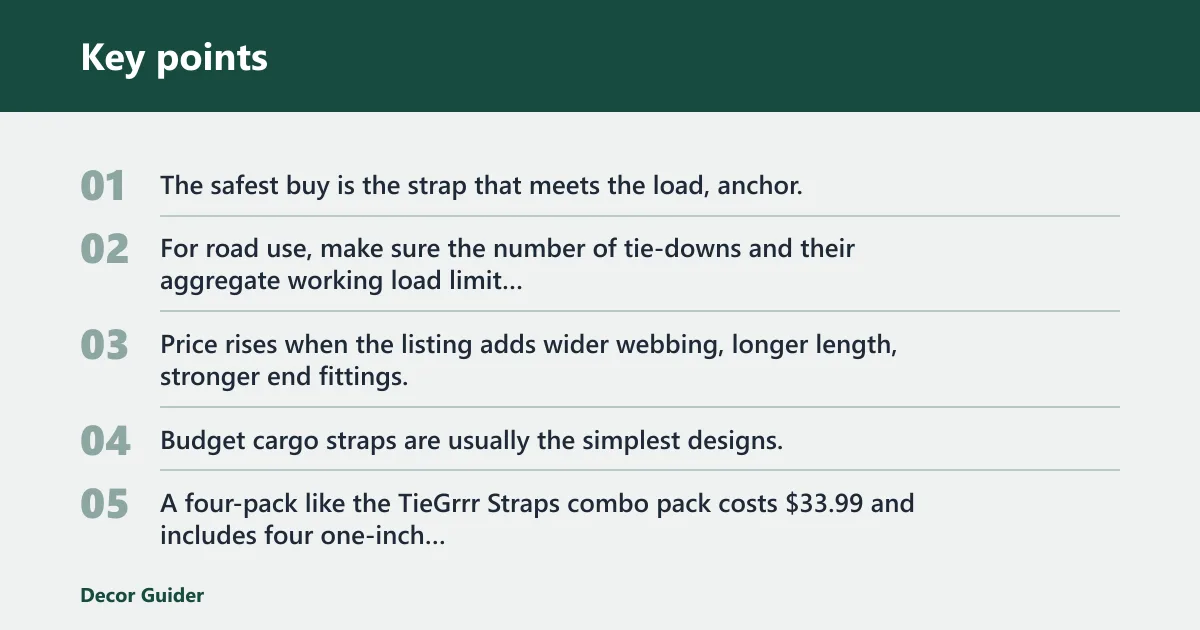


The safest buy is the strap that meets the load, anchor, and legal securement needs with the least complexity. For road use, make sure the number of tie-downs and their aggregate working load limit fit the job, then compare the strap spec sheet before the sticker price. Price rises when the listing adds wider webbing, longer length, stronger end fittings, stronger buckles or ratchets, and clearer labeling.
| Price band | Strap type | Length | Width | WLL | Break strength | Common hardware | Safest use case |
|---|---|---|---|---|---|---|---|
| Budget | Basic cam buckle or light ratchet strap | 6 to 12 feet | 1 inch | Often around 250 pounds on listed examples | More than 1,200 pounds on listed examples | S hook, simple hook, standard buckle | Light cargo in a vehicle or trailer when the load is modest and anchor points match the hook style |
| Midrange | Ratchet strap set or cargo restraint set | 8 to 20 feet | 1 inch or 2 inch | Higher than entry-level listings, but check the product label | Commonly higher than budget lines; verify each listing | Flat hook, S hook, zinc buckle, E-track fitting | Regular cargo, moving loads, appliances, motorcycles, and trailer work where stronger hardware matters |
| Premium | Heavy-duty ratchet or professional cargo restraint strap | 12 feet and up | 2 inch or specialized width | Higher WLL listings and transport-grade labeling | Can reach 4,500 pounds or higher on some sets | Flat hook, chain hook, clevis hook, E-track fitting, corrosion-resistant ratchet | Professional transport, repeated use, rough anchor points, or jobs that need documented compliance |
Budget band: strap type, size, ratings, and safest use case
Budget cargo straps are usually the simplest designs. A four-pack like the TieGrrr Straps combo pack costs $33.99 and includes four one-inch wide straps in 3, 6, 9, and 12 foot lengths. The strap working load limit is 250 pounds, and typical breaking strength is more than 1,200 pounds.
That kind of listing works for light securement, but the lower price also means simpler hardware and fewer extras. If the buckle, hook, or stitching looks thin or vague on the label, choose a clearer listing instead of assuming the cheapest set is enough.
Midrange band: where the added cost goes
Midrange pricing usually buys better hardware, better documentation, or more versatile length and width options. A fixed shipping charge can matter too; the Ladder-Max order has $7.90 fixed shipping, which raises the real cost per strap if the pack is small. That is why price-per-strap matters more than headline price.
At this level, buyers often pay for stronger ratchets, cleaner stitching, more durable webbing, and a wider choice of end fittings. The listing should make the WLL and break strength easy to find. If those numbers are buried, the apparent bargain may disappear once you compare usable capacity.
Premium band: when the price jump is worth it
Premium straps make sense when the job needs higher ratings, specialized ends, or clearer documentation. AequiTech lists a KJE E-Track strap set at 4,500 pounds breaking strength, which is far above basic tie-down examples. That kind of rating can justify a higher price when the cargo and anchor system call for it.
Premium also makes sense when repeated use, wear, or transport rules are part of the job. Buy the exact hook or rail fitting you need, and check for better corrosion resistance and clearer labeling. If the listing mentions WSTDA or EN12195, that can add useful context only when the rating and fit still match the cargo; DOT is a regulatory reference, not a product-certification mark for the strap itself.
What drives cargo strap prices?
Cargo strap cost rises for four reasons: material, size, hardware, and ratings. A strap with the same length can still cost much more if it uses wider webbing, a stronger ratchet, or a specialized end fitting. Brand position matters too, but the strongest price signals usually come from the spec sheet.
Webbing material and width
Webbing material changes both feel and lifespan. Polyester is the common choice for ratchet and tie-down straps because it holds up well under load and handles outdoor use better than many cheaper webbing options. Polypropylene webbing can be cost-effective, but buyers should check the model listing for intended use and UV protection claims.
Width also affects cost. A 1-inch strap is usually cheaper than a 2-inch strap because it uses less material and lighter hardware. Wider straps can spread load better on some cargo, but the price rise only helps if the load and anchors justify it.
Length, pack size, and price per strap
Longer straps cost more because they use more webbing and usually need a larger buckle or ratchet. Pack count matters just as much. A low headline price for a 2-pack can be worse value than a higher-priced 4-pack if you compare the cost per strap and the shipping charge together.
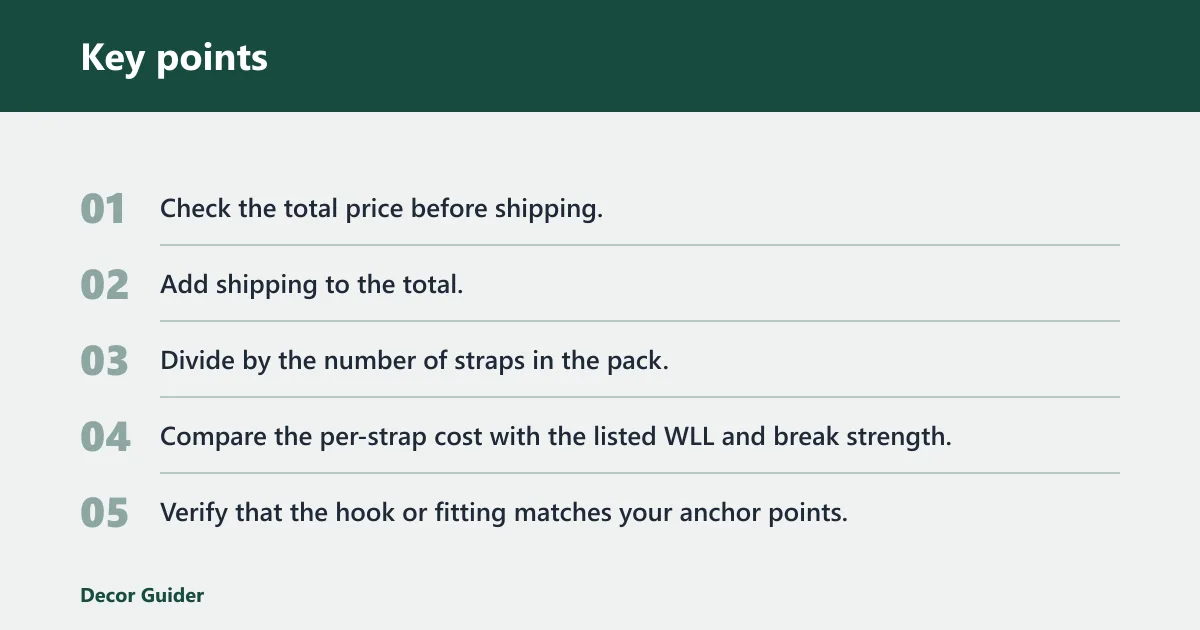
Use this quick method: divide total cost by strap count, then add shipping, then compare the resulting per-strap price against the WLL and hardware. That gives a cleaner answer than looking at the box price alone.
- Check the total price before shipping.
- Add shipping to the total.
- Divide by the number of straps in the pack.
- Compare the per-strap cost with the listed WLL and break strength.
- Verify that the hook or fitting matches your anchor points.
Hardware type and finish
Hardware can move the price more than many buyers expect. S hooks are usually cheaper than flat hooks, chain hooks, or clevis hooks. Zinc-coated parts and corrosion-resistant ratchets also cost more than basic finish options, but those upgrades can pay off if the straps will live in a trailer, truck bed, or outdoor storage area.
If you need straps for a trailer with fixed anchor points, a flat hook or E-track fitting may cost more than a general-purpose S hook, but the better fit can reduce the chance of the hook slipping out or sitting at the wrong angle.
Ratings, compliance marks, and brand positioning
Clear ratings often raise price because they signal more controlled manufacturing and better product documentation. That does not make every expensive strap better, but it does make comparison easier. Listings that reference WSTDA or EN12195 can be more useful when you need road-use context or transport paperwork; DOT is a regulatory reference rather than a product listing mark for strap quality.
US Cargo Control offers proof testing up to 150,000 pounds, which is the kind of documentation that can matter in professional transport settings. The same company also ships nearly 80% of the U.S. within 1 to 3 business days, and orders placed before 4:00pm CST ship out the same day. Speed is not a strength rating, but it can matter for fleet buyers.
How much do ratchet straps cost?
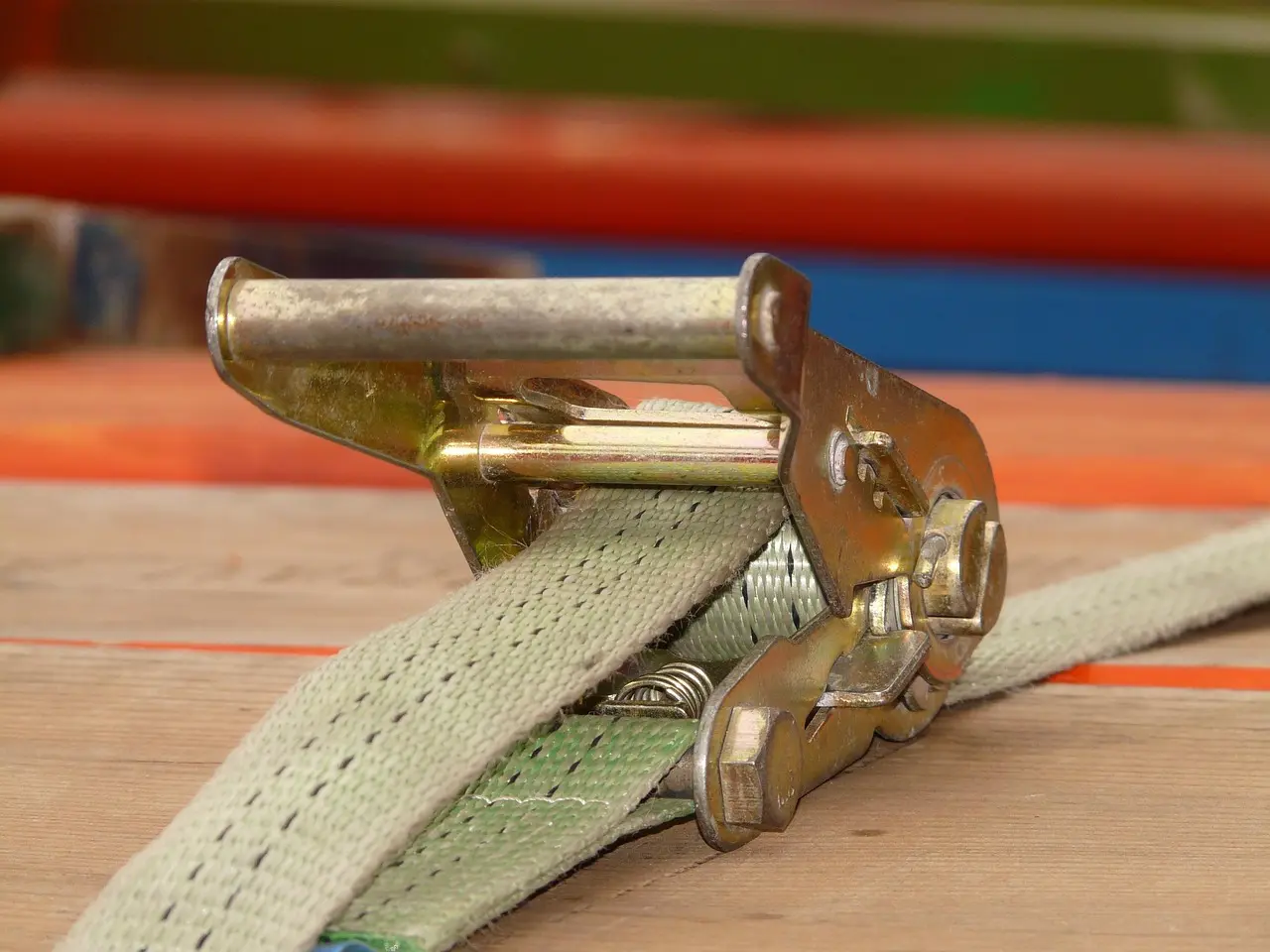
Ratchet straps are usually more expensive than simple cam buckle straps because the ratchet mechanism adds hardware, cost, and load control. For general cargo work, moving, appliances, motorcycles, and trailers, that extra control is often worth it. The right price depends on width, hook style, and the strength listed on the product page.
Typical 1-inch price bands
One-inch ratchet straps are the common low-cost entry point. They often appear in basic cargo listings, moving kits, and light trailer sets. A 1-inch strap can still be useful if the WLL, hook style, and anchor match the load, but buyers should not assume every 1-inch strap is interchangeable.
A common first-timer mistake is buying a 1-inch strap only by length, then discovering the hook does not fit the trailer slot or the buckle rating is lower than expected. Compare the whole listing, not just the webbing width.
Typical 2-inch price bands
Two-inch ratchet straps usually cost more because they use more webbing and heavier hardware. They are common for heavier cargo, larger trailers, and jobs that need a sturdier feel. The extra width does not replace a proper rating, but it can help with durability and handling on repeated use.
For buyers comparing 1-inch versus 2-inch straps, the meaningful question is not just size. It is whether the 2-inch model brings a higher WLL, a more secure hook, or a ratchet that better matches the cargo and anchor points.
Common hook styles and their price effect
Hook style changes both cost and fit. S hooks are common and usually affordable. Flat hooks can cost more because they are designed for more secure contact with certain trailer edges and slots. Chain hooks and clevis hooks typically cost more still because they are aimed at heavier or more specialized securement points.
If the anchor point is fixed and shaped for one end fitting, paying more for the correct hook is often smarter than buying a cheaper strap that does not sit properly. That is especially true for road transport where movement, vibration, and repeated loading can expose a poor fit quickly.
Which jobs justify ratchet straps over lighter options?
Ratchet straps are the better fit when the load needs more tension control than a cam buckle setup can comfortably provide. That includes cargo, moving appliances, motorcycle tie-downs, and many trailer jobs. The ratchet gives you a controlled way to set tension, provided you do not confuse tensioning force with WLL.
Working load limit vs breaking strength
WLL is the number to check first because it is the safe working benchmark on many product pages. Breaking strength is the higher number used to show where the strap is expected to fail under ideal conditions. The two numbers are not interchangeable, and price usually rises when both numbers move up.
Why WLL is the number to check first
Working load limit is the figure that tells you how much the strap is meant to handle in normal use. A strap may have a breaking strength far above its WLL, but that extra headroom is not a reason to overload it. For cargo securement, the lower number is the one that matters first.
Think of WLL as the practical safety benchmark and break strength as a comparison number. A listing with a low WLL but a flashy break rating can still be the wrong buy if the cargo needs more securement capacity.
How break strength is used in listings
Break strength helps buyers compare one strap to another, especially when product pages include multiple models from the same brand. It can also explain why a premium strap costs more. Higher break numbers usually mean better webbing, stronger stitching, or more capable hardware, but the full listing still needs verification.
The same source lists a Rhino USA strap at 1,823 pounds break strength and an AUGO strap at 2,200 pounds break strength. Those figures help compare products, but they do not replace WLL, hook fit, or the vehicle’s securement rules.
Example rating pairs buyers commonly see
One common pattern is a modest WLL paired with a much higher break strength. Another is a transport-grade set with a higher break number and a more specific fitting such as E-track hardware. The TieGrrr example shows a 250-pound WLL and more than 1,200 pounds typical breaking strength, which is enough to show why the two numbers are not the same thing.
Another useful example is a buckle or ratchet that is listed above the older, weaker hardware on similar models. The key question is whether the stronger hardware changes the usable system rating, not whether the number looks bigger on its own.
Do cargo restraint straps cost more?
Cargo restraint straps often cost more when they are sold as transport gear with metric tensioning-force ratings, more pack options, and specialized fittings. Those listings are built for repeat use and commercial handling, so the added cost can buy better control and better compatibility. Just do not confuse tensioning force with WLL or break strength.
Metric tensioning-force ratings and what they mean
Some cargo restraint straps are listed with metric tensioning-force ratings. That number describes the force used to tension the strap, not the same thing as a working load limit or a break rating. Keep those categories separate when you compare price, because a higher tensioning-force figure does not automatically mean a safer load rating. In practice, use it only as a clue about how much force the ratchet can apply while you still need to check the strap’s WLL for securement.
Pack sizes from 2 to 10
Transport buyers often see packs of 2 to 10. Larger packs can lower the cost per strap, but only if the ratings and fittings are consistent. A bigger box is not automatically a better deal if you do not need every strap or if the hardware is wrong for your anchor points.
Hook variants and ratchet hardware
Hook choices affect both cost and purpose. Cargo restraint straps may use different hook variants, ratchet mechanisms, or rail fittings for professional transport. E-track fittings are common where the anchor system is fixed, and that can push the price up because the fitting is more specific than a generic hook.
When transport buyers should pay extra
Pay more when the shipment is repeat business, the loads vary, or the vehicle uses a defined anchor system. Better documentation, more consistent hardware, and more specific fittings can save time and reduce mismatch problems. That is a practical reason to spend more, not a branding one.
When is a higher price worth it?
Higher prices are worth it when they buy fit, durability, or documentation that the cheaper strap lacks. That is especially true for flat hooks, chain hooks, clevis hooks, E-track fittings, UV-resistant webbing, and corrosion-resistant hardware. If the listing does not improve any of those points, the higher price may not be justified.
Flat hooks, chain hooks, and clevis hooks
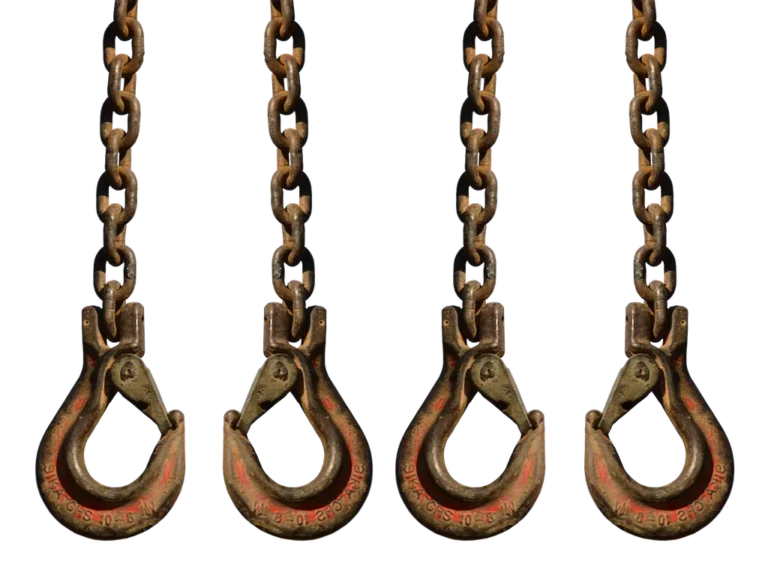
These ends are worth paying for when the cargo or trailer needs a more specific anchor match. Flat hooks can seat better on some rails or edges. Chain and clevis hooks are more specialized and usually belong in heavier-duty securement setups where the anchor system is built for them.
E-track fittings and other anchor-specific ends
E-track fittings are a good example of where price can buy real usefulness. They are designed for a specific rail system, so the strap holds more predictably in that setup. A cheaper universal hook may seem flexible, but it can be the wrong fit for a professional trailer.
UV-resistant webbing and corrosion-resistant hardware
Outdoor storage is hard on webbing and metal parts. UV protection matters when straps live in sun and weather, and corrosion resistance matters when hardware sees moisture, salt, or road grime. Those features are not cosmetic if the strap will be used repeatedly on an exposed trailer or truck.
Brand, lot consistency, and compliance documentation
Some brands cost more because buyers expect more consistent manufacturing and better paperwork. That can matter when you need repeated replacement straps that all behave the same. WSTDA or EN12195 references can help buyers compare products that are meant for road transport rather than light duty storage.
Cargo straps vs bungee cords
Price alone should not decide this buy. Bungee cords are cheaper, but they stretch, which makes them a poor choice for many securement jobs. Cargo straps hold tension with far less give, so they are usually the safer choice when the load must stay put during travel.
Why straps are the safer choice
Straps are better when the cargo could shift, bounce, or roll. They are also better when the securement must hold a set tension and stay that way. For road use, the strap’s WLL, hook fit, and anchor match matter more than the small savings a bungee cord might offer.
Where a bungee still has a place
A bungee still has a place for very light, noncritical holding tasks where stretch is acceptable and the item is not part of road securement. For transport, though, a strap is usually the better buy because it gives more predictable restraint and clearer spec labels.
Frequently asked questions
How much do cargo straps cost?
Most cargo straps fall into three broad bands: $10 to $25 for basic tie-downs, $25 to $50 for midrange ratchet sets, and $50+ for premium straps. The real cost depends on length, width, hook type, WLL, break strength, and whether the pack includes one strap or several.
What affects the price of cargo straps?
Material, width, length, hardware, ratings, and pack count drive most of the price difference. Polyester webbing, stronger ratchets, flat hooks, chain hooks, and E-track fittings usually cost more. Shipping can matter too, especially on small orders where a fixed fee changes the per-strap cost a lot.
Are ratchet straps more expensive than cam buckle straps?
Usually yes, because ratchet hardware is heavier and gives more tension control. Cam buckle straps are often cheaper and simpler, which works for lighter cargo. For heavier securement, motorcycles, appliances, and many trailer jobs, the added cost of a ratchet strap is often easier to justify.
What is a normal price for heavy-duty cargo straps?
Heavy-duty cargo straps often start in the midrange and move into the premium band when they add stronger hardware or higher ratings. A normal price can still vary a lot, so check the WLL, break strength, width, and hook style before deciding whether the listing is actually heavy-duty.
Do cargo straps from brands like US Cargo Control cost more?
They can, especially when the listing includes proof testing, stronger documentation, or faster shipping for commercial buyers. US Cargo Control offers proof testing up to 150,000 pounds and ships nearly 80% of the U.S. within 1 to 3 business days. Those service details can add value beyond the strap alone.
How many straps come in a pack for the price?
Pack size ranges from single straps to sets of 2, 4, and even 10 for some cargo restraint products. The best value comes from comparing the total price, shipping, and strap count together. A larger pack can lower cost per strap, but only if the rating and hardware still fit the job.
What working load limit should I expect at different price points?
Budget listings often show modest WLL figures such as 250 pounds on examples like the TieGrrr pack. Midrange and premium straps usually list higher ratings, but the exact number varies by model. Always check the product page, because break strength and WLL are not the same number.
Are cargo straps worth buying over bungee cords?
For securement, usually yes. Cargo straps keep tension with far less stretch, which makes them better for moving loads, trailers, and road travel. Bungee cords still work for light holding tasks, but they are not the better choice when the load must stay fixed and the stakes are higher.
Products related to this article
Sponsored / affiliate links. As an Amazon Associate I earn from qualifying purchases. I may earn additional commission from eligible campaigns.