Best Broiler-Safe Pans for Holiday Gratins (2026): We Compared
For holiday gratins, the safest broad plan is simple: choose bare metal if you want the strongest browning, enameled cast iron if you want oven-to-table serving, and only use nonstick when the listing gives a clear, narrow broiler allowance. The comparison below focuses on exact heat limits, handle material, and dish shape so you can match the pan to the recipe.
Selector table
| Pick | Type | Dimensions | Handle material | Broiler / oven rating | Pros | Limits |
|---|---|---|---|---|---|---|
| Utopia Kitchen Cast Iron Skillet | Cast iron skillet | 10.25-inch | Metal handle | Oven, campfire, and grill safe; broiler use depends on the exact oven setup | Strong heat retention, fast browning, pre-seasoned for immediate use | Heavy; needs ongoing oiling after washing |
| Le Creuset Enameled Cast Iron Rectangular Roaster | Enameled cast iron gratin dish | 5.25 qt. (9.8" x 13") | Integrated cast iron handles | Manufacturer guidance should be checked for broiler use before high top heat | Broad, low-profile shape; strong oven-to-table presentation; nonreactive enamel interior | Premium price; size and fit should be confirmed before buying |
| T-fal Professional VX3 Brushed Nonstick Fry Pan | Nonstick fry pan | 12-inch | Stainless steel handle | Broiler safe to 400F | Lighter handling; simple cleanup; clear published limit | Least flexible for hard broiling; nonstick is not ideal for aggressive browning |
| Broiler-safe stainless steel sauté pan | Stainless steel sauté pan | Use the widest shallow size your dish allows | All-metal handle | Use only if the exact model is rated for broiler use | Good browning without a coating; lighter than cast iron | Heat retention is usually lower than cast iron |
| Broiler-rated clad skillet | Clad skillet | Prefer a wide, shallow profile | All-metal handle | Use only if the exact model’s spec sheet allows broiler heat | Even heat, easier handling than cast iron, strong surface browning | Exact broiler rating must be verified by model |
| Broiler-safe ceramic baker | Ceramic baker | Shallow baker with enough clearance above the topping | Integrated ceramic side handles or handle-free form | Only if the maker explicitly allows broiler use | Good presentation; useful for casseroles and sides | Thermal shock risk is higher; broiler use is often limited |
Top picks
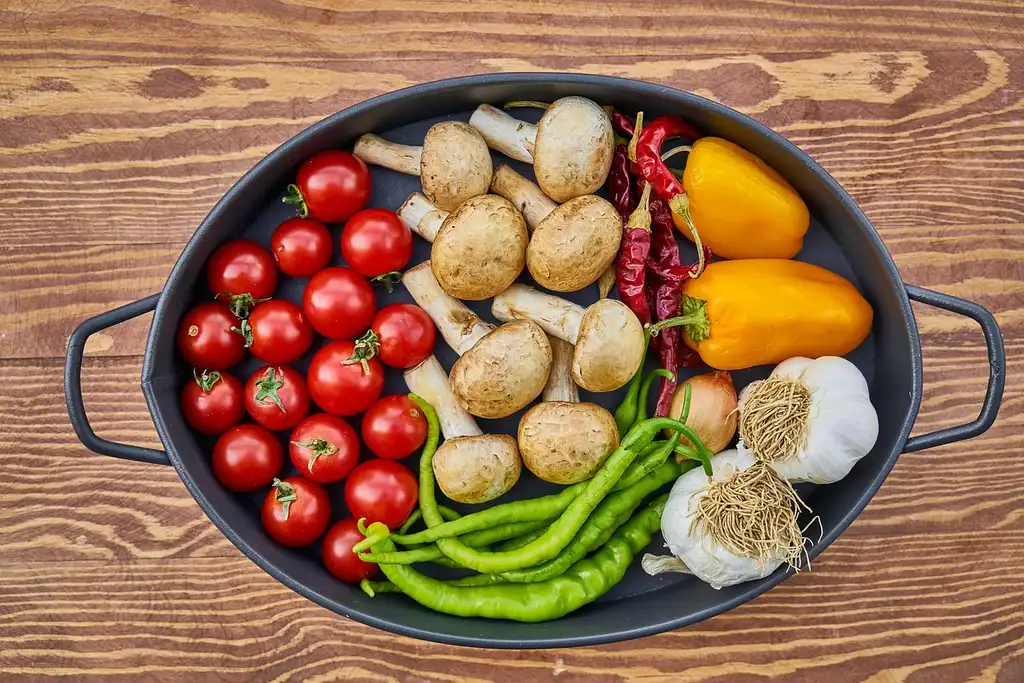
The best broiler-safe pan is the one that matches the dish’s depth, topping, and finishing heat. Cast iron remains the most forgiving for browning, enameled cast iron is the best serving piece, and stainless steel or a broiler-rated clad pan is the safer replacement for weak nonstick when you need direct top heat.
Utopia Kitchen cast iron skillet: best for fastest browning

- Superior heat retention for browning
- Works on stovetop, oven, grill, campfire
- Pre-seasoned for immediate use
Choose this when the goal is the most assertive browning on a gratin top. Cast iron retains heat well, so cheese and breadcrumbs color quickly even after the pan goes back under the broiler for a short finish.
It is also the clearest fit for cooks who want one pan that can move from stovetop to oven to broiler without extra parts. The pre-seasoned surface is a practical advantage for immediate use, but the weight and maintenance are the tradeoff.
Le Creuset enameled cast iron rectangular roaster: best for oven-to-table serving

- Low-profile design for oven roasting
- Even heat distribution and heat retention
- Durable, nonreactive interior enamel
This is the best choice when presentation matters as much as browning. The low-profile rectangular shape suits scalloped potatoes and larger holiday gratins, and the enameled cast iron holds heat well for serving at the table.
The main caution is that broiler use depends on the exact manufacturer guidance for the item, so the pan should be treated as broiler-safe only when that allowance is explicit. That matters more here than with plain cast iron.
T-fal Professional VX3 brushed nonstick fry pan: best for lighter handling, but only conditionally broiler-safe

- Oven safe up to 400°F
- Extra-long stainless-steel handle
- Platinum non-stick coating
This is the easiest pan to handle of the main three, and the stainless-steel handle is a practical plus. It can work for broiler use only within the stated limit on the listing, which is 400°F, so it is the least flexible choice for hard broiling.
Use it when lighter weight and simple cleanup matter more than maximum top-heat aggression. The nonstick coating is the limitation, because it narrows your safety margin and makes it a conditional pick rather than the best one for a gratin.
Broiler-safe stainless steel sauté pan: best replacement for risky nonstick
A stainless steel sauté pan is the cleaner upgrade when you want a safer broiler path without the maintenance of cast iron. The key is the exact model: it needs an all-metal handle and a manufacturer rating that explicitly includes broiler use, not just ordinary oven use.
Compared with nonstick, stainless steel is better for a browned gratin top because it does not rely on a coating that can limit heat. The drawback is that it usually gives up some heat retention, so the finish may need a little more attention under the broiler.
Broiler-rated clad skillet: best all-around metal option
A clad skillet works well when you want even heating and a more manageable weight than cast iron. It is a strong broiler choice only when the exact product listing allows direct top heat and the handle is fully metal, because the safety margin depends on the specific build.
This option is especially useful for cooks who want browning power without the maintenance of seasoning. It is still less forgiving than cast iron if the topping is thick or the broiler runs hot, so close watching is important.
Broiler-safe ceramic baker: best when presentation matters and the maker allows high heat
A ceramic baker can be the right answer for casserole-style sides when the maker explicitly permits broiler use. The advantage is presentation: it moves from oven to table cleanly, and the broad shallow form can help a topping brown without a deep, heavy vessel.
The caution is thermal shock. Ceramic is less forgiving than metal if it goes from cold to intense top heat too quickly, so this category should be treated as a conditional broiler option rather than a default choice.
Broiler-safe pans checklist
When a gratin goes wrong, the issue is usually not the recipe. It is a mismatch between pan material, broiler distance, and the way the dish was moved from cold to hot.
-
Confirm the exact broiler limit.
Check the manufacturer’s listing for the exact model, not just the brand family. Broiler-safe means safe for direct top heat in the oven, and many pans are only oven-safe below a certain temperature.
-
Pick a shallow, wide shape.
A broad surface gives the topping more direct heat and keeps the layer thinner. That matters for cheese, breadcrumbs, and butter, which can go from golden to burned quickly in the broiler’s burn-risk zone.
-
Inspect the handle material.
All-metal handles are the safest bet for broiler use. Silicone or plastic inserts can limit broiler safety, and removable parts should be checked before the pan goes under high heat.
-
Keep the rack placement sensible.
Upper-rack placement browns faster because it moves the food closer to the element, but too little clearance increases the chance of scorching. This matters for both gas and electric broilers.
-
Avoid cold-to-hot shock.
Do not move a cold glass or ceramic dish straight from the fridge to the broiler unless the maker specifically allows that use. Thermal shock can crack or shatter cookware, especially with fast temperature changes.
If a potato gratin is pale after baking in a 9-by-13 ceramic baker, a brief broiler finish can fix the color only when the dish’s material and rating allow it. If the topping is already close to the element, though, the edges can darken before the center is ready.
If mac and cheese has a thick breadcrumb cap, a shallower metal pan usually browns the topping more evenly than a deep casserole. The faster surface response makes it easier to crisp the top without overcooking the sides.
How to choose by dish and size
Use the dish itself to decide the pan. Scalloped potatoes usually do better in a broad rectangular roaster, mac and cheese often does better in a shallow metal skillet, and oven-to-table sides benefit from a piece that looks finished without needing a separate serving dish.
Size matters because broiling rewards a thin, even topping layer. A pan that is too deep can trap steam and slow browning, while a pan that is too small can crowd the surface and create uneven color.
Best for scalloped potatoes
Choose the Le Creuset enameled cast iron rectangular roaster if you want a broad, shallow surface and a clean serving profile. Scalloped potatoes need even heat and a top that can brown without drying out the edges, and the rectangular shape helps spread the layers evenly.
Best for mac and cheese
The Utopia Kitchen cast iron skillet is the best fit when you want a darker top and a more aggressive broiler finish. Mac and cheese benefits from strong heat retention, especially when the topping is thick enough to need time to crisp without burning too quickly.
Best for oven-to-table serving
The Le Creuset roaster wins here because the serving value is built into the pan. It moves from oven to table with less compromise than a plain skillet, especially for a holiday side that you want to present in the same dish.
Best for small kitchens or tight storage
The T-fal 12-inch pan is the easiest to store and handle of the three, but only if you accept its broiler limits. It is the least committed broiling tool, yet it can make sense when storage space and weight matter more than maximum browning power.
FAQ
What pans are safest under the broiler for a gratin?
Cast iron and some stainless steel pans are the safest choices when the exact model is broiler-rated and the handle is all metal. Enameled cast iron can also work if the manufacturer allows broiler use. Glass, ceramic, and nonstick need more caution because their limits vary more by model.
Can a glass baking dish go under the broiler?
Usually no, unless the manufacturer explicitly says that exact dish is broiler-safe. Glass is vulnerable to thermal shock, especially when it moves from a cold fridge to intense top heat. If you need browning, metal is the safer choice.
Is cast iron better than stainless steel for browning?
For most gratins, yes. Cast iron holds heat better, so it pushes the top toward faster, deeper browning. Stainless steel can still work well, especially if it has a broiler-safe all-metal handle, but it usually does not hold heat quite as strongly.
What size pan is best for holiday scalloped potatoes or mac and cheese?
A shallow pan with a wide surface is usually best, because it spreads the topping into a thinner layer that browns evenly. A 9-by-13-size roaster or similar broad rectangular pan works well for family-style sides, while a skillet fits smaller batches that need faster browning.
Do nonstick pans work under a broiler?
Often not. Many nonstick coatings are not broiler-safe, and even when a listing allows some oven heat, the broiler limit may be lower than you expect. If you want real top-heat browning, a bare metal pan is a better choice.
How close can a pan be to the broiler element?
Close enough to brown, but not so close that the topping burns before the dish heats through. Use the upper rack, then adjust the distance based on your oven and the pan shape. Too little clearance is where scorching starts.
Can I move a cold dish directly from the fridge to the broiler?
Not with glass or ceramic unless the maker says that is safe. Thermal shock is the problem: a sudden jump from cold to intense heat can crack or shatter the dish. For broiler finishing, let the pan come closer to room temperature first when the material allows it.
Which broiler-safe pan is best for oven-to-table holiday sides?
The Le Creuset enameled cast iron rectangular roaster is the strongest choice for serving. It has the table presence, heat retention, and broad shape that holiday sides need. If browning speed matters more than presentation, the Utopia Kitchen cast iron skillet is the more aggressive option.
Products related to this article
Sponsored / affiliate links. As an Amazon Associate I earn from qualifying purchases. I may earn additional commission from eligible campaigns.