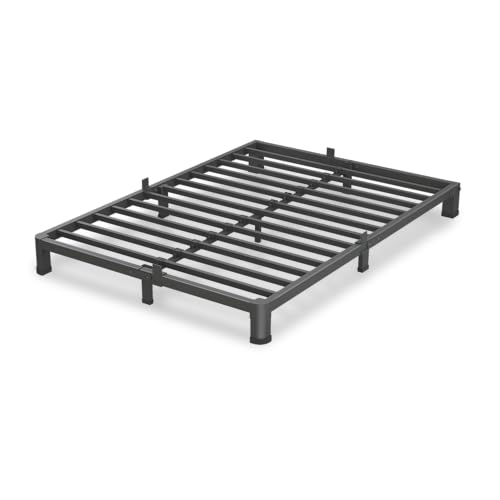
Bed Frame Squeaking Problems / Not Working / Troubleshooting
Start by isolating the squeak: if the noise stops when you remove the mattress, the problem is usually the mattress, slats, or frame joints; if it stays, check the floor, headboard, or wall contact. Ignoring it can wear hardware faster and turn a small noise into a bigger repair. This guide links each symptom to its source and the right fix, from tightening bolts to padding contact points or replacing damaged parts.
What you’ll need


- Flashlight
- Phone for a short recording
- Screwdriver
- Allen key or hex key
- Wrench or socket
- Washer set, including nylon or rubber washers
- Threadlocker for bolts that back out repeatedly
- Silicone spray or PTFE spray for metal joints
- Paraffin, candle wax, beeswax, or bar soap for wood contact points
- Felt pads, cloth strips, or fabric shims
- Furniture pads and leg shims
- Replacement slats or plywood sheet, if support is failing
Why is my bed frame squeaking?

The usual sources are loose hardware, rubbing wood or metal, shifting slats, a rocking leg, or a mattress or foundation that makes its own noise. Foam and latex mattresses are often quieter than innerspring and many hybrid designs, but any mattress can still squeak if the frame, foundation, or support surface is rubbing. The sound you hear matters.
Example: a squeak that happens only when you sit near the foot of the bed often points to side rails, slats, or a loose leg, while a squeak that appears when you lean on the headboard often comes from the headboard attachment points. Different symptoms need different checks.
Frame joints and hardware
Bed frame joints can move at the side rails, headboard attachment points, footboard attachment points, and center support legs. If a bolt has slack, the parts rub and click under load. That is why tightening in the right order matters more than random cranking.
Mattress and foundation noise
Remove the mattress and see whether the noise remains. If it does, the frame, slats, or floor are more likely than the mattress itself. If the noise disappears, test the mattress and foundation separately, because a box spring or other foundation can squeak on its own when internal springs or support parts wear out.
Slats, headboard, and floor contact
Slats may squeak where they meet holders, where they touch the side rails, or where spacing lets them shift under load. A headboard can also rub the wall or frame. If the sound changes when one corner is loaded, look at the floor, furniture pads, or center leg adjustment.
How do you find the squeak source?
Remove the mattress and box spring first, then test the bare frame. Listen with a flashlight, record the sound on your phone, press each corner, and move the headboard. The goal is to separate frame noise from mattress, foundation, slats, and floor noise before any repair.
- Strip the bed. Remove the mattress and box spring, then test the frame alone. Press the corners, side rails, center support legs, and headboard attachment points one at a time.
- Isolate each part. Put the mattress back on only after the bare frame is quiet. Then test the mattress alone on the floor, and test the box spring separately for squeaks.
- Record the sound. Use a phone recording while someone sits, turns, and leans. The exact trigger tells you whether the source is load-related, rocking-related, or a rubbing contact point.
Say your queen bed squeaks only when the sleeper rolls toward one side. That usually points to a slat end, side rail joint, or a leg on that side, not the center of the mattress. A centered press that stays silent shifts suspicion away from the mattress itself.
Bed frame troubleshooting matrix
This table separates symptom from source so you can fix the right part first. Start with the fastest test, then move to the next column only if the noise remains.
| Symptom | Likely source | Fastest test | Recommended fix | When to replace |
|---|---|---|---|---|
| Noise when sitting on one edge | Metal frame joint, side rail, or slat holder | Remove mattress, press that edge, and listen at each bolt | Tighten hardware, add nylon washers, then use silicone or PTFE spray on metal contact | Repeated stripped holes or bent metal at the joint |
| Noise when turning in bed | Mattress, slats, or loose center support | Test mattress separately; then press slats by hand | Secure slats, add felt pads or fabric shims, and check center support legs | Warped slats or a failing center support |
| Noise when leaning on headboard | Headboard attachment points or wall contact | Move the headboard while the frame is bare | Tighten fasteners, add cloth strips where parts rub, and move the frame off the wall | Cracked mounts or stripped headboard holes |
| Noise from a platform bed | Slats, slat ends, or load distribution | Press each slat and each support point separately | Use better slat spacing, replace loose holders, or add a plywood sheet if allowed | Multiple warped slats or a sagging platform deck |
| Noise from a box spring setup | Box spring foundation or internal springs | Test the box spring away from the frame | Replace worn unit if it squeaks on its own; old noisy units often do not quiet well | If the foundation still squeaks after separate testing |
| Noise on an uneven floor | Floor contact points or a rocking leg | Rock each leg and center leg on the bare frame | Add furniture pads or leg shims, then adjust the center leg | Leg hardware will not sit flat or remains unstable |
How do you stop a bed frame from squeaking?

Start with the least invasive fix: tighten hardware first, then isolate the remaining rub points, then correct support issues. Tightening bolts in a diagonal pattern helps keep the frame square, and washers help when a bolt still leaves a small gap. If the squeak remains, move to lubrication, padding, or support repair.
- Tighten the hardware. Use an Allen key or hex key and a wrench to tighten screws and bolts in a diagonal pattern. Start at the loudest joint, then check the opposite side so the frame stays square.
- Add slack fillers. If a bolt still has some play, add a nylon washer or rubber washer to fill extra space and reduce metal-on-metal contact. A washer helps when tightening alone does not remove the gap.
- Lubricate contact points. For metal, apply silicone spray or PTFE spray to joints. For wood contact points, a common fix is to use paraffin, candle wax, beeswax, or bar soap on the rubbing surface, not on structural holes or threads.
- Pad the rubbing spots. Place felt pads, cloth strips, or fabric shims between wood or metal parts that touch and shift. Use this where you hear rubbing, not as a blanket fix for the whole frame.
- Secure the support system. Check slat spacing, slat ends, and slat holders. If slats still move, add a plywood sheet only if the frame and mattress guidance allow it, because it can change ventilation, feel, and warranty coverage depending on the setup.
For renters, keep changes reversible unless the lease or warranty clearly allows more. Felt pads, shims, and removable washers are safer than drilling, gluing, or permanent reinforcement.
When should you replace parts?
Replacement becomes the better choice when the frame keeps squeaking after proper tightening, when holes strip again, or when a support part is visibly warped or cracked. Save on Sleep notes that a squeaky bed is rarely a reason to buy a new one, but some parts reach the end of practical repair.
Metal frame
Replace a metal rail, bracket, or center support when a joint still moves after tightening and adding washers, or when the metal is bent. A recurring metal squeak after dry lubricant usually means the fit is wrong, not just dry.
Wooden frame
Replace a wooden side rail, headboard block, or leg if screw holes strip repeatedly or the wood splits. Wood that creaks at the same joint after wax, padding, and correct tightening often needs a new part rather than more pressure.
Platform bed
Replace warped slats, broken slat holders, or a sagging platform deck when the bed still shifts under normal load. If the slat spacing cannot be corrected, a new support set is more dependable than stacking more shims.
Box spring setup
Replace the box spring if it still squeaks on its own after separate testing. Worn internal springs and old noisy units are common failure cases, and that sound usually returns after temporary quieting fixes.
Common mistakes
The biggest mistake is blaming the frame before testing the mattress and foundation separately. Another common miss is tightening one bolt hard while leaving the opposite side loose, which can shift the frame and create a new squeak.
- Do not lubricate everything at once; treat the exact contact point.
- Do not put washers on bolts that are already tight and stable.
- Do not use permanent changes first if you rent or need to preserve warranty terms.
- Do not ignore slat ends, center support legs, or floor contact points.
- Do not keep repairing a frame with repeated stripped holes or warped slats.
If that did not work, move one level deeper: re-test the mattress alone, then the box spring alone, then the bare frame, and then the floor. That ladder keeps you from replacing the wrong part.
Frequently asked questions
How do I find the source of a squeaky bed frame?
Use a flashlight, remove the mattress and box spring, then press one part at a time. Test the headboard, each corner, center support legs, slat ends, and side rails. A phone recording helps because a short squeak can be easier to hear later than in the moment.
Can a mattress or box spring make a bed squeak?
Yes. Innerspring and hybrid mattresses can squeak, while foam and latex mattresses are often quieter. A box spring can also have worn internal springs. Test both away from the frame before touching the bed hardware, or the wrong repair may hide the real source.
What can I put on a squeaky bed frame to make it quiet?
For metal joints, use silicone spray or PTFE spray. For wood contact points, use paraffin, candle wax, beeswax, or bar soap. If the parts still rub, add felt pads, cloth strips, or fabric shims. Use washers when a bolt will not tighten fully.
How do I fix a wooden bed frame that creaks?
Start with a diagonal tightening pattern, then inspect the exact rubbing joint. Wax the contact surface, add a washer only where the fastener has slack, and pad any wood-to-wood touch point with a cloth strip or felt pad. Replace the part if holes keep stripping.
Can a squeaky bed frame be fixed without buying a new bed?
Often, yes. Many squeaks stop after tightening hardware, correcting slats, or fixing floor contact. Replace only the failed part if the frame has repeated stripped holes, warped slats, or a center support that will not stay stable. A full bed replacement is usually the last step.
Products related to this article
Sponsored / affiliate links. As an Amazon Associate I earn from qualifying purchases. I may earn additional commission from eligible campaigns.