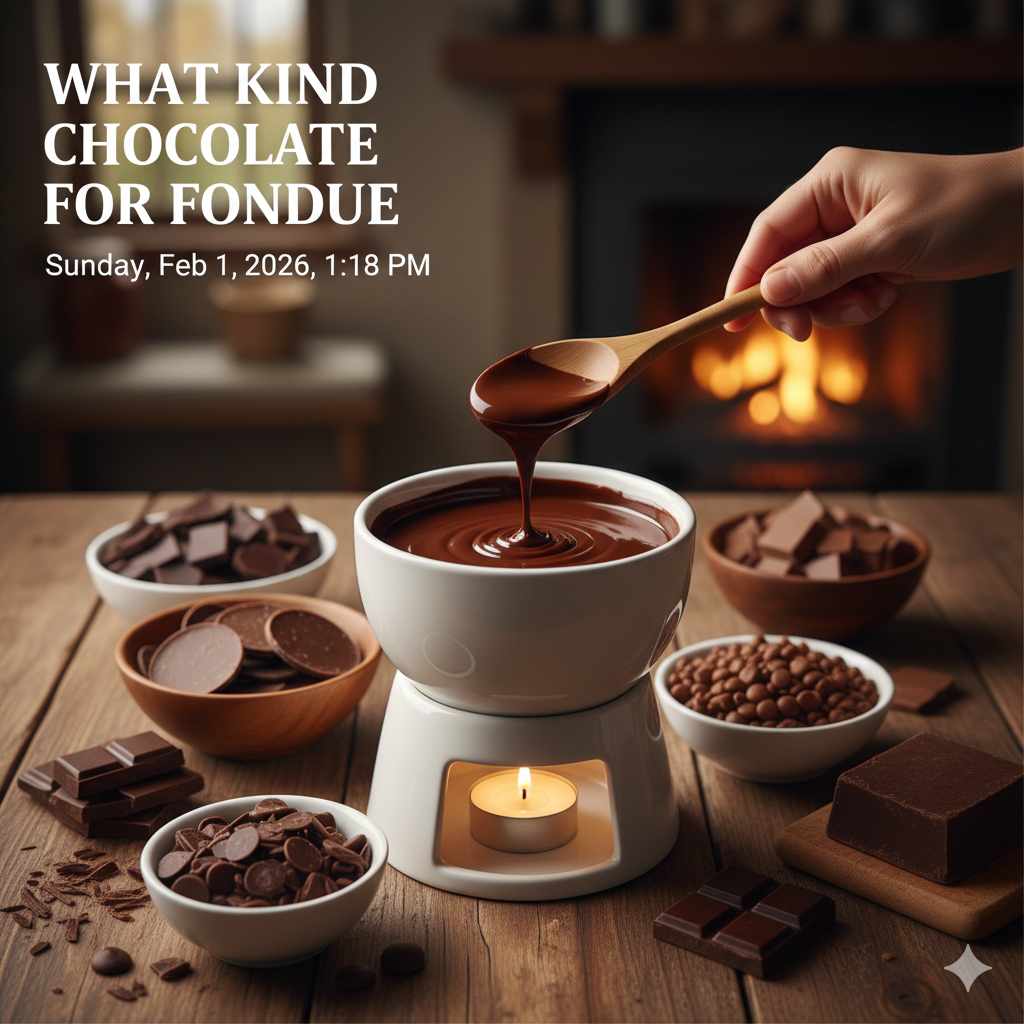
The best chocolate for fondue is high-quality semi-sweet or bittersweet couverture chocolate (60-72% cacao) chopped finely, mixed with heavy cream for smooth melting. Avoid waxy budget chips; quality matters for a perfect, non-clumped dip.
Choosing the right chocolate for fondue can feel like a mystery. You want that decadent, smooth dip that coats your strawberries and marshmallows perfectly, but often, the chocolate turns grainy or seizes up in the pot. That’s frustrating when you’re ready for dessert!
Don’t worry, this isn’t complicated mechanic work; it’s just chocolate science, and we’ll break it down simply. Whether you are hosting a party or just treating yourself, getting the base right is key. We’re going to show you exactly what chocolate types work, what to avoid, and the secret ingredient that guarantees a velvet-smooth fondue every time. Let’s get this sweet ride started!
Why Chocolate Quality Makes the Biggest Difference
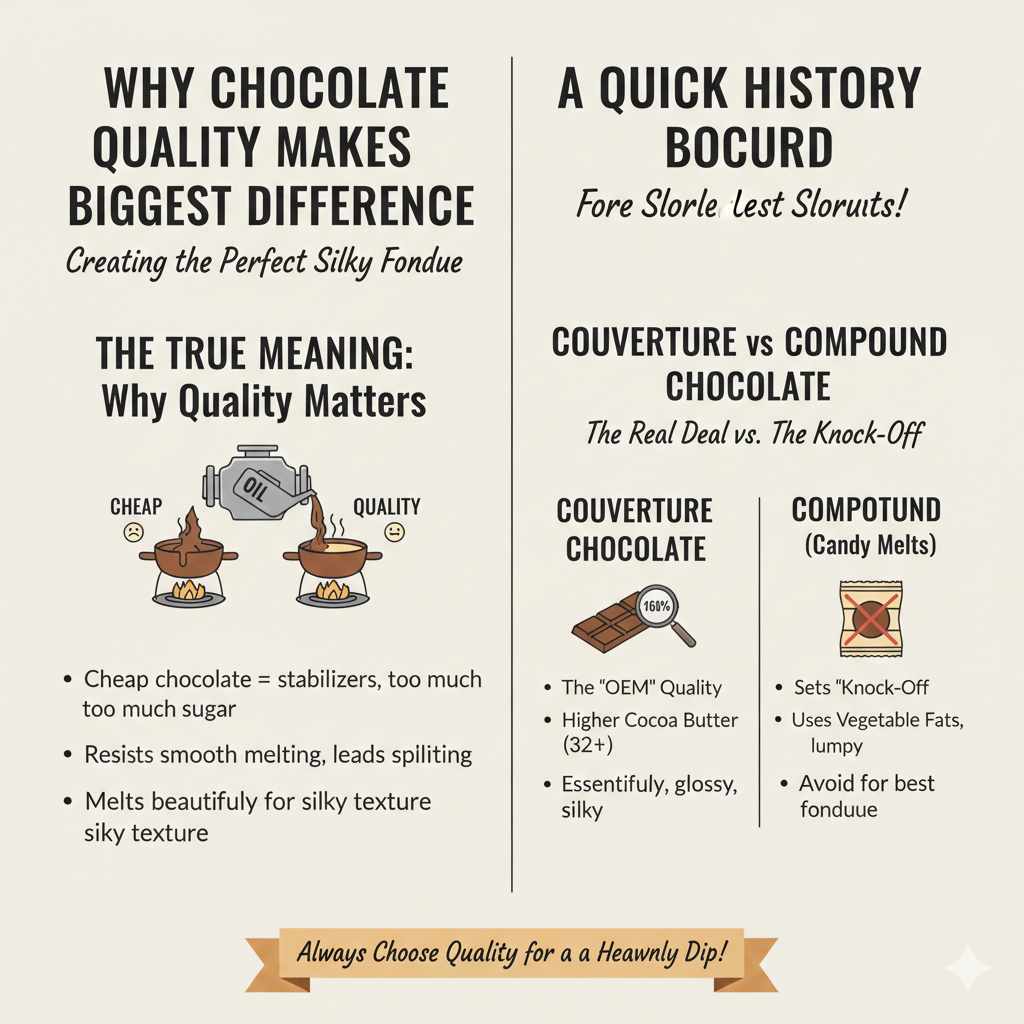
When you work on your car, using the right oil viscosity is crucial for engine health—the same logic applies here. The quality of your chocolate dictates the success of your fondue. Cheap chocolate often contains stabilizers and too much sugar, which resist smooth melting, leading to splitting or becoming too thick.
For fondue, you are essentially creating an emulsion. You need the fat (cocoa butter) and the liquid (cream or milk) to combine perfectly. High-quality chocolate makes this partnership easy.
Understanding Couverture vs Compound Chocolate
This is your first big learning point. Think of it like buying replacement parts: you want the OEM (Original Equipment Manufacturer) quality, not the cheap knock-off.
- Couverture Chocolate: This is the real deal. It has a higher percentage of cocoa butter (usually 32% or more). This extra fat content is what allows it to melt beautifully, giving you that signature glossy, silky texture essential for dipping.
- Compound Chocolate (Candy Melts): These skip the expensive cocoa butter and use vegetable fats instead. They set up hard and fast, which sounds good, but they don’t melt smoothly into a luxurious sauce. They often result in stiff, lumpy fondue. For the best results, always aim for couverture.
The Best Chocolate Choices for Your Fondue Pot
So, what should you be reaching for at the grocery store or specialty shop? It comes down to a few specific types that provide the right balance of flavor and melting properties.
1. Semi-Sweet Dark Chocolate (The Gold Standard)
This is usually the safest and most crowd-pleasing bet. It offers a deeper chocolate flavor that cuts through the richness of the cream, stopping the fondue from tasting overly sugary.
- Cacao Content Sweet Spot: Aim for chocolate between 60% and 72% cacao. This range provides enough bitterness to balance the sugar without being aggressively dark for all palates.
- Form: Look for bars labeled as ‘baking chocolate’ or ‘couverture.’
2. Bittersweet Chocolate (For the Deep Flavor Lovers)
If you or your guests prefer a sophisticated, less sweet dessert, bittersweet chocolate (70% cacao and higher) is fantastic. It adds complexity, especially when paired with fruit that already has sweetness, like bananas or strawberries.
3. Milk Chocolate (Use with Caution)
Milk chocolate can be used, but you must be more careful. It contains milk solids and less cocoa mass, making it melt much faster and more likely to burn or separate. If you use milk chocolate, use less of it, or dilute it heavily with cream.
Pro Tip: Most experts recommend using a 2:1 ratio of dark/semi-sweet to milk chocolate if you want a milder flavor but still want to maintain structure.
4. White Chocolate (The Flavor Mixer)
White chocolate is unique because it contains no cocoa solids, only cocoa butter, sugar, and milk solids. It’s very sweet and melts very easily. It’s excellent for swirling lighter flavors in, like adding raspberry puree or a touch of lemon zest for a unique dip.
Because it’s so rich, white chocolate fondue often requires adding a bit of neutral oil instead of heavy cream to prevent it from seizing or becoming too thick. You can check resources from culinary schools, like those compiled by university extension programs, which often discuss ingredient stabilization in dessert making.
The Essential Preparation: Chop, Chip, or Callet
Even the best chocolate won’t melt well if it’s in huge chunks. Think about how you tune an engine; surface area matters. Smaller pieces melt uniformly and quickly, preventing the bottom layer from scorching while the top remains solid.
Why Chopping is Non-Negotiable
If you buy a bar, you must chop it. Use a heavy, sharp chef’s knife and chop the chocolate until it resembles uniform coarse crumbs or small pebbles. Consistency is key here.
The Easiest Melting Forms:
- Fèves or Callets: These are small, teardrop-shaped pieces made by professional chocolate makers, designed for perfect tempering and melting. If you can find them, they are the easiest choice.
- Quality Chips (Used Sparingly): Standard chocolate chips contain stabilizers (like paraffin wax) to help them hold their shape when baked. While convenient, they sometimes resist smooth melting. If chips are your only option, use only high-quality ones (like Ghirardelli or Guittard) and ensure you add plenty of liquid.
The Secret Weapon: Liquid to Achieve Perfect Flow
Chocolate alone will burn or thicken too much in a fondue pot. You need a liquid component to thin it out and keep the cocoa butter suspended evenly. This is where the magic happens.
Heavy Cream vs Milk vs Water
This is perhaps the most common beginner mistake—reaching for low-fat milk or worse, just water. Here’s why fat content matters:
| Liquid Choice | Best For | Why It Works (or Doesn’t) |
|---|---|---|
| Heavy Cream (36%+ Fat) | The ultimate smooth fondue; Dark/Semi-sweet | The high fat content stabilizes the chocolate perfectly, creating a luxurious, un-seizing texture. |
| Whole Milk (3.25% Fat) | If running low on cream | Works, but fondue will be thinner and risks splitting if overheated. |
| Skim/Low-Fat Milk | Avoid for primary liquid | Too much water and not enough fat. High risk of ‘seizing’ (turning grainy and separating). |
| Water | Never use as the main liquid | Causes chocolate to seize immediately if you add too much. Water is the enemy of melted chocolate solids. |
The Rule of Thumb: For every 8 ounces (about 1.5 cups) of high-quality chopped chocolate, start with 1/2 cup of heavy cream. You can always add more cream, but you cannot easily take it away!
Step-by-Step: Making Smooth Fondue Like a Pro
You have your ideal chocolate and the correct liquid. Now, let’s follow a simple, low-stress process. This method mimics basic professional tempering without requiring a thermometer.
Step 1: Prepare Your Chocolate
Chop your high-quality dark or semi-sweet bars into small, uniform pieces (about the size of small peas). Place them in a heat-safe bowl—glass or stainless steel works best.
Step 2: Heat Your Liquid (The Gentle Warm-Up)
Pour your heavy cream into a small saucepan. Heat it over medium-low heat until it just starts to simmer around the edges. You do not want a rolling boil. We are aiming for hot, not angry!
If you are adding flavorings (like a splash of liqueur or vanilla extract), add them to the cream now and stir them in.
Step 3: The Gentle Pour and Rest
Remove the hot cream from the heat. Pour the hot cream directly over the chopped chocolate in the bowl. Ensure all the chocolate is submerged.
Crucial Pause: Do nothing for 5 minutes! This resting period allows the residual heat from the liquid to penetrate the chocolate evenly without shocking it.
Step 4: Slow and Steady Stirring
After 5 minutes, begin stirring slowly from the center outwards. Use a rubber spatula or a wooden spoon. As you stir, the chocolate will begin to melt into the cream, forming a thick, glossy sauce.
Keep stirring gently until the mixture is completely smooth and uniform. If it seems too thick, add an extra tablespoon of warm heavy cream and incorporate it slowly.
Step 5: Transfer to the Fondue Pot
If using an electric fondue pot, you can often skip transferring and simply use the bowl you melted it in, provided it fits. If using a stovetop pot (fueled by Sterno or a small candle), transfer the smooth mixture now.
Set the heat to the lowest possible setting, or use a gentle flame source. The goal is just to keep it warm, not to cook it further.
Troubleshooting Common Fondue Failures
Even with the best intentions, things can go wrong. Don’t panic; most problems are reversible if you act quickly. Think of this like diagnosing an overheating engine—you catch it early, you fix it fast.
| The Problem | What It Looks Like | The Quick Fix |
|---|---|---|
| Seized/Grainy Chocolate | The chocolate looks dull, grainy, or clumps together instead of flowing. | Off the heat immediately! Stir in one tablespoon of very hot (but not boiling) water or milk, one at a time, until it smooths out again. This re-emulsifies the fat. |
| Chocolate is Too Thick | It coats the dipper heavily and doesn’t drip off nicely. | Stir in one tablespoon of warmed heavy cream until the desired consistency is reached. |
| Chocolate is Too Thin | It runs right off the dipper without coating it. | This is harder to fix. You can try melting a few more ounces of chopped chocolate separately, adding it slowly to the thin batch off the heat, and stirring to thicken it back up. |
| Oily Separation | A layer of clear oil (cocoa butter) floats on the top. | This usually means it was overheated. Take it off the heat. Stir in a teaspoon of cold water or a few drops of cold cream while stirring vigorously off-heat. This can sometimes re-bind the mixture. |
Flavor Enhancements: Taking Your Fondue to the Next Level
Once you have mastered the base (high-quality chopped chocolate + heavy cream), you can start adding personality. These additions are best mixed in during Step 4 when the chocolate is almost fully melted.
Alcoholic Boosts
A little booze adds depth and complexity. Be mindful that alcohol lowers the melting point, so use small amounts (no more than 2 tablespoons of liqueur per 12 ounces of chocolate).
- Grand Marnier or Cointreau: Perfect with dark chocolate; bright orange notes.
- Kahlúa or Espresso Liqueur: Excellent choice for a coffee lover’s dip.
- Brandy or Cognac: Smooth, warming flavors that pair beautifully with semi-sweet chocolate.
Spice and Zest
A pinch of spice can transform the experience. These volatile oils mix easily with the melted fat.
- A dash of pure vanilla extract (added to the warm cream).
- A pinch of high-quality sea salt to enhance the chocolate’s natural flavor.
- A tiny grating of fresh nutmeg or a pinch of cayenne pepper (Mexico’s traditional companion to chocolate).
Equipment Checklist: What You Need on Hand
You don’t need specialized tools, but having the right basics makes the job simple and safe. Just like you wouldn’t try to change your transmission fluid with a butter knife, use the right tools for chocolate!
- Sharp Chef’s Knife and Cutting Board: Essential for even chopping.
- Heat-Safe Bowl (Pyrex or Stainless Steel): For melting the chocolate over a double boiler (or just resting over the warm cream).
- Small Saucepan: For gently heating the cream.
- Rubber Spatula: Best for scraping sides and slow stirring.
- Fondue Pot (Electric or Fuel-Heated): To keep the final product warm at the table.
The Dippers: Matching Food to Chocolate Strength
Once your fondue is perfect, what you dip into it matters. The strength of the chocolate dictates which dippers shine best:
Best for 60-72% Semi-Sweet Fondue:
- Strawberries and Raspberries
- Marshmallows (the classic!)
- Cubed pound cake or angel food cake
- Pretzel rods
- Why this works: These items have moisture or saltiness that balances the moderate sweetness of the chocolate.
Best for 75%+ Bittersweet Fondue:
- Dried Cherries or Orange Slices
- Tart Green Apple Slices
- Plain biscotti (very firm, neutral carriers)
Best for Milk or White Chocolate Fondue:
- Plain shortbread cookies
- Cream puffs or cannoli shells
- Bananas
- Note: These mild items won’t compete with the sweetness of lighter chocolate.
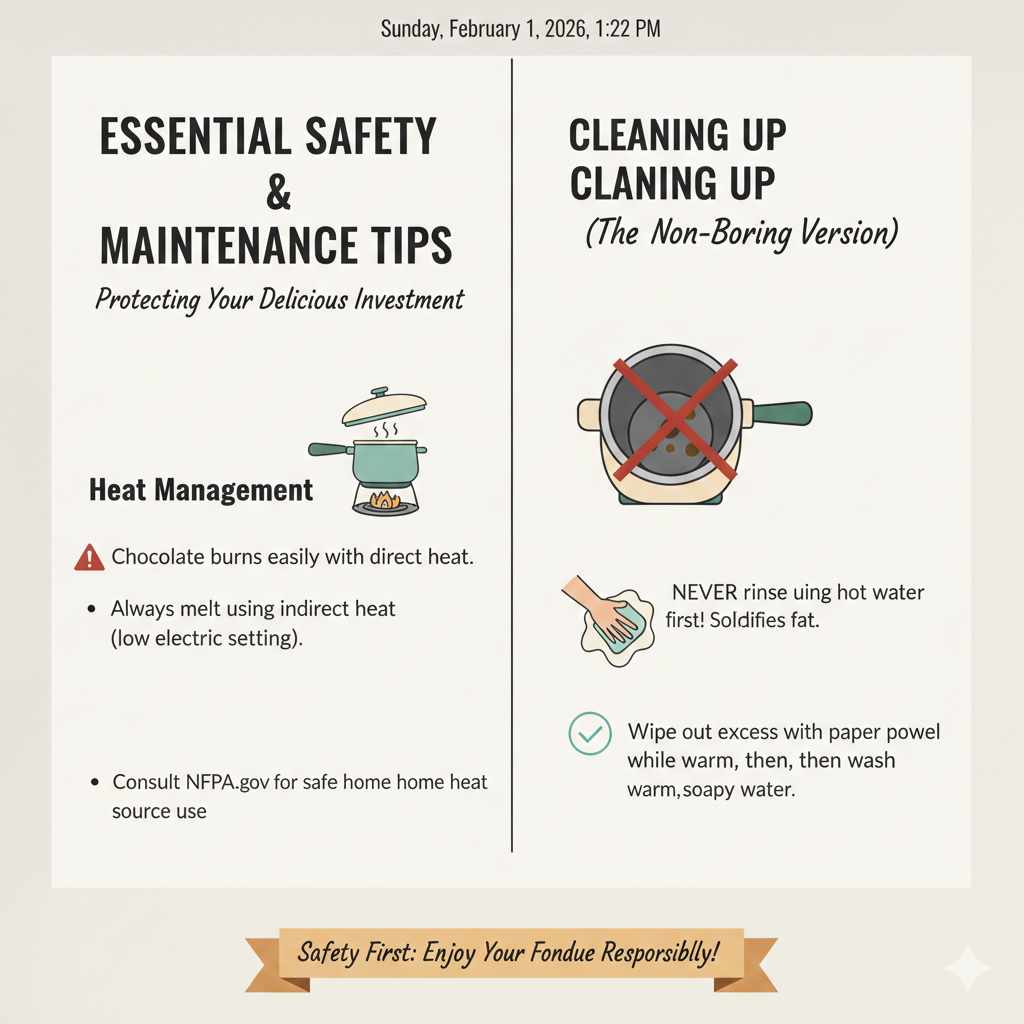
Essential Safety and Maintenance Tips
Frequently Asked Questions (FAQ) for Beginner Fondue Makers
Q1: Can I use chocolate chips instead of bar chocolate for fondue?
A: Yes, you can, but choose high-quality chips (like those made by Ghirardelli). Standard chips have additives to keep their shape under baking heat, which can make the fondue slightly less smooth than using chopped couverture bars.
Q2: My chocolate fondue turned grainy and stiff. What happened?
A: This is called ‘seizing.’ It usually happens because too much water, or not enough fat, was introduced, or you overheated the chocolate too quickly. You can often save it by stirring in a teaspoon of very hot liquid (water or cream) off the heat until it loosens up.
Q3: Do I need to use a double boiler to melt the chocolate?
A: For the absolute smoothest result, yes. However, the method described above—heating cream separately and pouring it over the chopped chocolate—mimics the double boiler effect perfectly and skips a whole pot to wash!
Q4: Can I make fondue ahead of time?
A: It’s best served fresh. You can melt the chocolate and cream mixture ahead of time, cool it completely, store it in an airtight container in the fridge, and then reheat it very gently on the stove or in the microwave in small increments just before serving.
Q5: What if I want a chocolate fondue that isn’t as rich?
A: If heavy cream is “too rich,” substitute half the cream with whole milk or even evaporated milk. However, understand that the thinner liquid may require slightly less volume overall to achieve the right consistency.
Final Thoughts: The Secret to Perfect Chocolate Fondue Is Simpler Than You Think
When it comes down to it, choosing the right chocolate for fondue isn’t about fancy techniques or expensive equipment — it’s about respecting the ingredients. High-quality semi-sweet or bittersweet couverture chocolate, chopped finely and paired with rich heavy cream, does most of the work for you. The rest is patience and gentle heat.
If there’s one lesson to remember, it’s this: chocolate hates stress. Rush it, overheat it, or dilute it with the wrong liquid, and it will fight back. Treat it kindly, melt it slowly, and it rewards you with a glossy, smooth dip that clings perfectly to every strawberry, marshmallow, or piece of cake.
Fondue should feel indulgent, not intimidating. Once you understand why couverture matters, why fat is your friend, and why low heat wins every time, chocolate fondue becomes one of the easiest desserts you can make — and one of the most impressive to serve.
So grab good chocolate, warm your cream, and take it slow. Whether you’re hosting a dinner party or enjoying a quiet night in, you now have everything you need to create a perfect, non-clumped, crowd-pleasing chocolate fondue every single time.
Dip confidently — you’ve got this.