How to Clean Burners: Proven Effortless Guide
Burners on your gas stove can be cleaned effectively and effortlessly with simple household ingredients and a bit of elbow grease. Follow our step-by-step guide using baking soda, vinegar, and dish soap to restore their shine and remove stubborn grime, ensuring a cleaner, safer cooking experience.
For a related kitchen decision, How To Clean A Fondue Pot: for Every Home Cook adds another practical detail to check.
For a related kitchen decision, How to Clean Range Top Burners adds another practical detail to check.
For a related kitchen decision, How to Clean a Cast Iron Dutch Oven: Effortless Method adds another practical detail to check.
Is there anything more frustrating than looking at grimy, burnt-on food splattered across your stove burners? It’s a common kitchen woe that can make even the most stylish kitchen feel a little less welcoming. But don’t worry! Restoring your gas stove burners to their former glory doesn’t require harsh chemicals or a professional cleaning service. With just a few simple household items, you can tackle even the toughest grease and grime. Get ready to bring back the sparkle and make cooking a joy again. We’ll walk you through everything, step-by-step.
Why Keeping Your Gas Stove Burners Clean Matters
Clean burners aren’t just about aesthetics; they play a crucial role in your kitchen’s functionality and safety. When food residue builds up, it can interfere with the proper distribution of the flame, leading to uneven cooking and potentially inefficient gas flow. Beyond that, burnt-on food can be a fire hazard, especially if it’s greasy. A clean stove ensures your cooking is efficient, your kitchen is safer, and your appliance looks its best – contributing to the overall comfort and beauty of your home.

Gathering Your Cleaning Supplies: Your Effortless Arsenal
Before we dive into the cleaning process, let’s make sure you have everything you need. The beauty of cleaning gas stove burners is that you likely already have most of these items in your pantry or under your sink. They’re simple, effective, and much kinder to your home and the environment than harsh chemicals.
Here’s what you’ll need:
- Baking Soda: A fantastic natural abrasive and deodorizer.
- White Vinegar: Excellent at cutting through grease and grime.
- Warm Water: To create cleaning solutions and rinse away residue.
- Dish Soap: Your everyday grease-cutting hero.
- Soft Cloths or Sponges: For general wiping and scrubbing. Choose non-abrasive options to avoid scratching.
- A Small Brush or Old Toothbrush: Perfect for getting into nooks and crannies.
- Rubber Gloves: To protect your hands from grease and cleaning solutions.
- Optional: A Mild Degreaser: For exceptionally tough, baked-on grease.
- Optional: Aluminum Foil or Baking Sheets: For protecting your stovetop and surrounding areas.
Step-by-Step Guide: How to Clean Burners on a Gas Stove Effortlessly
Cleaning your gas stove burners can feel daunting, but breaking it down into simple steps makes it incredibly manageable. We’ll cover cleaning the burner caps, burner heads, and even address those stubborn, baked-on messes.
Step 1: Safety First! Disconnect and Disassemble
Before you begin any cleaning, ensure your stove is completely cool. This is paramount for safety. Then, carefully remove the burner grates and the burner caps. Burner caps are the flat, circular pieces that sit directly on top of the burner heads. Underneath these are the burner heads themselves, which have small holes or ports where the gas flame emerges.
Gently lift off the burner caps. If they feel stuck, avoid forcing them. Sometimes, a little wiggle or carefully using a spatula to lift an edge can help. Once the caps are off, the burner heads should be visible. These can usually be lifted off as well, but consult your stove’s manual if you’re unsure. Set all these pieces aside on a protected surface, like a towel or newspaper.
Step 2: The Pre-Soak Power-Up (for Stubborn Grime)
For burners that haven’t been cleaned in a while, a pre-soak can work wonders. This loosens up grime and makes scrubbing much easier.
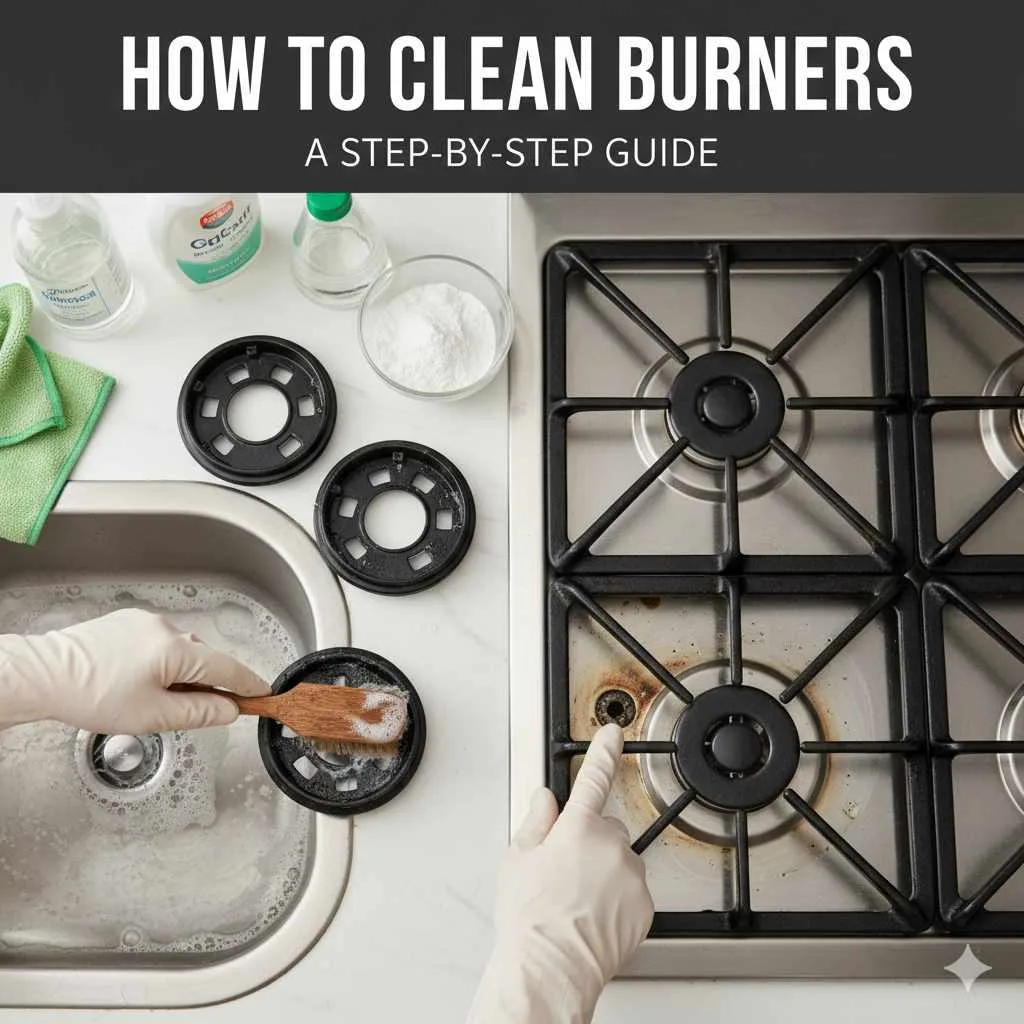
Fill your sink or a large basin with warm water. Add a generous squirt of dish soap. Submerge the burner caps and heads in the soapy water and let them soak. For lightly soiled pieces, 15-30 minutes might be enough. For tougher messes, you might need to let them soak for an hour or even overnight. This is where you can really leverage the power of simple ingredients to do the hard work for you!
Step 3: The Baking Soda Paste Method (Your Go-To for Tough Spots)
Baking soda is a gentle abrasive that’s incredibly effective at lifting stuck-on food and grease without scratching surfaces.
While your burner parts are soaking, you can start working on any visible grime on the stovetop itself or any parts that didn’t fit in your soak. Mix baking soda with a small amount of warm water to create a thick paste. It should have the consistency of toothpaste. Apply this paste directly to any stubborn, burnt-on spots on your stovetop or your burner caps and heads.
Let the paste sit for at least 15-30 minutes. For really baked-on messes, you can leave it on for longer, even up to an hour. The baking soda will work its magic, breaking down the grime so it’s easier to remove.
Step 4: Scrubbing Time! Gentle, Yet Effective
Now comes the fun part – scrubbing away the loosened grime!
- For Soaked Parts: After soaking, take each burner cap and head and gently scrub them with a soft sponge or cloth. Use your small brush or old toothbrush to get into the small holes (the gas ports) and around any edges. Rinse them thoroughly under warm water.
- For Pasted Areas: Use your soft cloth or sponge to scrub away the baking soda paste. You should find that the grime comes off much more easily. You might need to reapply paste to particularly stubborn areas.
- Stovetop Surface: If you applied the paste directly to your stovetop, wipe it clean with a damp cloth. For any remaining residue, a dedicated stovetop cleaner or a mixture of equal parts white vinegar and water can be used.
Step 5: The Vinegar Rinse and Shine
White vinegar is a kitchen cleaning powerhouse. It cuts through grease and leaves surfaces sparkling.
After you’ve scrubbed off most of the grime, rinse all the burner parts thoroughly under warm water. For an extra shine and to ensure all soap residue is gone, you can use a final rinse of diluted white vinegar (equal parts vinegar and water). Gently wipe the parts down with a clean, dry cloth to prevent water spots.
Step 6: Drying is Key for Reassembly
It’s crucial that all burner parts are completely dry before you reassemble them. Moisture can interfere with the gas flow and potentially cause ignition problems.
Lay out all the burner caps and heads on a dry towel. You can also let them air dry for a few hours, especially if you’ve rinsed them with vinegar, as the vinegar will help kill any lingering bacteria. Ensure you can see no lingering moisture before reassembly.
Step 7: Reassembly and Testing for a Perfect Flame
Once everything is dry, it’s time to put your stove back together.
- Place the burner heads back onto their respective spots on the stove. Make sure they sit flat and correctly.
- Place the burner caps on top of the heads. They should fit snugly.
- Turn on each burner individually to test the flame. You should see a consistent, even blue flame. If you notice any flickering or unevenness, turn it off, ensure the cap is seated correctly, and try again. If problems persist, check the small gas ports on the burner head – they might be blocked. You can gently poke them with a needle or a straightened paperclip (ensure the gas is off and the burner is cool!).
Dealing with Different Burner Types and Stubborn Stains
Gas stoves come in various designs, and some might have parts that require a slightly different approach. Equally, some spills are just plain stubborn! Here’s how to handle common scenarios.
Cleaning Electric Coil Burners
While how to clean burners on a gas stove is our focus, many homes also have electric coil burners. These have their own cleaning quirks.
Most electric coil burners can be lifted or unhooked from their sockets. Once removed, you can clean the coils themselves with a damp cloth (never immerse them in water!). The drip pans underneath often collect a lot of mess. These can be soaked in hot, soapy water, or for tougher stains, you can try a baking soda paste or a specialized oven cleaner. Always ensure the drip pans and coils are thoroughly dry before reconnecting.
Tackling Baked-On Sugar or Caramel
Sugar-based spills are notoriously difficult because they harden like cement.
For baked-on sugar spills:
- First, try to gently scrape off as much as possible with a plastic scraper or an old credit card.
- Then, moisten a cloth with warm water and lay it over the spill for about 15-30 minutes. This can help soften the residue.
- Apply your baking soda paste and let it sit for an extended period, potentially a few hours.
- If it’s still stubborn, a .gov resource like the EPA suggests using mild dish soap and warm water for cleaning, highlighting the effectiveness of basic solutions here.
- For extreme cases, a commercial stovetop cleaner specifically designed for baked-on food might be necessary. Always follow product instructions carefully.
Cleaning Enamel and Stainless Steel Burner Parts
The material of your burner caps and heads can affect how you clean them.
Here’s a quick comparison:
| Burner Part Material | Recommended Cleaning Method | Things to Avoid |
|---|---|---|
| Enamel | Baking soda paste, warm soapy water, gentle scrubbing brush. Rinsing with diluted vinegar helps maintain shine. | Steel wool, abrasive scrub pads, harsh chemical cleaners that can chip or dull the finish. |
| Stainless Steel | Warm soapy water, baking soda paste for tougher spots. A specialized stainless steel cleaner can restore shine. For streaks, wipe with the grain. | Abrasive powders or scrubbers that can scratch the finish. Bleach can also cause discoloration. |
Preventing Future Burner Grime
Prevention is always easier than cure! Simple habits can keep your burners looking cleaner for longer.
Here are some tips to minimize future buildup:
- Wipe Spills Immediately: The moment a spill happens (and the surface is cool enough), give it a quick wipe. This stops food from hardening.
- Use a Splatter Screen: When frying or cooking messy foods, a splatter screen can be a lifesaver, preventing grease from spraying all over your stovetop.
- Regular Quick Cleans: Dedicate 2-5 minutes after cooking, once the stove has cooled, to wipe down the grates and burner areas.
- Check Pot Sizes: Ensure your pots and pans are the right size for the burner. A pot that’s too small can lead to spills going over the sides more easily.
- Consider Burner Covers (for decorative purposes): If your stove is not in use, decorative burner covers can add to your kitchen’s aesthetic and prevent dust and debris from falling onto the burners.

Frequently Asked Questions About Cleaning Stove Burners
Here are some common questions beginner home chefs and decorators might have about keeping their stove burners clean.
Q1: Can I use oven cleaner on my gas stove burners?
A: It’s generally not recommended and can be risky. Oven cleaners are very harsh and can damage the finish on your gas stove burners and caps. They can also leave harmful residues. It’s safer and more effective to use milder, household cleaning solutions like baking soda and vinegar.
Q2: How often should I clean my gas stove burners?
A: For best results, aim for a quick wipe-down of spills as they happen. A more thorough cleaning of the burner caps and heads should ideally be done weekly or bi-weekly, depending on your cooking frequency. If you notice buildup, clean them promptly.
Q3: My burner flame is orange or yellow, not blue. What does this mean?
A: A blue flame indicates efficient combustion. An orange or yellow flame usually means the burner ports are clogged with debris, preventing proper air mixing with the gas. This is why cleaning the burner heads and ensuring those small holes are clear is so important. If cleaning doesn’t fix it, you might have an issue with gas pressure or an internal component, and it’s best to call a professional. For more on combustion, reputable sources like engineering or utility sites can offer insights into fuel burning.
Q4: Can I put the burner caps in the dishwasher?
A: Some manufacturers say yes, but it’s often not the best idea. The high heat and harsh detergents in a dishwasher can sometimes damage enamel coatings, cause discoloration, or even warp thin metal parts over time. Hand washing with warm, soapy water is the safest bet for most burner caps.
Q5: What should I do if the burner cap just won’t come off?
A: Ensure the stove is completely cool and that you’re not forcing it. Sometimes, a bit of penetrating oil (used carefully, and ensuring it’s wiped completely clean before using the stove again) or a gentle tap with a rubber mallet can loosen adhesion. If it’s severely stuck, consult your stove’s manual or a professional technician.
Q6: How do I clean greasy buildup around the burner area?
A: For greasy buildup on the stovetop surrounding the burners, a paste of baking soda and water works wonders. Let it sit, then scrub with a non-abrasive sponge. A solution of equal parts white vinegar and water can also cut through grease effectively. For very tough grease, a bit of dawn dish soap directly on the area, allowed to sit for a few minutes before wiping, can help. Always wipe clean with a damp cloth and then dry.
Conclusion
Breathe easy! You’ve got this. Keeping your gas stove burners clean is a straightforward process that significantly enhances your kitchen’s appeal and functionality. By following these effortless steps, you’ve learned how to tackle stubborn grime and restore your burners to a gleaming condition using simple, effective methods. Remember, a clean kitchen is a happy kitchen, and with these techniques, you’re well on your way to a more beautiful, comfortable, and inviting home. Enjoy the sparkle and the satisfaction of a job well done!
Products related to this article
Sponsored / affiliate links. As an Amazon Associate I earn from qualifying purchases. I may earn additional commission from eligible campaigns.